
Big Five Animals in Kenya: Where to See Them & What to Expect on Safari
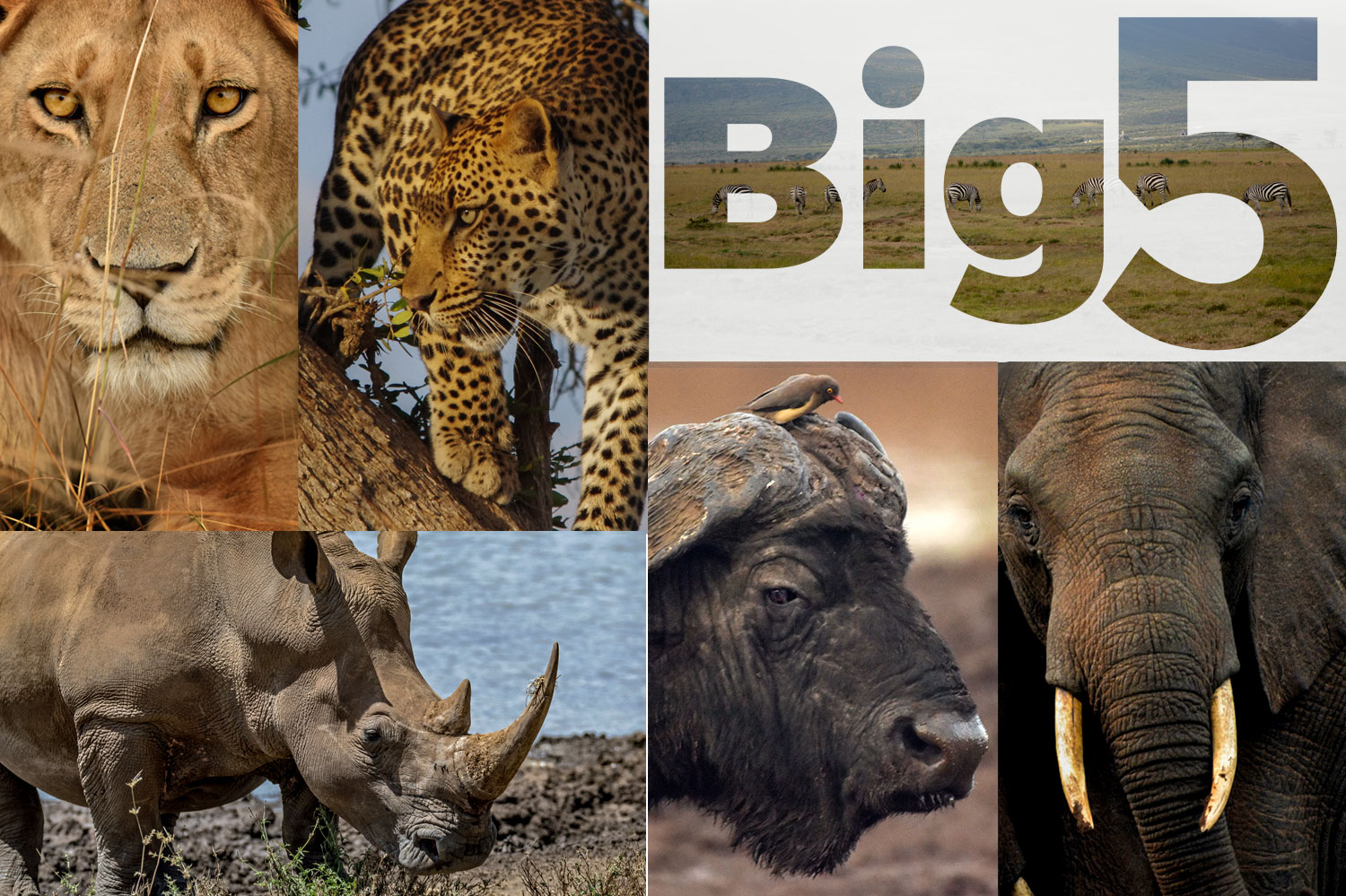
Seeing the Big Five animals in Kenya lion, elephant, leopard, rhinoceros, and African buffalo is one of the most iconic goals for safari travellers. Kenya is globally recognised as one of the best countries to experience the Big Five in their natural habitat, especially in wildlife-rich reserves such as Masai Mara.
If you're planning your trip, choosing a structured itinerary like a Big Five safari Kenya package can significantly improve your chances of spotting all five animals with expert-guided game drives. This guide explains what the Big Five really represent, where and when to see each animal, how seasons affect sightings, and which safari vehicles offer the best viewing experience, so you can plan a realistic and rewarding safari in 2026.
If you are new to safari travel, it helps to first understand the geography, wildlife zones, and seasonal movement patterns of the Masai Mara destination before planning Big Five sightings.
Big Five safari planning is often influenced by the guidance of a trusted travel agency for Africa .
What Are the Big Five Animals?
The term "Big Five" originally referred to the five most difficult animals to hunt on foot, not the biggest animals in Africa. Today, it represents the most sought-after wildlife sightings on safari.
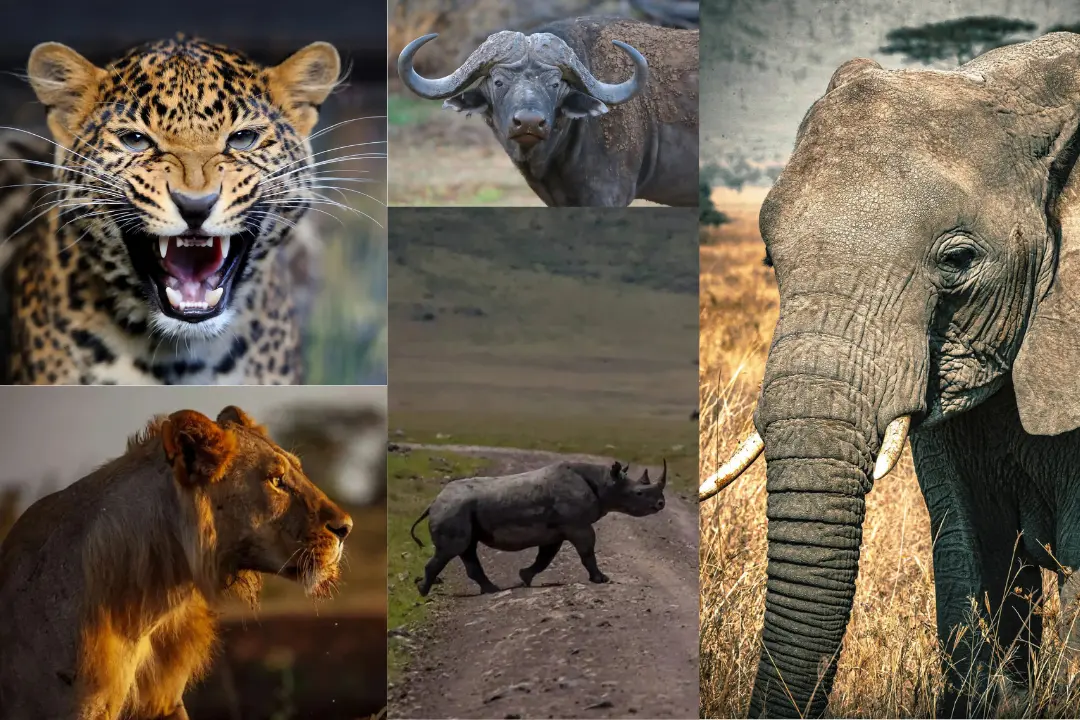
The Big Five are:
- Lion
- African Elephant
- Leopard
- Rhinoceros
- African Buffalo
Why Kenya Is One of the Best Places to See the Big Five
Kenya offers:
- Diverse ecosystems
- Well-managed national reserves
- High wildlife density
- Experienced guides & tracking systems
Among all Kenyan reserves, Masai Mara stands out for year-round Big Five sightings.
The Big Five Animals of Kenya
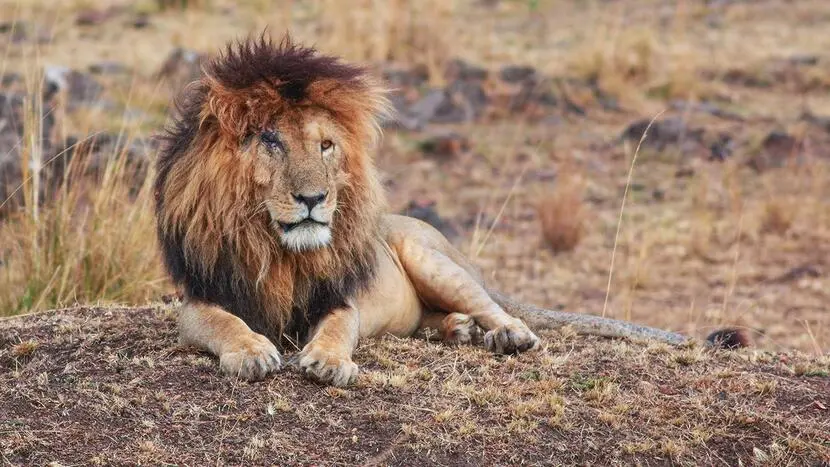
Lion – The Symbol of the African Safari
- Where to see: Masai Mara, Amboseli, Tsavo
- Sightings: Very high in Masai Mara
Lions are social animals often seen in prides. In Masai Mara, they are frequently spotted resting in open grasslands or stalking prey during early mornings and evenings.
Best time to spot:
- Early morning game drives
- Late afternoon safaris
Best experiences:
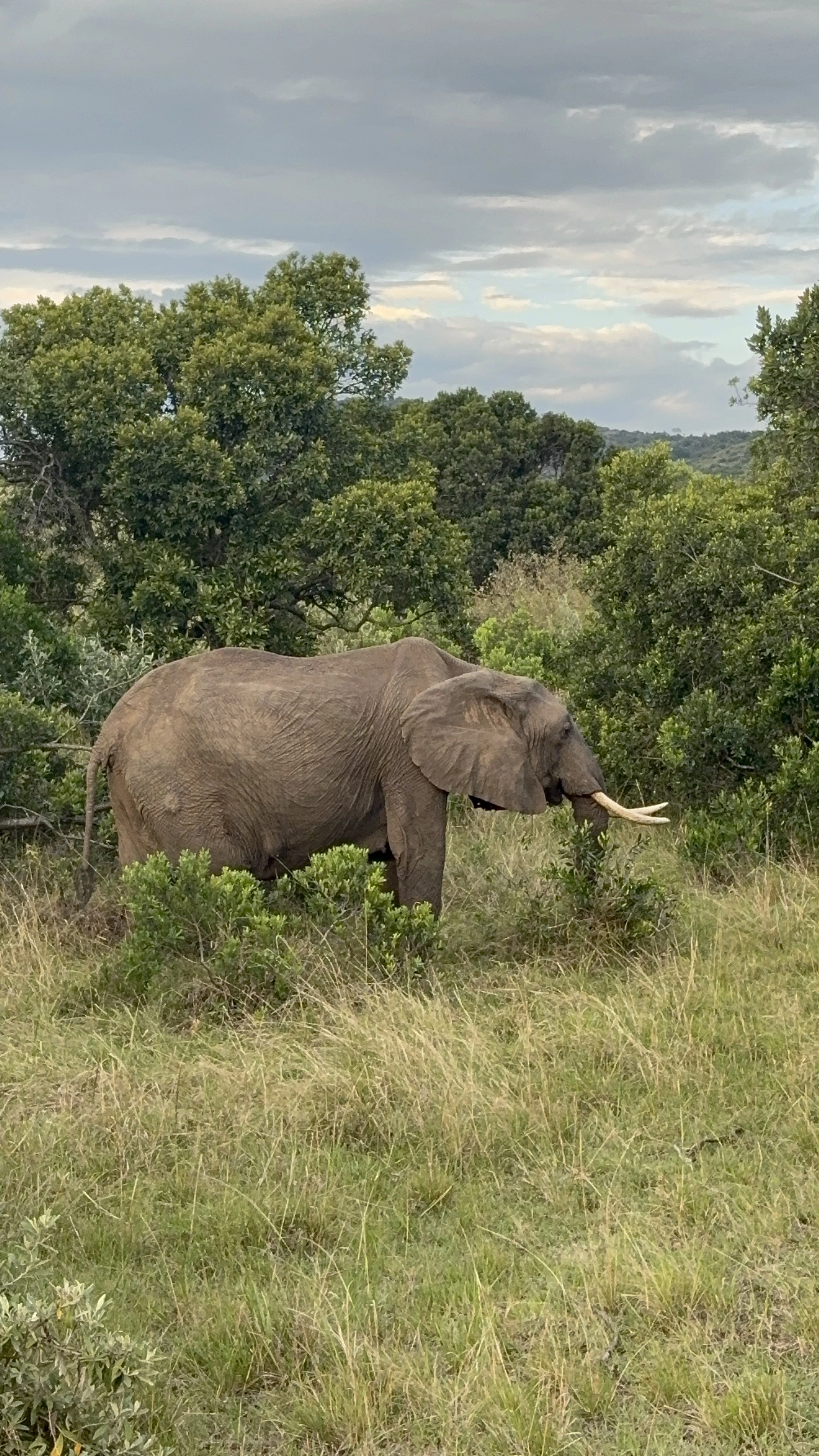
African Elephant – Gentle Giants of Kenya
- Where to see: Masai Mara, Amboseli, Samburu
- Sightings: Very high
Elephants are commonly seen in family herds, especially near rivers and forests. Masai Mara elephants are known for their size and calm behaviour.
Best time to spot:
- Early morning game drives
- Late afternoon near rivers and waterholes
Best experiences:
African elephants play a critical role in savannah ecosystems, a topic explored in depth by the World Wildlife Fund’s coverage of elephant conservation .
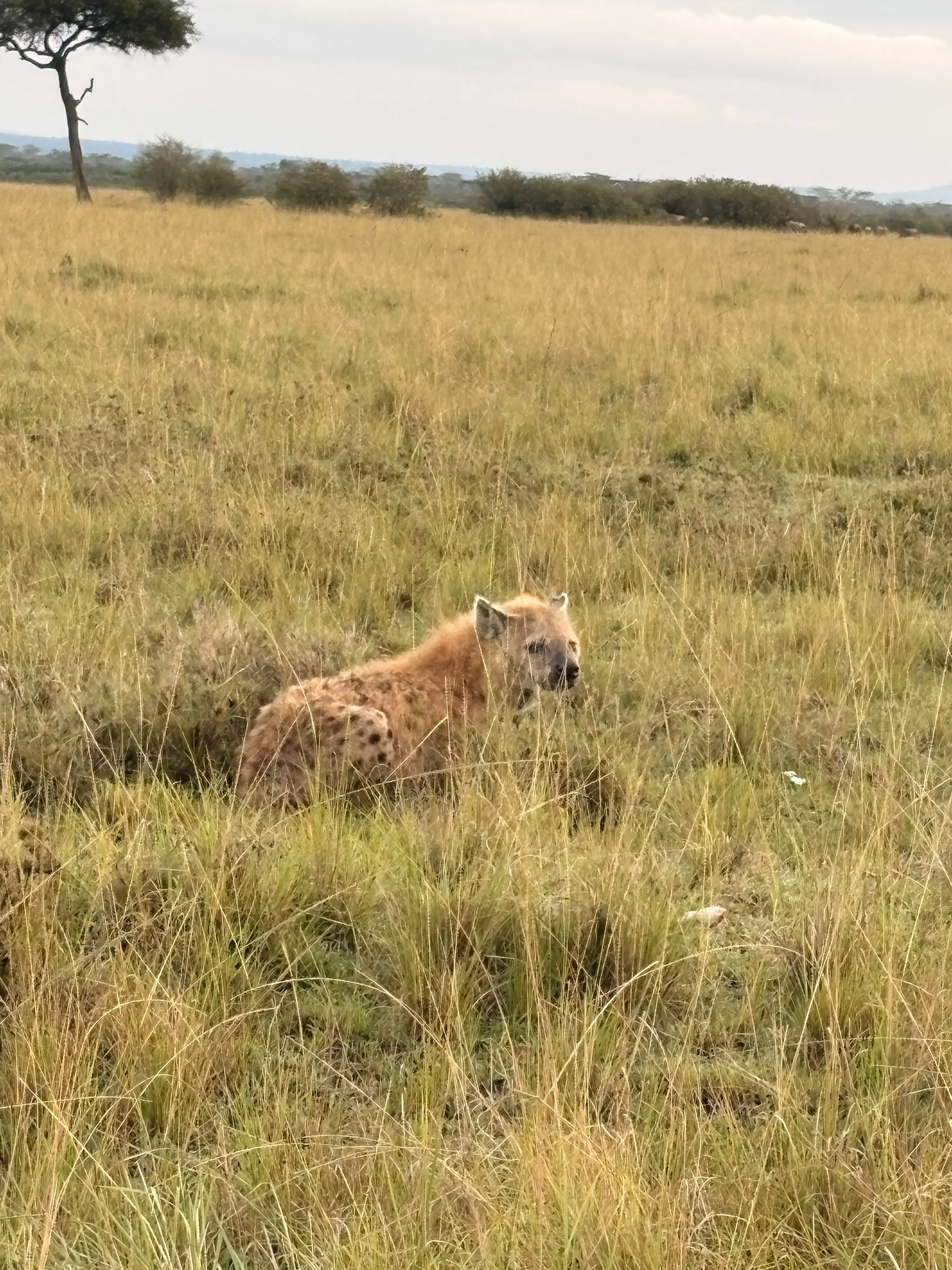
Leopard – The Most Elusive Big Five Animal
- Where to see: Masai Mara, Samburu
- Sightings: Moderate to high with skilled guides
Leopards are solitary and nocturnal, often resting on trees or rocky outcrops during the day. Spotting a leopard is considered one of the most rewarding safari moments.
Tips to increase chances:
- Choose experienced guides
- Stay near riverine forests
- Opt for longer safaris
Best time to spot:
- Early morning game drives
- Late afternoon and dusk safaris
Best experiences:
When photography is the primary goal, travellers often choose a Photography Safari in Masai Mara to maximise time spent observing wildlife behaviour.
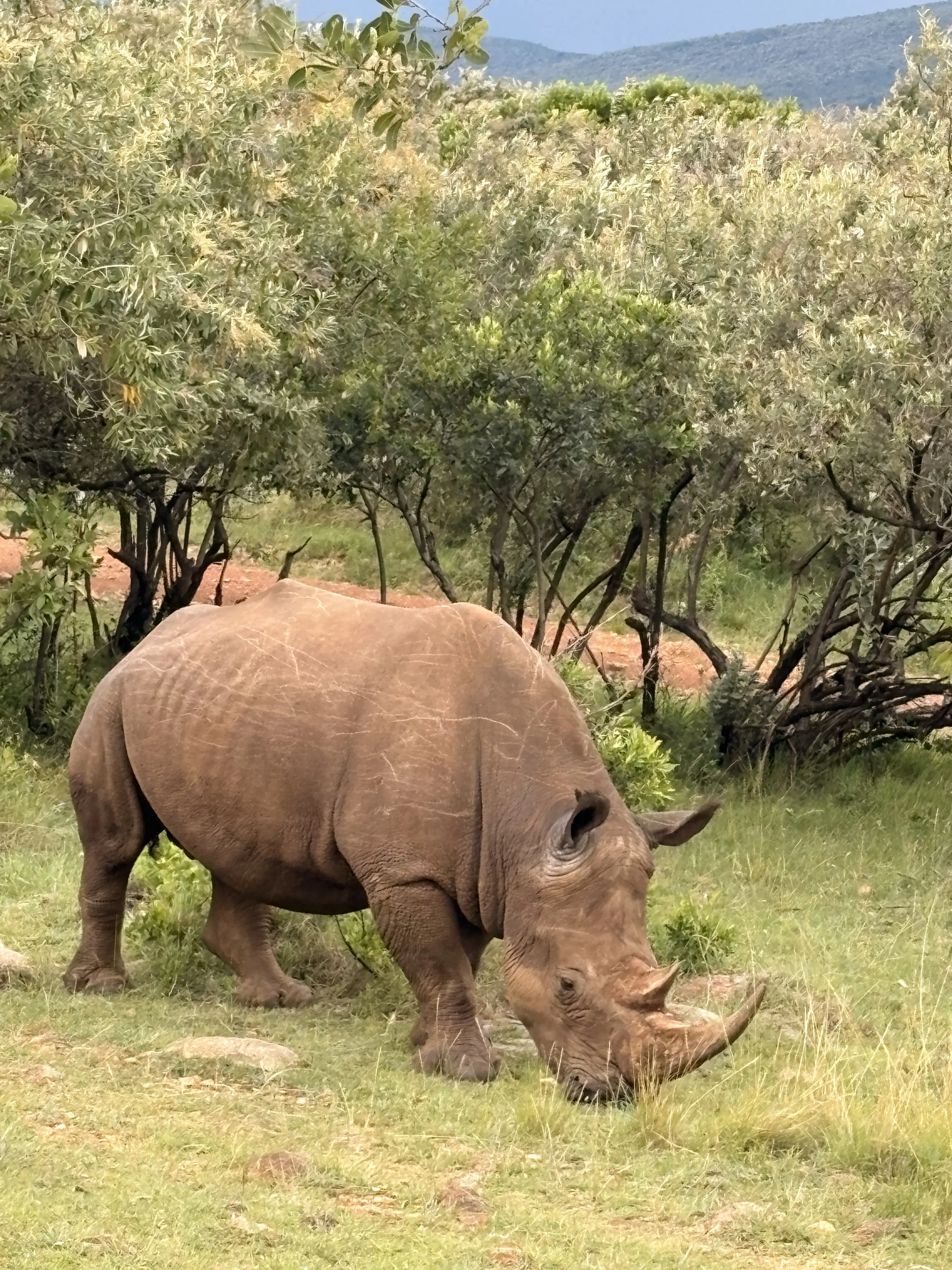
Rhinoceros – Rare but Powerful
- Where to see: Masai Mara (limited), Lake Nakuru, Ol Pejeta
- Sightings: Limited but possible
Rhinos are the hardest Big Five animal to spot due to conservation protections and restricted habitats. Masai Mara sightings are rare but still possible in certain zones.
Best time to spot:
- Early morning game drives (cooler temperatures, less movement)
- Late afternoon in protected zones
Best experiences:
For authoritative conservation insight on rhino protection efforts, refer to Save the Rhino International , a leading global organisation dedicated to rhino conservation.
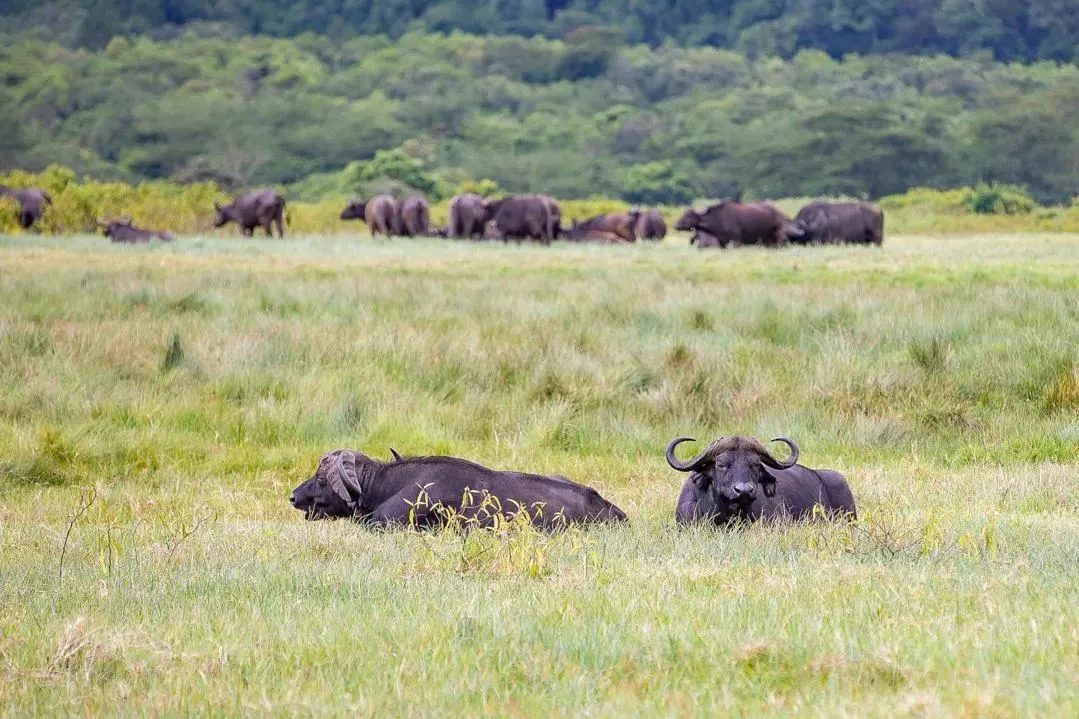
African Buffalo – Strong & Unpredictable
- Where to see: Masai Mara, Tsavo, Lake Nakuru
- Sightings: Very high
Buffalo are commonly seen in large herds and are often underestimated. They can be defensive and unpredictable, which is why guides treat them with serious respect.
Best seen: grasslands and riverbanks.
Best time to spot:
- Morning game drives (when herds move to grazing areas)
- Late afternoon safaris near water sources
Best experiences:
Best Place to See the Big Five in Kenya
| National Park / Reserve | Big Five Coverage |
|---|---|
| Masai Mara | ⭐⭐⭐⭐⭐ |
| Amboseli | ⭐⭐⭐⭐ |
| Lake Nakuru | ⭐⭐⭐ |
| Tsavo | ⭐⭐⭐ |
Best Time to See the Big Five in Kenya
The Big Five can be seen year-round, but conditions matter.
- January–March: Excellent visibility, fewer crowds
- July–October: High wildlife density + migration action
To plan your safari around weather, migration, and resident wildlife behaviour, refer to our Best Time to Visit Masai Mara in 2026 and Wildlife Seasons in Masai Mara Planning guides.
Best Safari Itineraries for Big Five Sightings
To maximise Big Five sightings, choose:
- 4–5 night itineraries
- Lodges near wildlife corridors
- Flexible game drives
Recommended options:
Can You See All Big Five in One Safari?
Yes, it's possible, especially in Masai Mara.
But never guaranteed.
Factors affecting success:
- Length of stay
- Guide expertise
- Wildlife movement
- Luck (nature decides)
Longer stays increase success: 7 Days Kenya Masai Mara Combo Safari
Best Safari Vehicles for Big Five Viewing in Kenya
Safari Van (Minibus)
Best for: Budget safaris
Limitations:
- Restricted access on rough terrain
- Less flexible positioning near sightings
Suitable for basic game drives but not ideal for leopard tracking or long Big Five-focused safaris.
4×4 Land Cruiser Jeep (Recommended)
Best for: Big Five viewing, families, photographers
Why it works best:
- Handles rough terrain inside Masai Mara
- Elevated seating and pop-up roof
- Better stability near wildlife sightings
- Preferred by professional guides
This is the most recommended vehicle for Big Five safaris in Kenya.
Private Safari Jeep
Best for: Couples, photographers, families
Advantages:
- Flexible timing and routing
- No sharing with other guests
- Quiet positioning near animals
Ideal for travellers who want relaxed pacing and higher-quality sightings.
Park Rules & Wildlife Safety
Tip: Vehicle choice does not change park rules drivers must follow distance and wildlife safety guidelines set by the Kenya Wildlife Service.
Ethical Wildlife Viewing & Conservation
Responsible safaris support conservation by:
- Funding park protection
- Supporting local communities
- Discouraging poaching
Long-term wildlife protection in Kenya is shaped by the work of organisations like the African Wildlife Foundation alongside regulatory oversight from the Kenya Wildlife Service .
Final Thoughts: Big Five Safari in Kenya
A Big Five safari in Kenya is ultimately an exercise in observation rather than pursuit. The most meaningful encounters come from time spent learning animal movement, predator–prey dynamics, and the rhythms of the savannah particularly in regions like Masai Mara, where wildlife density and conservation practices intersect.
Travellers who prioritise ethical guiding, realistic pacing, and season-aware planning often come away with a deeper appreciation of Kenya’s ecosystems, even if sightings unfold gradually rather than instantly.
If you’re ready to plan with these values in mind, explore our Masai Mara Safari Packages from India planning guide.
Big Five Safari in Kenya – FAQs
Yes, it is possible—especially in Masai Mara—but it is never guaranteed. Seeing all five depends on length of stay, guide expertise, wildlife movement, and natural luck. Safaris of 4–5 nights or longer offer the best chances.
Masai Mara National Reserve offers the highest overall probability of seeing all Big Five species in one trip. Other parks may excel for specific animals, but Masai Mara provides the best combined coverage.
The rhinoceros is usually the hardest to see. Rhino populations are highly protected and limited to specific zones, making sightings possible but not frequent.
Yes. A Big Five safari is ideal for first-time African safari travellers, especially in Kenya where reserves are well-managed and guides are highly experienced. Choosing the right itinerary and vehicle is key.
Early morning and late afternoon are best for lions and leopards, while elephants and buffalo can be seen throughout the day. Midday activity is usually lower due to heat, which is why most safaris include two game drives per day.
Yes. January–March offers excellent visibility with fewer crowds, July–October has high wildlife density due to migration, and April–May has fewer tourists though rain may affect driving conditions. Big Five animals are present year-round.
A 4×4 Land Cruiser safari jeep is the best option. It offers better terrain access, elevated viewing, and flexible positioning near animals. Safari vans are less suitable for serious Big Five tracking.
Yes, especially for families, couples, and photographers. Private vehicles allow flexible timing, quieter approaches, and longer viewing at sightings, which improves the overall experience.
Yes. Safaris are conducted under strict park regulations enforced by the Kenya Wildlife Service. Guests remain inside vehicles, and trained guides maintain safe distances from animals at all times.
The biggest mistake is booking too short a safari and expecting guaranteed sightings. Wildlife is unpredictable, and a relaxed itinerary with enough days leads to better sightings and a more enjoyable experience.