
Wildlife Seasons in Masai Mara: What You'll See Throughout the Year (2026 Guide)
Understanding wildlife seasons in Masai Mara is one of the most important steps in planning a safari that truly meets your expectations. While the Great Migration often gets the spotlight, Masai Mara is a year-round wildlife destination, with each season offering a different rhythm, landscape, and type of animal behaviour.
If you are new to safari travel, it helps to first understand the geography, wildlife zones, and seasonal movement patterns of the Masai Mara destination before planning your safari seasons.
Interpreting seasonal wildlife patterns is often guided by the experience of a trusted travel agency for Africa .
This guide explains:
- How wildlife changes through the year
- What animals are easiest to spot in each season
- Which months are best for different travel styles in 2026
All observations align with conservation and tourism patterns monitored by the Kenya Wildlife Service and seasonal climate data from the Kenya Meteorological Department.
Masai Mara Wildlife Seasons: What to Expect
Masai Mara’s wildlife seasons are shaped primarily by rainfall patterns, not extreme temperature changes. Wildlife does not disappear—visibility, movement, and density simply change through the year.
| Wildlife Season | Months | What This Season Is Known For |
|---|---|---|
| Dry Season | January–March | Clear visibility, strong predator activity |
| Green Season | April–June | Lush scenery, birdlife, fewer tourists |
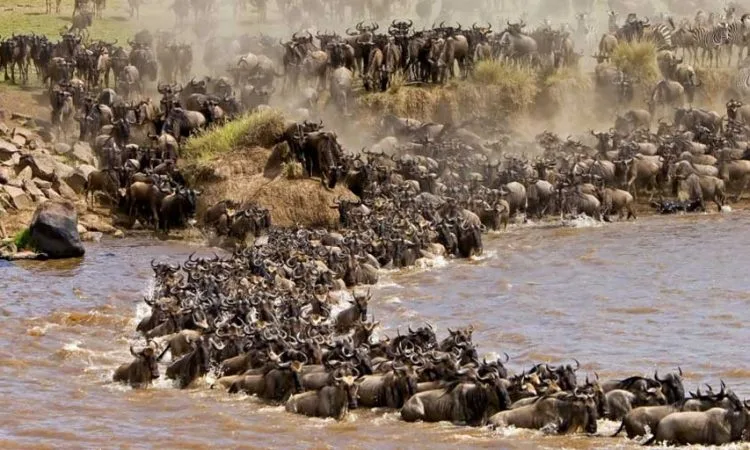
| Migration Season | July–October | Wildebeest herds, predator-prey drama |
| Short Rains | November–December | Calm safaris, resident wildlife |
Seasonal timing and weather patterns are explained in detail in our Best Time to Visit Masai Mara in 2026 planning guide.
Dry Season Wildlife (January–March)
What Happens in This Season
- Grass is short, making animals easier to spot
- Wildlife gathers around rivers and water points
- Predators hunt more actively due to clear visibility
What You’ll Commonly See
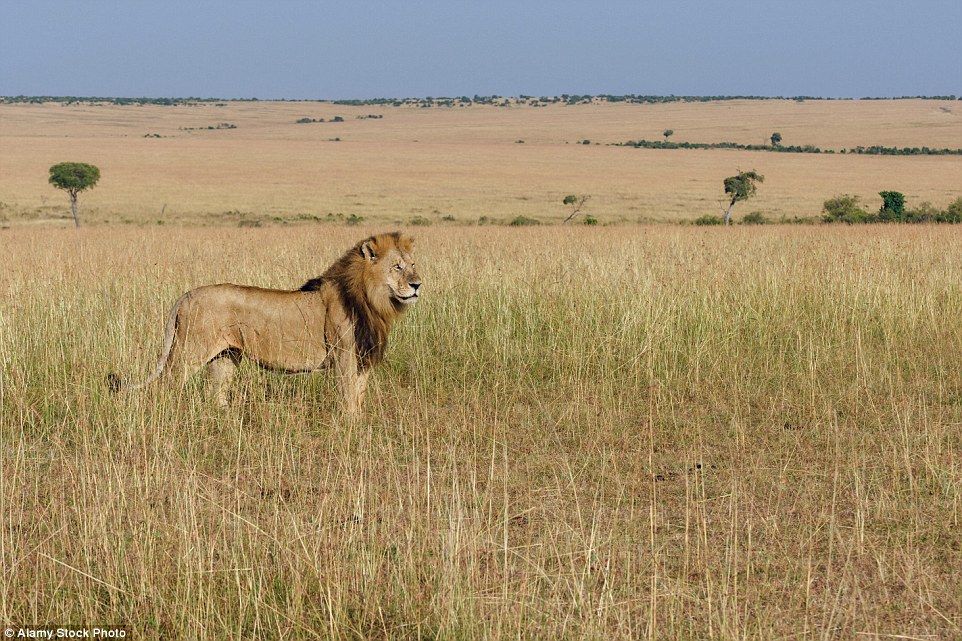
- Lions resting in open plains or hunting at dawn
- Leopards near riverine forests
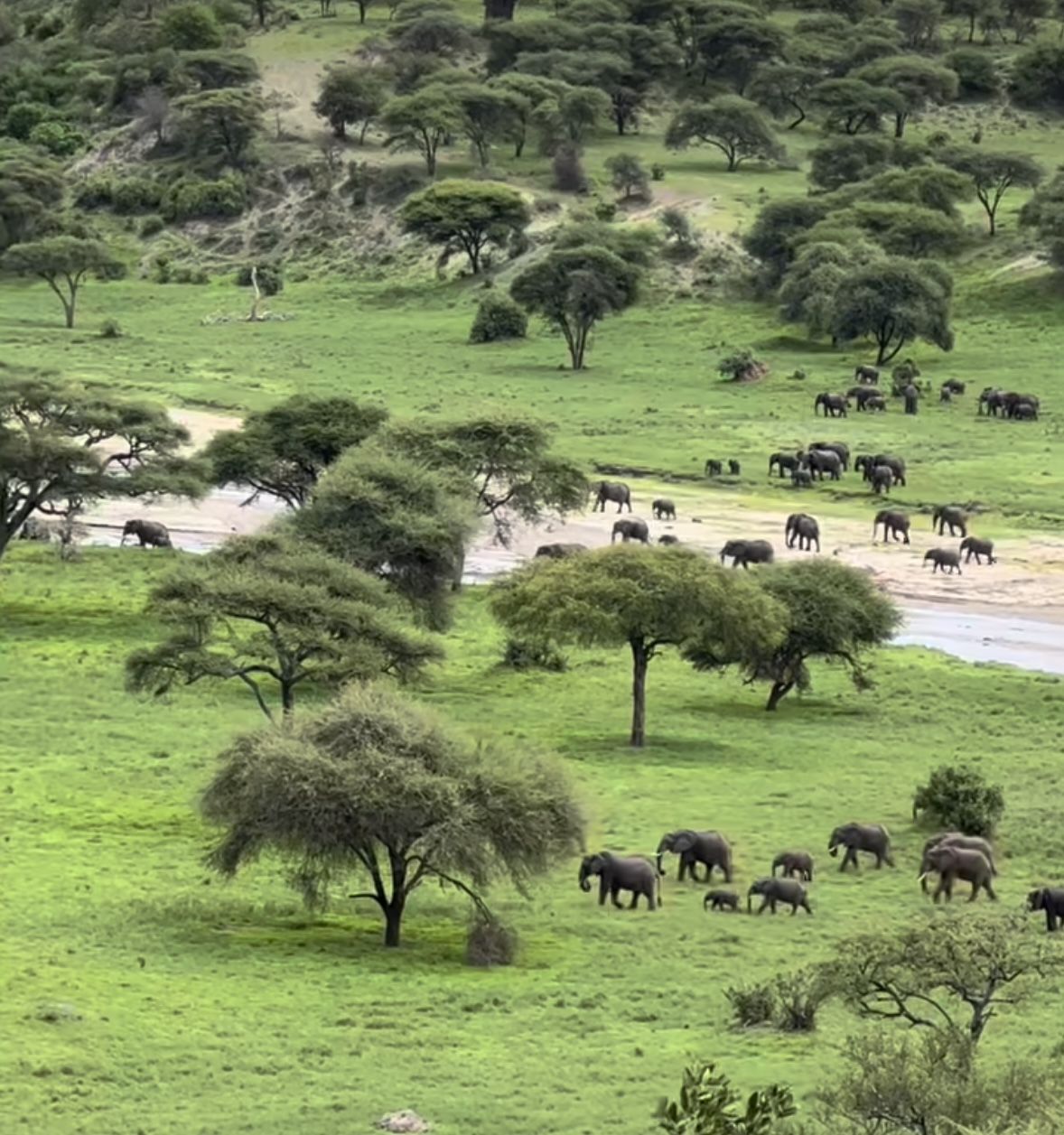
- Elephants and buffalo in large herds
- Very strong Big Five sightings overall
Best For
- First-time safari travellers
- Honeymooners seeking comfort and clarity
- Families wanting smooth, relaxed game drives
This season delivers excellent wildlife without heavy migration crowds, making it one of the best periods for a balanced safari.
Ideal itineraries:
Green Season Wildlife (April–June)
Often misunderstood, the green season is one of Masai Mara’s most underrated wildlife periods.
What Changes in Wildlife Behaviour
- Fresh grass spreads animals across wider areas
- Fewer safari vehicles on routes
- Migratory birds arrive, increasing biodiversity
What You’ll See
- Elephants and buffalo moving through lush plains
- Excellent birdlife
- Dramatic skies ideal for photography
Best For
- Wildlife photographers
- Repeat safari travellers
- Budget-conscious luxury travellers
Ideal itinerary: 7 Days Kenya Masai Mara Combo Safari
Migration Season Wildlife (July–October)
What Happens
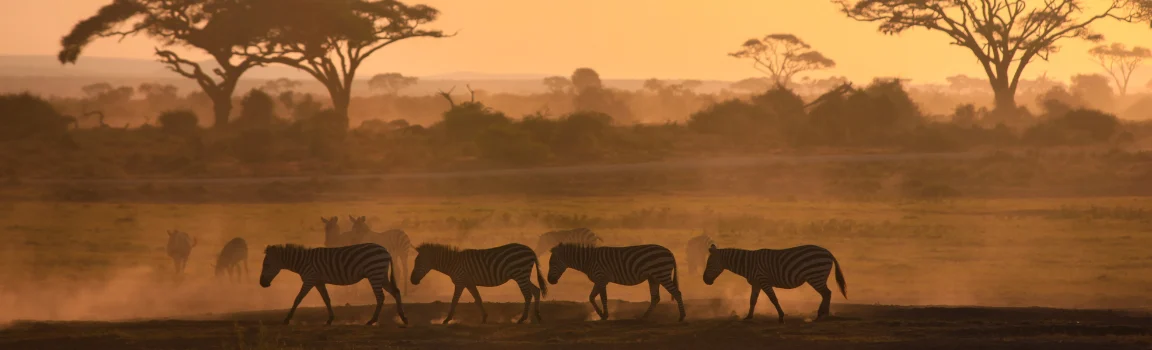
- Wildebeest and zebra herds enter Masai Mara from Serengeti
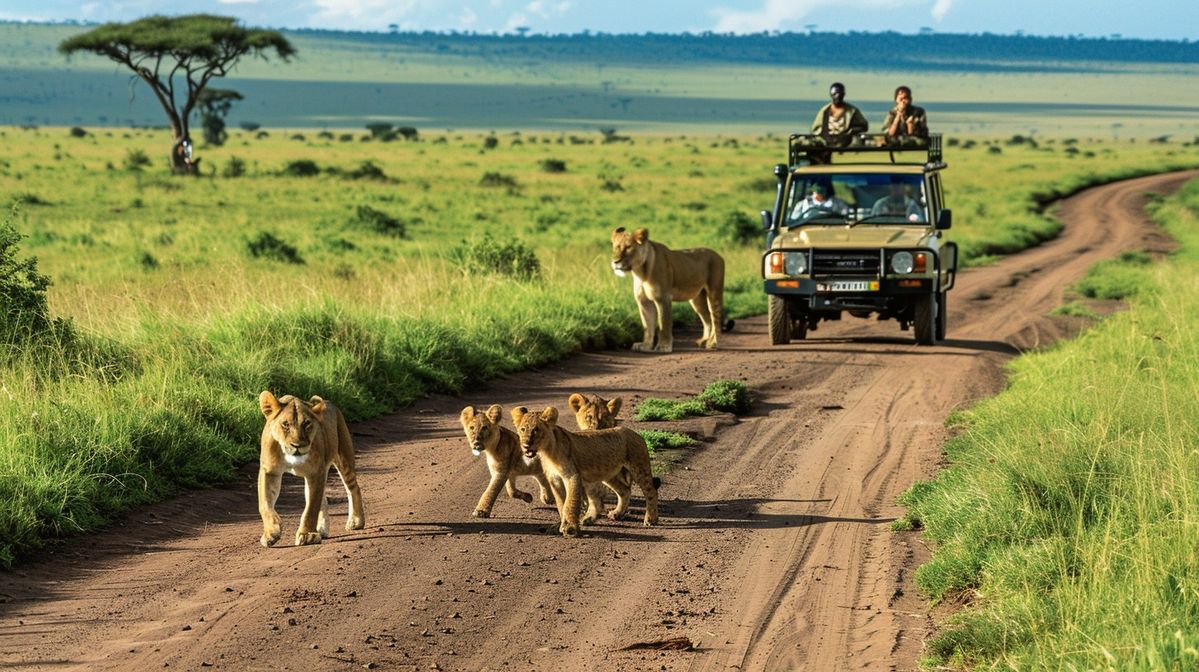
- Predator concentrations increase
- Possible Mara River crossings
Ideal itinerary: 4 Days / 3 Nights Great Migration Safari
Short Rains Seasons Wildlife (November–December)
What to Expect
- Short, light rain showers
- Resident wildlife remains active
- Quieter safari routes
Best For
- Short safaris
- Couples seeking privacy
- Travellers avoiding peak-season congestion
Ideal experience:
Best Wildlife Season Based on Travel Style
| Travel Style | Best Months (2026) | Recommended Link |
|---|---|---|
| Big Five Seekers | January–March | → Big Five Animals in Kenya |
| Wildlife Photographers | April–May | → Photography Safari Masai Mara |
| Honeymooners | February or June | → Masai Mara Honeymoon Package |
| Families | January, June, November | → Masai Mara Family Package |
| Luxury & Exclusive Travel | Green season or shoulder months | → VIP Ultra Luxury Safari |
Does Lodge Location Affect Wildlife Viewing?
Yes, location matters as much as season.
- Migration-focused zones: Elewana Sand River Mara
- River-based, year-round wildlife: Fairmont Masai Mara
- Comfort with consistent sightings: JW Marriott Masai Mara
Common Misconceptions About Wildlife Seasons
- Wildlife disappears during rainy months
- Migration guarantees river crossings
- There is only one “best” month
Reality: Masai Mara offers rewarding wildlife viewing throughout the year just in different ways.
Final Thoughts: Choosing the Right Wildlife Season
The best wildlife season depends on what you value most:
- Drama & scale: July–September
- Clarity & ease: January–March
- Peace & value: April–June or November
No single season is objectively “better” than another. The most rewarding safaris are shaped by how well your travel dates align with your expectations around crowd levels, wildlife behaviour, weather conditions, and overall pace. Travellers who choose season first and itinerary second tend to enjoy more balanced and immersive experiences.
Plan holistically:
- Safari timing → Best Time to Visit Masai Mara in 2026
- Itinerary design → Masai Mara Itinerary Guide in 2026
- Budget planning → Masai Mara Cost from India in 2026
Once planning priorities are clear, suitable itineraries are available in our Masai Mara Safari Packages from India Planning guide.
Masai Mara Wildlife Seasons – FAQs
No. Masai Mara is a year-round wildlife destination. While experiences vary by season, resident animals such as lions, elephants, leopards, and buffalo are present throughout the year.
The dry season from January to March is the easiest for first-time visitors. Short grass, clear visibility, and active predators make sightings more straightforward and less dependent on patience.
No. Wildlife does not disappear during the green season (April–June). Animals spread out due to abundant grass, but sightings remain strong—especially elephants, buffalo, and birdlife.
No. The Great Migration (July–October) adds scale and drama, but excellent Big Five sightings occur outside migration months, often with fewer vehicles and more relaxed safaris.
Families generally enjoy January, June, and November. These months offer comfortable weather, fewer crowds than peak migration, and smoother safari pacing. Private vehicles are recommended for flexibility.
April–May is ideal for lush landscapes, dramatic skies, and birdlife, while August–September is best for action photography such as migration scenes and predator behaviour. The best time depends on whether you prefer scenery or wildlife action.
No wildlife sightings are ever guaranteed. Safaris follow natural animal behaviour rather than fixed schedules. Longer stays and experienced guides significantly improve sighting success.
Yes. Lodge location is often as important as season. Camps near rivers and wildlife corridors usually offer better year-round sightings than those located far from core activity zones.
Migration season—especially August—can be busy near river crossings. However, experienced guides often avoid congestion by tracking herds in less crowded areas, particularly on longer itineraries.
Choose based on your priorities: January–March for Big Five sightings and clarity, July–September for drama and scale, and April–June or November for peace and value. There is no single “best” season—only the best match for your travel style.