
Best Time to Visit Masai Mara in 2026
Choosing the best time to visit Masai Mara in 2026 can dramatically shape your safari experience. Wildlife density, migration movement, weather, crowd levels, and pricing all change through the year making timing one of the most important planning decisions for travellers visiting Masai Mara. This guide explains what Masai Mara is most famous for by season, followed by a clear annual overview and a detailed month-by-month breakdown, so you can decide when to travel based on what you want to see, feel, and spend.
If you are new to safari travel, it helps to first understand the geography, wildlife zones, and seasonal movement patterns of the Masai Mara destination before choosing your safari season.
Safari timing decisions are often guided by the experience of a trusted travel agency for Africa .
If you’re planning this from NCR, working with an experienced international travel agency in Gurgaon helps avoid visa, flight, and lodge selection mistakes.
When Is the Best Time to Visit Masai Mara in 2026?
There is no bad time to visit Masai Mara—only different experiences.
Masai Mara’s Three Most Famous Safari Seasons
Before looking at months, it helps to understand why people travel to Masai Mara. The reserve is globally known for three distinct safari experiences, each tied to a season.
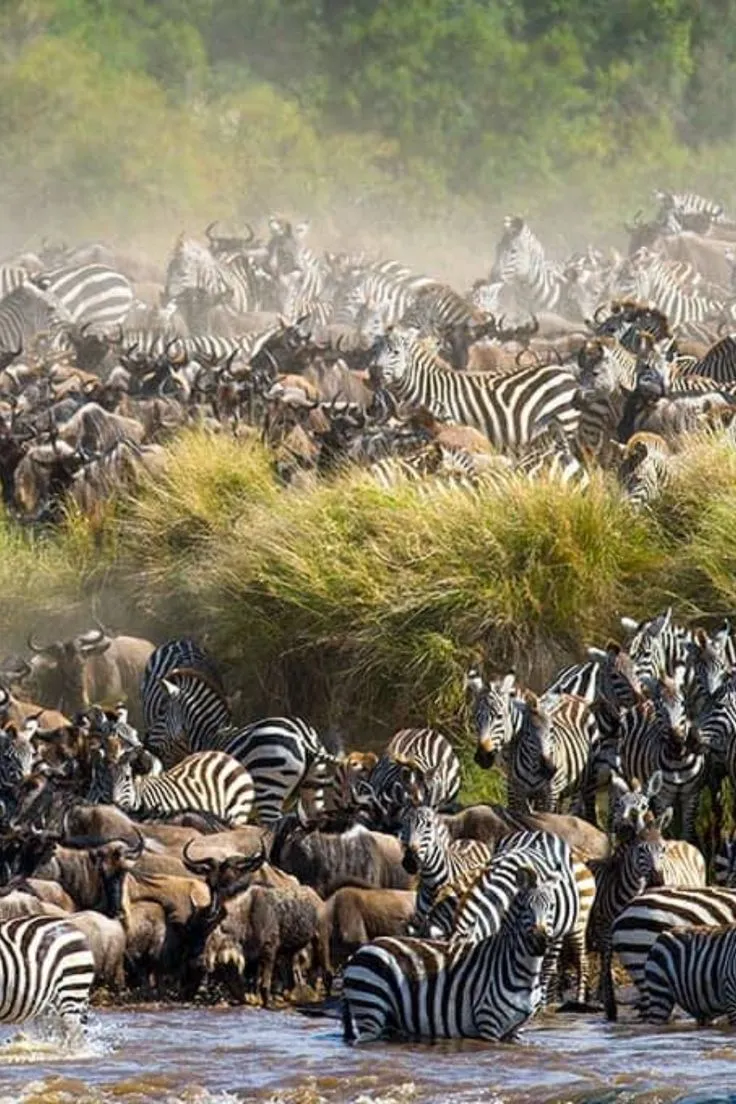
The Big Draw: Migration Season (July – October)
This is Masai Mara’s most famous period. Large herds of wildebeest and zebra move into the Mara ecosystem from the Serengeti, followed closely by predators.
Why travellers come
- Possible Mara River crossings
- Dramatic predator–prey interactions
- Dry conditions and open grasslands
This season is the primary reason Masai Mara appears on many “top safari destinations” lists worldwide, as recognised by global wildlife authorities and conservation bodies. For migration planning, see Great Migration Dates in 2026 .
Lion Time: The ‘Lion Season’ (January – March)
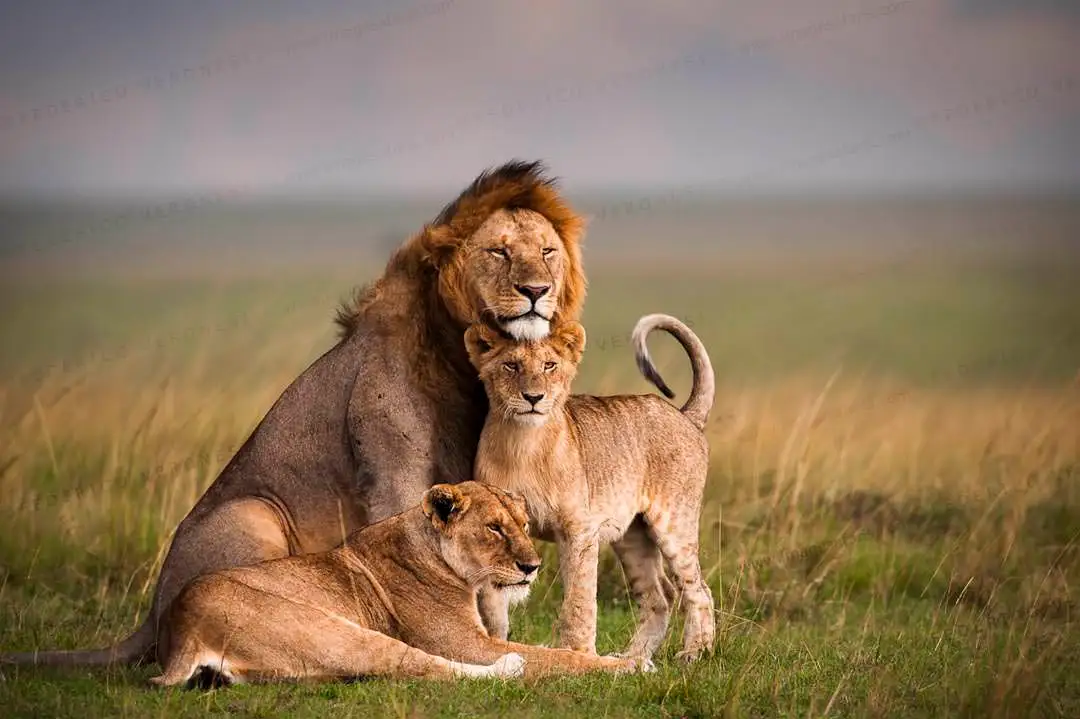
While there is no official migration during these months, wildlife viewing is exceptional. Resident predators dominate sightings, and prey animals are plentiful.
Why travellers come
- High density of lions, cheetahs, and leopards
- Newborn animals and frequent hunting activity
- Warm, dry conditions with fewer vehicles
Many experienced safari planners consider this the best overall balance of wildlife, comfort, and cost, especially when paired with luxury Masai Mara safari packages .
The Photographer’s Delight: The Green Season (April – May)
This is the long-rains period, when the Mara transforms into a lush, green landscape.
Why travellers come
- Dramatic skies and fresh landscapes
- Excellent birdlife
- Very low tourist numbers
Although rain occurs, it is usually intermittent rather than continuous, making this season ideal for slow-paced safaris and photography-focused trips.
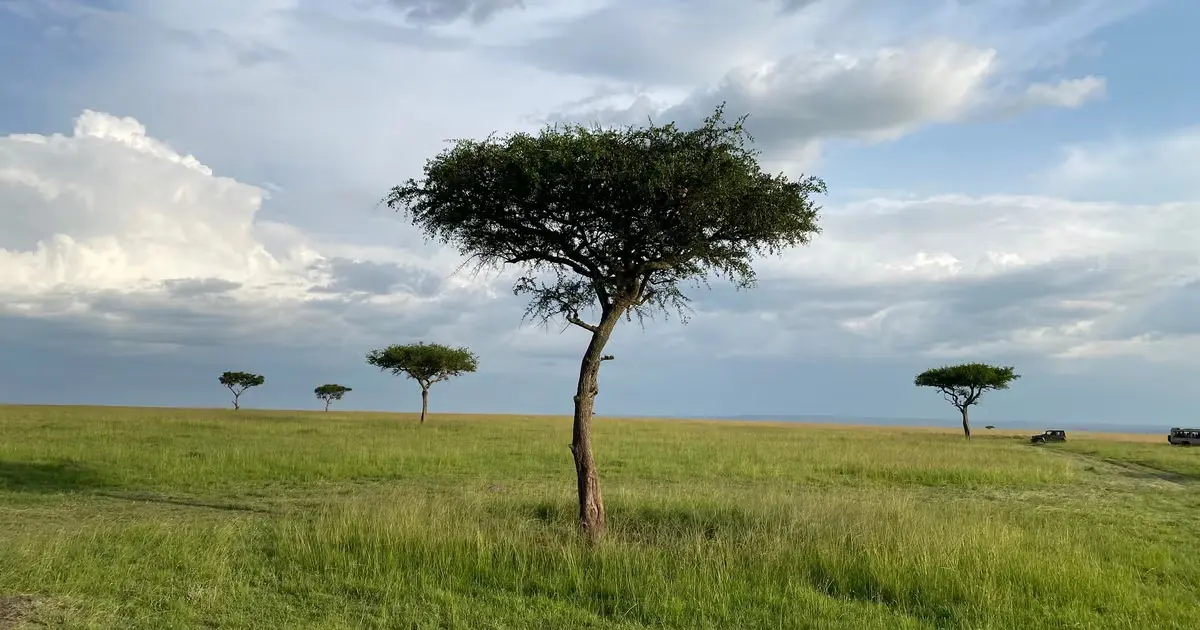
Best Time to Visit Masai Mara in 2026
| Months | Key Conditions & Experience |
|---|---|
| January & February | Dry, excellent wildlife, low crowds |
| March | Transition month, warming temperatures |
| April & May | Long rains, green season, lowest prices |
| June | Drying out, improving conditions |
| July – October | Migration period, peak safari season |
| November & December | Short rains, mixed conditions, festive travel |
Dry Season vs Rainy Season in Masai Mara
Dry Season (June – October)
Why it’s good
- Easier wildlife spotting around water sources
- Dry roads and comfortable game drives
- Best chance of migration sightings
Why it can be challenging
- Higher prices
- More safari vehicles during peak months
- Lodges book out early
Rainy Season (November – May)
Why it’s good
- Fewer tourists
- Lower safari costs
- Lush scenery and strong birdlife
Why it can be challenging
- Occasional rain affecting drives
- Some lodges close temporarily in April–May
What to Expect in Masai Mara: Month by Month (2026)
January & February: Great for Action
- Weather: Warm, mostly dry
- Wildlife: Excellent predator sightings, newborn animals
- Crowds: Low
- Best for: Wildlife enthusiasts, photographers, honeymooners
March: Transition Period
- Weather: Warmer, occasional showers
- Wildlife: Still strong, good predator activity
- Crowds: Moderate
- Best for: Travellers seeking balance
April & May: Wettest Period
- Weather: Long rains, lush greenery
- Wildlife: Resident animals, outstanding birdlife
- Crowds: Very low
- Best for: Budget travellers, photographers, long stays
June: Start of the Dry Season
- Weather: Drying conditions, cooler mornings
- Wildlife: Improving visibility
- Crowds: Low
- Best for: Families and relaxed safaris
July – October: Safari Prime Time
- Weather: Dry, clear skies
- Wildlife: Migration herds, possible river crossings
- Crowds: High to very high
- Best for: First-time safari travellers, migration seekers
November & December: Short Rains
- Weather: Short, light rains
- Wildlife: Resident wildlife remains strong
- Crowds: Low to medium
- Best for: Value-focused travellers, festive trips
Weather in Masai Mara (2026)
- Day temperatures: ~20°C – 30°C
- Early mornings & nights: Cool, especially June–August
- Rainfall: Mostly April–May; lighter rains in November
Does the Best Time Affect Safari Cost?
- Peak season (Jul–Oct): Highest lodge and flight prices
- Shoulder season (Jan–Mar): Best value-to-experience ratio
- Low season (Apr–May): Lowest prices and quietest parks
Cost considerations for Indian travellers are explained in our Masai Mara Cost from India in 2026 planning guide.
Best Time to Visit Masai Mara Based on Your Travel Style
- Wildlife Enthusiasts: January–March or July–October
- Photographers: August–September (action), April–May (landscapes)
- Honeymooners: January–March or June
- Families: January, February, or June
- Luxury Travellers: January–March for space and service
Lodges & Experiences to Book Early for Peak Season
- Elewana Sand River Mara
- JW Marriott Masai Mara
- Fairmont Masai Mara
- Hot Air Balloon Safari Masai Mara
Final Thoughts: When Should You Visit Masai Mara in 2026?
- Want migration drama? → August–September
- Want fewer crowds + great wildlife? → February
- Want value & quiet? → May or June
Plan Your Masai Mara Safari for 2026
- Explore Masai Mara Safari Packages from India
- Plan travel logistics
- Speak with our safari specialists
Explore More Luxury Travel Packages
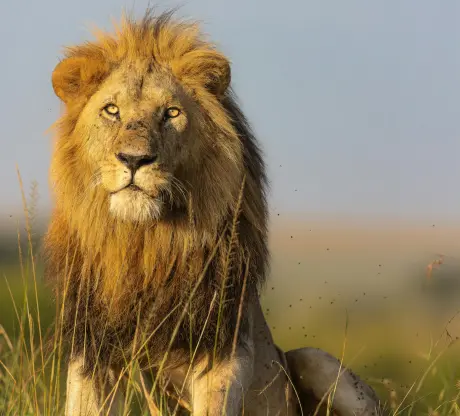 4D/3N
4D/3N Great Migration Package
Explore Package
4D/3N
4D/3N Great Migration Package
Explore Package
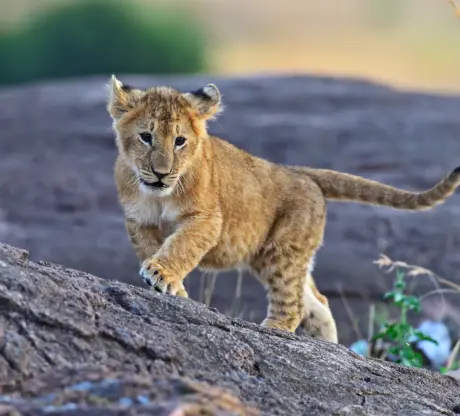 5D/4N
5D/4N Luxury Masai Mara Tour
Explore Package
5D/4N
5D/4N Luxury Masai Mara Tour
Explore Package
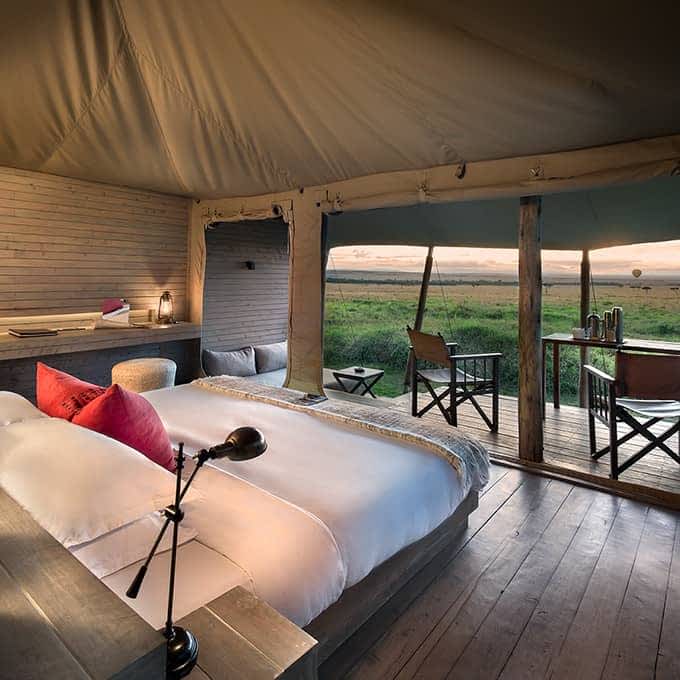 7 Days
7-Day Luxury Masai Mara Itinerary for Bangalore Couples
Explore Package
7 Days
7-Day Luxury Masai Mara Itinerary for Bangalore Couples
Explore Package
Best Time to Visit Masai Mara – FAQs (2026)
There is no single “best” time for everyone. July–October is best for the Great Migration, January–March offers excellent wildlife with fewer crowds, and April–May is ideal for quiet, budget-friendly safaris. The best time depends on whether you prioritise migration action, comfort, cost, or photography.
No. The Great Migration is a natural wildlife movement, not a fixed event. While July–October offers the highest probability of seeing large herds and possible river crossings, exact timing and locations vary year to year.
Yes, absolutely. Masai Mara has strong resident wildlife year-round, including lions, leopards, elephants, and buffalo. Many travellers find January–March especially rewarding due to fewer vehicles and excellent predator sightings.
The long rains typically occur in April and May. Rainfall is usually intermittent rather than constant, but some days may limit long game drives. This period offers lush landscapes and the lowest safari prices.
Yes. Safaris operate year-round. During the rainy season, wildlife viewing continues, roads may be muddy in places, and some lodges may close temporarily. This season suits travellers who value peace, greenery, and lower costs.
It depends on the style of photography. August–September is best for action shots and migration scenes, April–May for dramatic skies and green landscapes, and January–February for clean light and active big cats.
The lowest crowd levels are typically in April and May (long rains), early June, and November (short rains). Peak crowd levels occur in August and September.
Yes, but some months are more comfortable for families. January, February, and June offer good weather, fewer crowds, and smoother travel logistics.
Yes. July–October has the highest prices, January–March offers the best value-to-experience ratio, and April–May has the lowest safari costs. Choosing the right season can significantly reduce expenses.
For July–September travel, it’s recommended to book 6–9 months in advance, especially for popular lodges and experiences like hot air balloon safaris. Shoulder and low seasons require less advance planning.