
Great Migration Dates in 2026: Month-by-Month Guide for Masai Mara Safaris
The Great Migration is one of the most extraordinary wildlife phenomena on Earth. Every year, more than 1.5 million wildebeest, along with zebras and antelopes, move in a continuous loop across the Serengeti Mara ecosystem in search of fresh grazing. Between July and October, this movement reaches Kenya’s Masai Mara bringing dramatic river crossings, intense predator prey encounters, and some of the most iconic safari moments in Africa. If you are planning a safari in 2026, understanding when to go, what you are likely to see each month, and who each period suits best is essential.
If you are new to safari travel, it helps to first understand the geography, wildlife zones, and seasonal movement patterns of the Masai Mara destination before planning your Great Migration safari.
Great Migration safari planning benefits from the perspective of a trusted travel agency for Africa .
When Is the Great Migration in Masai Mara in 2026?
Important reality check: The Great Migration does not follow fixed calendar dates. Herd movement depends on rainfall, grass availability, and natural behaviour, not tourism schedules.
What Is the Great Migration?
The Great Migration is not a single event, but a year-round circular movement across northern Tanzania and southern Kenya. When herds enter the Masai Mara, the landscape becomes a stage for:
- Large-scale grazing movements
- Predator concentrations (lions, cheetahs, leopards)
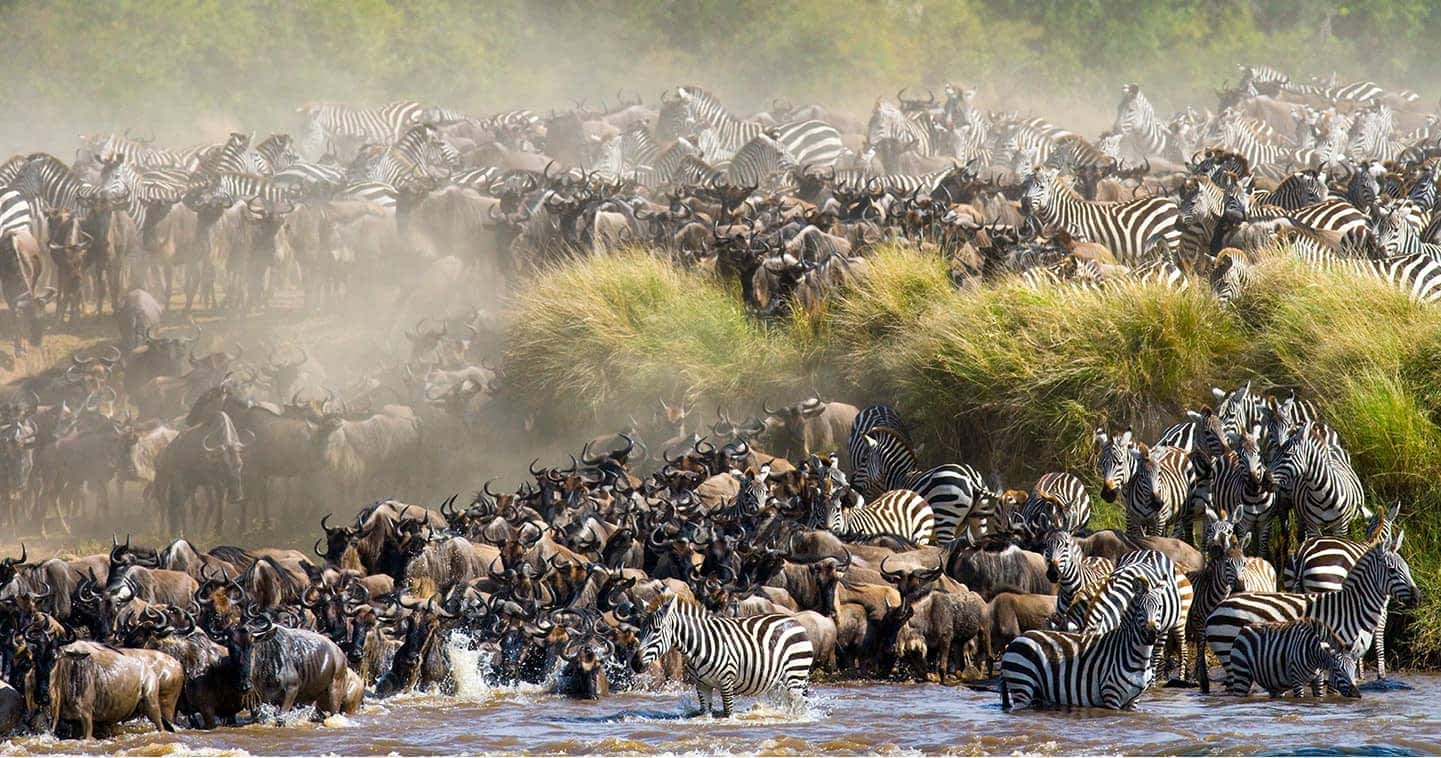
- River crossings involving strong currents and crocodile populations
The Masai Mara phase is especially famous because of its compressed geography, which increases the intensity of wildlife interactions.
Why Timing Matters More Than Luxury Alone
According to guidance followed by the Kenya Wildlife Service , wildlife movement is natural and unmanaged. This means:
- Being in the right region at the right time matters more than hotel star ratings
- Staying longer improves your chances more than chasing “guaranteed” crossings
- Patience and flexibility are part of the experience
Great Migration in Masai Mara: Month-by-Month (2026)
July 2026 – Migration Arrival Phase
What’s happening
- Early herds begin moving into northern Serengeti and southern Masai Mara
- Occasional early river crossings may occur, but are not consistent
Why visit in July
- Lower crowd levels compared to August
- Fresh grazing attracts predators
- Cooler, dry weather begins
Who should go
- First-time safari travellers
- Photographers who prefer space
- Couples seeking a calmer migration experience
Cost impact
- High season pricing begins, but still lower than August
Best-fit itinerary
August 2026 – Peak Migration & Highest Drama
What’s happening
- Large herds fully established inside Masai Mara
- Frequent, but unpredictable, Mara River crossings
- High predator density around crossing points
Why visit in August
- Highest probability of dramatic wildlife action
- Iconic safari imagery (crossings, dust, predators)
Trade-offs
- Peak crowds
- Highest lodge and flight prices
- Popular areas can become congested
Who should go
- First-time Africa travellers who want the “classic” migration
- Wildlife enthusiasts chasing iconic moments
Who should avoid
- Travellers seeking solitude or privacy
Cost impact
- Highest prices of the year
- Advance booking essential
Best-fit itinerary
September 2026 – Sustained Migration with Slightly Fewer Crowds
What’s happening
- Continued crossings (still unpredictable)
- Herds spread across a wider area of the reserve
Why visit in September
- Migration still very active
- Slightly fewer vehicles than August
- Excellent predator sightings
Who should go
- Repeat safari travellers
- Serious photographers
- Travellers staying 4–5 nights
Cost impact
- Still peak pricing, but sometimes marginally softer than August
Best-fit itinerary
October 2026 – Migration Exit & Balance Phase
What’s happening
- Herds begin moving back toward the Serengeti
- Resident wildlife remains abundant
Why visit in October
- Fewer crowds
- Calmer safari rhythm
- Still strong wildlife sightings
Who should go
- Luxury travellers
- Couples and honeymooners
- Families with older children
Cost impact
- Prices begin to soften compared to August–September
Recommended itinerary
Are River Crossings Guaranteed?
No. River crossings are unpredictable. Herds may wait hours or days before crossing, and sometimes cross multiple times in one day or not at all.
How to improve your chances
- Stay 4 nights or more
- Choose a lodge close to known river corridors
- Travel with flexible game drive schedules
Best Safari Duration for the Great Migration
| Stay Length | Migration Viewing Success |
|---|---|
| 2 nights | Low |
| 3 nights | Moderate |
| 4 nights | High |
| 5+ nights | Very High |
Longer stays matter more than exact dates.
Best Months by Traveller Type
Couples & Honeymooners
Best months: Late July or October
- Fewer crowds than peak
- Romantic lodge atmosphere
- More privacy during game drives
Families with Children
Best months: July or October
- Dry weather = smoother game drives
- Better road conditions
- Less fatigue than peak August congestion
Photographers
Best months: August & September
- Highest action probability
- Dust, crossings, predator interactions
- Best light conditions during dry season
Budget Conscious Travellers
Best migration-window option: Late July or early October
- Migration presence with slightly lower costs than August
Does the Great Migration Affect Safari Costs?
Yes, significantly.
- August–September: Highest prices, limited availability
- Late July & October: Better value within migration season
- Non-migration months: Lower prices, quieter parks
A full safari cost breakdown is available in Masai Mara Cost from India in 2026 Planning guide.
Migration Season vs Non-Migration Season
| Aspect | Migration Season | Non-Migration Season |
|---|---|---|
| Wildlife drama | Extremely high | Moderate |
| Crowds | High | Low–Medium |
| Cost | High | Lower |
| Predictability | Low | High |
Masai Mara delivers excellent wildlife all year, not only during migration. For a full seasonal overview, also read Best Time to Visit Masai Mara in 2026 .
Final Thoughts for Great Migration 2026
- Best overall months: August & September
- Best value migration window: Late July or early October
- Best success strategy: Stay 4–5 nights with flexible game drives
The Great Migration is not a scheduled event, and no two days in Masai Mara look the same. Choosing the right month improves your odds, but itinerary length, lodge location, and guide flexibility ultimately determine how immersive your experience feels. Travellers who allow time for patience and adaptation consistently report richer wildlife encounters.
Once your preferred travel window is clear, you can review thoughtfully designed Masai Mara Safari Packages from India , which align seasonal movement with realistic pacing and lodge positioning.
Great Migration in Masai Mara – FAQs (2026)
The Great Migration is expected in Masai Mara from late July to October 2026. The highest chances of river crossings are usually in August and September, though exact timing varies each year.
No. River crossings are not guaranteed. They depend on rainfall, herd movement, and natural behaviour. Some days may have multiple crossings, while other days may have none.
August and September offer the highest probability of dramatic river crossings, but they also come with higher crowds and peak-season prices.
Staying longer significantly improves your chances. A 3-night stay offers a moderate chance, 4 nights a high chance, and 5 or more nights a very high chance. Duration matters more than exact travel dates.
Yes. The Great Migration is ideal for first-time Africa visitors seeking dramatic wildlife behaviour. However, expectations should remain realistic, as crossings are unpredictable.
Late July or October works best for couples, offering migration presence with fewer crowds than August and a more private, relaxed lodge atmosphere.
July or October is ideal for families due to dry weather, better road conditions, and less congestion compared to peak August. Private vehicles are recommended for comfort.
Yes. Migration months are peak pricing periods. August and September have the highest costs, while late July and October offer better value within the migration season. Lodges often sell out early.
Absolutely. Masai Mara has excellent resident wildlife year-round, including lions, leopards, elephants, and cheetahs. Many travellers prefer non-migration months due to fewer vehicles and lower costs.
The biggest mistake is planning too short a stay and expecting guaranteed river crossings. A relaxed itinerary, flexible game drives, and patience lead to the best migration experience.