
01
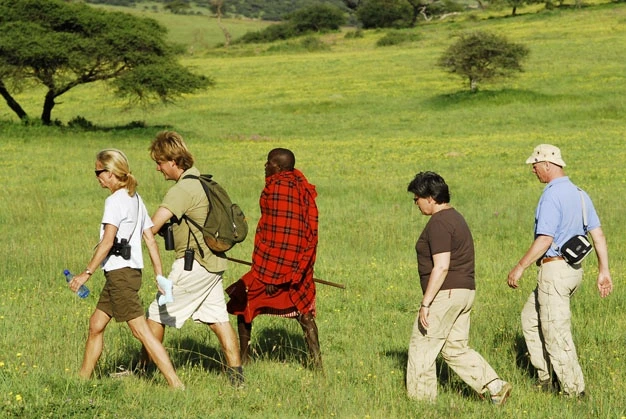
Movement Driven Trekking
Hours spent reading terrain, weather, and herd behaviour with expert guides.
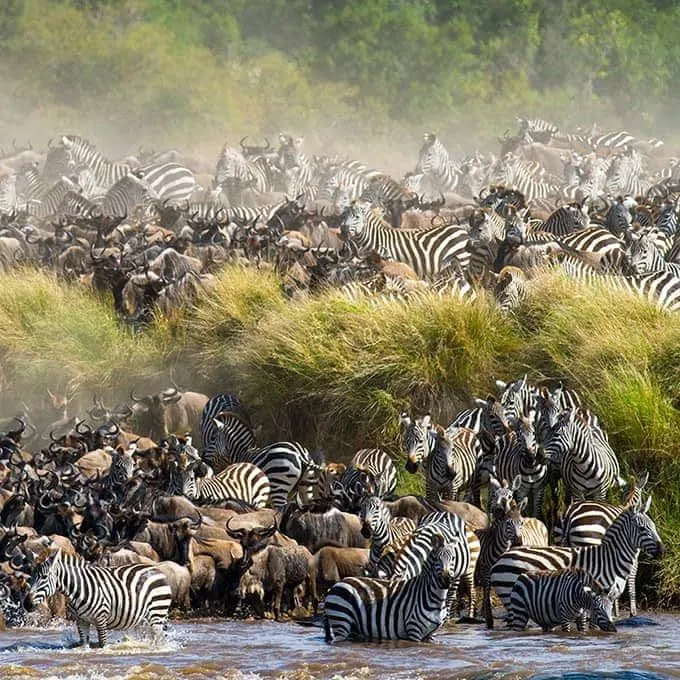
An immersive front-row journey into nature’s greatest spectacle.
The Great Migration safari is not just a wildlife experience, it is a front row seat to one of the most powerful natural events on Earth. Every year, vast herds of wildebeest and zebra move across East Africa in search of grazing, and the Masai Mara becomes the stage for dramatic predator-prey interactions, river crossings, and raw wilderness.
This experience is movement-driven, unscripted, and time-sensitive, making it fundamentally different from standard game drives in Masai Mara. No two days look the same, what you see depends on rainfall, grass conditions, herd movement, and the decisions of wild animals.
The Great Migration follows seasonal patterns across East Africa. Explore the Masai Mara destination before finalising your migration safari.
Planning a migration safari benefits from insights shared by a travel agency for Masai Mara , where timing, river locations, and herd movement play a critical role in shaping each day’s experience.
This experience is curated by our international travel agency in Gurgaon , with on-ground partners in Kenya.
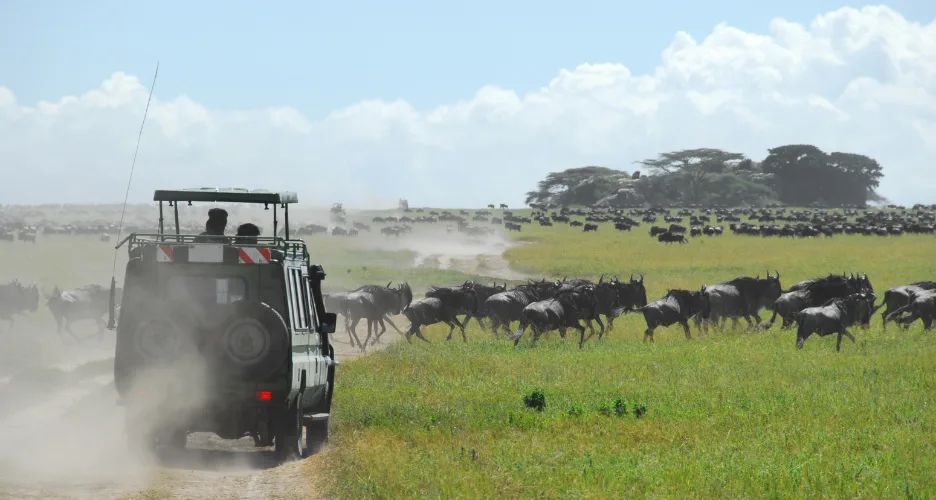
Proximity to movement corridors can define your sightings
Positioned for an immersive Mara stay with access to wildlife-rich areas.
Explore stay detailsA classic riverside safari base suited to migration-season itineraries.
Contemporary luxury with strong access to the wider Masai Mara ecosystem.
Explore stay detailsA migration safari feels intense, unpredictable, and deeply immersive
Hours spent reading terrain, weather, and herd behaviour with expert guides.
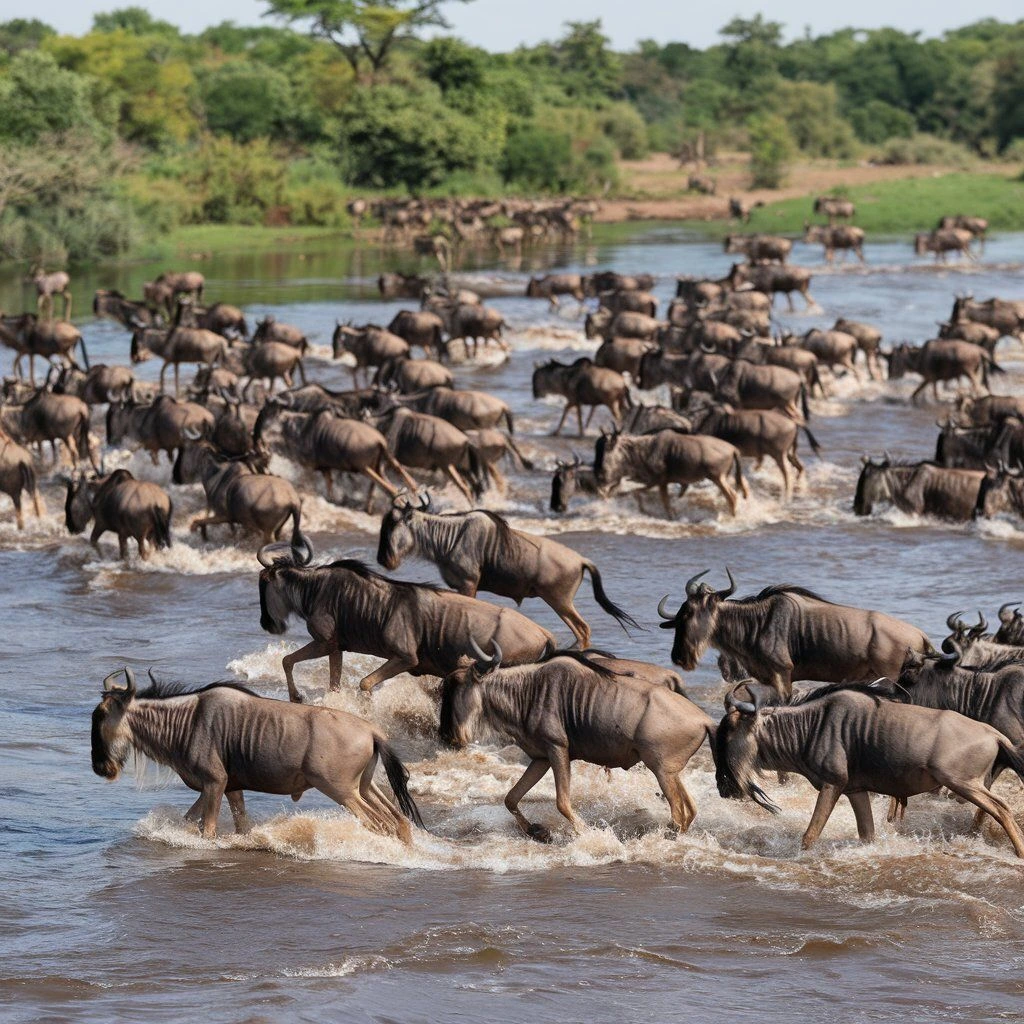
Long pauses near rivers — waiting in stillness for a crossing decision.
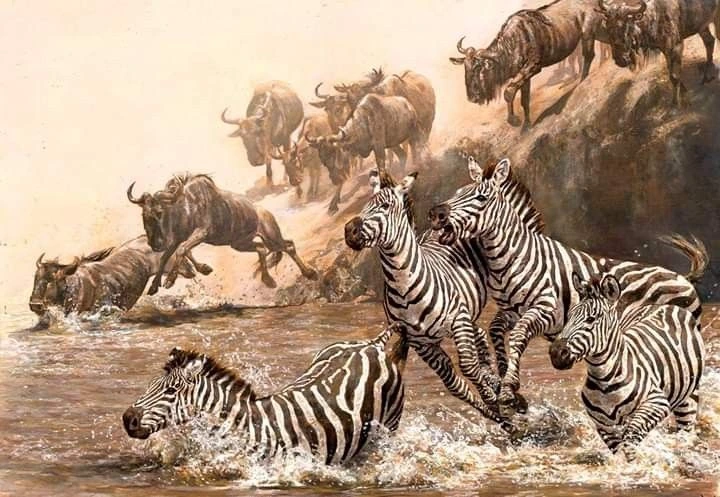
Sudden bursts of action — dramatic crossings that can happen in minutes.
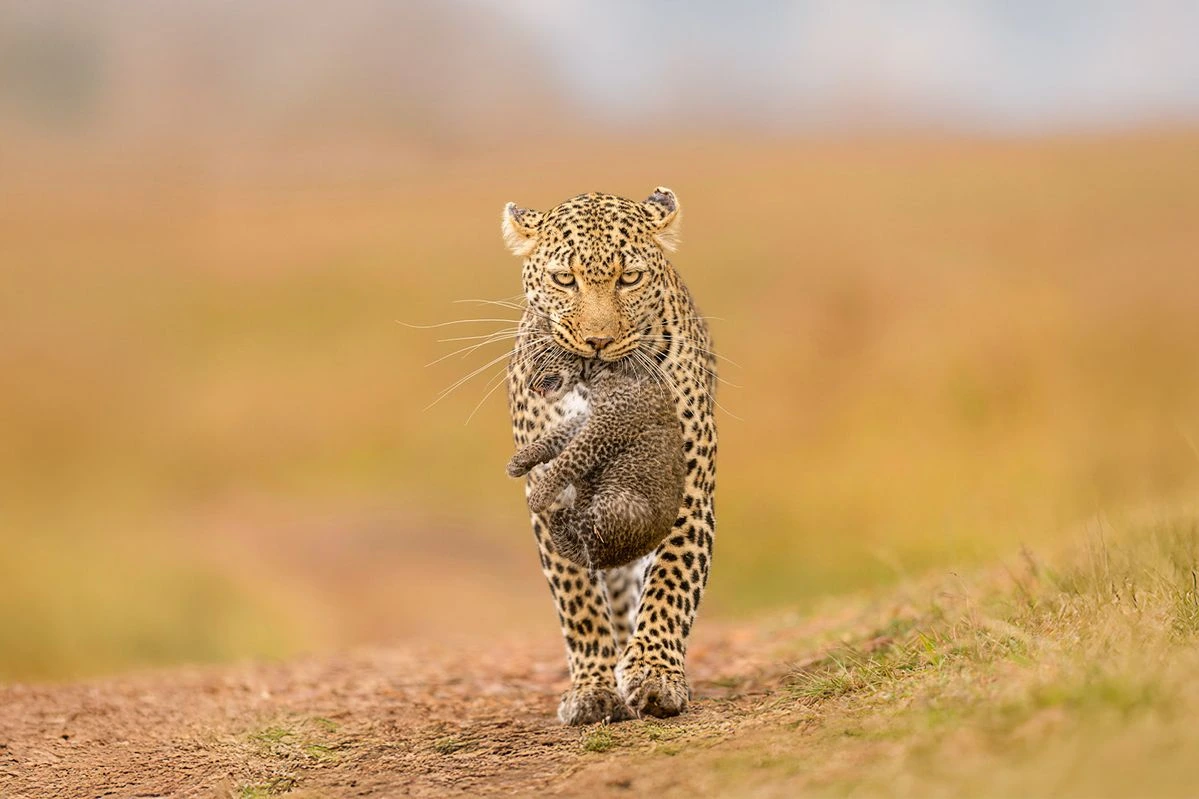
Chases and predator-prey interactions are more frequent when herds are present.
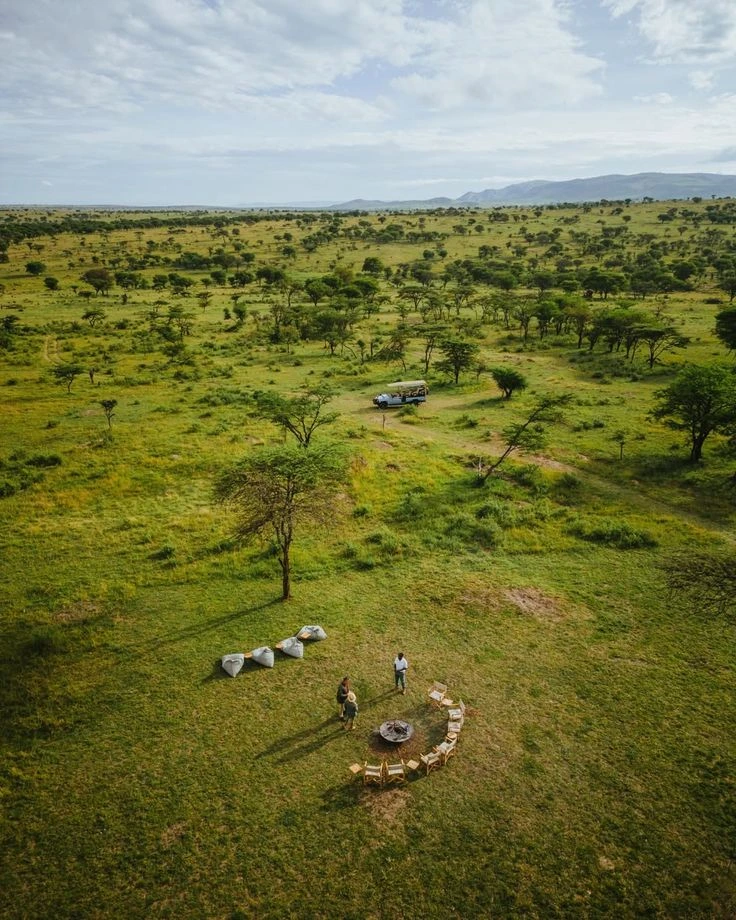
As herds move, your safari areas shift across regions — every day feels different.
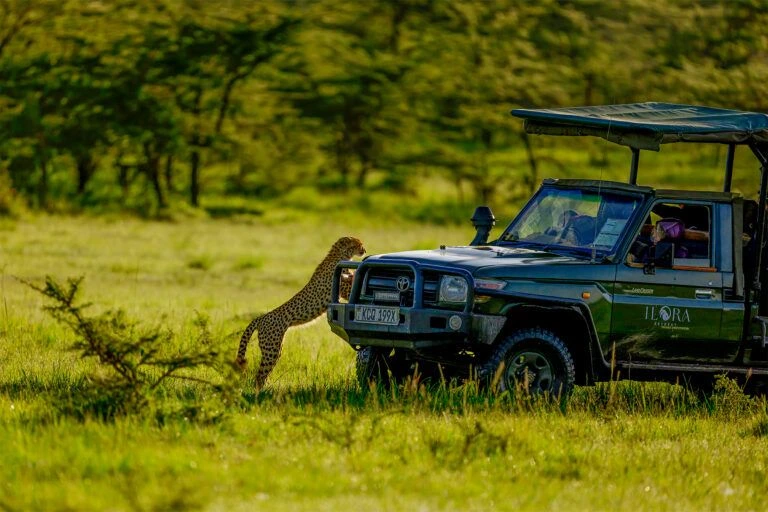
This is wildlife behaviour, not a zoo-like experience — unpredictable and real.
References to understand the migration’s scale and ecosystem impact
Wider context of the Great Migration across East Africa.
Read referenceConservation-focused overview and ecosystem significance.
Read referenceIndependent listing reference for migration-focused stays in Masai Mara.
View referenceMigration safaris are time-sensitive — planning matters
July to October is when the migration typically enters Masai Mara (timing varies with rainfall).
Crossings are never guaranteed — herds may wait hours (or days) before attempting.
Rainfall, grass conditions, and real-time herd movement — flexibility improves outcomes.
During migration, location beats opulence. Camps near river systems offer better odds than distant lodges.
Great Migration dates in 2026, Best time to visit Masai Mara in 2026
Build a buffer day if possible — even small timing shifts can change the migration zone.
 4D/3N
4D/3N
 5D/4N
5D/4N
 VIP
VIP
The Great Migration safari offers a front-row view of massive wildebeest and zebra herds moving across East Africa, creating dramatic river crossings and predator-prey encounters in Masai Mara.
The migration typically enters Masai Mara between July and October, although exact timing varies depending on rainfall and grazing conditions.
No. River crossings are unpredictable because herds may wait hours or even days before deciding to cross.
Migration safaris are movement-driven and unscripted, where sightings depend on herd movement, weather patterns, and real-time wildlife behaviour.
Staying near river systems and migration corridors improves the chances of witnessing herd movement and river crossings.
Let our safari specialists design a custom Masai Mara tour tailored to your dates, preferences, and travel style.