
Masai Mara Safari Guide
A Complete Destination Overview for Safari Travelers
Masai Mara Safari Guide: A Complete Destination Overview
The Masai Mara National Reserve is one of the most wildlife-rich and iconic safari destinations in the world. Located in south-western Kenya, it forms the northern extension of the greater Serengeti ecosystem and is known for its vast savannahs, dramatic skies, exceptional predator density, and the annual Great Migration.
For travelers planning a safari from India, the Masai Mara offers a rare advantage consistently outstanding wildlife sightings across most of the year, combined with a wide range of safari styles, from classic game drives to ultra-luxury private conservancy experiences. If you’re planning logistics, start with how to reach Masai Mara from India and keep your budget realistic using the Masai Mara cost guide from India.
This destination guide explains the Masai Mara in depth, covering its ecosystem, wildlife, seasons, migration patterns, and how to choose the right safari experience based on your travel goals. For cultural context that many first-time visitors miss, explore Masai culture guide 2026, including who the Masai people are and what life inside a Masai village looks like.
Insights are drawn from the experience of a trusted travel agency for Masai Mara , focused on timing, zones, and overall safari quality.
Every detail in this guide is informed by the planning philosophy of our international travel agency in Gurgaon , known for crafting refined African safari experiences.
What Is Masai Mara?
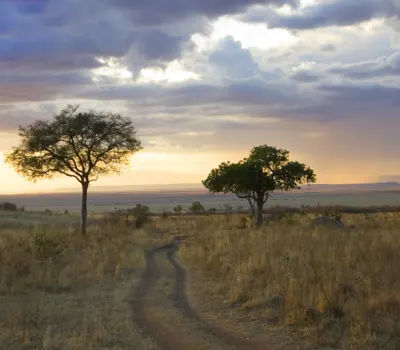
The Masai Mara is a protected wildlife reserve spanning approximately 1,510 square kilometers of rolling grasslands, seasonal rivers, and acacia dotted plains. Situated along Kenya's border with Tanzania, it connects seamlessly with the Serengeti National Park, allowing wildlife to move freely across borders.
The Masai Mara forms part of a larger transboundary ecosystem that has been internationally recognised for its ecological importance and large scale wildlife migration patterns by UNESCO .
Its open terrain makes wildlife spotting easier compared to forested parks, which is why the Masai Mara is often recommended for first time safari travelers as well as photographers seeking unobstructed views and dramatic action scenes.
Spanning approximately 1,510 square kilometers along Kenya’s border with Tanzania, the Masai Mara connects directly with the Serengeti ecosystem, allowing seasonal wildlife movement across national boundaries, as documented in publicly available geographic records such as Wikipedia.
Wildlife Density & the Big Five
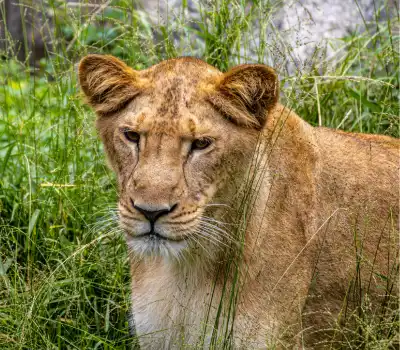
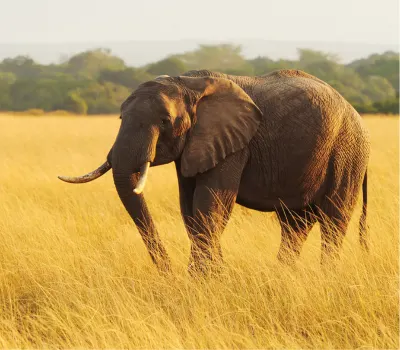
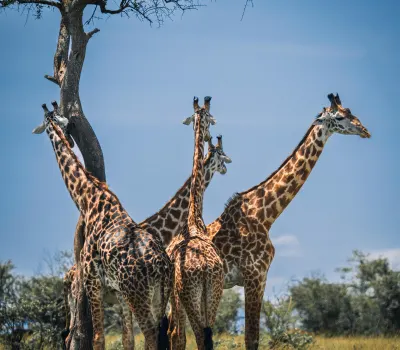
The Masai Mara is renowned not just for the number of animals, but for how frequently they are seen. The reserve is home to the Big Five — lions, leopards, elephants, buffaloes, and rhinoceros — with one of the highest lion densities in Africa.
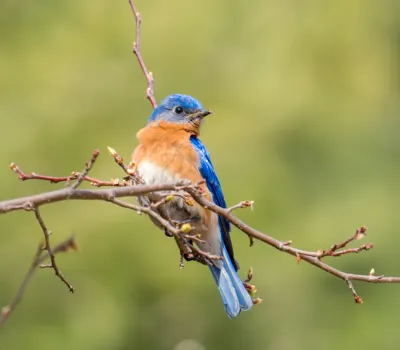
In addition to the Big Five, visitors commonly encounter cheetahs, giraffes, zebras, wildebeest, hippos, crocodiles, and over 450 species of birds. Because most wildlife is resident year-round, game viewing remains excellent even outside the migration season—use our Big Five animals Kenya guide and the wildlife seasons in Masai Mara overview to plan what you’re most likely to see.
The Great Migration & Masai Mara's Role
The Masai Mara plays a central role in the Great Wildebeest Migration, one of the most dramatic wildlife spectacles on Earth. Each year, more than 1.5 million wildebeest, along with zebras and gazelles, move between Tanzania's Serengeti and Kenya's Masai Mara in search of fresh grazing.
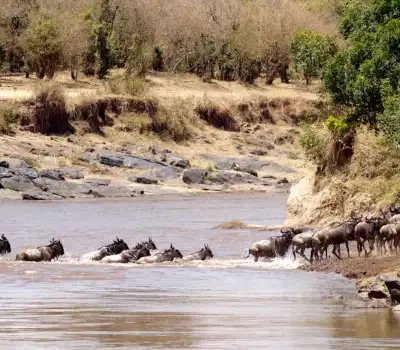
Between July and October, large herds enter the Masai Mara, often crossing the crocodile-filled Mara River — a defining moment for many safari travelers.
Seasons & Climate in Masai Mara
The dry season from June to October offers excellent wildlife visibility, shorter grass, and increased predator activity. This period is ideal for travelers focused on classic safari sightings and migration events—if you’re considering early dry season, see whether June is a good time to visit Masai Mara.
The green season from November to May brings lush landscapes, fewer crowds, and vibrant birdlife. Short rains usually fall between November and December, while longer rains occur from March to May and rarely affect overall safari quality.
The Mara River: Lifeline of the Ecosystem
The Mara River is the most important water source in the ecosystem and a defining feature of the Masai Mara. It sustains wildlife during dry months and creates natural gathering points for predators and prey alike.
Riverine areas are ideal for spotting elephants, hippos, crocodiles, and leopards resting in trees along the banks. During migration season, the river becomes the stage for dramatic crossings that define the Masai Mara safari experience.
National Reserve vs Private Conservancies
One of the most important decisions when planning a safari is choosing between the Masai Mara National Reserve and the surrounding private conservancies.
The national reserve provides access to famous wildlife zones and key migration areas but can become busy during peak months. Private conservancies offer a more exclusive experience with fewer vehicles, off-road driving, and activities such as walking safaris and night game drives.
Safari Experiences in Masai Mara
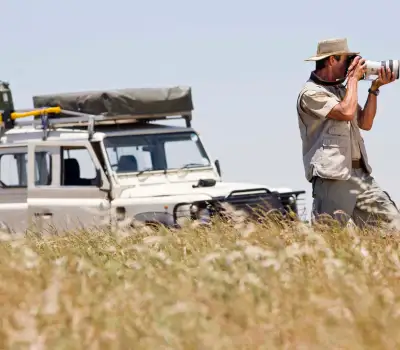
Beyond standard game drives, the Masai Mara offers a variety of distinctive safari experiences. Flexible and personalized wildlife tracking is possible through private jeep safaris.
Aerial views of the plains at sunrise can be enjoyed during hot air balloon safaris. In conservancy areas, guided walking safaris and cultural visits to Maasai villages add depth and context to the journey—before you go, it helps to understand how to visit a Masai village respectfully.
👉 Private Jeep Safari
👉 Hot Air Balloon Safari
👉 Photography Safari
Planning a Masai Mara Safari from India
Travelers from India typically fly into Nairobi before connecting to the Masai Mara by light aircraft. Important considerations include lodge selection, seasonal pricing, visa requirements, and overall travel logistics. According to official tourism guidance from the Kenya Tourism Board, the Masai Mara remains Kenya’s flagship safari destination due to its year-round wildlife density, well regulated reserve management, and strong tourism infrastructure.
The ideal length of stay depends on travel pace and expectations. A three-night safari offers a solid introduction, while four to five nights allow for a more relaxed pace and deeper exploration—use the Masai Mara itinerary guide to map days properly, and check Kenya visa requirements for Indians early.
Masai Mara Safari Guide – FAQs
What is Masai Mara famous for?
Masai Mara is famous for its high wildlife density, especially big cats, and for being a key stage of the Great Migration (July–October) with dramatic river crossings.
When is the best time to visit Masai Mara?
For most travellers, July to October is best (migration and peak sightings). If you prefer fewer crowds and pleasant weather, January to March is also excellent.
How many days are ideal for a Masai Mara safari?
A 3-night stay is a solid first safari. 4–5 nights is ideal for a relaxed pace, more game drives, and better chances of special sightings.
Should I stay inside the National Reserve or in a private conservancy?
The National Reserve is best for classic zones and migration action but can be busy in peak season. Private conservancies are more exclusive with fewer vehicles and may allow off-road and night drives.
Do I need a visa for Kenya from India?
Yes. Indian passport holders generally need a Kenya eVisa / online travel authorisation (depending on current Kenya rules). We guide you step-by-step during planning.
How do travellers from India reach Masai Mara?
Most travellers fly India to Nairobi, then either take a 45-minute flight to Masai Mara airstrips or travel by road (about 5–6 hours) depending on lodge location and budget.
What should I pack for Masai Mara?
Pack neutral-colour clothing, a light jacket for early mornings, comfortable shoes, sunscreen, sunglasses, insect repellent, and a camera/binoculars. Avoid bright colours for better wildlife viewing.
Is Masai Mara safe for tourists?
Yes, Masai Mara is safe when you travel with licensed operators and reputable lodges. Game drives follow strict rules and guides are trained for safety and wildlife behaviour.
Is Masai Mara suitable for families and first-time safari travellers?
Yes. Masai Mara is one of the best first safaris because wildlife viewing is easier due to open terrain, and many lodges offer family-friendly rooms and flexible schedules.
Do I need vaccines or malaria precautions for Masai Mara?
Many travellers take malaria precautions and follow medical guidance. Vaccine needs (like yellow fever) depend on your itinerary and transit countries. Always confirm with your doctor/clinic before travel.
Plan Your Masai Mara Tour
Let our safari specialists design a custom Masai Mara tour tailored to your dates, preferences, and travel style.
Contact Us