
Masai Mara Park vs Conservancies: Which Safari Experience Is Better in 2027?
Where you stay in the Mara shapes your safari as much as when you go. Many travellers call it “Masai Mara Park”, but officially it is the Masai Mara National Reserve, and it is ringed by private wildlife conservancies on Maasai-owned land. Both share the same animals, yet the rules, crowd levels and costs differ sharply. This guide explains the choice from a traveller's point of view, so you can match it to your safari style.
If you are new to safari travel, it helps to first understand the geography, wildlife zones, and seasonal movement patterns of the Masai Mara Park destination before comparing individual safari areas.
Choosing between reserve and conservancy safaris is often guided by the experience of a trusted travel agency for Africa .
Masai Mara Park or Conservancy?
What Is the Difference Between Masai Mara Park and Conservancies?
Masai Mara National Reserve
- Public protected area run by the Narok County Government; the western Mara Triangle is managed by the non-profit Mara Conservancy
- Open to all registered safari vehicles, and to self-drivers
- Home to the main Mara River crossing points
- Strict rules: no night drives, no off-road driving, no walking safaris
Private Conservancies
- Land owned by Maasai families and leased to conservancies, with lease payments going to landowners
- Lodge beds and vehicles are capped, and only guests of partner camps may drive there
- Flexible rules: night drives, walking safaris and, in many areas, off-road tracking
- Together larger than the reserve itself
According to the Maasai Mara Wildlife Conservancies Association, 24 conservancies now cover about 178,000 hectares and involve more than 16,000 Maasai landowners. Well-known names include Mara North, Olare Motorogi, Mara Naboisho and Ol Kinyei.
Safari Experience: How It Feels on the Ground
Safari Experience in Masai Mara Park
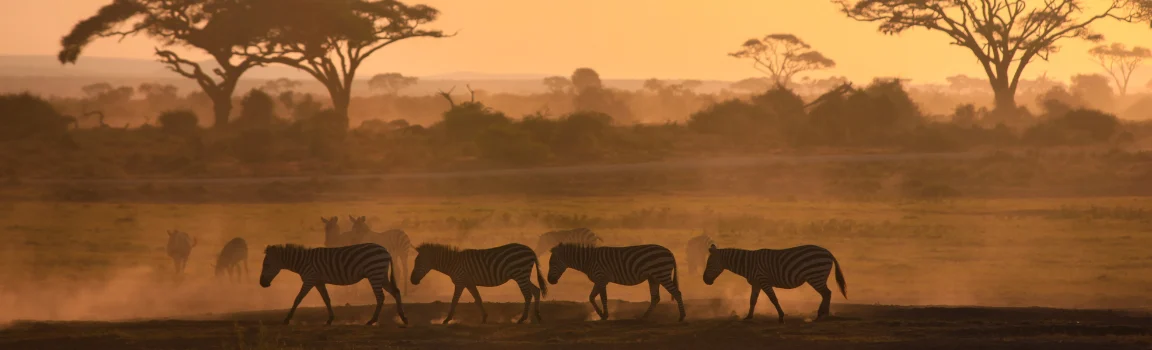
The reserve delivers the scene most travellers picture:
- Wide, open savannah
- Huge herds in migration season
- High-action predator sightings
- Dramatic river crossings
In August and September, crossing points and big cat sightings can attract many vehicles.
Best-suited itinerary:
Safari Experience in Conservancies
Conservancies offer a slower, more intimate safari:
- Rarely more than a handful of vehicles at a sighting
- Guides can follow animals off-road where permitted
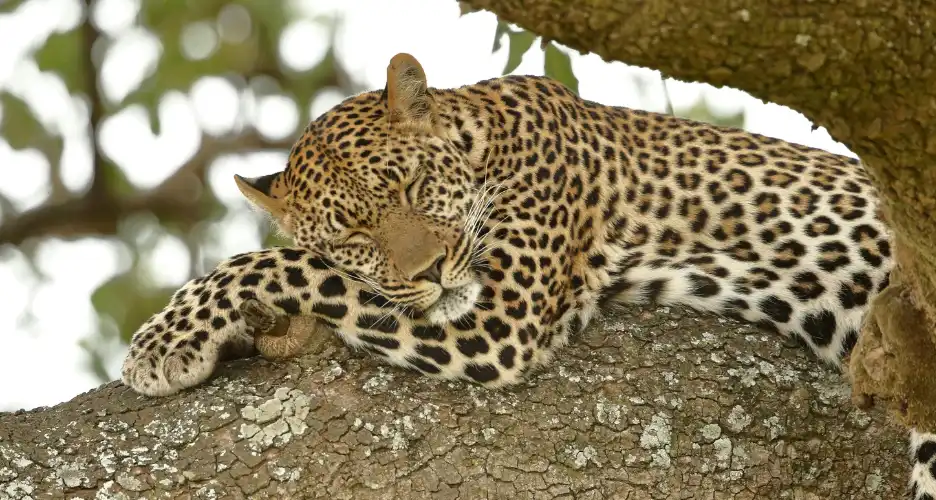
- Night drives reveal leopards, hyenas, aardvarks and bushbabies
- Time to watch behaviour, not just tick off species
The result feels like private wilderness, even in peak season.
For travellers prioritising privacy and space, this feeling is best achieved through luxury conservancy safari stays or a fully customised VIP ultra-luxury safari .
Wildlife Sightings: Quantity vs Quality
| Aspect | Masai Mara Park | Conservancies |
|---|---|---|
| Wildlife numbers | Very high | High; big cat densities are excellent in several conservancies |
| Migration access | Yes, including the main Mara River crossings | Herds often spill into northern conservancies from July to October; crossings mean a day trip into the reserve |
| Vehicle density | High in peak months | Very low, by design |
| Activities | Day game drives, hot air balloon flights | Day and night drives, walks, bush meals, cultural visits |
| Sighting style | Fast-paced | Behaviour-focused |
Understanding Big Five behaviour and sightings is essential when comparing safari areas, and our guide to Big Five Animals in Kenya provides helpful background. Timing matters too: see Great Migration Dates in 2027.
Can & Can’t: What You Are (and Aren’t) Allowed to Do
In Masai Mara National Reserve
CAN
- Game drives between 6 am and 6 pm
- Full-day drives with a picnic lunch near the river
- Hot air balloon flights at sunrise
- Self-drive in your own 4x4, though few visitors do
CANNOT
- Drive at night
- Leave marked tracks
- Walk outside camp boundaries
These rules protect wildlife and fragile grassland.
In Conservancies
CAN
- Night drives with spotlights
- Off-road tracking where conservancy rules allow
- Guided walks with Maasai rangers
- Bush breakfasts and sundowners away from other vehicles
LIMITS TO KNOW
- Access is for guests of partner camps only
- River crossings require a drive into the reserve
- Every activity is guided and regulated
Wildlife protection across Kenya is set out in national law and enforced by the Kenya Wildlife Service (KWS) , while day-to-day rules come from the reserve's managers and from each conservancy's own management.
Crowds & Exclusivity
- Masai Mara Park: busy at crossing points and big cat sightings from July to October
- Conservancies: vehicle caps keep sightings quiet all year
Best strategy: stay in a conservancy, plan one or two full days in the reserve for crossings, and avoid rushing.
Cost Comparison (2027)
| Cost Factor | Masai Mara Park | Conservancies |
|---|---|---|
| Daily fees | Reserve fee of USD 100 (January–June) or USD 200 (July–December) per non-resident adult | Nightly conservancy fee, usually built into the lodge rate; reserve fee is added only on days you enter the reserve |
| Lodge pricing | Wide range, from mid-range lodges to luxury camps | Mostly small, upmarket camps |
| What's usually included | Shared or private day drives | Drives, walks and night drives, often in the nightly rate |
| Overall safari cost | Moderate | Higher |
| Value | Scale and migration | Exclusivity and flexibility |
Conservancy fees go towards land leases, rangers and community projects, which is a large part of why rates run higher. For a realistic view of pricing, permits and what drives safari expenses, see Masai Mara Cost from India in 2027 .
Lodges & Stays: How They Differ
Lodges Inside the Reserve
- Elewana Sand River Masai Mara, in the quieter south
- JW Marriott Masai Mara Lodge, on the Talek River
- Governor's Camp, beside the Mara River
Conservancy Lodges
- Fairmont Mara Safari Club, in Ol Chorro Oirouwa Conservancy
- Lerai Safari Camp, in Olerai Conservancy
- Small tented camps across Mara North, Olare Motorogi and Naboisho
Which Is Better for You?
Choose Masai Mara Park if you:
- Want migration drama and river crossings
- Are on your first African safari
- Have limited time or a tighter budget
Choose a Conservancy if you:
- Value privacy and flexibility
- Want night drives, walks and off-road access
- Are a repeat safari traveller or photographer
Choose Both if you:
- Want the most complete safari
- Are celebrating a milestone trip
- Are travelling between July and October
Which Conservancy Should You Choose?
Not all conservancies are the same. Here is how travellers typically choose:
- Photographers & serious wildlife enthusiasts: conservancies with strict vehicle limits and off-road access, ideally on a photography safari
- Honeymooners & privacy seekers: small camps with few tents, as in our Masai Mara package for couples
- Families: camps with family tents and flexible drive times; check minimum ages for walks and night drives, and see our Masai Mara family package
- Migration chasers: northern conservancies close to the reserve, so crossing days are a short drive away
The right conservancy depends on travel month, budget and expectations, not just the name.
Safari Itinerary Scenarios
Option 1: Reserve-Only Safari (3 Nights)
Best for:
- First-timers
- Short trips
- Migration focus
Experience:
- High wildlife density
- Classic daytime game drives
Option 2: Conservancy-Only Safari (3 Nights)
Best for:
- Couples
- Repeat travellers
- Privacy seekers
Experience:
- Night drives
- Off-road tracking and walks
- Slow, immersive safaris
Option 3: Best of Both (4–5 Nights) – Recommended
2 nights in a conservancy + 2–3 nights in the reserve
Best for:
- Luxury travellers
- Honeymooners
- Once-in-a-lifetime trips
Experience:
- Exclusive sightings plus migration scale
- Balanced pacing
- Maximum value for time spent
Planning from Your City
Every one of these itineraries can start from your home airport. Our city pages cover flight routings, holiday timing and full trip costs, with reserve, conservancy or split stays built in.
| Departing from | Typical route to Nairobi | Package page |
|---|---|---|
| Delhi | One stop via a Gulf hub, about 11–14 hours | Masai Mara Tour Packages from Delhi |
| Mumbai | Non-stop, about 6 hours | Masai Mara Tour Packages from Mumbai |
| Bangalore | One stop via Mumbai or a Gulf hub | Masai Mara Tour Packages from Bangalore |
| Hyderabad | One stop via Mumbai or a Gulf hub | Masai Mara Tour Packages from Hyderabad |
| Kolkata | One stop via a Gulf hub or Mumbai, about 11–15 hours | Masai Mara Tour Packages from Kolkata |
Practical steps such as the Kenya eTA and yellow fever vaccine are covered in How to Travel from India to Masai Mara.
Safari Vehicles & Game-Drive Etiquette
Vehicles Used
- Reserve camps mostly use 4x4 Land Cruisers with pop-up roofs
- Conservancy camps often use open-sided 4x4s, better for photography
- Both are built for rough tracks and close viewing
Etiquette That Improves Your Safari
- Fewer vehicles mean better sightings, which is where conservancies excel
- Silence and patience matter more than speed
- Stay seated and keep voices low near animals
- A private vehicle lets you set the pace
Conservation & Community Impact
Conservancies were created so that wildlife pays its way on Maasai land. Tourism partners lease the land, and that income helps by:
- Preventing fencing and fragmentation of migration routes
- Funding rangers and habitat protection
- Providing steady lease income, bursaries and jobs for Maasai families
This model complements the reserve and strengthens long-term conservation across the wider Mara ecosystem.
Final Thoughts: Masai Mara Park vs Conservancies in 2027
- Masai Mara Park: iconic scale, dramatic predator action and the river crossings that define a classic African safari
- Conservancies: exclusivity, flexible rules, fewer vehicles and deeper, more immersive wildlife time
The two are complementary rather than competing. The reserve delivers the spectacle most first-time visitors associate with Africa, while conservancies focus on privacy, freedom of movement and meaningful encounters.
For the most complete safari in 2027, many travellers combine the open plains and migration drama of Masai Mara Safari Packages from India with the quieter, more personal encounters of a luxury conservancy safari , creating a journey that captures both scale and intimacy.
Masai Mara Park vs Conservancies – FAQs (2027)
Scale versus exclusivity. The reserve is a public protected area open to all registered vehicles, with the main river crossings. Conservancies are Maasai-owned lands leased for wildlife, where only partner camps operate, vehicles are capped, and night drives and walks are allowed.
Often, yes. Between July and October, herds frequently spread into the northern conservancies. River crossings, however, happen inside the reserve and the Mara Triangle, so conservancy guests usually take a full-day drive into the reserve to see them.
Not better, just different. Conservancies suit travellers who value quiet sightings, night drives and luxury pacing. The reserve suits first-timers and anyone focused on river crossings and classic, large-scale safari scenes.
Camps are small and limited in number, nightly conservancy fees fund land leases and rangers, and activities such as night drives and walks are often included. That exclusivity costs more, though it directly supports Maasai landowners and conservation.
No. Game drives in the reserve run between roughly 6 am and 6 pm. Night drives are available only in private conservancies, under each conservancy's rules.
Off-road driving is banned inside the reserve and the Mara Triangle. In many conservancies, guides may leave the track in designated areas to follow wildlife more closely.
The reserve charges non-resident adults USD 100 per day from January to June and USD 200 per day from July to December. Conservancy fees vary by conservancy and are usually built into the lodge rate. Conservancy guests pay the reserve fee only on days they drive into it.
The reserve is usually better for a first safari because sightings come fast, the landscapes are iconic and costs are lower. First-timers with a bigger budget often add one or two conservancy nights.
Yes, for families wanting calm, uncrowded drives and flexible timings. Some camps set minimum ages for walking safaris and night drives, so check before booking. The reserve may suit families with limited time.
Yes, and it is often the best approach. Two nights in a conservancy plus two or three in or near the reserve give you exclusivity and migration scale in a single itinerary.
Choose the reserve for river crossings, open plains and a classic safari feel. Choose a conservancy for privacy, night drives and slower luxury. If budget and time allow, combining both delivers the most complete experience.