
A visit to a Masai village offers one of the most immersive cultural experiences in East Africa. But beyond the surface of mud homes and red-clothed warriors lies a carefully structured community built on cooperation, livestock protection, and shared responsibility. Travelers booking a Masai Mara tour from Indore often include village visits to better understand how daily life functions within a traditional enkang.
If you want the full cultural background first, start with The Masai Tribe: Culture, History, Traditions & Modern Life in Kenya and Tanzania.
What Is a Masai Village?
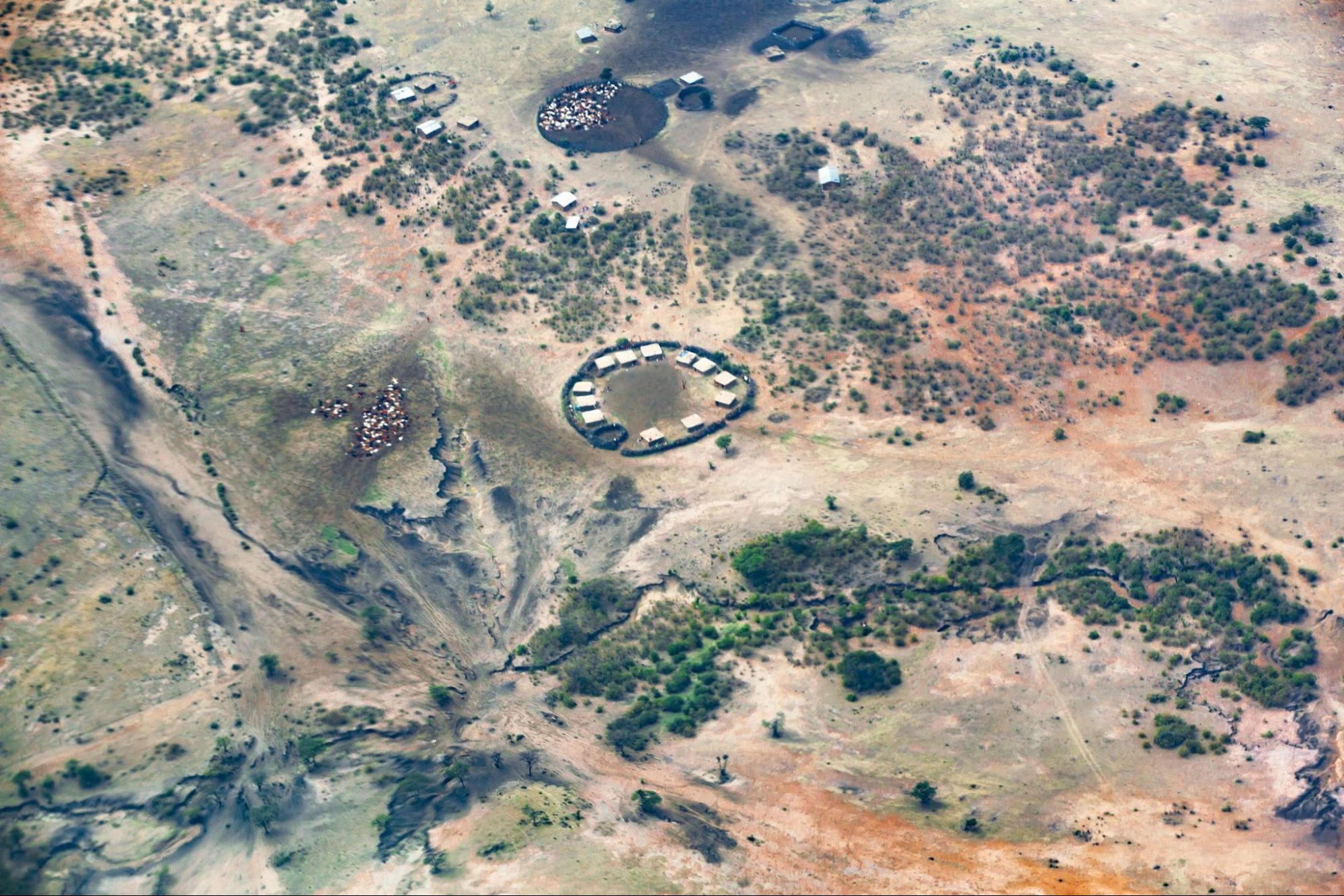
A traditional Masai village is called an enkang.
An enkang is:
- Circular in shape
- Surrounded by a thorn fence
- Built to protect livestock
- Designed for communal living
The thorn fence acts as a defensive barrier against predators such as lions and hyenas. You will find many villages near the Masai Mara National Reserve and surrounding conservancies.
What Is a Manyatta?
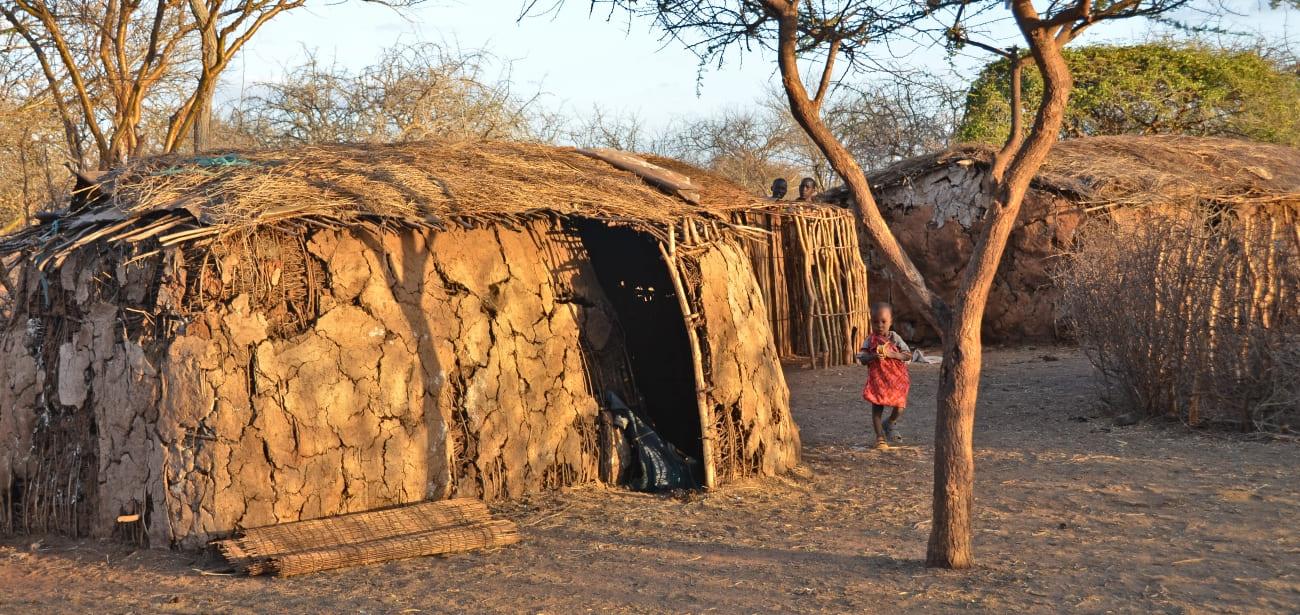
Within the enkang are individual homes called manyattas.
Manyattas are:
- Small, dome-shaped structures
- Built using sticks, mud, ash, and cow dung
- Constructed by women
- Designed for insulation against heat and cold
These homes are intentionally compact and practical, reflecting the Masai’s historically semi-nomadic lifestyle.
To understand how Masai society structures household roles, read Masai Social Structure: Age Sets, Warriors & Elders Explained.
Daily Life Inside a Masai Village
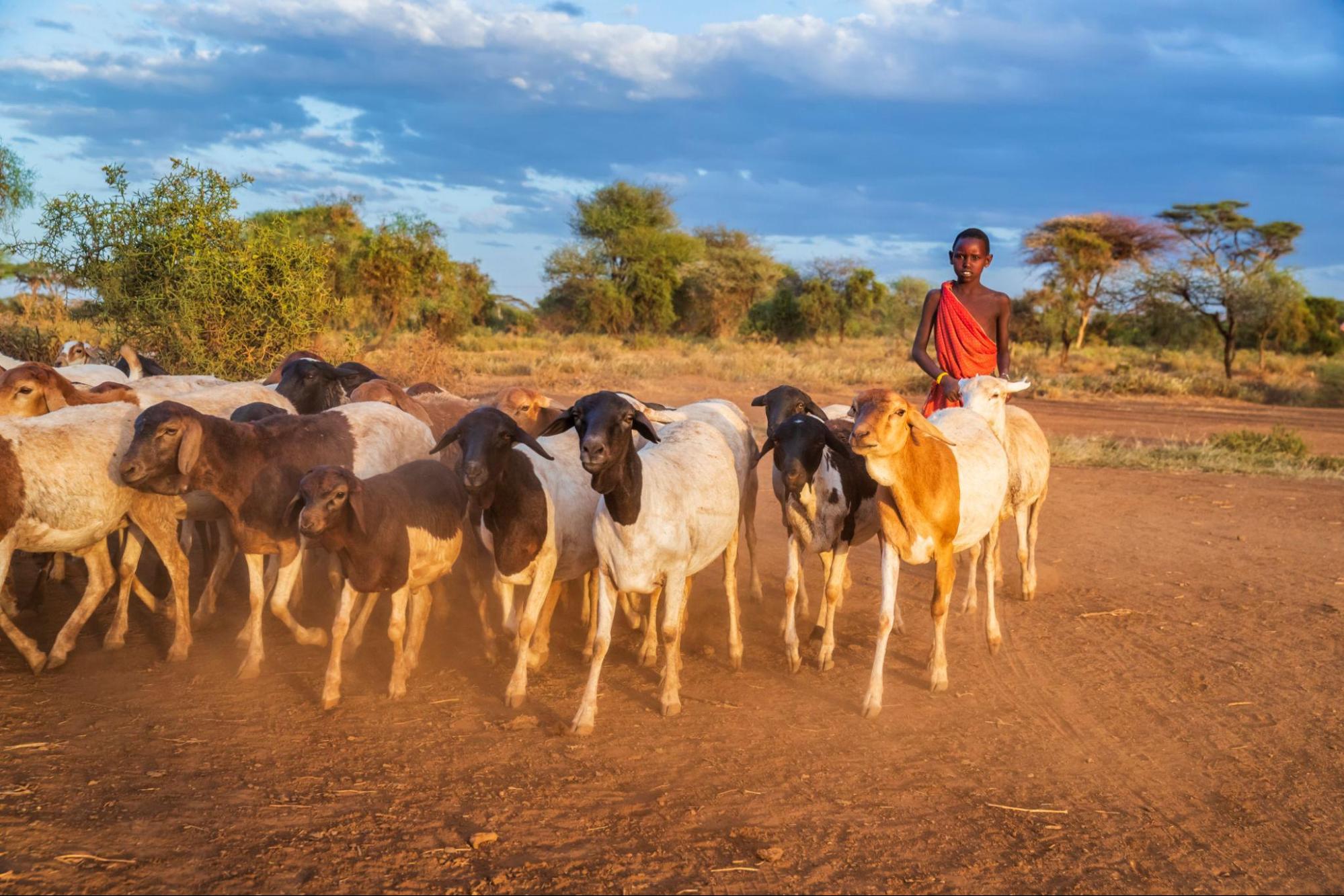
Life in a Masai village revolves around cattle and community.
Men (especially morans) focus on:
- Herding cattle
- Protecting livestock
- Community security
To understand the warrior stage, read The Masai Warrior (Moran): Lion Hunts, Jumping Dance & Modern Role.
Women are responsible for:
- Building manyattas
- Fetching water and firewood
- Cooking
- Raising children
- Crafting beadwork
Explore beadwork symbolism in Masai Traditional Dress & Beadwork: Meaning Behind the Colors.
Community & Shared Responsibility
One of the strongest features of Masai village life is communal cooperation. Within the enkang, food is shared, livestock is collectively protected, children are raised by the community, and disputes are resolved by elders. Elders hold authority in decision-making.
To understand elder roles, revisit Masai Social Structure: Age Sets, Warriors & Elders Explained.
Food & Livestock in Village Life
Cattle are housed inside the thorn enclosure at night to prevent predator attacks. Milk is consumed daily, and ceremonial meat consumption occurs during special events.
Learn more about the Masai diet in What Do the Masai Eat? Traditional Diet of Milk, Blood & Meat.
Spiritual & Cultural Practices in the Village
Ceremonies, dances, and rituals often take place inside or near the enkang. The famous Adumu (jumping dance) is sometimes performed during warrior initiation, elder transitions, and marriage celebrations.
Read more in The Masai Jumping Dance (Adumu): Meaning & Ceremony Explained.
Spiritual matters may involve the laibon (spiritual leader). Learn more about Masai belief systems in Masai Religion & Beliefs: Engai, Laibon & Sacred Land.
Visiting a Masai Village Today
Many Masai villages near the Serengeti National Park and Masai Mara region welcome visitors. However, ethical engagement is critical.
Visitors should:
- Ask permission before photos
- Purchase crafts directly from artisans
- Book through responsible operators
- Respect personal space and customs
For a full guide, read How to Visit a Masai Village Respectfully (Ethical Tourism Guide).
How Village Life Is Changing
Land pressure, education, and tourism are slowly reshaping Masai settlement patterns. While some families remain semi-nomadic, others have adopted more permanent settlements.
To understand modern pressures, read Modern Challenges Facing the Masai Today, and for land history context read The History of the Masai: Migration, Emutai & Colonial Land Loss.
Why Understanding Masai Village Life Matters
A Masai village is not a staged attraction. It is a living, functional social ecosystem built around cattle, community, spiritual belief, and generational hierarchy. Understanding village structure transforms a simple visit into meaningful cultural awareness.
Return to the full cultural guide here: The Masai Tribe: Culture, History, Traditions & Modern Life.
Masai Village – FAQs (2026)
An enkang is a traditional Masai village compound, usually circular and surrounded by a thorn fence to protect livestock and support communal living.
A manyatta is an individual home within an enkang. It is typically small and dome-shaped, built using sticks, mud, ash, and cow dung for insulation.
Thorn fencing acts as a defensive barrier against predators such as lions and hyenas, especially at night when cattle are kept inside the enclosure.
Manyattas are traditionally constructed by Masai women using locally available materials, reflecting practical design for climate and mobility.
Daily life centers on cattle and community. Morans and men focus on herding and security, while women manage household work, childcare, cooking, and beadwork.
Visitors should ask permission before taking photos, respect personal space and customs, buy crafts directly from artisans, and choose responsible operators for visits.