
The Masai are one of the most iconic Indigenous communities in East Africa. Known for their red shukas, cattle-based lifestyle, and warrior heritage, their culture spans centuries across Kenya and Tanzania. This guide brings together every major aspect of Masai life, from history and spirituality to modern challenges and conservation. Travelers booking a Masai Mara tour from Gurgaon often use this guide to understand the cultural foundation before visiting the region.
If you want the full deep-dive master article, start with The Masai Tribe: Culture, History, Traditions & Modern Life in Kenya and Tanzania.
Masai History & Origins
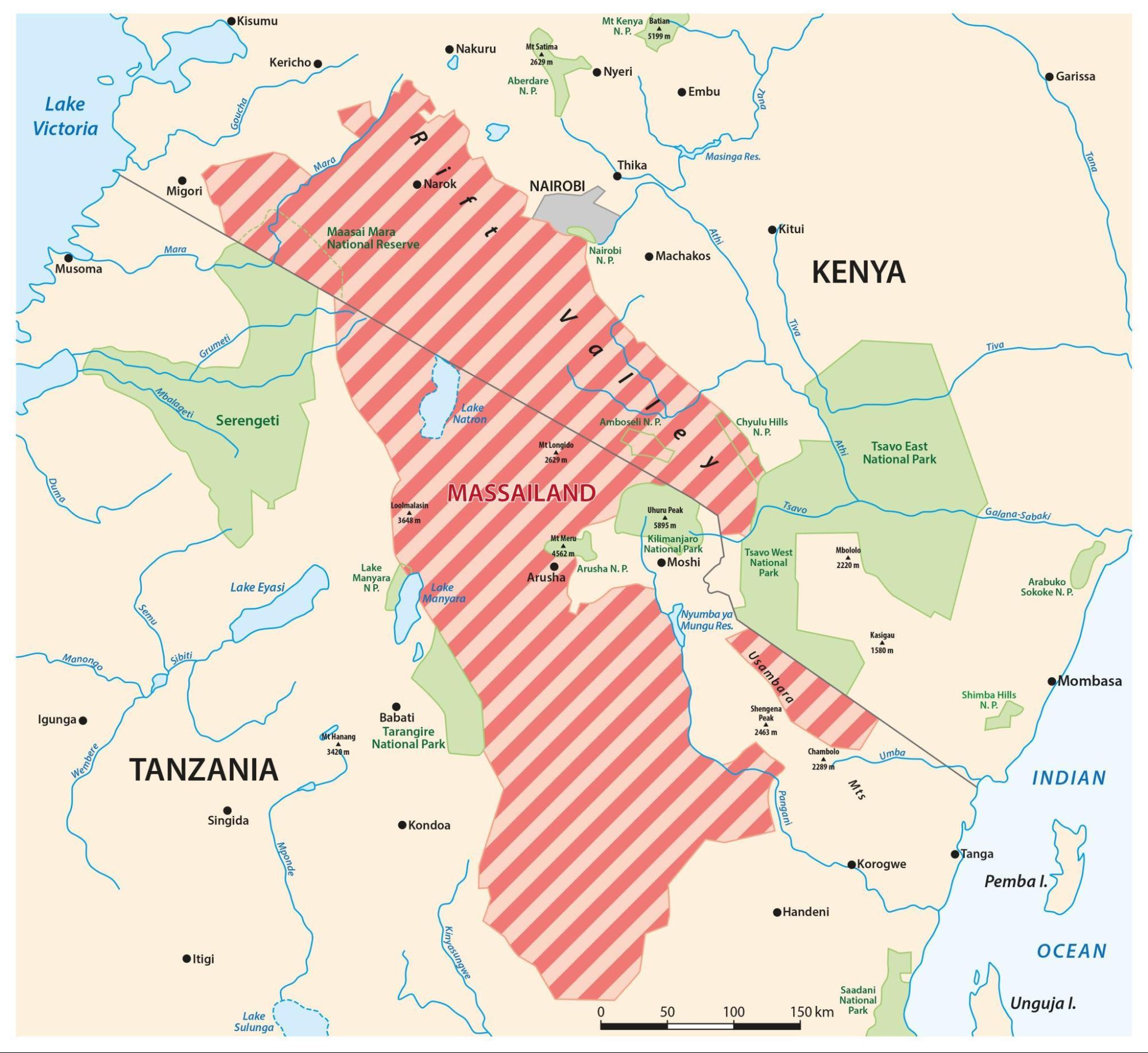
The Masai migrated south from the Nile Valley centuries ago and settled across the Great Rift Valley. Their territory once stretched across areas now known as the Masai Mara National Reserve and Serengeti National Park. Colonial land policies dramatically reshaped Masai territory.
Full historical breakdown: The History of the Masai: Migration, Emutai & Colonial Land Loss.
Masai Social Structure & Warriors
Masai society is organized by age-sets:
- Boys
- Morans (warriors)
- Junior elders
- Senior elders
Warriors traditionally defended cattle and territory. Explore this deeply in Masai Social Structure: Age Sets, Warriors & Elders Explained and The Masai Warrior (Moran): Lion Hunts & Modern Role.
Masai Religion & Spiritual Beliefs
The Masai believe in one supreme deity, Engai. Land is sacred. Cattle are divine trust. Learn more in Masai Religion & Beliefs: Engai, Laibon & Sacred Land.
Village Life & Manyattas
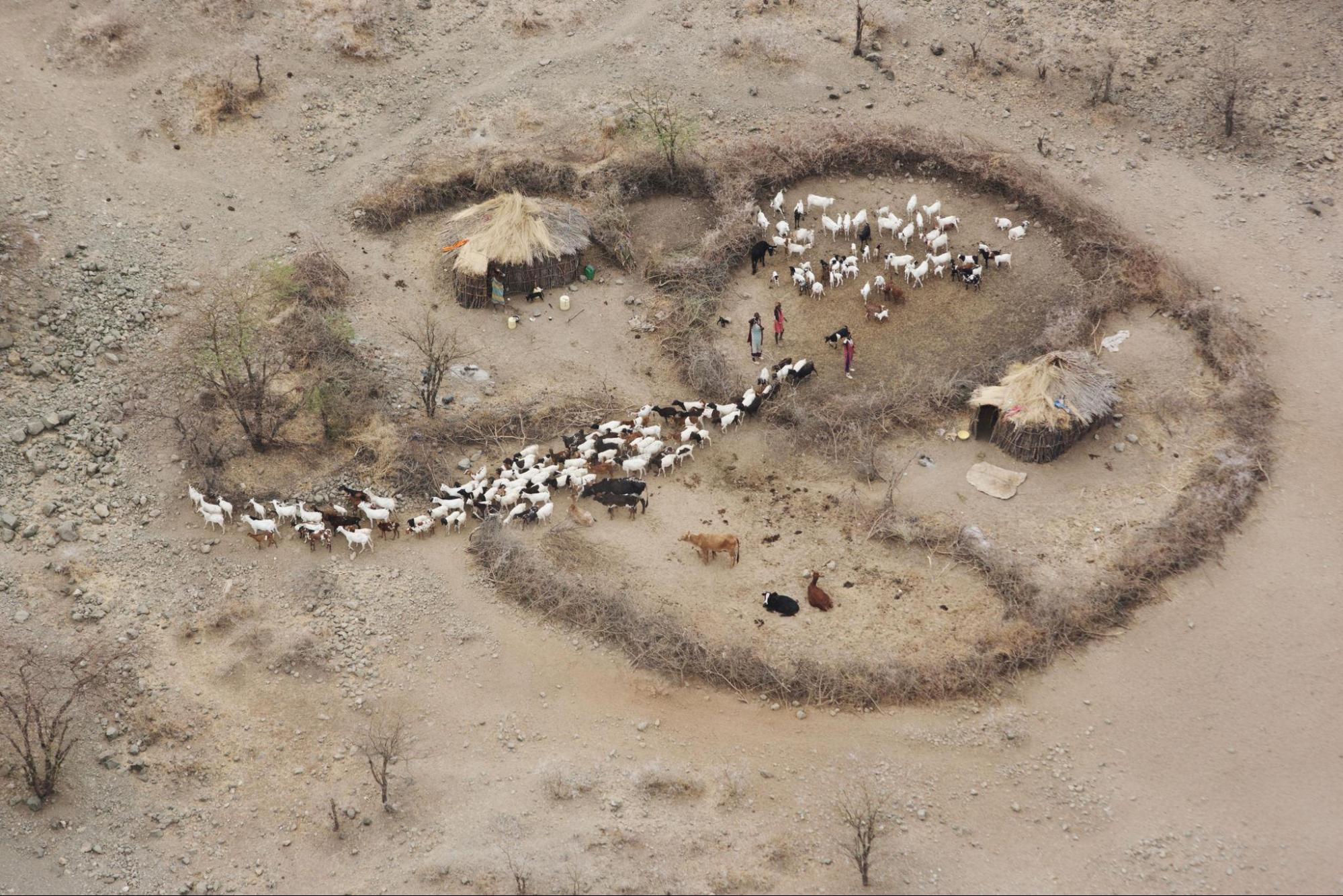
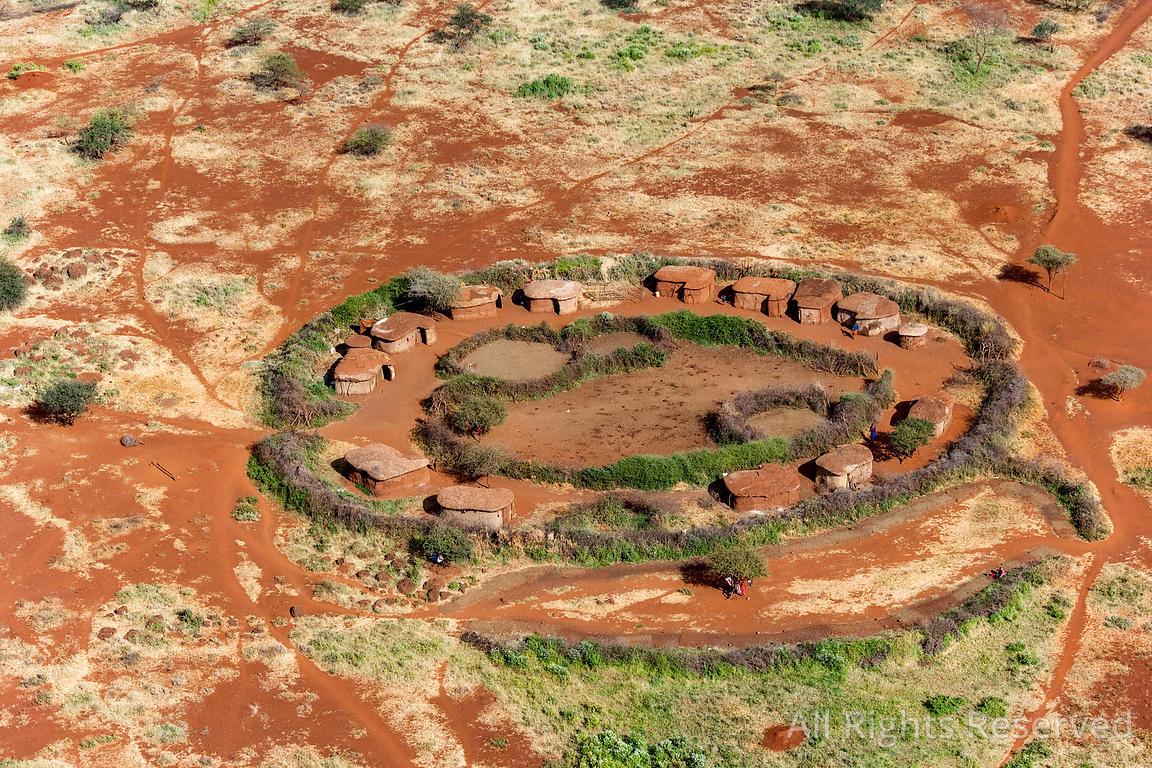
A Masai village is called an enkang. Homes (manyattas) are:
- Built by women
- Constructed from mud and dung
- Arranged in circular defensive patterns
Explore daily life here: Inside a Masai Village: Manyatta, Enkang & Daily Life.
Marriage & Family Structure
Marriage involves:
- Bride price (cattle)
- Clan alliances
- Age-set transition
- Community blessing
Full breakdown here: Masai Marriage Customs: Bride Price, Polygamy & Family Structure.
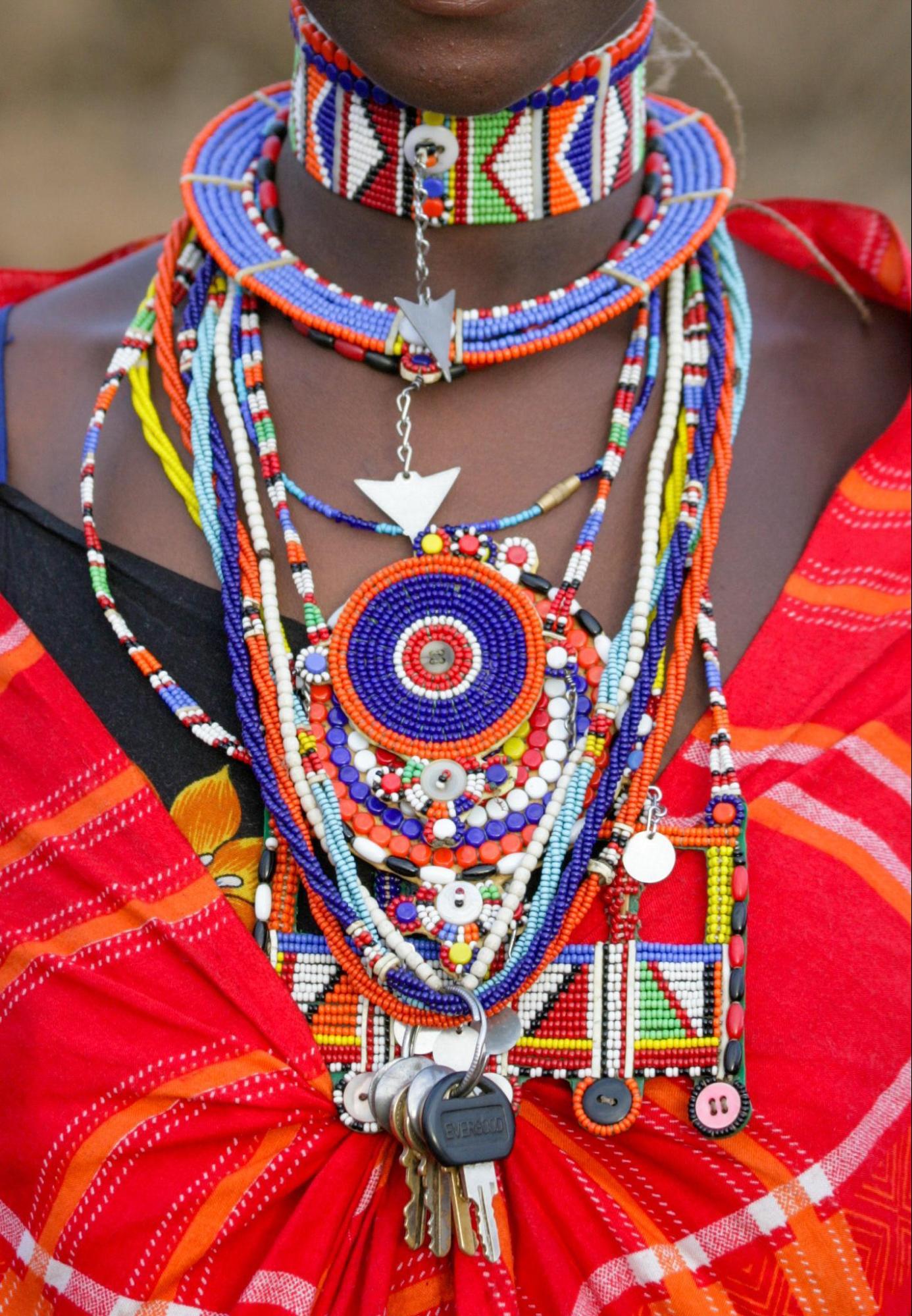
Dress & Beadwork
Color symbolism matters:
- Red → bravery and strength
- Blue → sky and rain
- White → purity and milk
Deep dive here: Masai Traditional Dress & Beadwork: Meaning Behind the Colors.
Language & Identity
The Masai speak Maa. Greetings such as “Supa” reflect respect and community. Learn more in Masai Language (Maa): Words, Meaning & Cultural Identity.
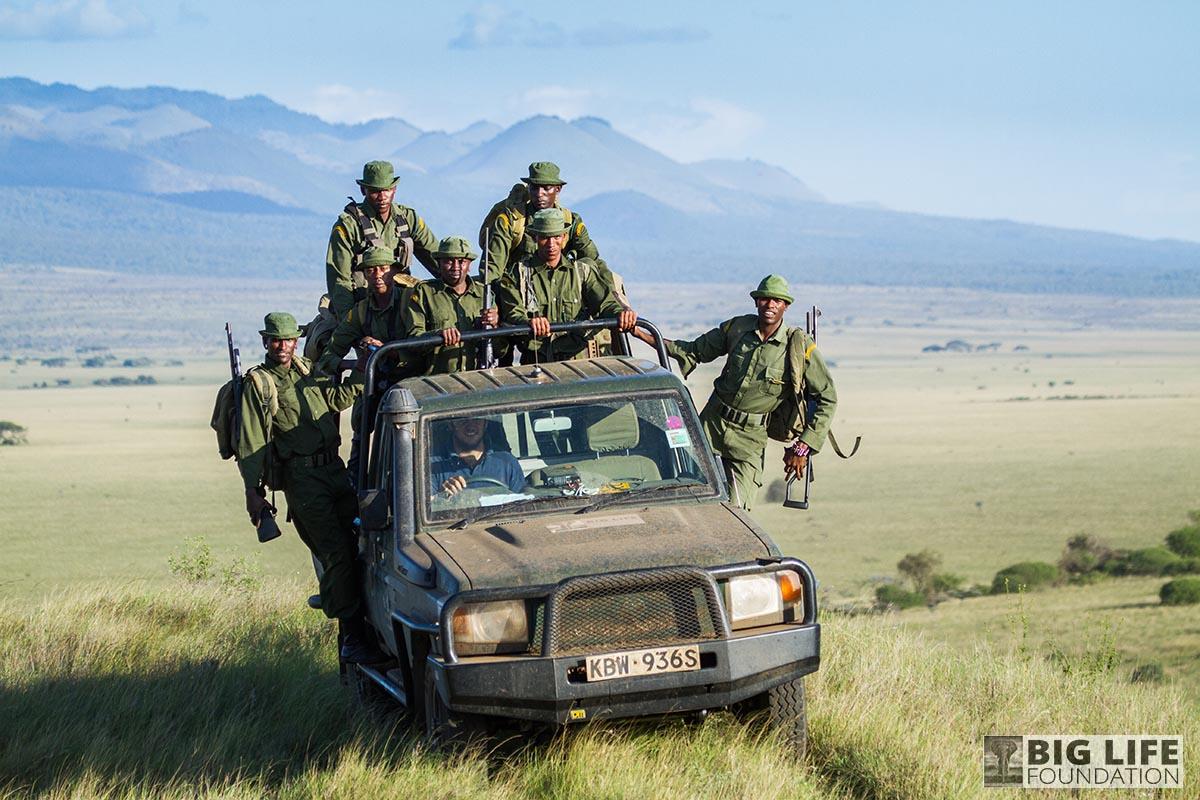
Conservation & Wildlife
From displacement to conservancies, Masai communities now play a key role in wildlife protection.
Learn more here: Masai and Wildlife Conservation: From Displacement to Conservancies.
Ethical Village Visits
Planning a cultural visit? Read this first: How to Visit a Masai Village Respectfully (Ethical Tourism Guide).
Modern Challenges Facing the Masai
Today’s realities include:
- Land fragmentation
- Climate change
- Education shifts
- Cultural transformation
Full analysis here: Modern Challenges Facing the Masai Today.
Why This Complete Guide Matters
The Masai are not frozen in time, they are navigating change while preserving identity. From warriors to wildlife conservancies, from sacred land to modern education, their story is one of resilience and adaptation.
For the complete master deep dive: The Masai Tribe: Culture, History, Traditions & Modern Life.
Masai Culture Guide 2026 – FAQs
Their warrior culture, cattle-based economy, red dress, and age-set system.
Traditional lion hunts have largely stopped. Modern morans now often serve as conservation rangers. Read more in The Masai Warrior (Moran): Lion Hunts & Modern Role.
Maa. Learn more in Masai Language (Maa): Words, Meaning & Cultural Identity.
Milk, blood, and meat from cattle. Read more in What Do the Masai Eat? Traditional Diet of Milk, Blood, Meat & Cattle Culture.
Southern Kenya and northern Tanzania.