
The Masai people are one of Africa’s most recognisable ethnic groups, known for their striking red shukas, intricate beadwork, and proud warrior heritage. But beyond the iconic imagery lies a deeply structured society built on cattle, community, and spiritual connection to land. Travelers booking a Masai Mara tour from Mumbai often discover that understanding the Masai identity adds depth and meaning to their safari experience.
The Masai are an Eastern Nilotic ethnic group primarily living in southern Kenya and northern Tanzania. Today, their population is estimated at over one million people, spread across the Great Rift Valley region. Visitors planning a Masai Mara tour from Hyderabad frequently include cultural visits to better appreciate this historic connection to land and livestock.
If you're looking for a complete cultural breakdown, start with our main guide: The Masai Tribe: Culture, History, Traditions & Modern Life in Kenya and Tanzania.
Where Do the Masai Live?
The Masai primarily live in:
- Narok County (Kenya)
- Kajiado County (Kenya)
- Regions surrounding the Masai Mara National Reserve
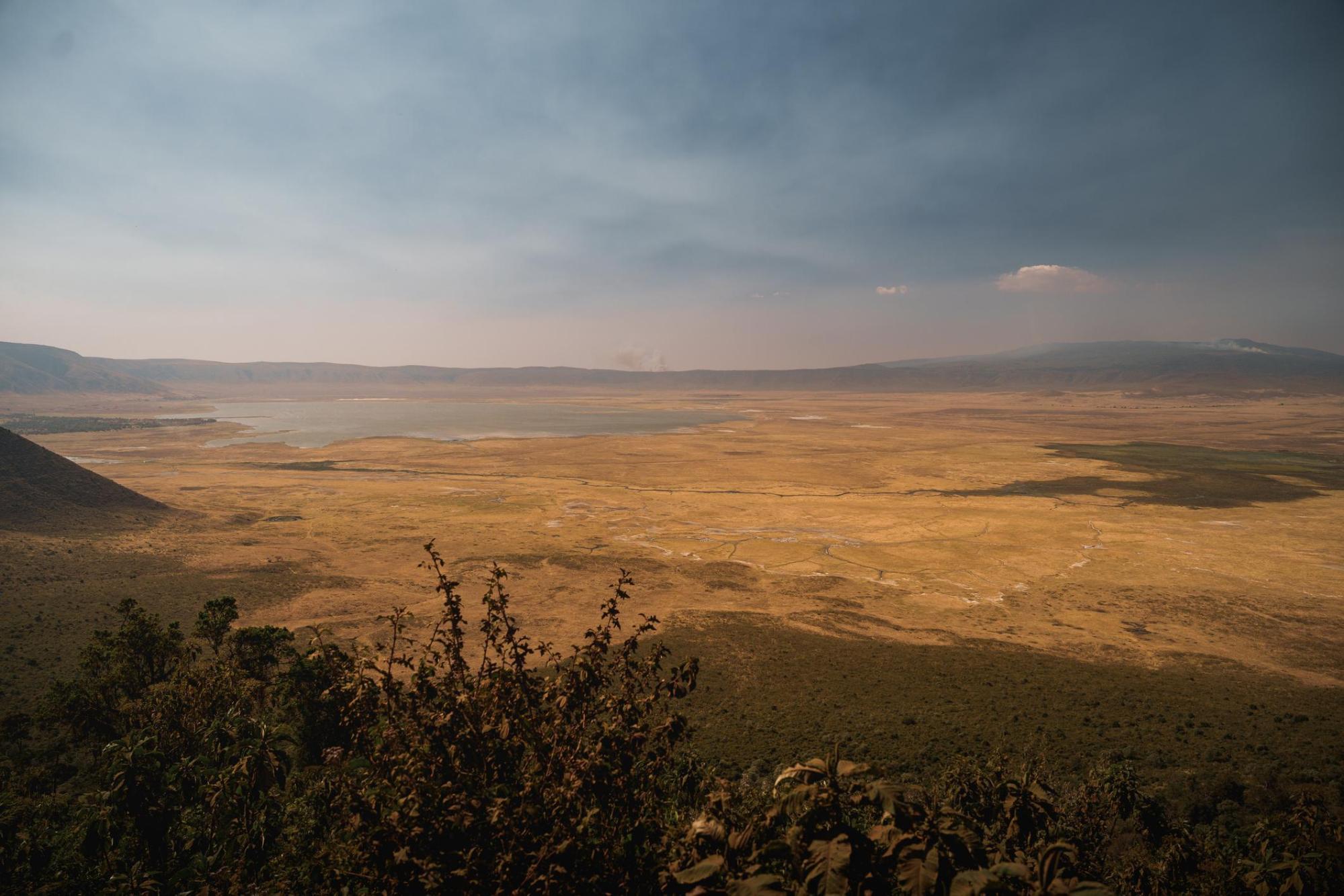
- Areas near the Ngorongoro Conservation Area
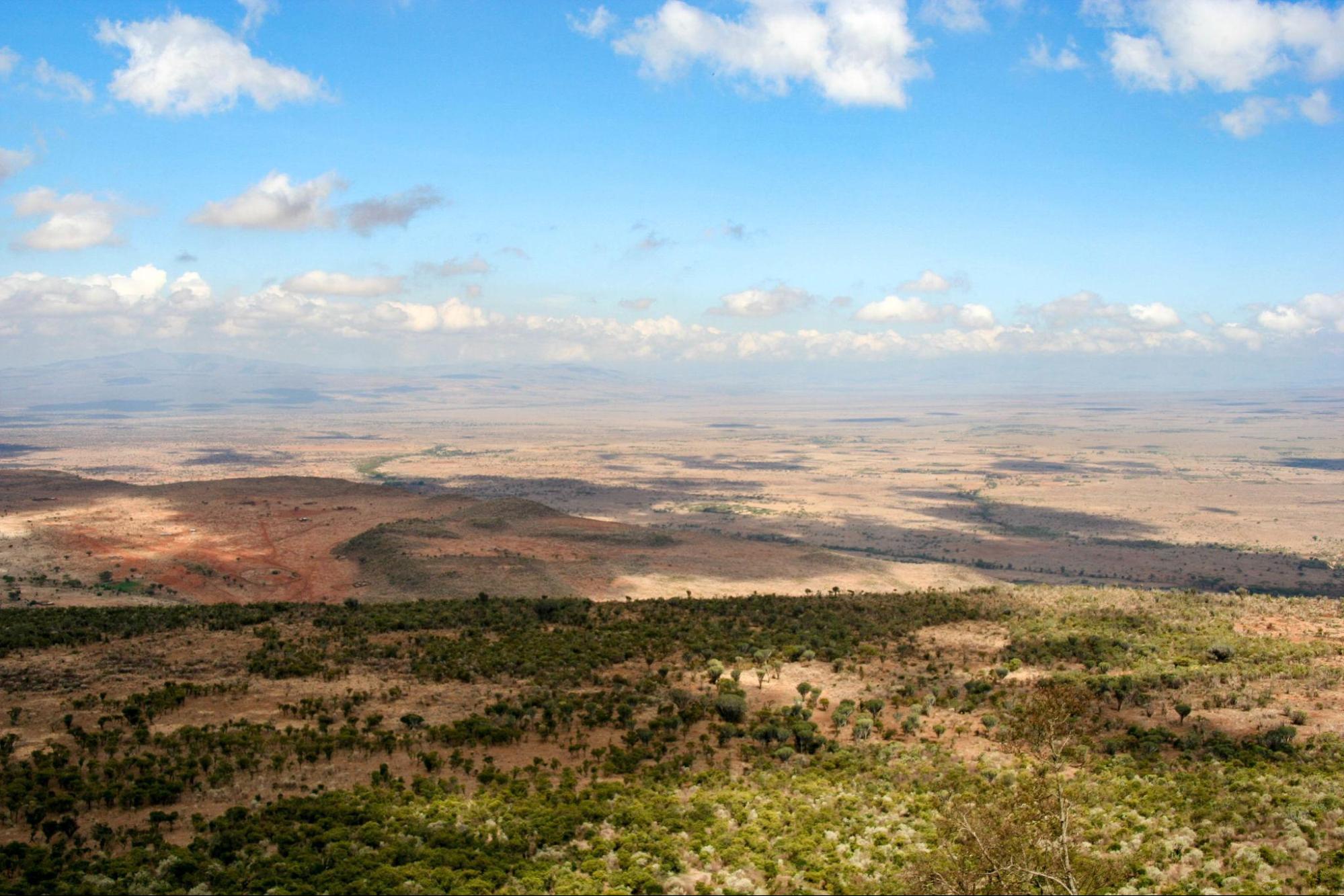
Their homeland stretches across the Great Rift Valley ecosystem, where open savannahs provide grazing land for cattle, the foundation of Masai life. Historically, they were semi-nomadic pastoralists, moving with seasonal rains to ensure their livestock had fresh pasture. Although land pressures have reduced mobility, livestock remains central to their identity.
For deeper historical context on how they settled here, read The History of the Masai: Migration, Emutai & Colonial Land Loss.
What Makes the Masai Different?
Several defining characteristics distinguish the Masai from other East African communities:
1. A Cattle-Centered Society
Cattle are not simply livestock, they are:
- A measure of wealth
- A source of food (milk, blood, meat)
- A spiritual gift believed to be granted by Engai
A man’s status traditionally depends on the number of cattle and children he has.
To understand this fully, read What Do the Masai Eat? Traditional Diet & Cattle Culture.
2. The Age-Set Social Structure
Masai society is organised by age sets. Boys transition through life stages together, moving from warriorhood to elder leadership over decades. This structured system ensures continuity, discipline, and community stability.
Full explanation here: Masai Social Structure: Age Sets, Warriors & Elders Explained.
3. Distinctive Clothing & Beadwork
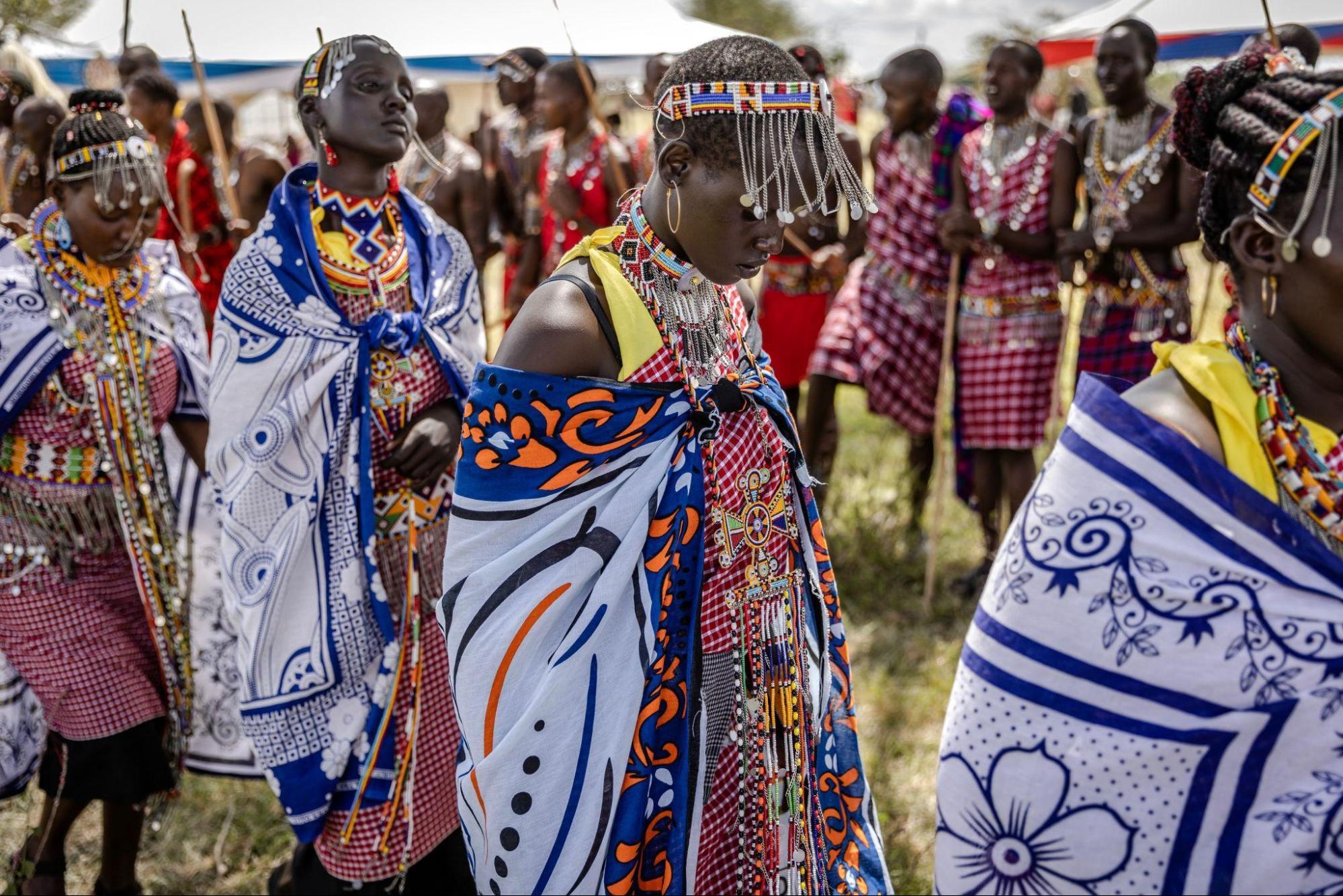
The Masai are globally recognised for:
- Red shukas (symbol of strength & bravery)
- Layered bead necklaces
- Large circular earrings
- Spear-carrying morans (warriors)
Each bead color carries meaning:
- Red – courage & unity
- Blue – sky & God
- Green – land & fertility
- White – milk & purity
Explore symbolism in detail: Masai Traditional Dress & Beadwork: Meaning Behind the Colors.
The Masai Language: Maa
The word “Masai” literally means “people who speak Maa.” Maa is an Eastern Nilotic language closely related to Samburu. While many younger Masai now speak Swahili and English, especially those involved in tourism, Maa remains the cultural anchor of identity.
Important words include:
- Moran – Junior warrior
- Enkang – Communal homestead
- Supa – Hello
- Ashe naleng – Thank you very much
Learn more about their linguistic identity: Masai Language (Maa): Words, Meaning & Cultural Identity.
Life Inside a Masai Village
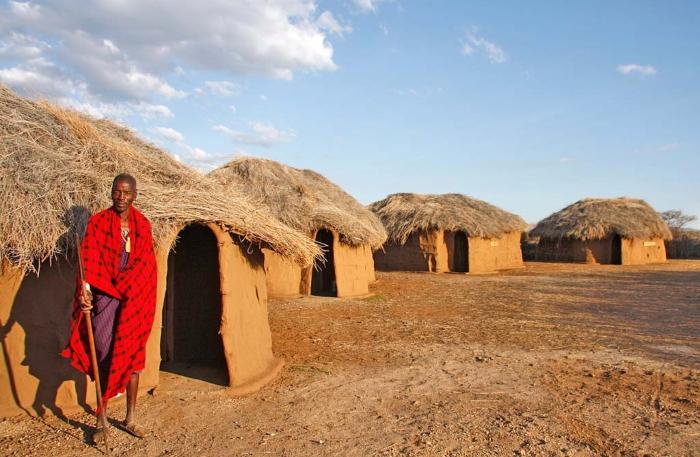
A traditional Masai village is called an enkang.
Key features:
- Circular layout
- Thorn bush fencing to protect livestock
- Small dome-shaped houses (manyattas)
- Homes built by women using mud, sticks, ash, and cow dung
Community life revolves around shared responsibility, especially in raising children and protecting livestock. Full breakdown here: Inside a Masai Village: Manyatta, Enkang & Daily Life.
Religion & Beliefs
The Masai believe in a single supreme deity called Engai (or Enkai), who embodies both benevolent and destructive forces. A spiritual leader known as the laibon serves as healer, prophet, and mediator between physical and spiritual worlds.
To explore this fully: Masai Religion & Beliefs: Engai, Laibon & Sacred Land.
Are the Masai Still Traditional Today?
Yes, but with adaptation. While many Masai still wear traditional clothing, herd cattle, and follow age-set traditions, you’ll also find educated Masai professionals, community-run conservancies, and tourism partnerships. They are balancing heritage with modern realities.
For deeper insight: Modern Challenges Facing the Masai Today.
Conclusion: Understanding the Masai Beyond the Image
The Masai are far more than a photographic symbol of East Africa. They are a structured, spiritually rooted, cattle-centered society with centuries of resilience behind them. Understanding who the Masai are transforms a safari from simply wildlife viewing into a cultural journey.
If you're planning to experience Masai culture during your safari, make sure you also read How to Visit a Masai Village Respectfully (Ethical Tourism Guide), and revisit the complete master guide here: The Masai Tribe: Culture, History, Traditions & Modern Life.
Who Are the Masai People? FAQs (2026)
The Masai primarily live across southern Kenya and northern Tanzania, especially around Narok and Kajiado in Kenya, the Masai Mara region, and areas near the Ngorongoro Conservation Area within the Great Rift Valley ecosystem.
The Masai population is commonly estimated at over one million people across Kenya and Tanzania.
Cattle are a foundation of Masai culture as a measure of wealth, a source of food, and an important spiritual and social symbol connected to community status and livelihood.
A moran is a junior warrior within the Masai age-set system. Traditionally, morans trained for discipline and community protection, especially safeguarding livestock.
Masai beadwork uses colors with symbolic meaning, such as red for courage and unity, blue for the sky and God, green for land and fertility, and white for milk and purity.
A traditional Masai village is called an enkang, typically arranged in a circular layout with thorn fencing for livestock protection and manyattas built using natural materials.
Engai (also spelled Enkai) is the single supreme deity in Masai belief, associated with both benevolent and destructive forces. Spiritual leadership often includes the laibon as a healer and mediator.
Yes, with adaptation. Many Masai continue traditional practices such as herding and age-set customs, while also engaging with education, professional work, conservancies, and tourism partnerships.