

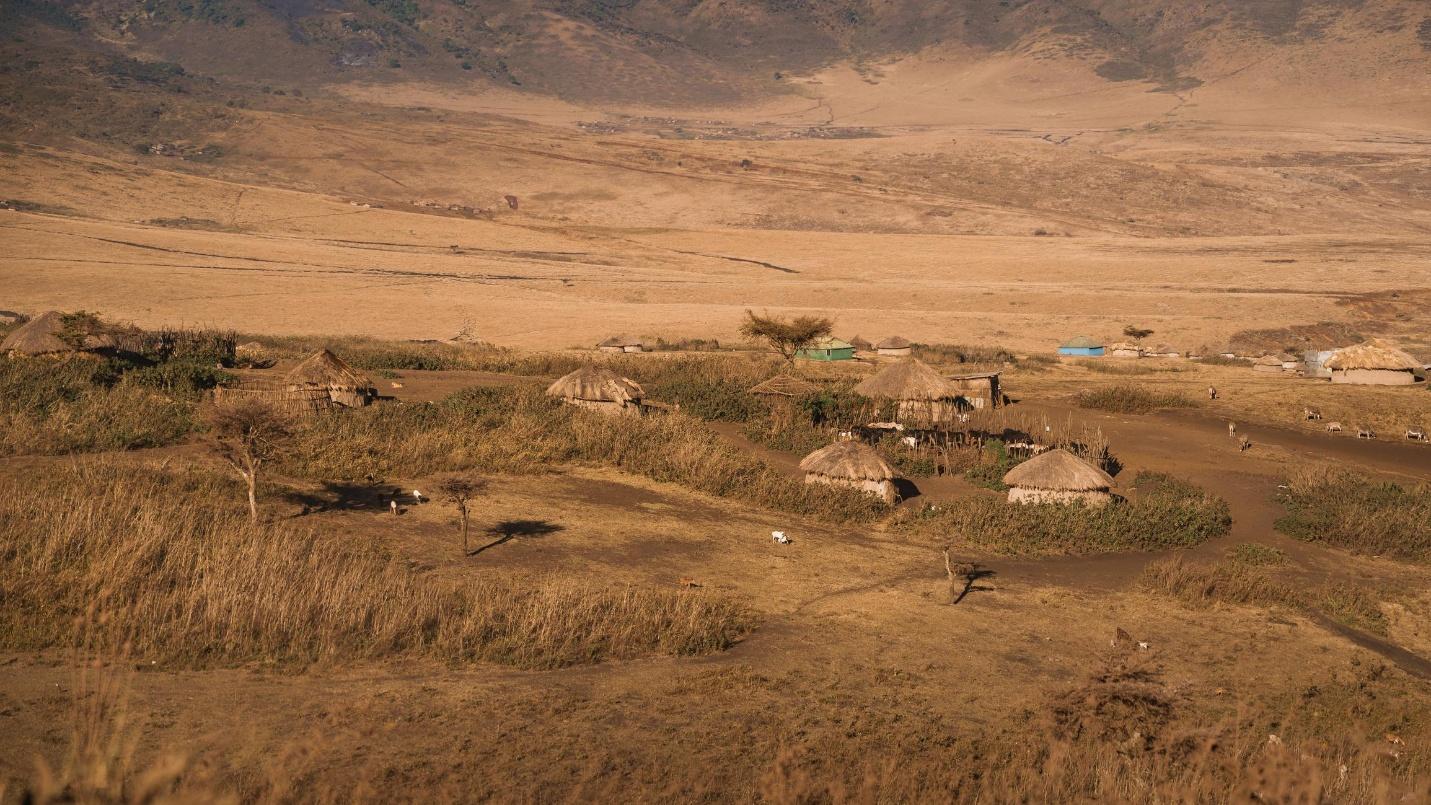
Visiting a Masai village can be one of the most meaningful cultural experiences during a safari in Kenya or Tanzania. But it must be done respectfully, ethically, and responsibly. The Masai are not a staged attraction, they are a living community with deep traditions, social structure, and spiritual values. Travelers planning a Masai Mara tour from Coimbatore are encouraged to approach village visits with cultural sensitivity and awareness.
If you’re new to Masai culture, start with The Masai Tribe: Culture, History, Traditions & Modern Life in Kenya and Tanzania.
Where Can You Visit a Masai Village?
Many Masai villages welcome visitors near:
- Masai Mara National Reserve
- Serengeti National Park
- Ngorongoro conservation regions
However, not all visits are equally ethical.
Choose the Right Tour Operator
Before booking:
- Ensure the village consents to tourism
- Confirm revenue goes directly to the community
- Avoid operators that treat visits as entertainment
- Ask how the village benefits financially
Community-run conservancies are often the most responsible choice. Learn more in Masai and Wildlife Conservation: From Displacement to Conservancies.
What to Expect During a Visit
A respectful Masai village visit may include:
- Welcome song or Adumu (jumping dance)
- Guided walk through the enkang
- Explanation of manyatta construction
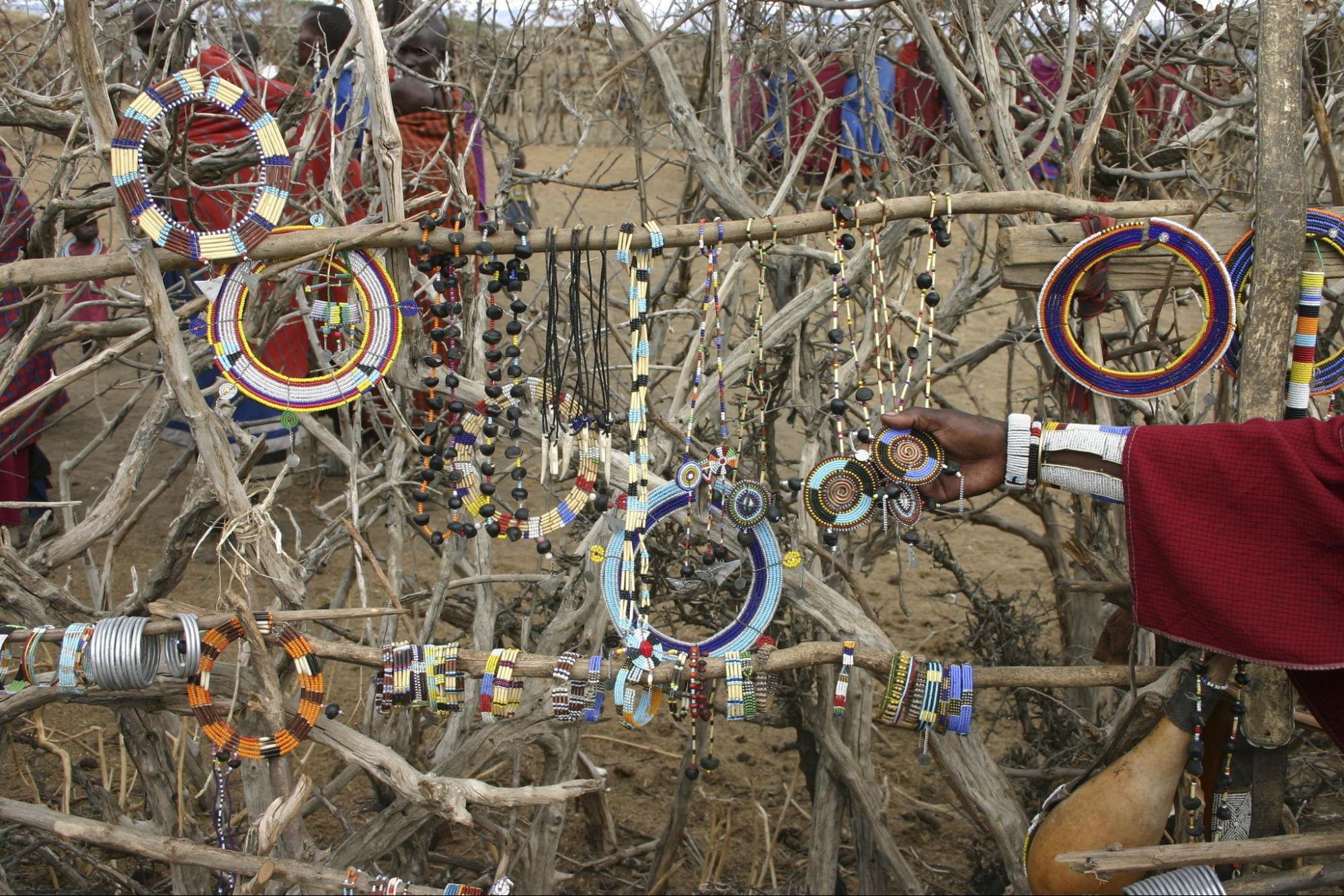
- Beadwork demonstration
- Q&A with elders
To understand the jumping dance, read The Masai Jumping Dance (Adumu): Meaning & Ceremony Explained.
To understand village structure, read Inside a Masai Village: Manyatta, Enkang & Daily Life.
Photography Etiquette
Always:
- Ask permission before taking photos
- Avoid intrusive close-ups
- Respect private areas of the village
- Follow your guide’s instructions
Remember: this is someone’s home, not a museum.
Support Local Women Directly
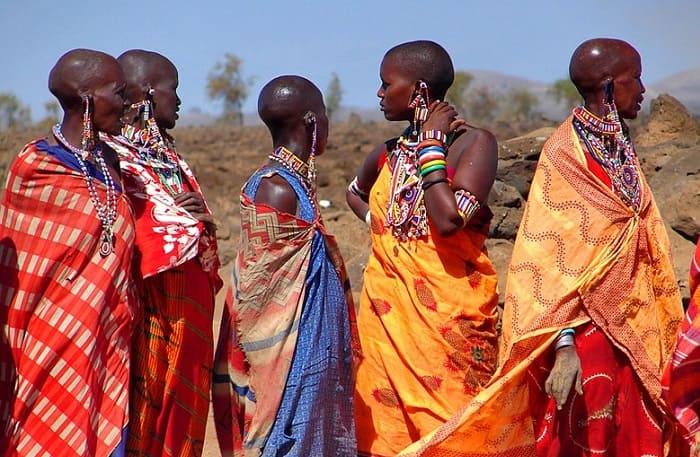
Masai women create intricate beadwork. When purchasing, buy directly from the women artisans, avoid bargaining aggressively, and understand that crafts support families.
Explore bead symbolism in Masai Traditional Dress & Beadwork: Meaning Behind the Colors.
Cultural Sensitivity Tips
- Dress modestly
- Avoid imposing Western assumptions
- Do not mock or imitate rituals
- Be patient and observant
Learning basic Maa greetings like “Supa” (hello) shows respect. Learn more in Masai Language (Maa): Words, Meaning & Cultural Identity.
Understand the Social Context
Masai villages operate within a structured age-set hierarchy. Elders oversee decisions, and warriors (morans) protect livestock.
To understand this hierarchy, read Masai Social Structure: Age Sets, Warriors & Elders Explained. Marriage customs and cattle wealth also shape village life, learn more in Masai Marriage Customs: Bride Price, Polygamy & Family Structure.
Avoid These Mistakes
- Treating villagers as photo subjects
- Offering sweets to children
- Entering homes without invitation
- Assuming all villages operate the same
Every enkang has its own leadership and norms.
Why Ethical Visits Matter
Tourism income helps fund education, healthcare, ranger employment, and cultural preservation. Responsible visits strengthen conservation partnerships near protected areas.
To understand how conservation evolved historically, read The History of the Masai: Migration, Emutai & Colonial Land Loss.
Cultural Visits & Modern Change
Village tourism has changed Masai livelihoods. While some embrace tourism income, others worry about cultural commodification.
Learn more about these modern pressures in Modern Challenges Facing the Masai Today.
Final Thoughts: Travel With Respect
A Masai village visit should be educational, mutual, ethical, and respectful. When done correctly, it becomes one of the most memorable parts of a safari experience.
Return to the full cultural guide here: The Masai Tribe: Culture, History, Traditions & Modern Life.
Masai Village Visit – FAQs (2026)
It can be ethical when the village consents, the community benefits financially, and visitors behave respectfully. Community-run conservancies are often a responsible option.
Ask whether the village has agreed to tourism, how revenue is shared, whether local guides are involved, and how the visit supports community needs.
Yes, but always ask permission first, avoid intrusive close-ups, and respect private spaces. Follow your guide’s instructions.
Dress modestly and comfortably. Avoid outfits that feel disrespectful or overly revealing, and be mindful that you are visiting someone’s home.
Buying directly from women artisans can support households. Avoid aggressive bargaining and treat purchases as fair support for craftsmanship.
Avoid treating villagers as photo subjects, entering homes without invitation, offering sweets to children, and assuming all villages follow the same norms.