
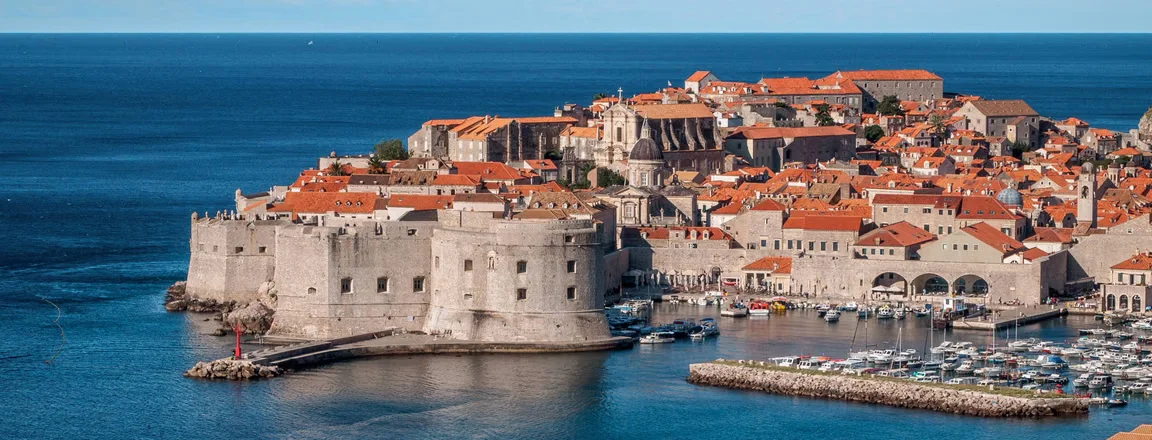
Croatia Travel Guide
A Complete Destination Overview for Luxury Travellers
Croatia Travel Guide: A Complete Destination Overview
Croatia is a Mediterranean destination located along the Adriatic Sea in Southeast Europe, known for its historic coastal cities, island culture, and crystal-clear waters. Over the last decade, it has evolved into one of Europe's most sought-after travel destinations — particularly for travelers seeking a combination of heritage, scenic beauty, and luxury coastal experiences.
For travelers planning a trip from India, Croatia offers a rare European combination: UNESCO-listed medieval old towns, spectacular national park landscapes, and a well-developed island-hopping culture, all within a compact and highly accessible travel radius.
This destination guide covers Croatia in depth — its key cities, natural landmarks, island destinations, and how to structure the right itinerary based on your travel goals and the season. What sets Croatia apart is the contrast between medieval architecture and natural landscapes: within a single itinerary, travelers can explore UNESCO-listed old towns, sail across island chains, walk through waterfall-filled national parks, and relax on some of Europe's cleanest beaches.
Insights are drawn from the experience of a trusted travel agency for Croatia , focused on itinerary quality, seasonal timing, and curated coastal experiences.
Every detail in this guide is informed by the planning philosophy of our international travel agency in Gurgaon , known for crafting refined long-haul travel experiences.
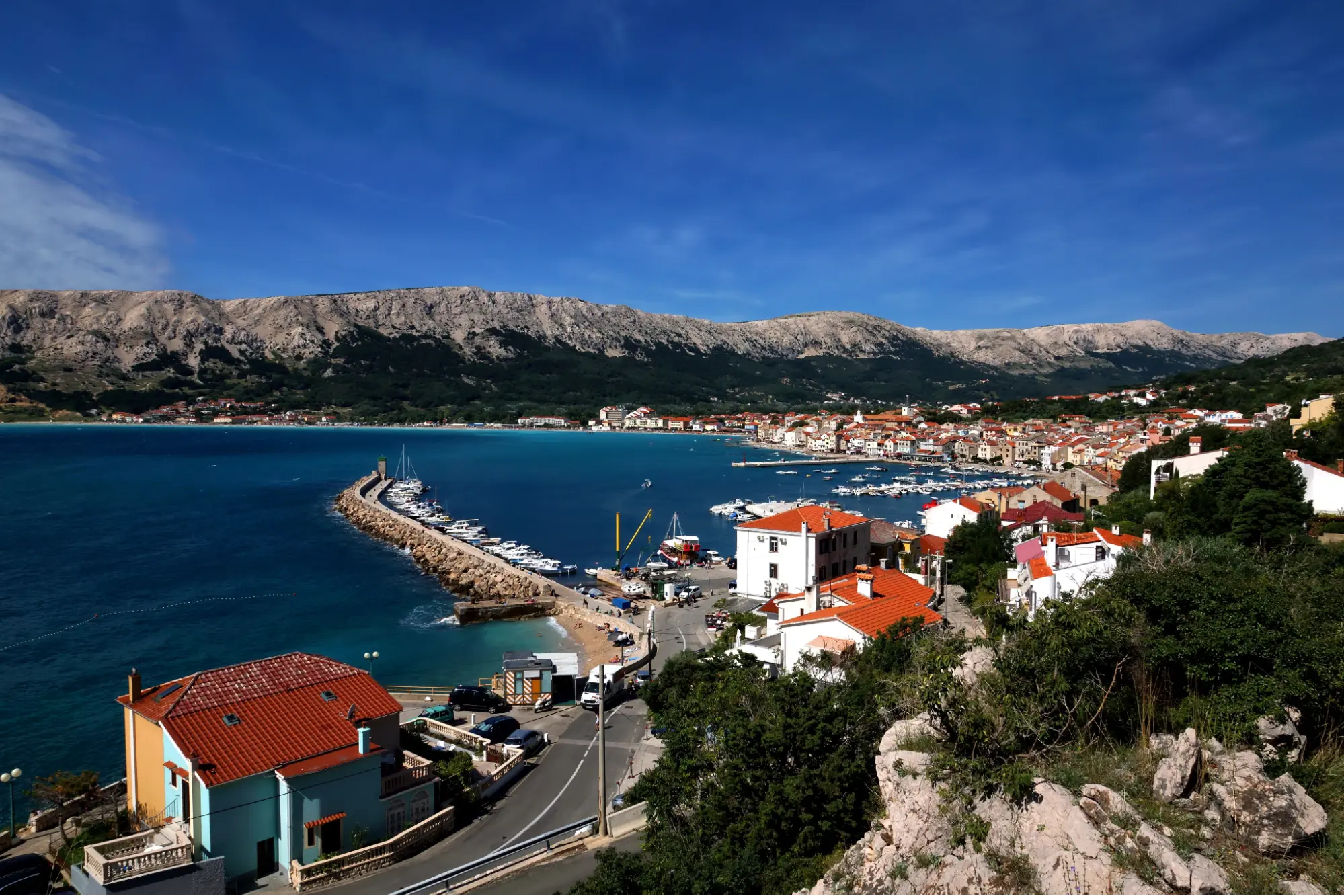
Croatia, The Pearl of the Adriatic
Croatia is a Southeast European nation stretching along the Adriatic Sea, offering one of the continent's most visually diverse and historically layered travel experiences. It is defined by the contrast between its medieval walled cities, pristine island chains, and extraordinary natural landscapes — all positioned within a relatively compact and highly navigable geography.
For most international travelers, Croatia is not a single-location trip but a multi-destination coastal journey — typically combining the historic grandeur of Dubrovnik, the Roman heritage of Split, the natural drama of Plitvice Lakes, and the island luxury of Hvar within one well-structured itinerary. Well-connected ferry routes and domestic flights make this multi-region approach both practical and seamless.
What makes Croatia particularly distinctive is that its history is not confined to museums — it is built into the living fabric of its cities. Roman palaces function as residential neighborhoods, medieval walls double as evening promenades, and ancient harbors serve as departure points for modern island-hopping adventures.
Why Visit Croatia?
Croatia appeals to travelers seeking a mix of culture, natural beauty, coastal luxury, and immersive European heritage rather than just sightseeing. The country is especially popular among travelers who value photography, architecture, and outdoor experiences — categories where Croatia consistently ranks among Europe's very best destinations.
Key reasons travelers choose Croatia include its UNESCO-listed old towns and Roman heritage; the extraordinary visual appeal of its turquoise lakes and Adriatic coastline; a strong island-hopping culture with well-connected ferry networks; a developed luxury offering through boutique hotels, private yacht charters, and villa stays; and its suitability as a premium European summer holiday that delivers both cultural depth and coastal relaxation within a single itinerary.
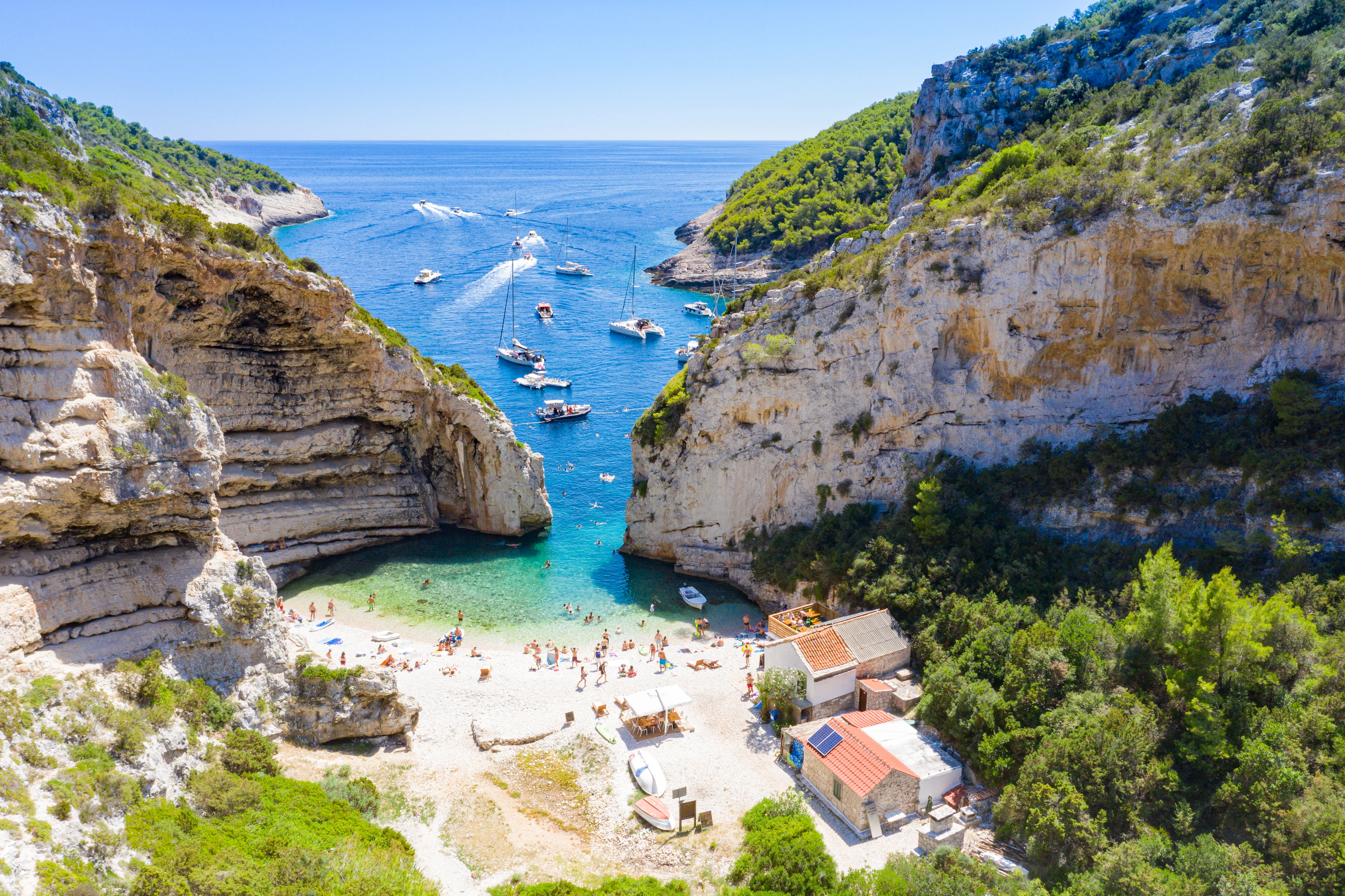
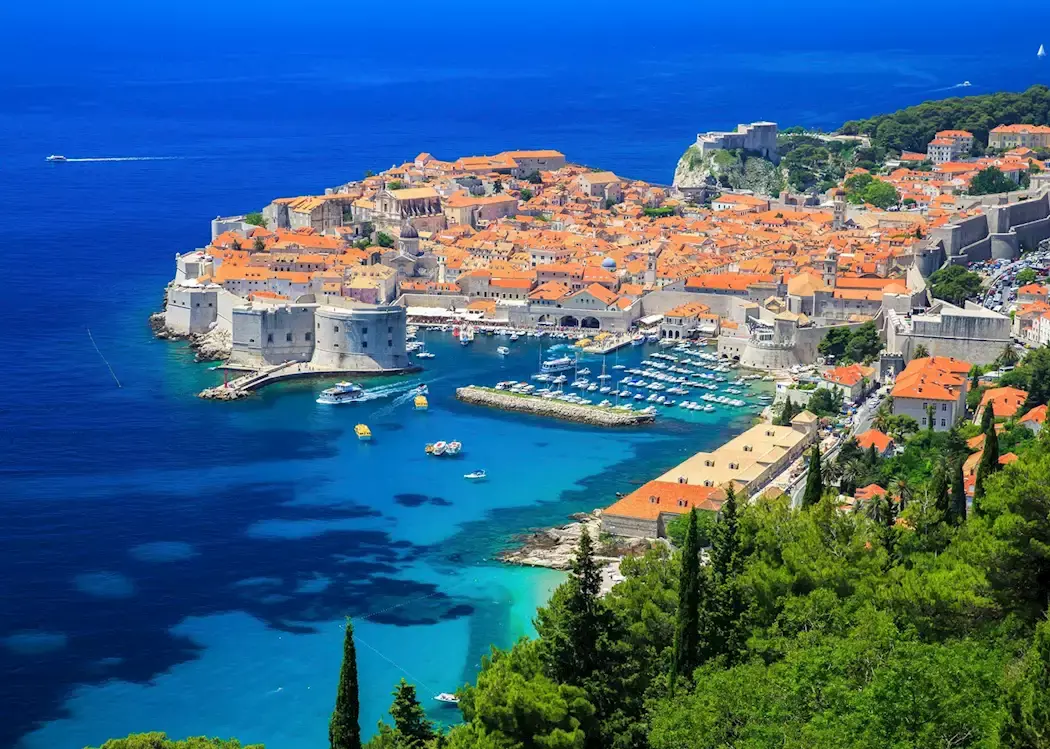
Dubrovnik: The Pearl of the Adriatic
Dubrovnik is Croatia's most iconic destination and one of the most recognizable historic cities in Europe. Enclosed within massive stone walls dating back to the 16th century, the city offers uninterrupted views of the Adriatic Sea on one side and terracotta-roofed buildings on the other — a visual composition that has made it one of the most photographed urban coastlines in the world.
Walking the city walls at sunset is one of the defining travel experiences in all of Europe, providing elevated panoramic views of the coastline and the old town below. The UNESCO-listed historic core is filled with marble-paved streets, Baroque churches, Renaissance palaces, and intimate cafes. Dubrovnik also gained significant global recognition as a filming location for Game of Thrones, which has further amplified its international appeal — though its historical and architectural significance stands entirely on its own.
Plitvice Lakes National Park: The Natural Wonder
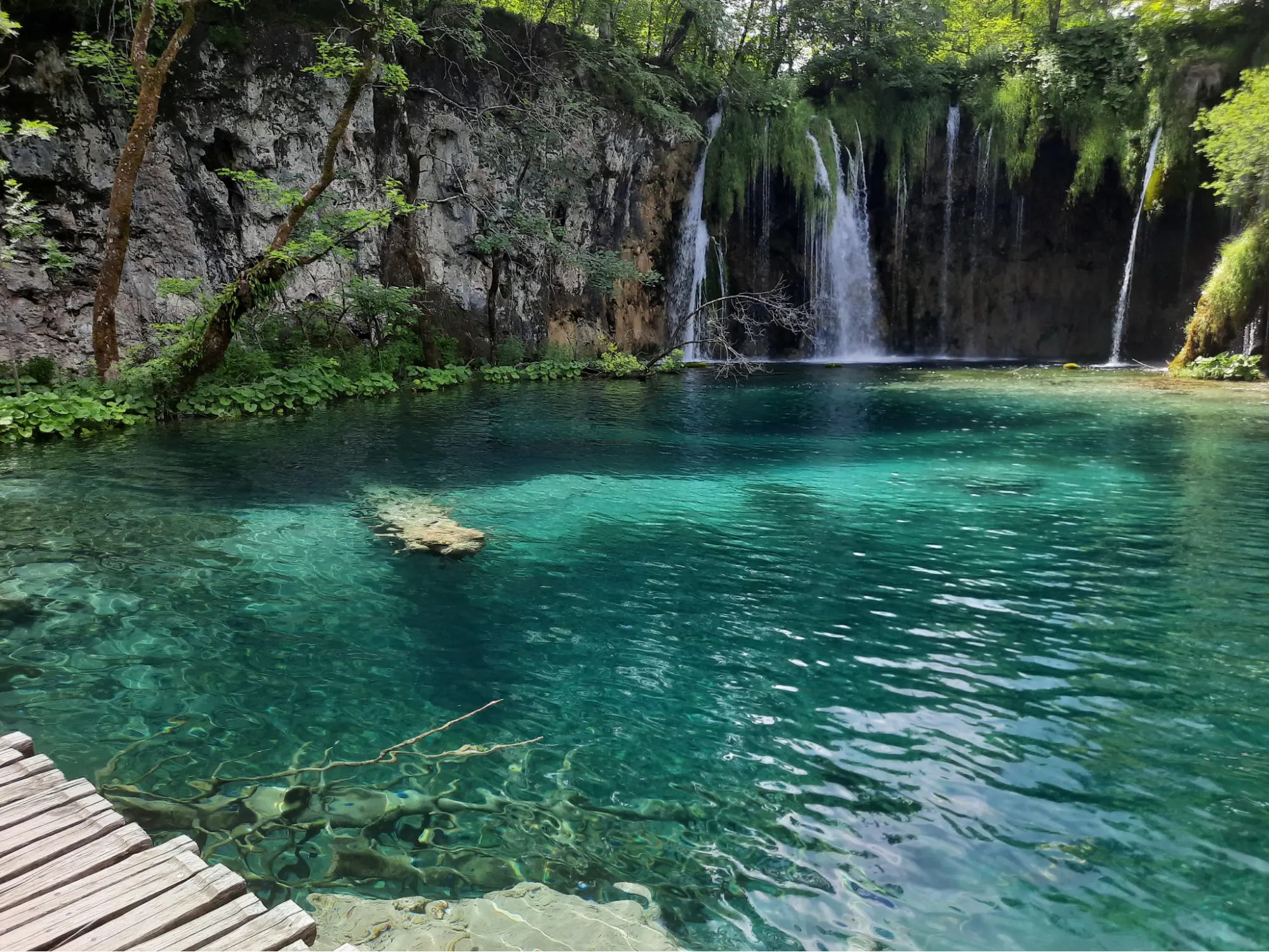
Plitvice Lakes National Park is Croatia's most famous natural attraction and one of the most visually striking landscapes in Europe. The park consists of 16 interconnected lakes linked by cascading waterfalls and surrounded by dense forest — a system created by unique mineral deposits and geological activity over thousands of years.
What makes Plitvice uniquely memorable is the extraordinary turquoise color of the water, produced by mineral content and the way light interacts with the lake floors. Wooden walkways allow visitors to move directly over and alongside the lakes, providing close-up access to waterfalls and flowing streams in a way that very few natural environments in the world permit. The park shifts dramatically with the seasons — vivid green in summer, golden and amber in autumn, and partially frozen in winter — making it genuinely rewarding at almost any time of year.
Hvar: The Island of Luxury & Scenery
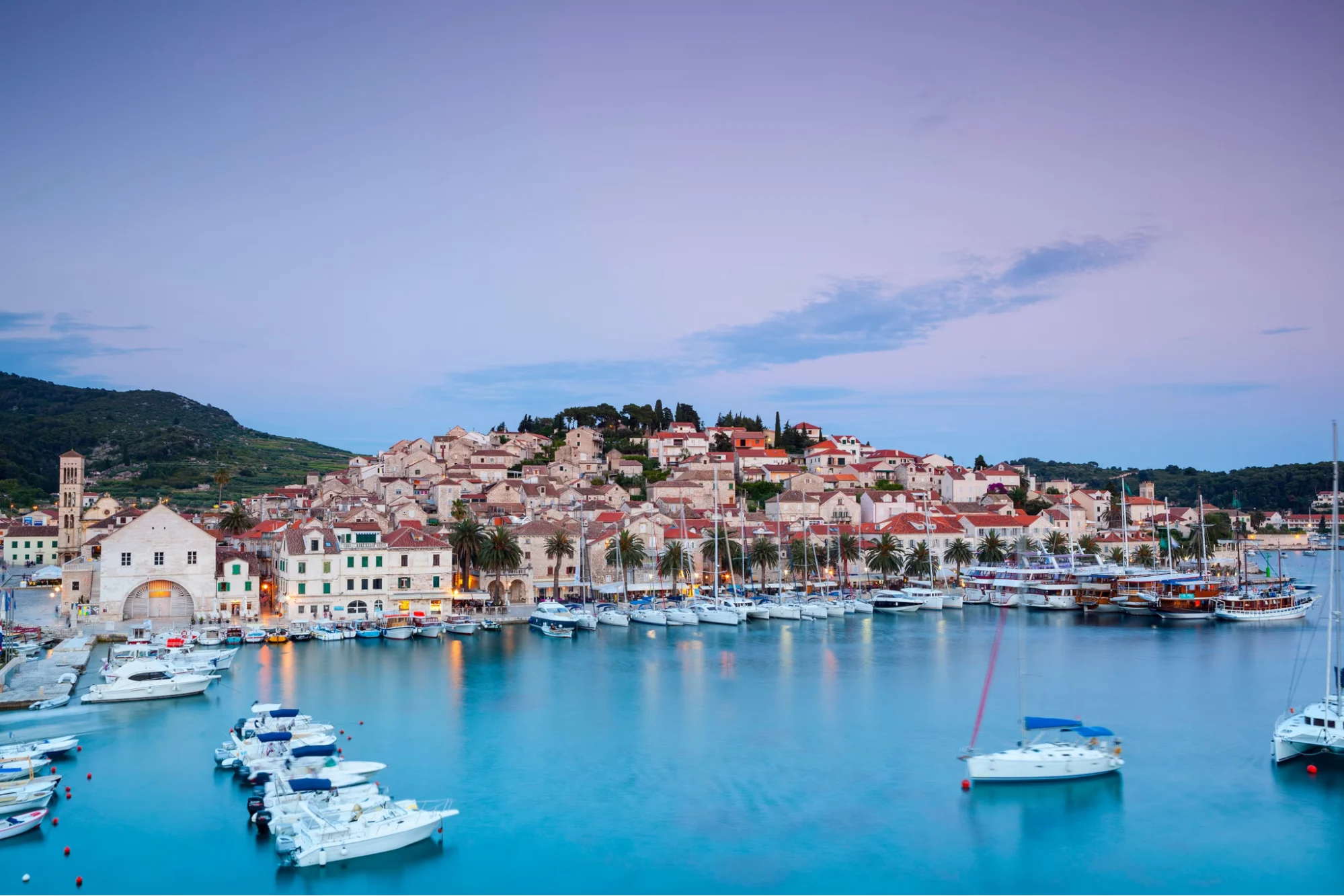
Hvar is one of Croatia's most celebrated islands, known for its blend of luxury, natural beauty, and vibrant atmosphere. It attracts a diverse mix of high-end travelers, yacht visitors, and those seeking both active daytime exploration and lively evening experiences — making it one of the Adriatic's most versatile island destinations.
The island's main town centers on a historic main square flanked by a 16th-century cathedral, waterfront promenades lined with restaurants and boutiques, and a hilltop Venetian fortress offering panoramic sunset views across the Adriatic. Beyond the town, Hvar is known for its lavender fields, secluded coves, and the nearby Pakleni Islands — a small archipelago ideal for day trips by boat. The combination of historic character, natural scenery, and luxury accommodation makes Hvar a standout stop in any Croatia itinerary.
Split: The Living Roman City
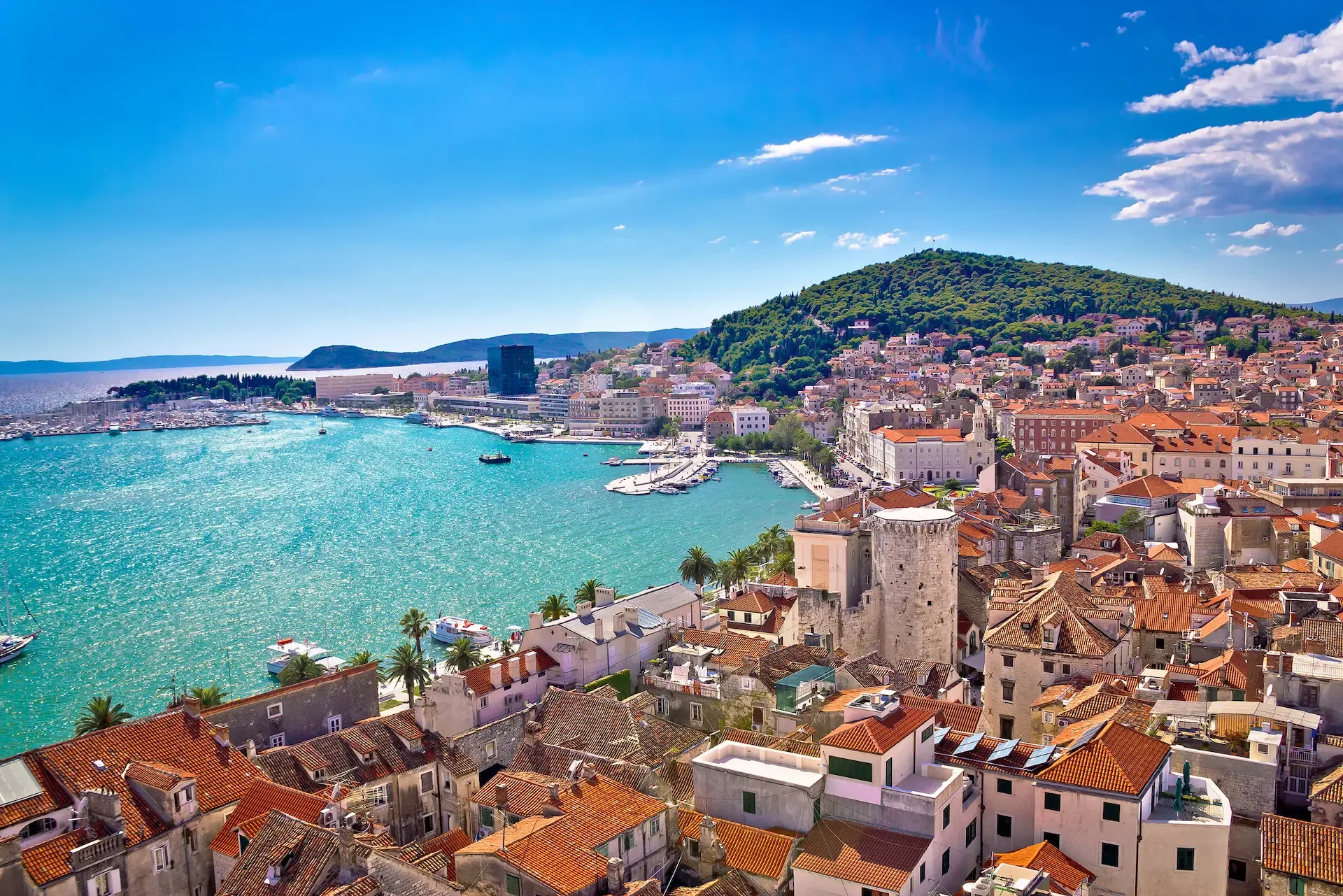
Split is Croatia's second-largest city and serves as the central hub for coastal and island travel along the Dalmatian coast. What makes Split genuinely extraordinary is that the city is built around and within the remains of Diocletian's Palace — a Roman imperial residence dating to the 4th century AD — making it one of the most unusual urban environments in Europe.
Unlike traditional historical monuments that are preserved behind barriers, the palace is actively lived in, with residential apartments, restaurants, bars, and boutique shops integrated into its ancient walls and colonnaded courtyards. Walking through Split's old town is simultaneously an experience of 4th-century Roman architecture and contemporary Croatian life — a combination found almost nowhere else in the world. Split also functions as the primary gateway to the islands of Hvar, Brač, and Korčula, and its animated waterfront promenade — the Riva — provides a lively setting for dining and evening activity against a backdrop of Adriatic views.
Island Hopping & Travel Experiences in Croatia
Croatia's well-developed ferry and catamaran network makes island hopping one of the most practical and rewarding ways to experience the Adriatic coast. Traveling between Split, Hvar, Korčula, and Vis by ferry — with the sea and islands as a constant backdrop — is itself a defining part of the Croatia experience. For a more exclusive approach, private yacht charters allow travelers to set their own pace, anchoring in secluded bays and coves inaccessible from shore.
Walking the Dubrovnik city walls at sunset remains one of the most iconic single experiences in European travel. Sea kayaking along the coastline of Dubrovnik's outer islands offers a more active and intimate way to experience the Adriatic's clarity and scale. Cultural experiences in Croatia extend beyond sightseeing to include local cuisine — fresh seafood, Dalmatian olive oils, and the regional wine culture of Hvar and Pelješac — which rewards slow, unhurried dining. For photography travelers, Croatia consistently delivers exceptional opportunities across every region: the city walls, the waterfalls, the island harbors, and the Adriatic at golden hour.
When to Visit & Planning a Croatia Trip
The best overall time to visit Croatia is May, early June, and September — the shoulder season offers the most comfortable balance of warm weather, manageable crowds, and favorable pricing across hotels and ferries. July and August are peak summer season: ideal for beaches and island hopping, but bring the highest visitor volumes — particularly in Dubrovnik and Hvar — and the highest accommodation costs. For Plitvice Lakes National Park, spring and early autumn are especially recommended for the best light conditions and fewer crowds on the walkways.
A well-structured Croatia itinerary typically includes 2–3 nights in Dubrovnik, 1–2 nights at or near Plitvice Lakes, 2 nights in Split, and 2 nights on Hvar or another island — totaling 8–10 days for a thorough and well-paced journey. Travel between destinations is primarily by ferry, catamaran, and domestic flight.
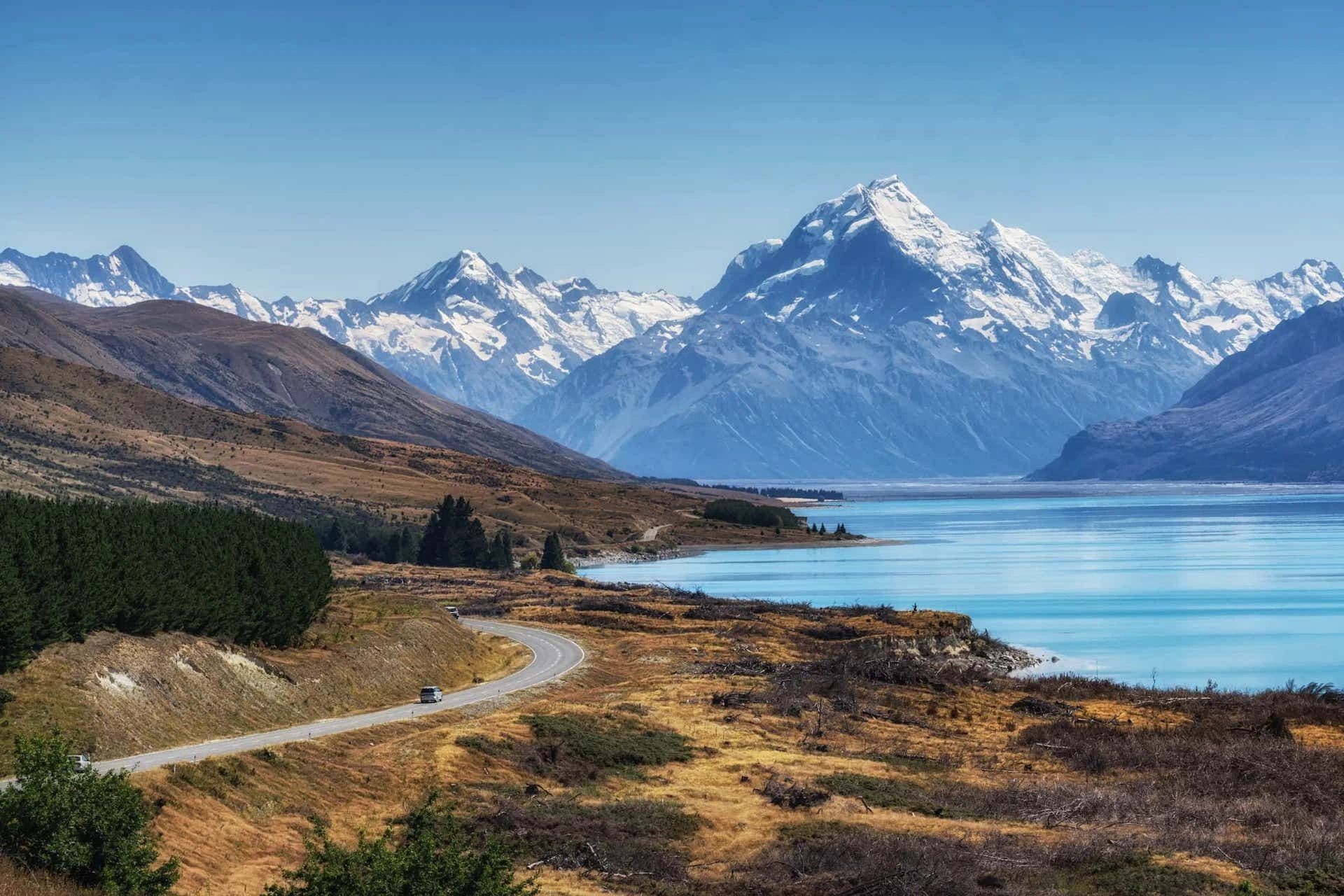
Scenic landscapes, alpine journeys and unforgettable luxury adventures.
Explore New Zealand →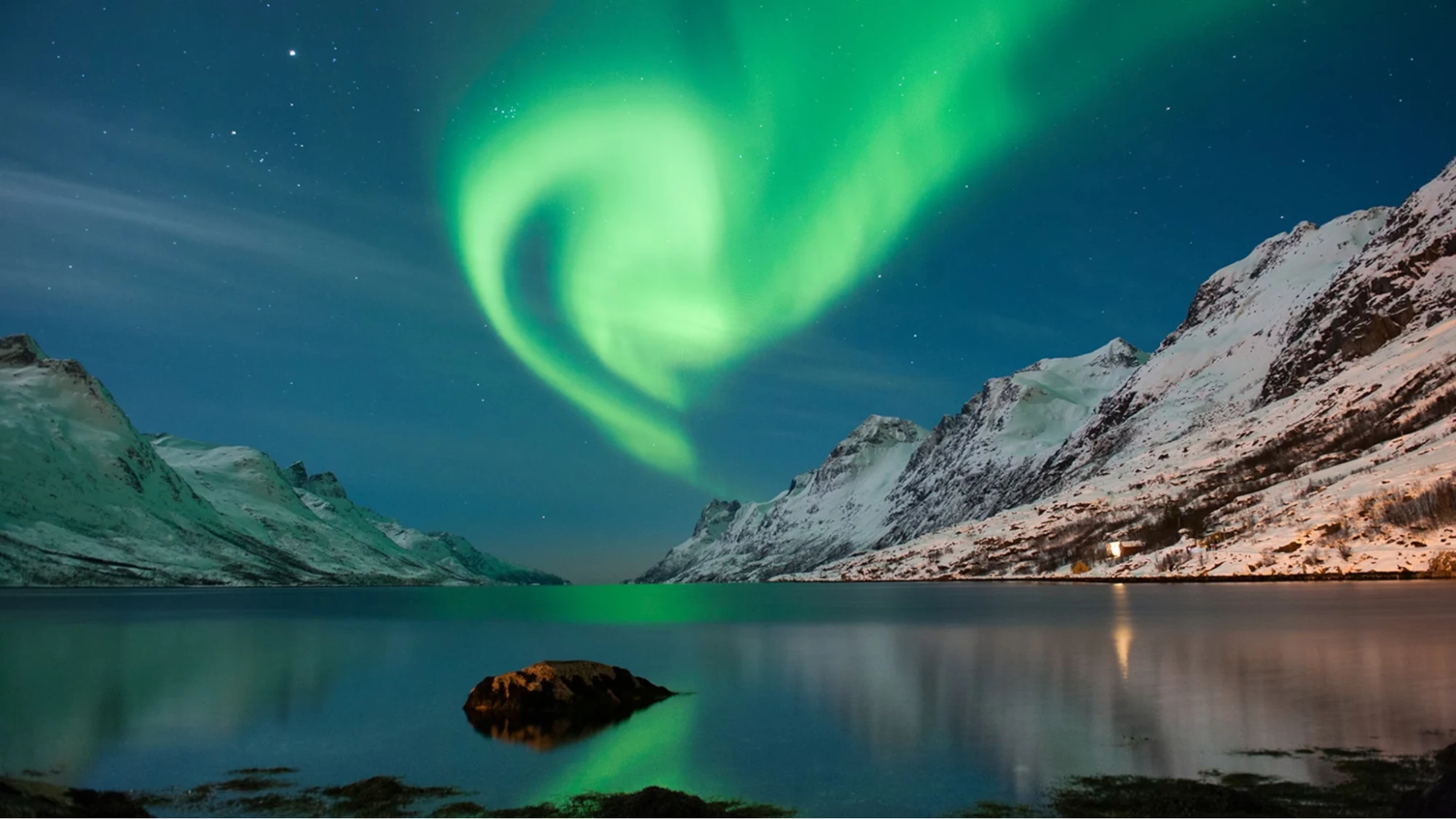
Fjords, Arctic landscapes, Northern Lights and unforgettable Nordic journeys.
Explore Norway →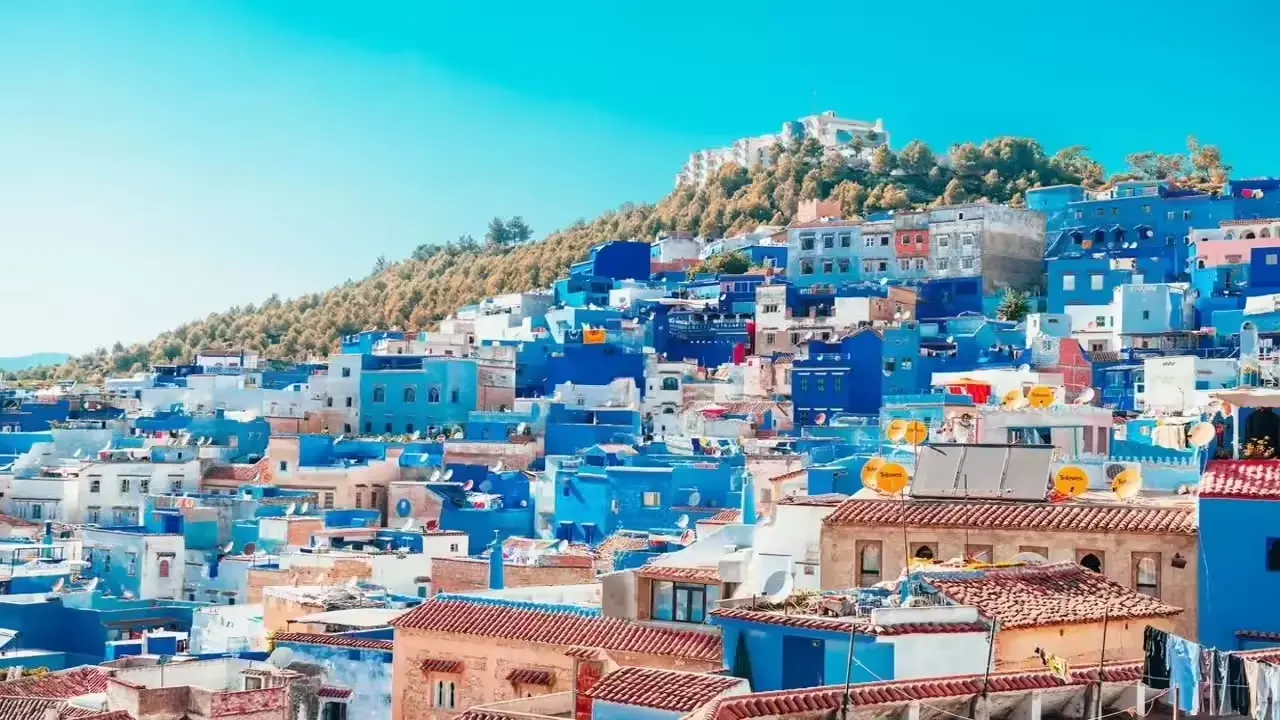
Historic medinas, Sahara landscapes and immersive cultural journeys.
Explore Morocco →Frequently asked questions
Croatia is famous for its UNESCO-listed walled city of Dubrovnik, the turquoise lakes and waterfalls of Plitvice Lakes National Park, the luxury island of Hvar, and Roman ruins in Split. It is one of Europe's most sought-after coastal destinations, known for its crystal-clear Adriatic waters, medieval old towns, and island-hopping culture.
The best time to visit Croatia is May, early June, and September — the shoulder season offers pleasant weather, fewer crowds, and lower prices than peak summer. July and August are ideal for beaches and island hopping but bring peak crowds and costs. Spring is excellent for Plitvice Lakes and nature experiences.
A well-structured Croatia itinerary typically requires 8–10 days: 2–3 nights in Dubrovnik, 1–2 nights at Plitvice Lakes, 2 nights in Split, and 2 nights on Hvar or another island. This allows for both coastal exploration and natural attractions without feeling rushed.
Yes. Croatia has a well-developed luxury travel offering — boutique hotels within Dubrovnik's old town walls, private yacht charters along the Adriatic, high-end villa stays on Hvar, and curated sailing itineraries across the islands. The country's scenic coastline and Mediterranean climate make it a natural fit for premium European travel.
Yes. Indian passport holders require a Schengen visa or a Croatian national visa to visit Croatia. Croatia joined the Schengen Area in 2023, so a valid Schengen visa covers entry. We guide you through documentation and timing requirements during the planning process.
Most travellers fly from India to Dubrovnik or Zagreb with one stopover — typically in Dubai, Abu Dhabi, Frankfurt, or Istanbul. Total travel time is approximately 10–14 hours depending on the route. Split and Zagreb also receive direct connections from major European hubs.
Pack light, breathable clothing for summer coastal travel, comfortable walking shoes for cobbled old towns and national park walkways, swimwear and beachwear, a light layer for evening dining, and sun protection. For Plitvice Lakes, comfortable non-slip footwear is recommended for the wooden walkways.
Yes. Croatia is a safe and well-established European tourist destination with a strong infrastructure for international visitors. It is an EU member state with high standards for accommodation, transport, and visitor services. Standard travel precautions apply, particularly in peak-season crowd management in Dubrovnik.
Yes. Croatia is an increasingly popular honeymoon destination — combining sunset walks along Dubrovnik's ancient walls, private yacht sailing along the Adriatic, intimate boutique stays on Hvar, and the natural beauty of Plitvice Lakes. The combination of history, scenery, and luxury creates a deeply romantic itinerary.
Yes. Croatia is commonly combined with Slovenia, Montenegro, or Italy given its location on the Adriatic. It pairs particularly well with a few days in Venice or the Slovenian Lake Bled region. From India, it is often included in a broader Central or Southern Europe itinerary.
Plan Your Croatia Tour
Let our travel specialists design a custom Croatia itinerary tailored to your dates, preferred season, and travel style.