
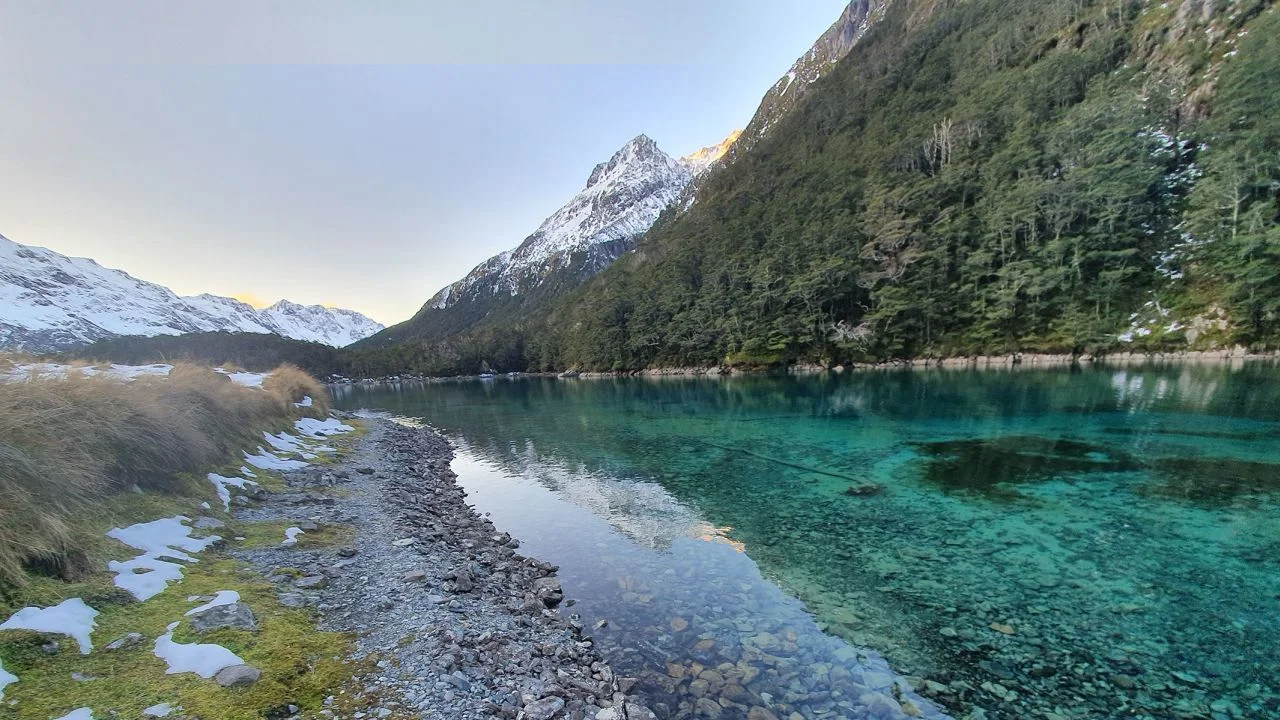
New Zealand Travel Guide
A Complete Destination Overview for Luxury Travellers
New Zealand Travel Guide: A Complete Destination Overview
New Zealand is a geographically isolated island nation in the South Pacific, composed of two main landmasses, the North Island and the South Island. Despite its relatively small size, it offers one of the most diverse natural environments in the world, ranging from glacier-carved fjords and alpine mountain ranges to geothermal valleys, volcanic landscapes, and pristine coastal regions.
For travelers planning a trip from India, New Zealand offers a rare combination of dramatic scenery, low crowd density, and high-quality experiences, all within a well-organized, safe travel environment. If you're planning logistics, start with how to reach New Zealand from Indiaand keep your budget realistic.
This destination guide covers New Zealand in depth, its geography, key regions, seasonal patterns, iconic landscapes, and how to choose the right experiences based on your travel goals. For cultural context, explore Māori culture, including what to expect from a traditional Māori cultural experience in Rotorua.
Insights are drawn from the experience of a trusted travel agency for New Zealand , focused on itinerary quality, timing, and luxury lodge experiences.
Every detail in this guide is informed by the planning philosophy of our international travel agency in Gurgaon , known for crafting refined long-haul travel experiences.
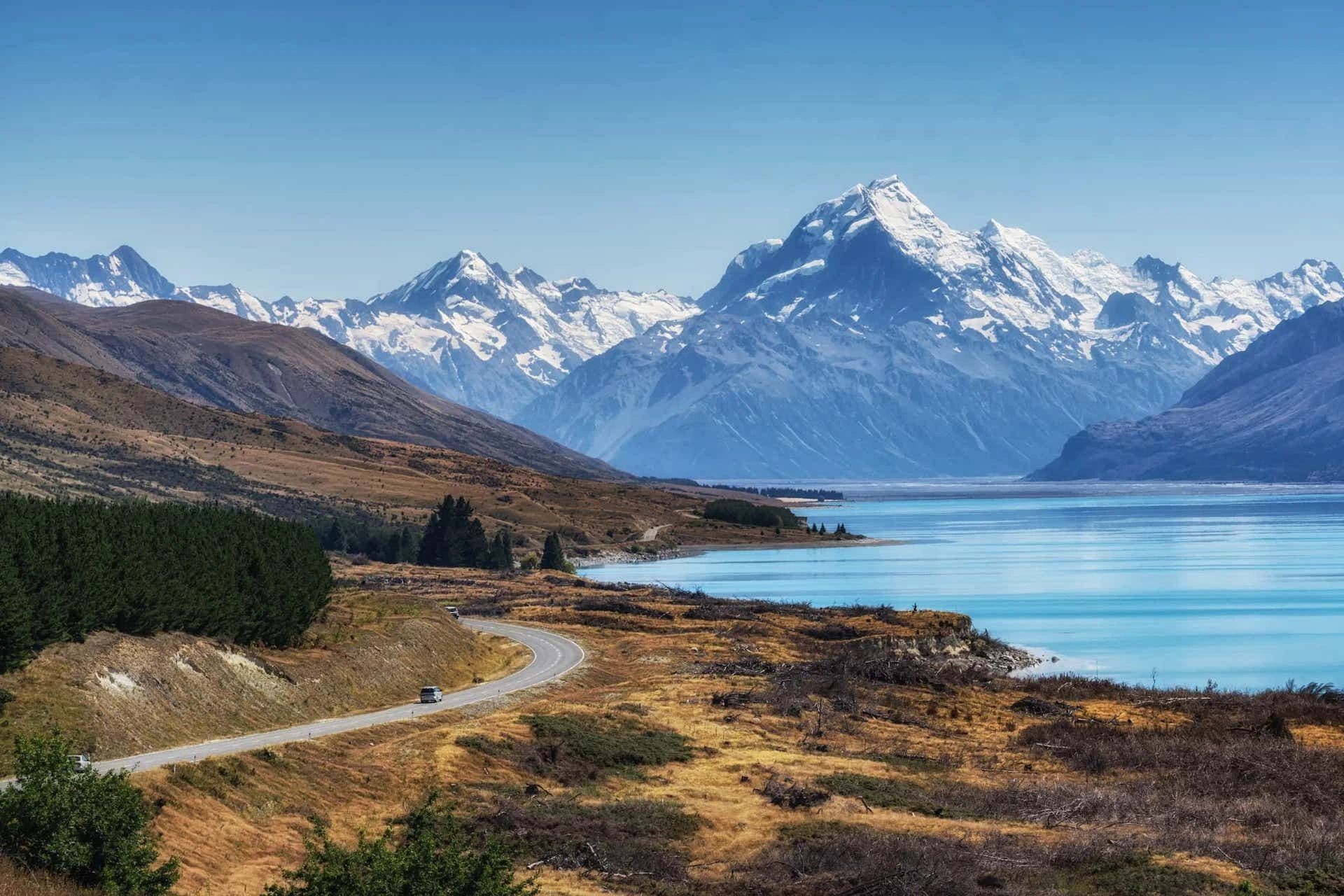
New Zealand, The Land of Dramatic Landscapes
New Zealand is a geographically isolated island nation located in the South Pacific Ocean, situated approximately 2,000 kilometres southeast of Australia. It consists of two main islands — the North Island and the South Island — along with numerous smaller islands, and is home to one of the most visually diverse natural environments in the world.
What differentiates New Zealand from other long-haul destinations is the density and accessibility of its scenery. Within a few hours of travel, landscapes can shift dramatically — from snow-covered peaks to lush forests and coastal bays, as documented by Tourism New Zealand.
For luxury travelers, New Zealand stands out for its low crowd density, high-quality private lodges, and immersive nature experiences. Its open landscapes, accessible infrastructure, and broad seasonal appeal make it particularly suitable for travelers seeking multi-experience itineraries without excessive transit.
Landscape & Geographic Character
New Zealand's terrain is shaped by tectonic activity, glaciation, and volcanic processes. The South Island is dominated by the Southern Alps, which run along its spine and create dramatic elevation changes. The North Island, by contrast, features geothermal zones, rolling green hills, and active volcanic systems.
The country's geographic isolation has also led to unique ecosystems, with flora and fauna found nowhere else on Earth. Landscapes feel largely untouched and visually distinct from other global destinations — a quality that has made New Zealand a benchmark for nature-focused travel.
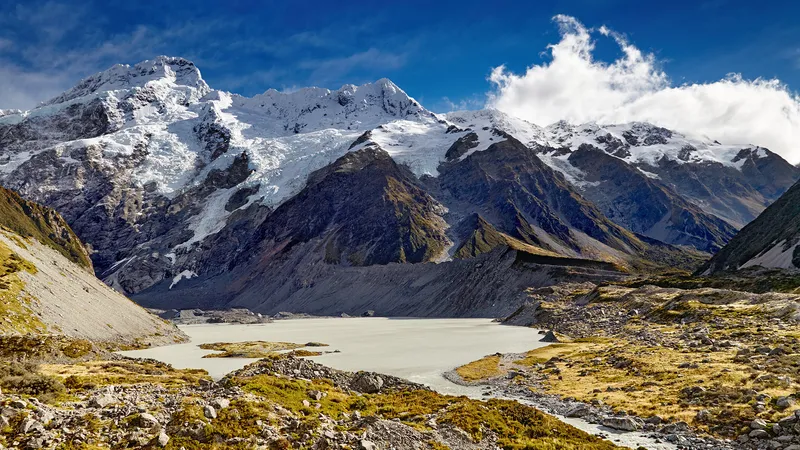
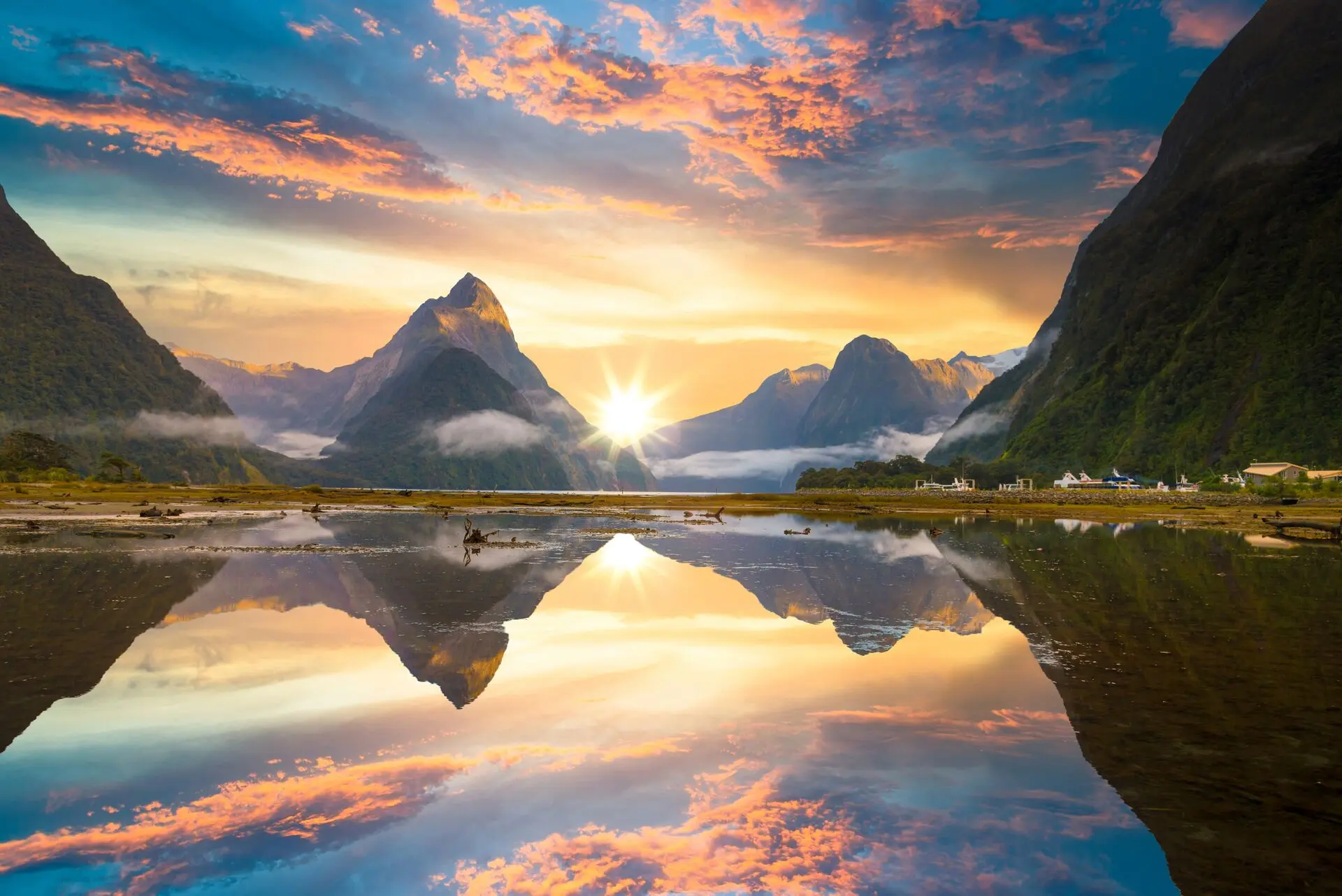
Milford Sound: New Zealand's Iconic Fjord
Located within Fiordland National Park, Milford Sound is widely regarded as New Zealand's most iconic natural landscape. It is a fjord formed by glacial activity, where sheer rock faces rise directly from the water, often covered in cascading waterfalls.
The defining feature of Milford Sound is its scale and atmosphere. Rainfall enhances its beauty, creating hundreds of temporary waterfalls flowing down the cliffs. The experience is less about a single viewpoint and more about immersion — typically via a fjord cruise or scenic helicopter flight, both of which offer uninterrupted perspectives.
Queenstown: Gateway to the Southern Alps
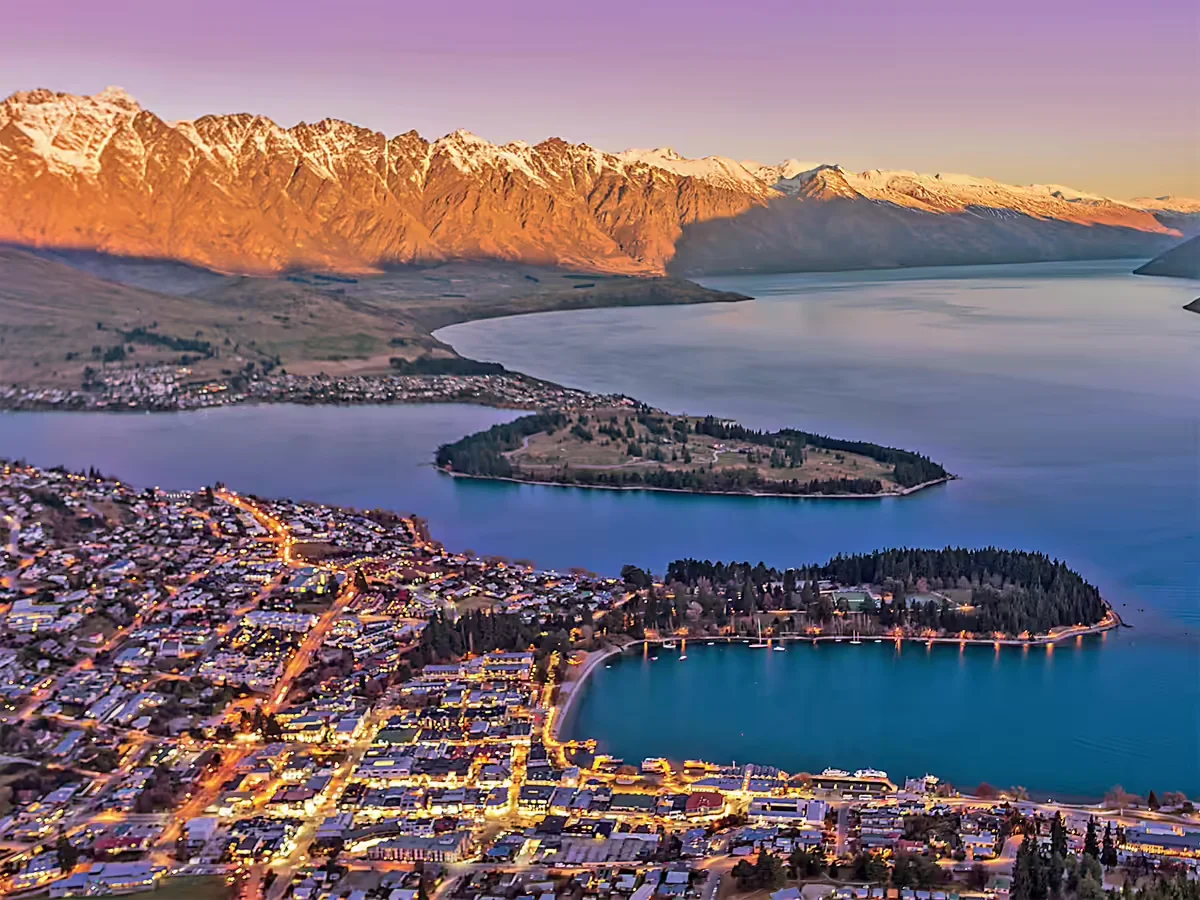
Queenstown is positioned on the shores of Lake Wakatipu, surrounded by the Remarkables mountain range. While globally recognised as the "adventure capital of the world," its broader appeal lies in its combination of dramatic scenery and exceptional accessibility.
The town acts as a base for a wide range of experiences — from alpine drives and vineyard tours in the Gibbston Valley to heli-skiing and lake cruises. Luxury accommodations are often located on elevated terrain, offering panoramic lake and mountain views that are central to the Queenstown experience.
Lake Tekapo: Alpine Lake & Dark Sky Reserve
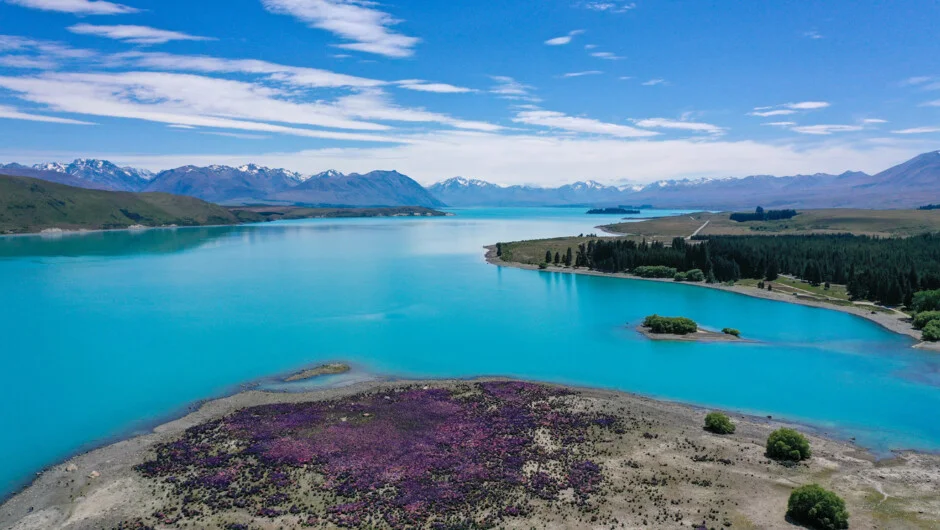
Lake Tekapo is known for its distinct turquoise water, a result of fine glacial sediment — known as rock flour — suspended in the lake. The surrounding landscape is relatively open, allowing uninterrupted views of the Southern Alps in all directions.
What elevates Tekapo beyond a standard lake destination is its status as part of an International Dark Sky Reserve. At night, the absence of light pollution reveals exceptionally clear views of the Milky Way. The combination of alpine scenery during the day and astronomical visibility at night makes it a dual-experience destination unlike any other.
Rotorua: Geothermal Landscapes & Māori Culture
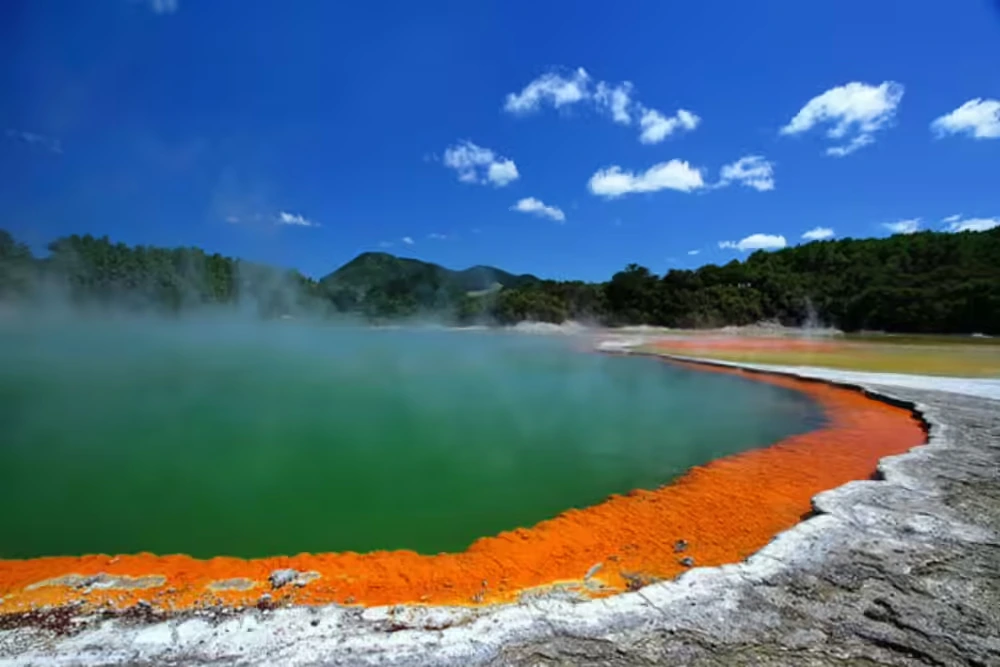
Rotorua is located on the North Island and is one of the most geothermally active regions in the world. The landscape is defined by geysers, bubbling mud pools, and mineral-rich thermal springs — a visually dramatic environment that feels unlike anywhere else on Earth.
In addition to its geological features, Rotorua is a key centre for Māori culture, offering structured cultural experiences that include traditional performances, hangi food, and storytelling. The destination combines natural phenomena with cultural depth, making it distinct from purely scenic locations — use our Māori culture Rotorua guide to understand what to expect.
Types of Experiences in New Zealand
New Zealand is not a single-theme destination. It supports multiple travel styles within one itinerary — from remote luxury retreats to active adventures and cultural immersion. This flexibility allows trips to be tailored precisely based on pace, comfort level, and travel goals.
Key experience categories include scenic road trips across the South Island, adventure activities such as glacier hiking and skydiving, luxury lodge stays in remote landscapes, Māori heritage experiences in Rotorua, and wildlife and marine encounters across both islands.
Planning a New Zealand Trip from India
Travelers from India typically fly into Auckland or Christchurch with one stopover, before beginning their New Zealand itinerary. Important considerations include island routing, lodge selection, seasonal pricing, visa requirements, and whether to combine with Australia on the same trip. According to official guidance from Tourism New Zealand, the country's infrastructure and safety standards make it one of the most accessible long-haul destinations for independent and guided travel.
Most travelers spend 10–14 days in New Zealand to cover both islands efficiently. A South Island–focused itinerary can be done in 7–10 days.

Big Five wildlife, luxury safari lodges and the world-famous Great Migration.
Explore Masai Mara →
Serengeti safaris, Ngorongoro and unforgettable African landscapes.
Explore Tanzania →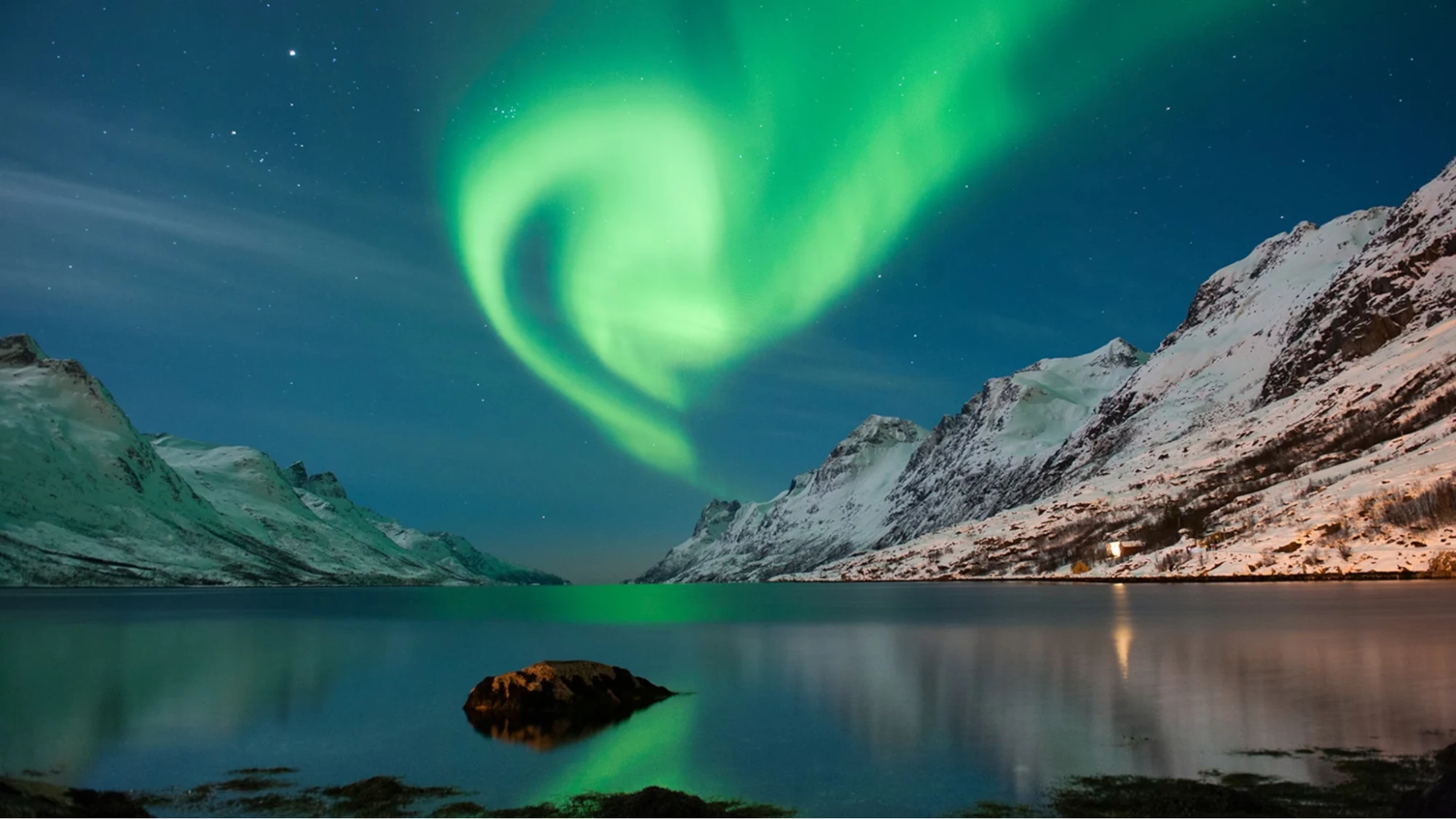
Fjords, Arctic landscapes, Northern Lights and unforgettable Nordic journeys.
Explore Norway →Frequently asked questions
New Zealand is famous for its extraordinary natural diversity — from glacial fjords and volcanic landscapes to alpine lakes and geothermal valleys — all accessible within a compact, well-connected itinerary.
For most travellers, December to March (Southern Hemisphere summer) offers the best weather, long daylight hours, and access to all major experiences. Shoulder seasons (March–May, September–November) offer fewer crowds and good value.
Most travelers spend 10–14 days in New Zealand to cover both islands. A South Island focused itinerary can be done in 7–10 days, while adding the North Island extension (Rotorua, Auckland) rounds out the experience.
Both islands offer very different experiences. The South Island is known for dramatic scenery — fjords, alpine lakes, and mountain ranges. The North Island offers geothermal landscapes, Māori culture, and coastal regions. Ideally, visit both for a complete picture.
Yes. Indian passport holders need a New Zealand visitor visa. Applications are processed online. We guide you through documentation and timing requirements during the planning process.
Most travellers fly from India to Auckland or Christchurch, typically with one stopover (Singapore, Kuala Lumpur, or Dubai). Total travel time is approximately 16–20 hours depending on the route. New Zealand is often combined with Australia on the same trip.
Pack layers — weather can change quickly, especially in the South Island. Include a waterproof jacket, comfortable walking shoes, sunscreen (UV levels are high), and warm clothing for alpine areas. Comfortable casual wear works for most lodges and activities.
Yes, New Zealand is consistently ranked among the safest travel destinations in the world. It has excellent infrastructure, well-regulated tourism operators, and a welcoming local culture.
Yes. New Zealand is one of the best long-haul destinations for families and first-time travellers to the Southern Hemisphere. Driving distances are manageable, activities suit all ages, and the country's safety and organisation make independent travel easy.
Yes, and this is one of the most popular combinations for Indian travellers. A typical combined itinerary runs 14–18 days, covering key Australian cities alongside New Zealand's South and/or North Island highlights.
Plan Your New Zealand Tour
Let our travel specialists design a custom New Zealand itinerary tailored to your dates, preferences, and travel style.