
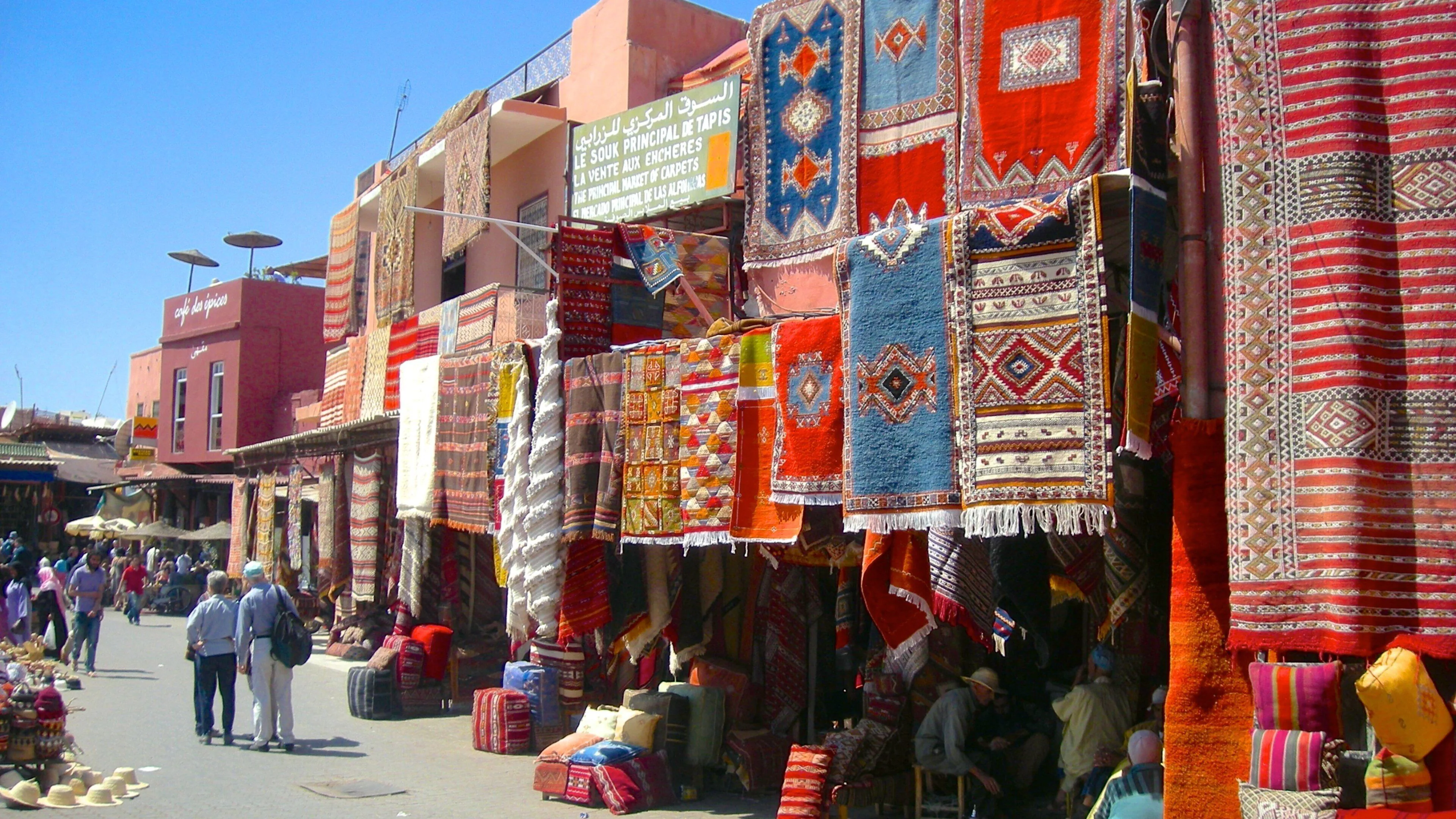
Morocco Travel Guide
A Complete Destination Overview for Luxury Travellers
Morocco Travel Guide: A Complete Destination Overview
Morocco is a culturally rich North African destination located at the crossroads of Europe, Africa, and the Middle East. Positioned between the Atlantic Ocean and the Sahara Desert, the country offers an exceptional diversity of landscapes — ranging from bustling historic cities and coastal towns to vast deserts and rugged mountain ranges.
For travelers planning a trip from India, Morocco offers a rare combination of cultural depth, visual diversity, and immersive experiences — all within a well-connected, relatively compact travel radius. If you're planning logistics, start with our guide on how to reach Morocco from India and keep your budget realistic using the Morocco cost guide for Indian travelers.
This destination guide covers Morocco in depth — its key regions, iconic cities, desert landscapes, mountain scenery, and how to structure the right itinerary based on your travel goals. What sets Morocco apart is its layered identity: influences from Arab, Berber, and French colonial history are visible in its architecture, cuisine, language, and daily life.
Insights are drawn from the experience of a trusted travel agency for Morocco , focused on itinerary quality, timing, and curated cultural experiences.
Every detail in this guide is informed by the planning philosophy of our international travel agency in Gurgaon , known for crafting refined long-haul travel experiences.
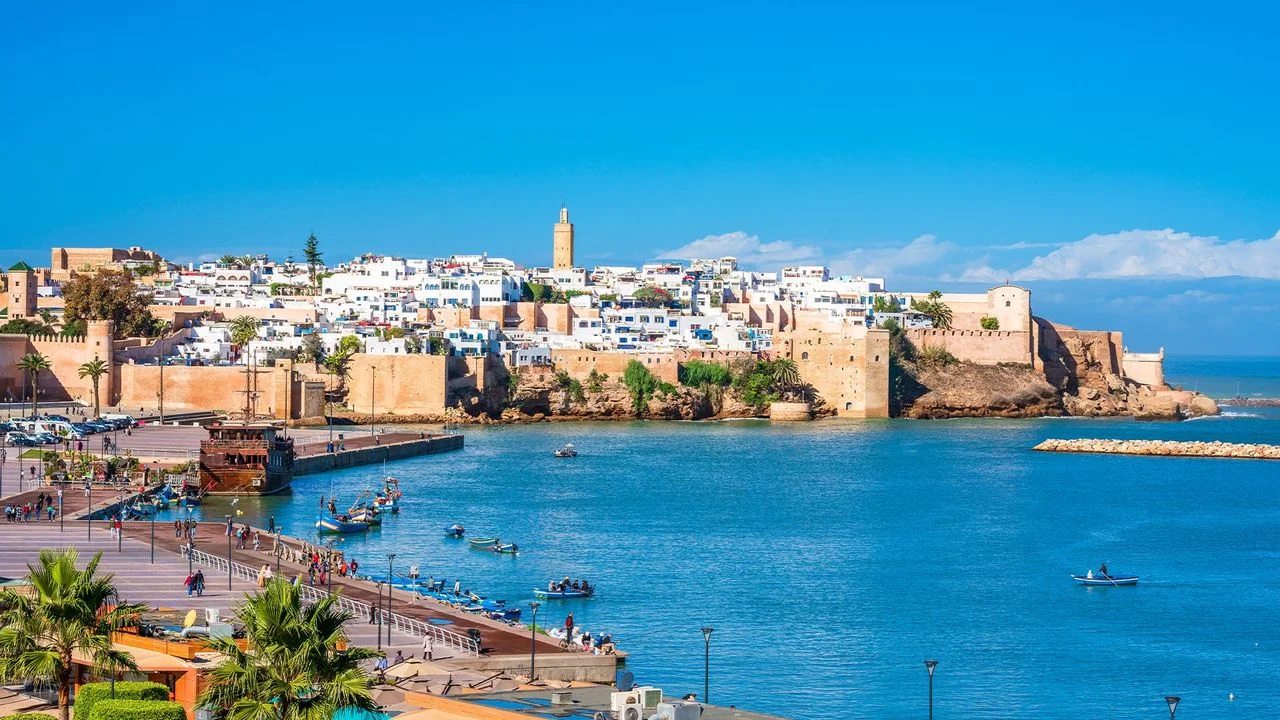
Morocco, The Gateway to Desert & Culture
Morocco is a North African country sharing borders with Algeria to the east and the Atlantic and Mediterranean coastlines to the west and north, with the Sahara Desert defining its southern reaches. Despite its geographic compactness relative to other African nations, it contains an extraordinary variety of environments — medieval cities, alpine mountain ranges, Atlantic beaches, and one of the world's most iconic desert landscapes.
For most international travelers, Morocco is not a single-location trip but a multi-region journey — typically combining imperial cities, desert landscapes, and mountain scenery within one well-structured itinerary. This diversity within a driveable distance is one of Morocco's strongest travel advantages.
What sets Morocco apart is its layered identity. Influences from Arab, Berber (Amazigh), and French colonial history are visible in its architecture, cuisine, language, and daily life — making it both exotic and remarkably accessible for first-time visitors.
Why Visit Morocco?
Morocco appeals to travelers seeking a mix of culture, landscapes, and immersive experiences rather than just sightseeing. The country is especially popular among travelers who value photography, architecture, and cultural immersion — categories where Morocco consistently ranks among the world's top destinations.
Key reasons travelers choose Morocco include its cultural depth — historic medinas, mosques, riads, and centuries-old traditions; its visual diversity across blue towns, desert dunes, and snow-capped mountains; its experiential travel offering through souk exploration, desert camps, and hammam rituals; and a strong luxury potential through high-end riads, boutique stays, and curated desert experiences.
Marrakech: The Cultural & Sensory Core
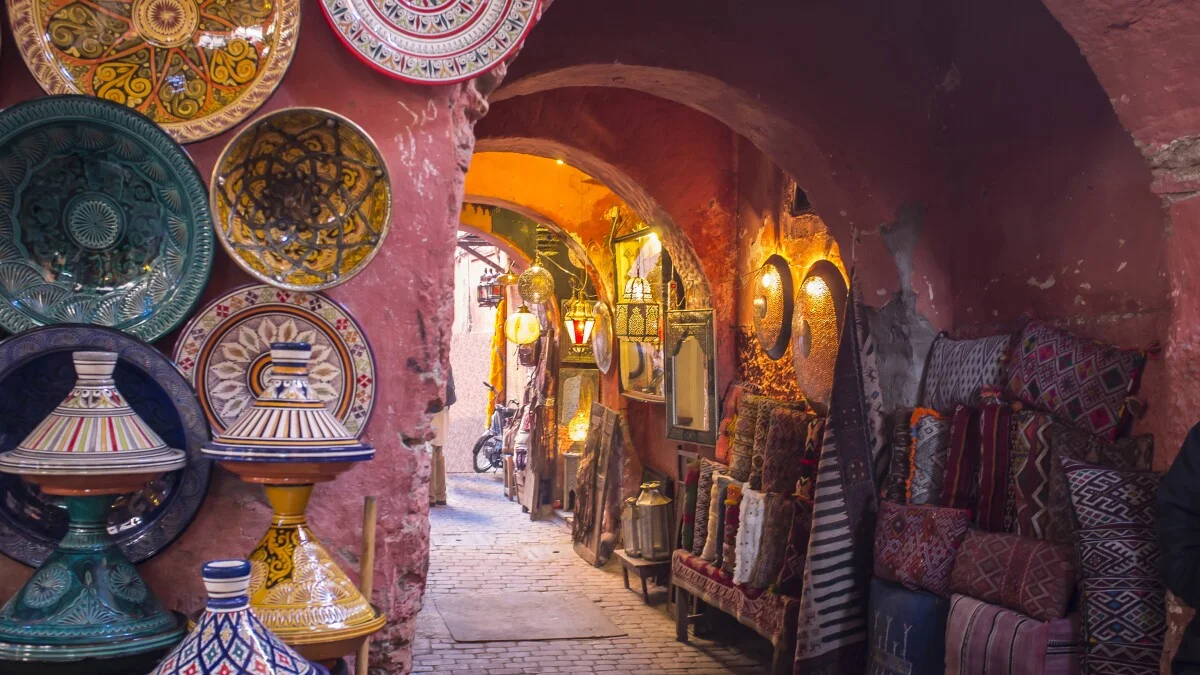
Marrakech is often the starting point for Morocco journeys and serves as the country's most dynamic city. Its historic medina is a UNESCO-listed area filled with narrow alleys, bustling souks, and traditional riads that provide an immediately immersive entry into Moroccan culture.
What defines Marrakech is its intensity of experience — the sounds of street performers, the aroma of spices, the colors of handcrafted goods, and the architectural beauty of palaces and mosques. Key highlights include the Jemaa el-Fnaa square with its street performances and food stalls, the ornate Bahia Palace, the Majorelle Garden, and traditional riads offering courtyard-style living.
Marrakech is less about sightseeing and more about experiencing a living, breathing cultural environment unlike anywhere else.
Sahara Desert: The Landscape Experience
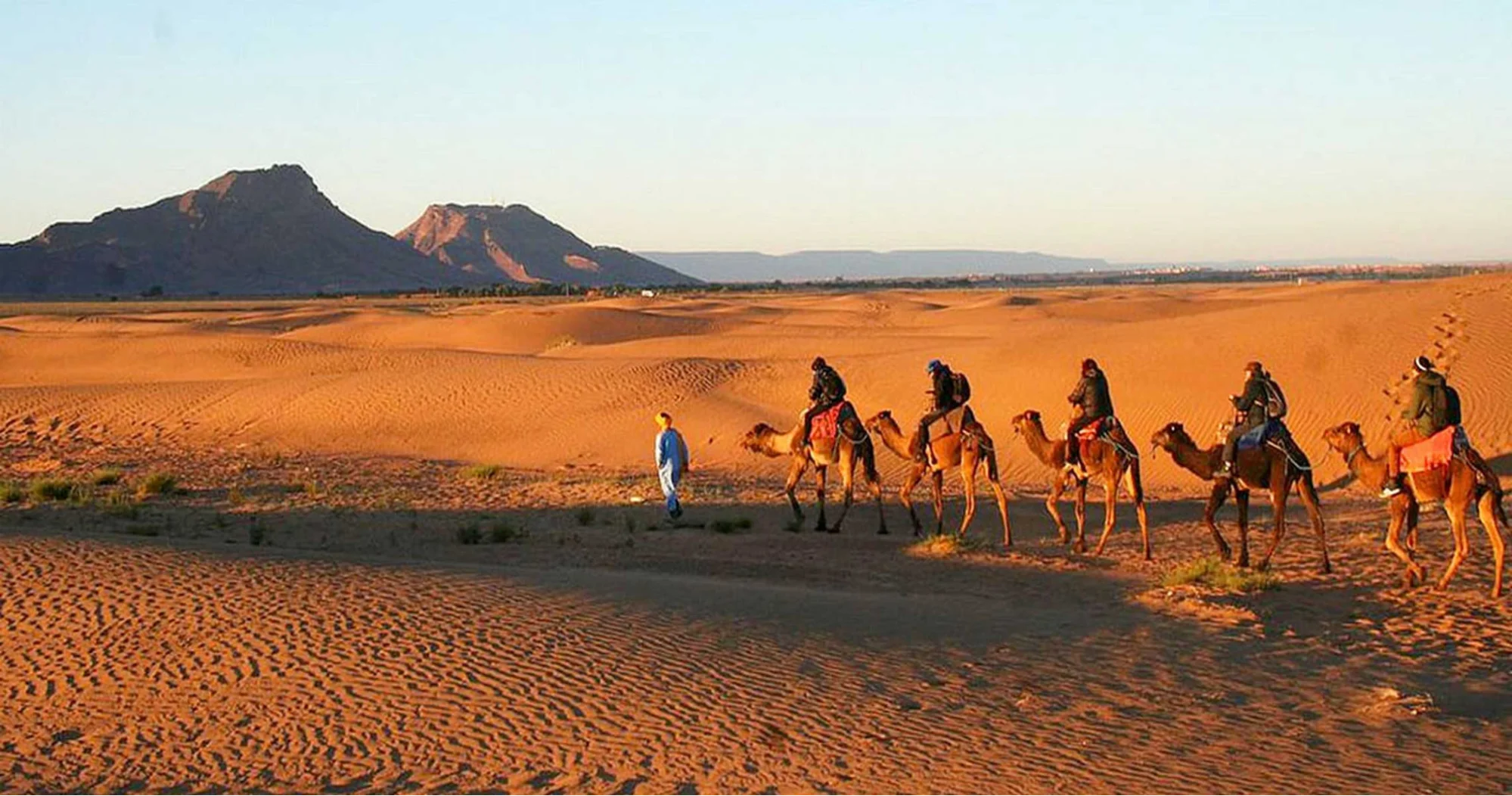
The Sahara Desert represents Morocco's most iconic natural environment. Located in the southeast, regions like Merzouga and the Erg Chebbi dunes offer access to vast sand dunes that shift in color from golden to deep orange depending on the light — creating landscapes of extraordinary visual power.
The desert experience is defined by camel treks at sunset, overnight stays in luxury desert camps beneath some of the world's clearest night skies, and the rare sensation of silence and scale that only open desert landscapes can provide. Unlike typical sightseeing, the Sahara is about immersion in isolation and natural beauty — making it one of the most transformative parts of any Morocco itinerary.
Chefchaouen: The Visual Landmark
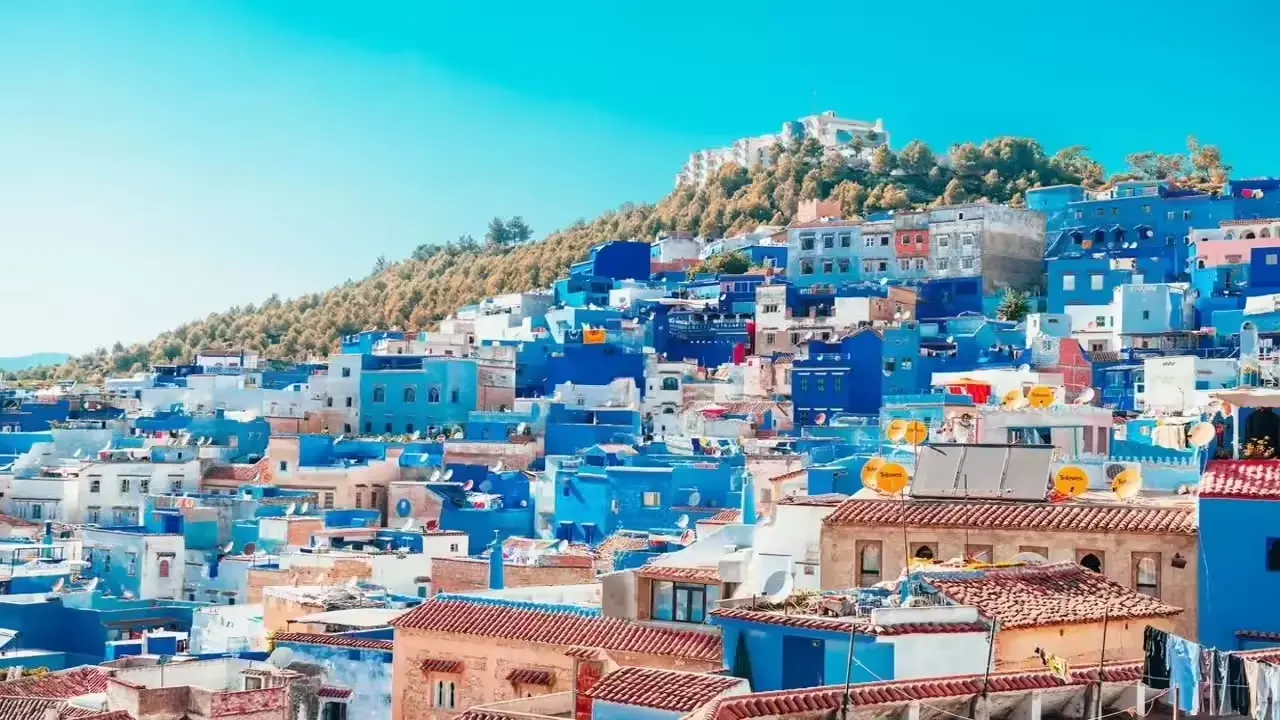
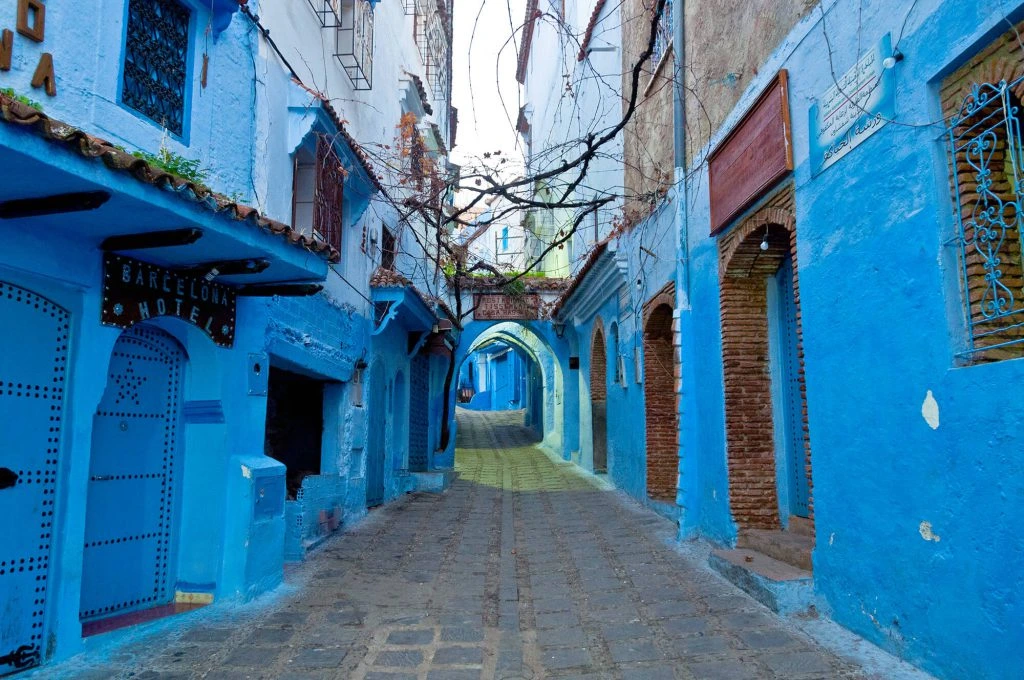
Chefchaouen, located in the Rif Mountains of northern Morocco, is one of the country's most visually distinctive destinations. Almost every building is painted in varying shades of blue — creating a calm, surreal atmosphere that feels entirely unlike any other town in the world.
The appeal of Chefchaouen lies in its photographic aesthetic, its slower pace compared to major cities, and the mountain backdrop that enhances its setting. Unlike Marrakech or Fes, Chefchaouen is not about activity — it is about ambience, walking, and visual experience. For travelers who value photography and authentic atmosphere, it is one of Morocco's most rewarding stops.
Atlas Mountains: The Scenic Contrast
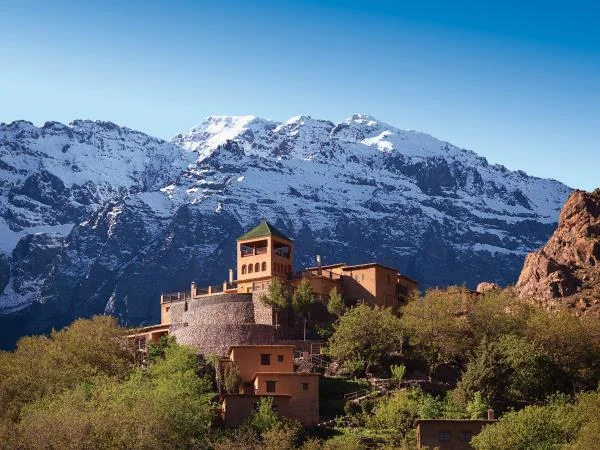
The Atlas Mountains stretch across Morocco and provide a landscape that is completely different from both the desert and the cities. This region is characterised by deep valleys, terraced agricultural fields, and traditional Berber villages that have remained largely unchanged for centuries.
The Atlas offers a cooler climate and green landscapes in contrast to the heat of Marrakech and the aridity of the Sahara. It is well suited for trekking, hiking, and cultural interaction with Berber communities. Popular access points such as Imlil serve as gateways for short treks or extended mountain experiences, and the region is commonly combined with Marrakech due to its proximity — often as a day trip or one-night addition to the itinerary.
Travel Experiences in Morocco
Beyond locations, Morocco is defined by its experiences. Walking through historic medinas is central to any Morocco journey — these areas are not designed for tourism but are functional, chaotic, and deeply authentic environments that reward slow exploration.
Overnight stays in desert camps — ranging from basic to ultra-luxury — offer a unique combination of isolation, comfort, and natural beauty in the Sahara. Traditional riads, Moroccan houses converted into boutique hotels, provide an intimate and culturally immersive stay experience at the heart of medina life.
Hammam rituals — traditional bathhouse experiences combining steam, exfoliation, and relaxation — are deeply rooted in Moroccan culture and a genuinely memorable addition to any itinerary. Moroccan cuisine, including tagine, couscous, and mint tea, reflects the country's cultural diversity and is often woven into curated travel experiences rather than treated as a secondary consideration.
👉 Luxury Riad Stays
👉 Desert Camp Experiences
👉 Guided Medina Experiences
When to Visit & Planning a Morocco Trip
The best time to visit Morocco is March to May and September to November, when temperatures are comfortable across all regions. Summer from June to August is very hot — particularly in desert areas — while winter from December to February is pleasant in cities but cold in mountain regions. Season selection significantly affects comfort, especially for desert travel.
A well-structured Morocco itinerary typically includes 2–3 nights in Marrakech, an optional 1–2 nights in the Atlas Mountains, 2 nights in the Sahara Desert, and 1–2 nights in Chefchaouen or Fes. Travel between regions is mostly road-based, and the scenic drives between destinations are a key part of the overall experience. Use our Morocco itinerary guide to plan your days and check Morocco visa requirements for Indians well in advance.
Big Five wildlife, luxury safari lodges and the world-famous Great Migration.
Explore Masai Mara →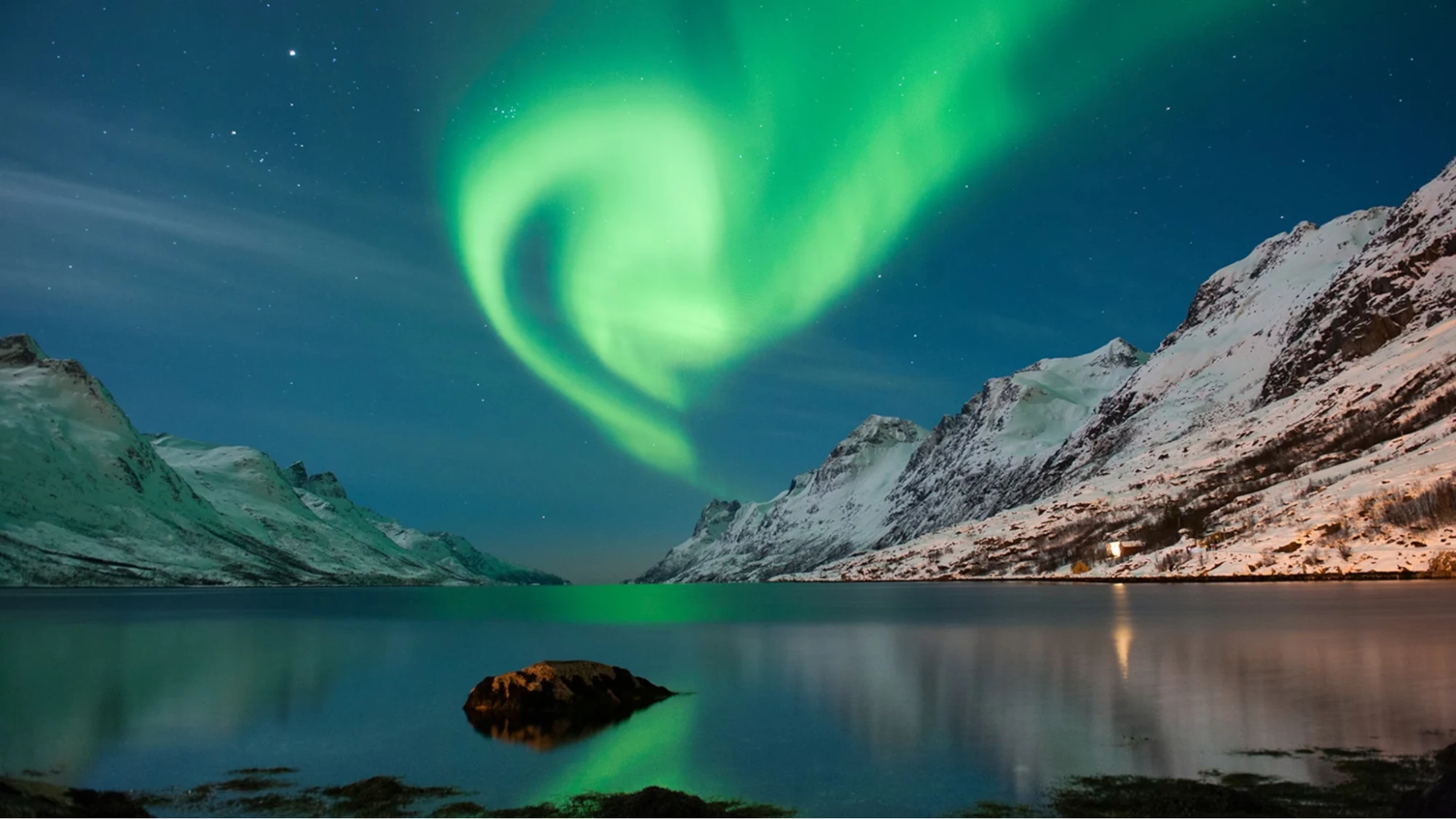
Fjords, Arctic landscapes, Northern Lights and unforgettable Nordic journeys.
Explore Norway →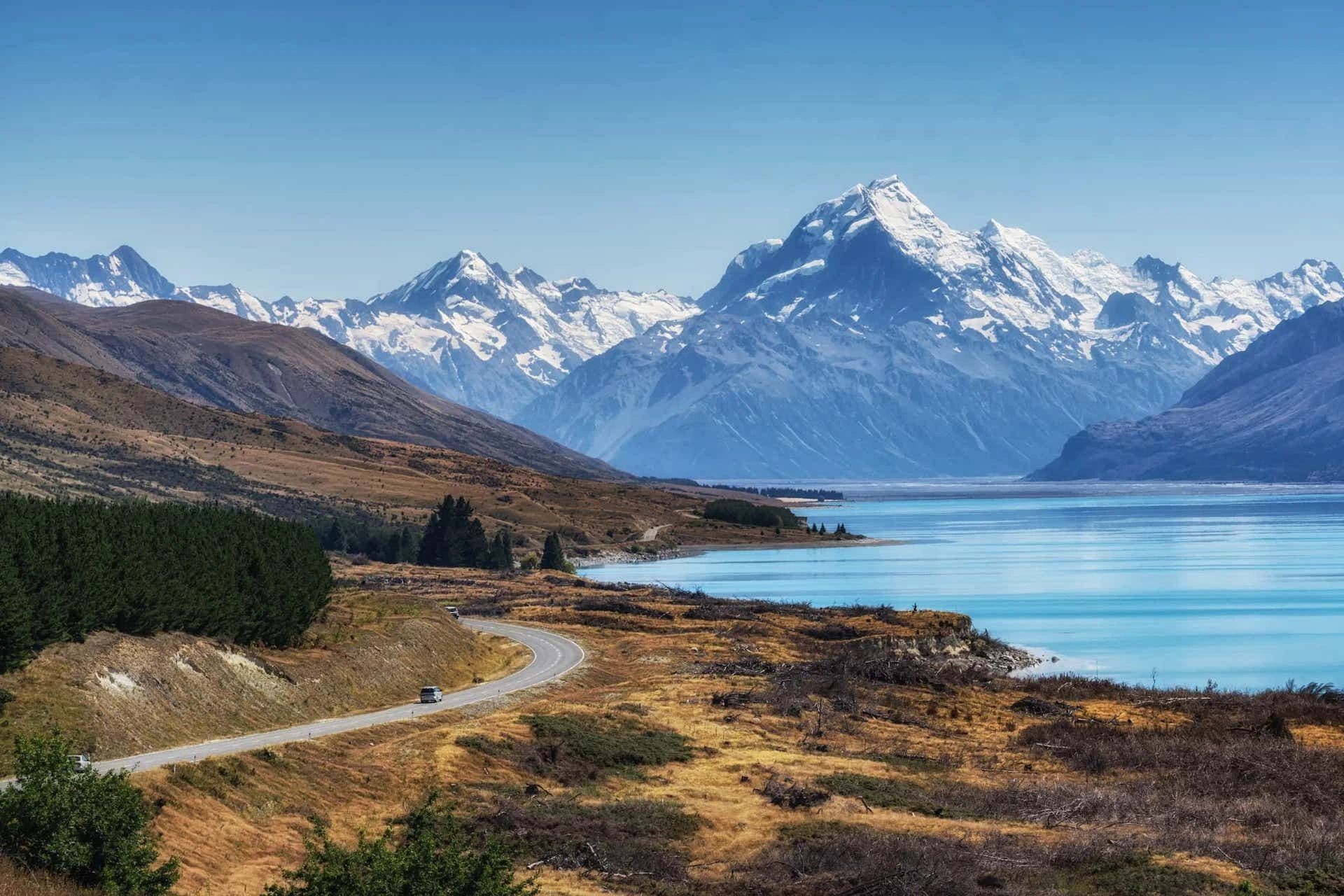
Scenic landscapes, alpine journeys and unforgettable luxury adventures.
Explore New Zealand →Frequently asked questions
Morocco is famous for its historic imperial cities, Sahara Desert landscapes, blue-painted town of Chefchaouen, traditional riads, and a rich cultural identity shaped by Arab, Berber, and French influences.
The best time to visit Morocco is March to May and September to November. Summer (June–August) is very hot, especially in desert regions, while winter (December–February) is pleasant in cities but cold in the mountains.
A well-structured Morocco itinerary typically requires 8–10 days: 2–3 nights in Marrakech, 1–2 nights in the Atlas Mountains, 2 nights in the Sahara Desert, and 1–2 nights in Chefchaouen or Fes.
Yes. Morocco has a strong luxury travel offering — high-end riads in Marrakech and Fes, boutique desert camps in the Sahara, and curated cultural experiences. The country is well set up for premium, immersive travel.
Yes. Indian passport holders require a visa to visit Morocco. Applications are submitted through the Moroccan embassy. We guide you through documentation and timing requirements during the planning process.
Most travellers fly from India to Marrakech or Casablanca with one stopover — typically in Dubai, Abu Dhabi, Doha, or Istanbul. Total travel time is approximately 10–14 hours depending on the route.
Pack light layers for variable temperatures, modest clothing for medinas and mosques, comfortable walking shoes for cobbled streets, sunscreen, and a warm layer for desert nights and mountain regions. A light scarf is useful for desert excursions.
Yes. Morocco is a well-established tourist destination with a strong safety record. Traveling with reputable operators, staying in licensed accommodations, and using guided tours in medinas ensures a smooth experience.
Yes. Morocco is increasingly popular for honeymoon travel — combining luxury riad stays, private desert camps under the stars, and immersive cultural experiences creates a deeply romantic and memorable itinerary.
Yes. Morocco is commonly combined with Spain or Portugal given its proximity to Europe, or included in a broader Middle East and North Africa itinerary. From India, it is often paired with a European city stopover.
Plan Your Morocco Tour
Let our travel specialists design a custom Morocco itinerary tailored to your dates, preferences, and travel style.