
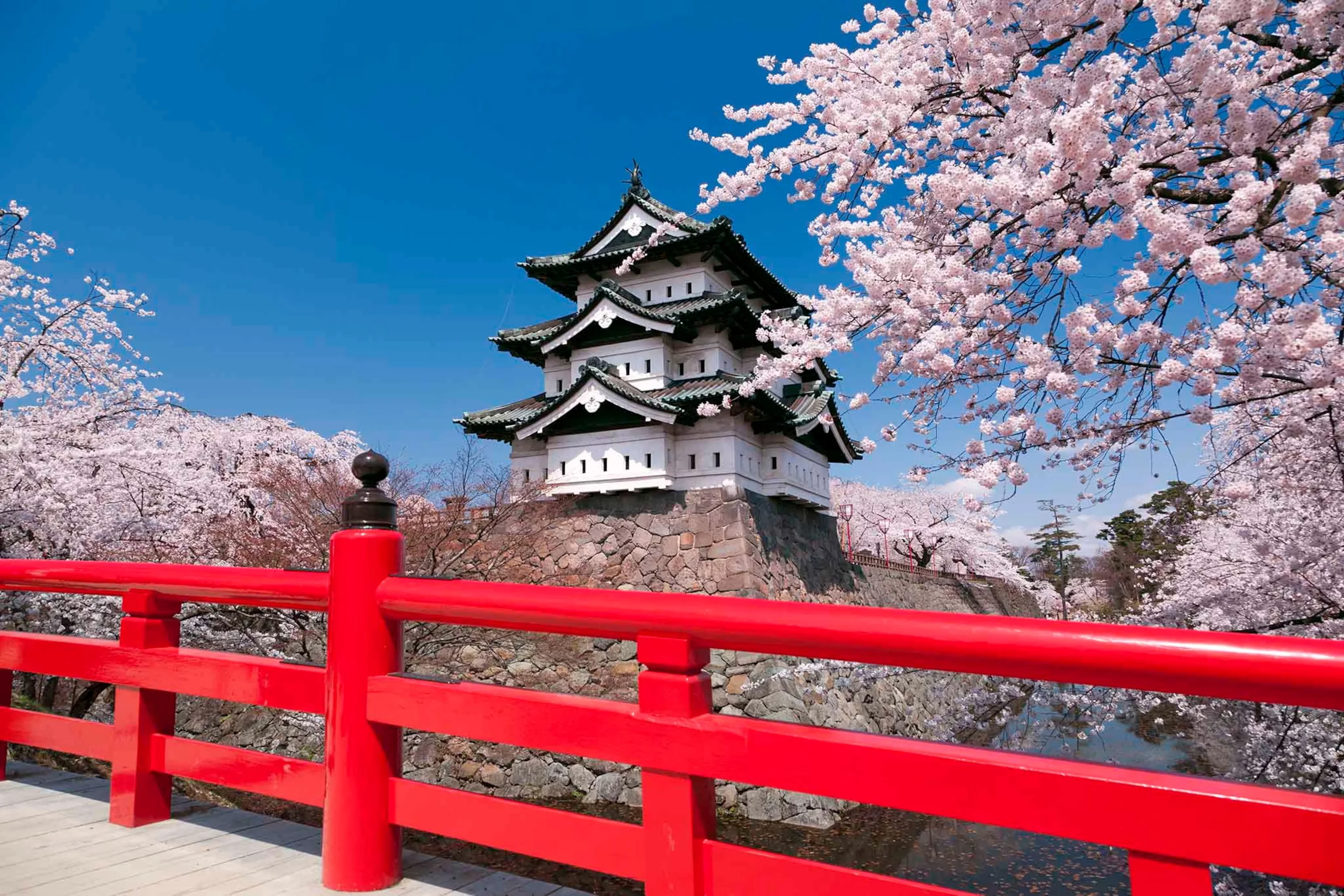
Japan Travel Guide
A Complete Destination Overview for Luxury Travellers
Japan Travel Guide: A Complete Destination Overview
Japan is a highly developed island nation in East Asia that offers one of the most layered travel experiences globally. It is defined by its ability to preserve centuries-old traditions while simultaneously operating at the forefront of technology, infrastructure, and design.
The country stretches across four main islands — Honshu, Hokkaido, Kyushu, and Shikoku — creating diverse landscapes that range from volcanic mountains and dense forests to coastal cities and rural countryside. For travelers planning a trip from India, Japan offers a rare combination of cultural precision, visual diversity, and immersive experiences.
This destination guide covers Japan in depth — its key regions, iconic cities, natural landmarks, cultural traditions, and how to structure the right itinerary based on your travel goals. What sets Japan apart is its seamless integration of the ancient and the modern — clean, efficient cities existing alongside centuries-old temples and rituals.
Insights are drawn from the experience of a trusted travel agency for Japan , focused on itinerary quality, seasonal timing, and curated cultural experiences.
Every detail in this guide is informed by the planning philosophy of our international travel agency in Gurgaon , known for crafting refined long-haul travel experiences.
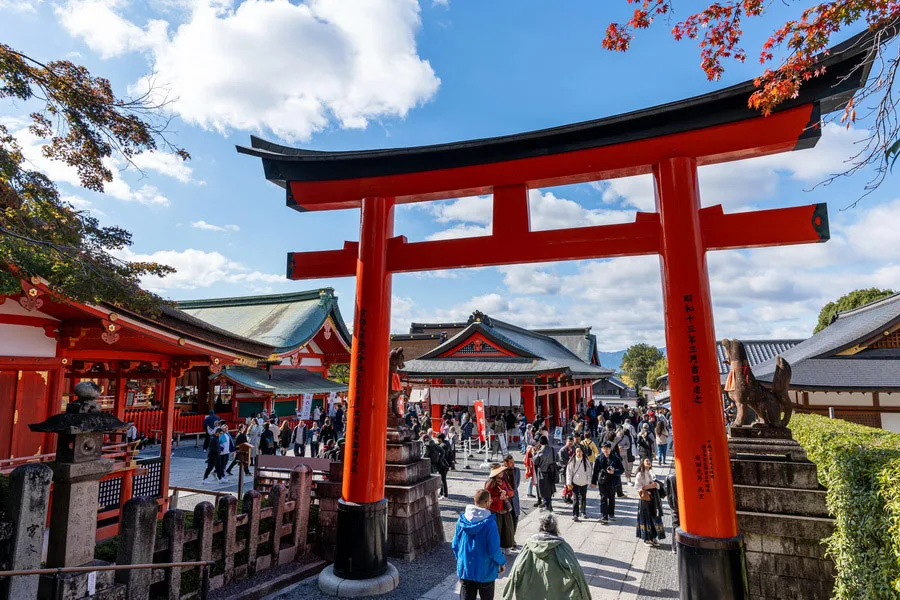
Japan, The Land of Tradition & Technology
Japan is a highly developed island nation in East Asia that offers one of the most layered travel experiences globally. It is defined by its ability to preserve centuries-old traditions while simultaneously operating at the forefront of technology, infrastructure, and design.
For most international travelers, Japan is not a single-location trip but a multi-region journey — typically combining world-class cities, historic cultural hubs, natural landmarks, and rural countryside within one well-structured itinerary. This diversity within a highly efficient rail network is one of Japan's strongest travel advantages.
Nearly 70% of the country is covered in forests, leaving cities concentrated along coastal plains. Volcanic mountains, natural hot springs, and dramatically shifting seasonal vegetation mean that Japan offers a completely different visual and sensory experience depending on when you visit.
Why Visit Japan?
Japan appeals to travelers seeking a mix of culture, precision, visual beauty, and immersive experiences rather than just sightseeing. The country is especially popular among travelers who value photography, architecture, cuisine, and cultural depth — categories where Japan consistently ranks among the world's very best destinations.
Key reasons travelers choose Japan include its extraordinary cultural depth — temples, shrines, tea ceremonies, and centuries-old traditions; its visual diversity across cherry blossoms, autumn foliage, snow landscapes, and neon-lit cities; its world-class food culture spanning sushi, ramen, kaiseki, and street food; and a strong luxury potential through high-end ryokan stays, private cultural tours, and exclusive seasonal experiences.
Tokyo: The Urban Cultural Core
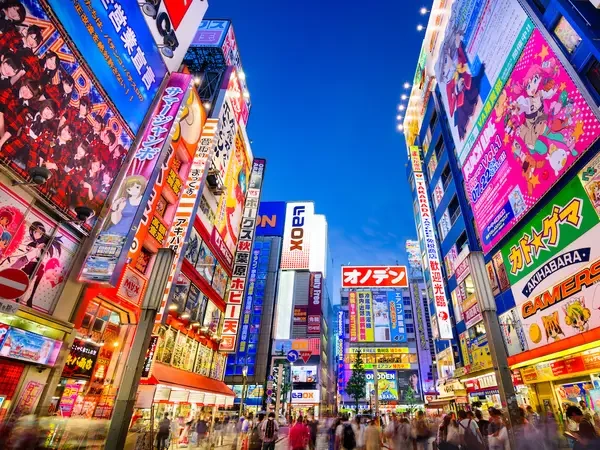
Tokyo is the world's largest metropolitan area and represents the modern face of Japan. It is a city of controlled chaos — fast-moving yet highly organized, and one of the most visually stimulating urban environments on the planet.
What defines Tokyo is its layered contrasts: hyper-modern skyscrapers alongside quiet traditional neighborhoods, Michelin-starred restaurants next to tiny ramen stalls, and cutting-edge technology coexisting with centuries-old temples. Key highlights include the iconic Shibuya Crossing, the luxury retail and dining of Ginza, the traditional atmosphere of Asakusa and Senso-ji Temple, and the high-energy entertainment districts of Shinjuku and Harajuku.
Tokyo is less about ticking off landmarks and more about absorbing an urban experience unlike anywhere else in the world.
Kyoto: The Cultural & Spiritual Heart
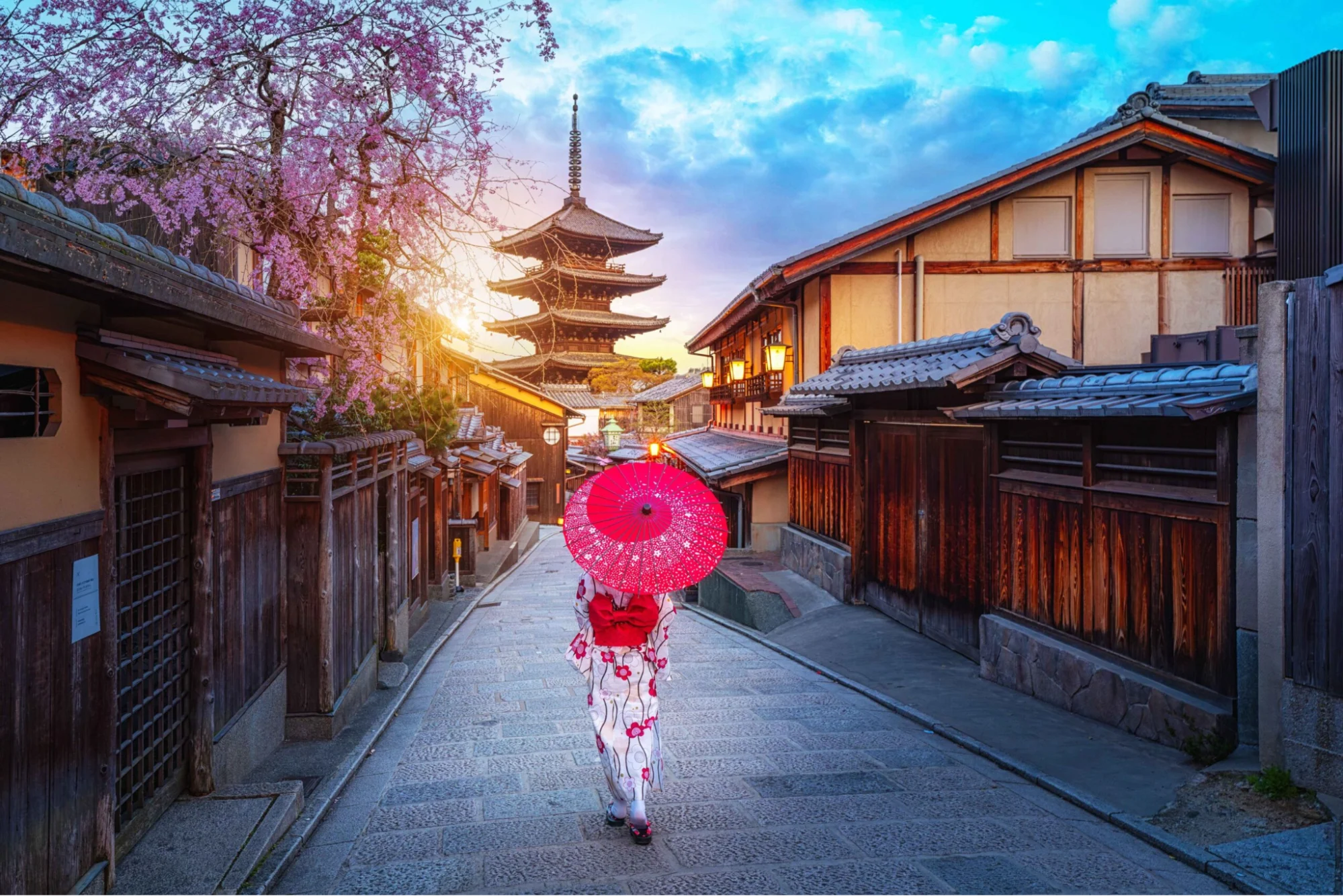
Kyoto is considered the cultural and spiritual center of Japan. As the country's former imperial capital, it preserves Japan's heritage through an extraordinary concentration of temples, shrines, Zen gardens, and traditional neighborhoods that have remained largely unchanged for centuries.
The Kyoto experience is defined by atmosphere and visual harmony rather than fast-paced activity. Key highlights include the golden reflection of Kinkaku-ji (the Golden Pavilion), the mesmerizing tunnel of thousands of red torii gates at Fushimi Inari Shrine, the immersive bamboo groves of Arashiyama, and the traditional streets and tea houses of the Gion district. Kyoto rewards slow, unhurried exploration — making it particularly well suited for travelers seeking depth over breadth.
Mount Fuji: The National Symbol
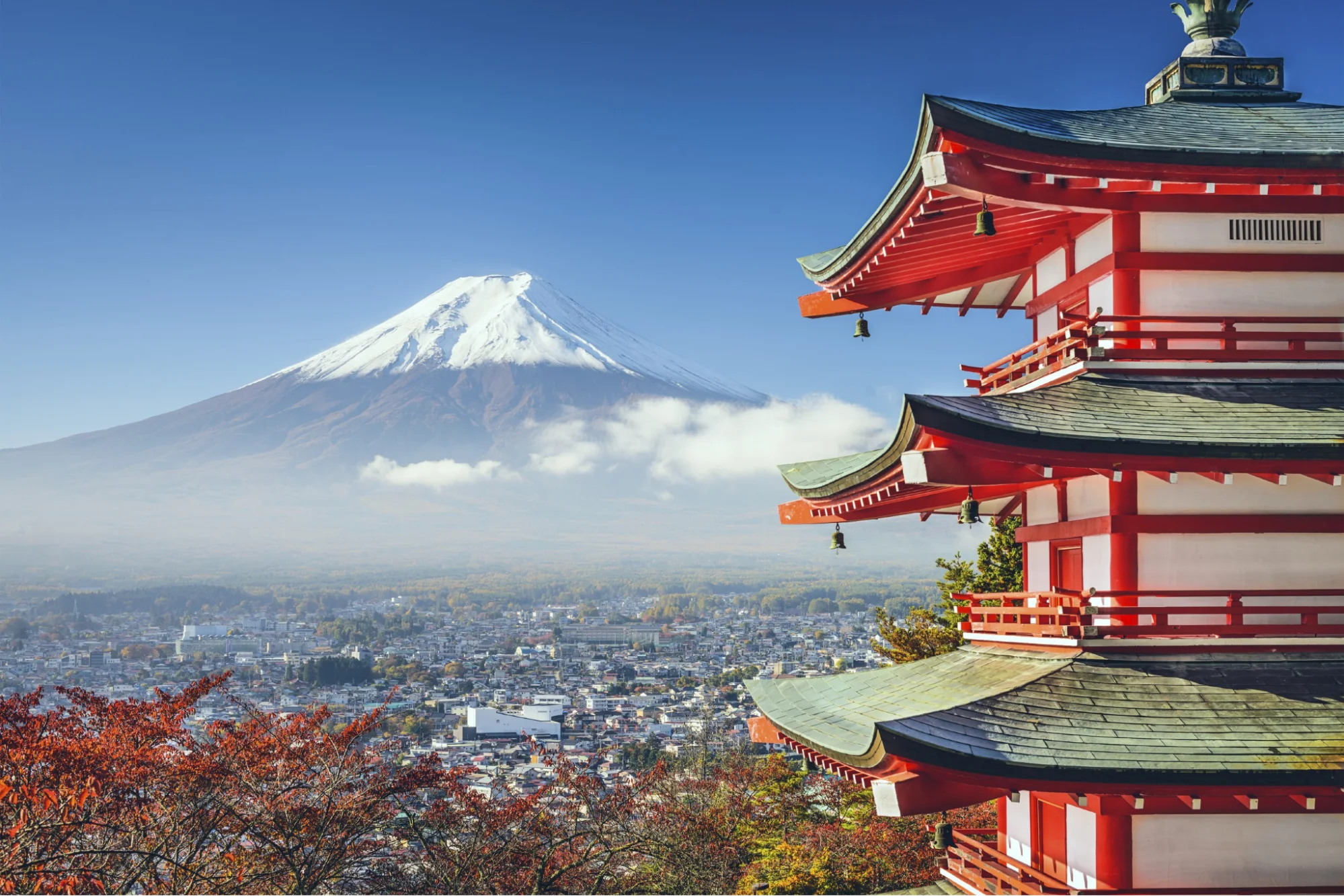
Mount Fuji is more than a mountain — it is a national symbol deeply embedded in Japanese identity. Its near-perfect conical shape, rising to 3,776 metres, makes it one of the most visually iconic landmarks in the world and one of the most photographed natural subjects globally.
The experience of Mount Fuji is heavily defined by perspective and timing: reflected in the still waters of Lake Kawaguchi, framed with a red torii gate at Hakone, surrounded by cherry blossoms in spring, or snow-capped and sharply defined against a clear winter sky. Rather than being an activity-heavy destination, Mount Fuji is about visual appreciation, photography, and the powerful impression of scale. It is commonly combined with a Hakone hot spring stay for a complete day or two of mountain and nature immersion.
Nara: The Sacred & Serene
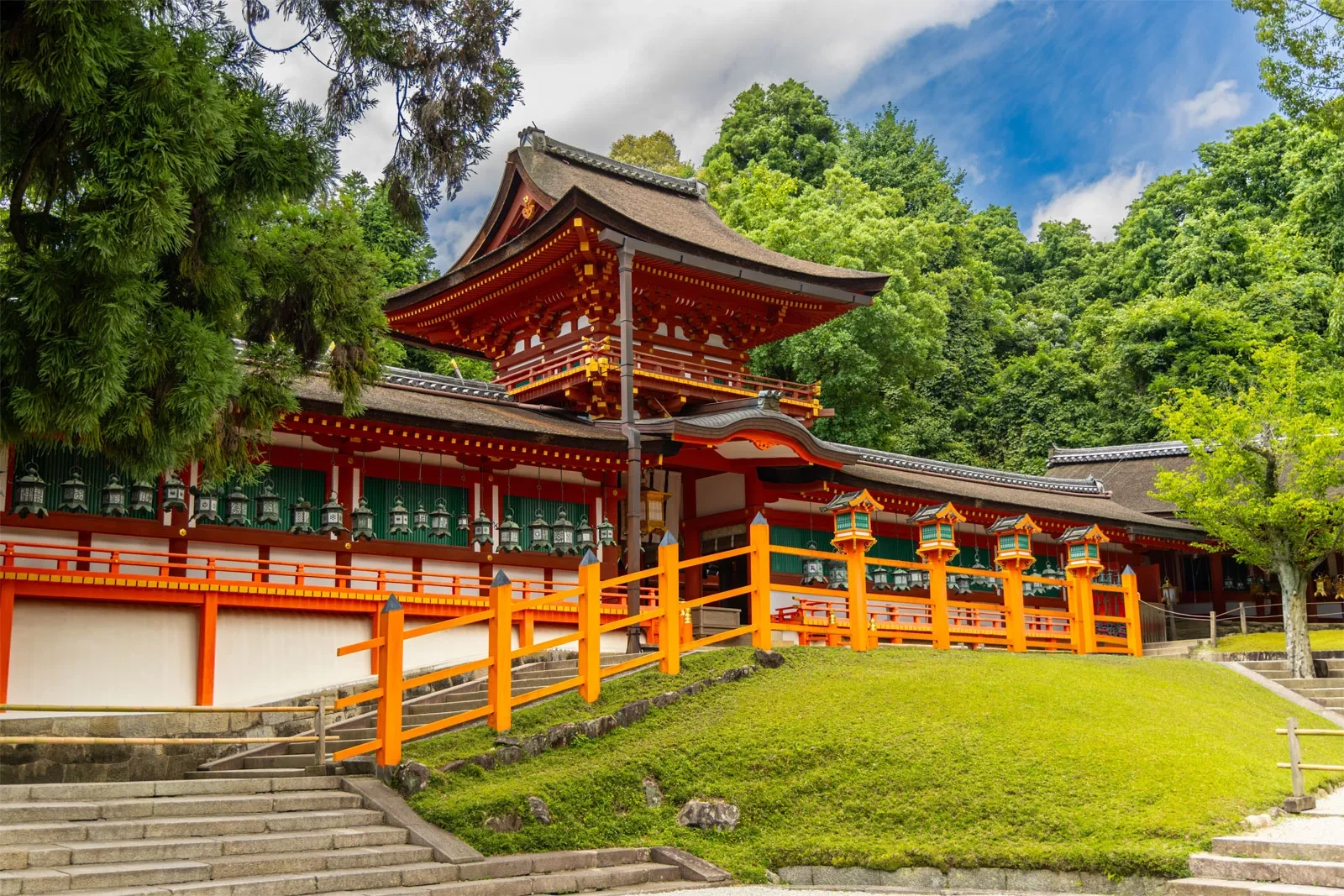
Nara offers one of the most unique cultural interactions in Japan. As Japan's first permanent capital, it holds an exceptional concentration of historic Buddhist temples and Shinto shrines — several of which are UNESCO World Heritage Sites. The Todai-ji Temple, housing one of Japan's largest bronze Buddha statues, is among the most impressive religious structures in Asia.
What makes Nara truly distinctive is its open parkland inhabited by freely roaming deer, which are considered sacred in Japanese tradition. The combination of ancient architecture, serene gardens, and the unexpected intimacy of deer wandering between historic monuments creates a calm, immersive atmosphere that provides a strong contrast to the density of Tokyo and Kyoto. Nara is most often visited as a day trip from Kyoto or Osaka, but its depth rewards a longer stay.
Seasonal Experiences in Japan
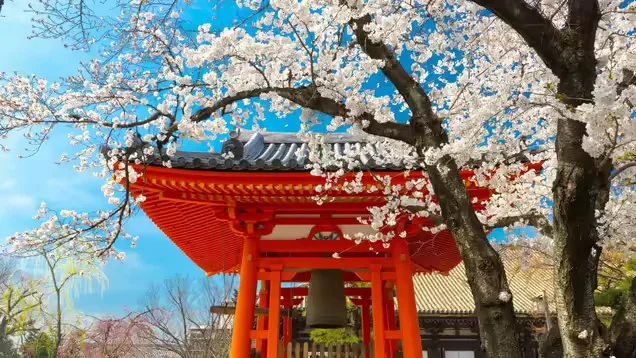
Japan's travel experience changes dramatically with the seasons, and season selection is one of the most important factors in planning a Japan itinerary. Spring from March to April brings cherry blossoms across Tokyo, Kyoto, and Osaka — transforming parks and temple grounds into landscapes of extraordinary delicacy and color. This is peak travel season and should be booked well in advance.
Autumn from October to November is widely considered Japan's most visually stunning season — red and orange foliage covers the mountain regions and temple gardens of Kyoto and Nikko in a dramatic display that rivals cherry blossom season. Summer brings green landscapes, vibrant matsuri (festivals), and ideal conditions for exploring northern Japan and Hokkaido. Winter offers snow-covered castle towns, silent temples, and world-class ski resorts in Hokkaido and Nagano.
Travel Experiences in Japan
Beyond locations, Japan is defined by its experiences. Staying in a traditional ryokan — a Japanese inn with tatami rooms, futon beds, yukata robes, and multi-course kaiseki dinners — provides an immersive window into Japanese hospitality and aesthetics that no city hotel can replicate. Onsen (hot spring) bathing, deeply embedded in Japanese wellness culture, is a genuinely restorative experience and widely available across the country.
Tea ceremony participation in Kyoto provides a meditative encounter with one of Japan's most refined traditions — a study in precision, aesthetics, and cultural philosophy. Japan's food culture is itself a travel experience: from omakase sushi and artisan ramen to street food markets and department store basement food halls. The Shinkansen (bullet train) network, the world's most efficient high-speed rail system, transforms travel between cities into a seamless and even enjoyable part of the journey.
When to Visit & Planning a Japan Trip
The best times to visit Japan are spring (March–April) for cherry blossoms and autumn (October–November) for fall foliage — both considered peak seasons that should be planned 4–6 months in advance. Summer is warm and festival-rich, ideal for those seeking local cultural immersion. Winter is excellent for snow landscapes, ryokan stays, and ski resorts in northern Japan. Season selection significantly affects both the visual experience and accommodation availability.
A well-structured Japan itinerary typically includes 3–4 nights in Tokyo, 3 nights in Kyoto, 1 night in Nara, 1–2 nights near Mount Fuji or Hakone, and optional time in Osaka or Hiroshima. Travel between cities is primarily by Shinkansen, and a Japan Rail Pass can significantly reduce transport costs.
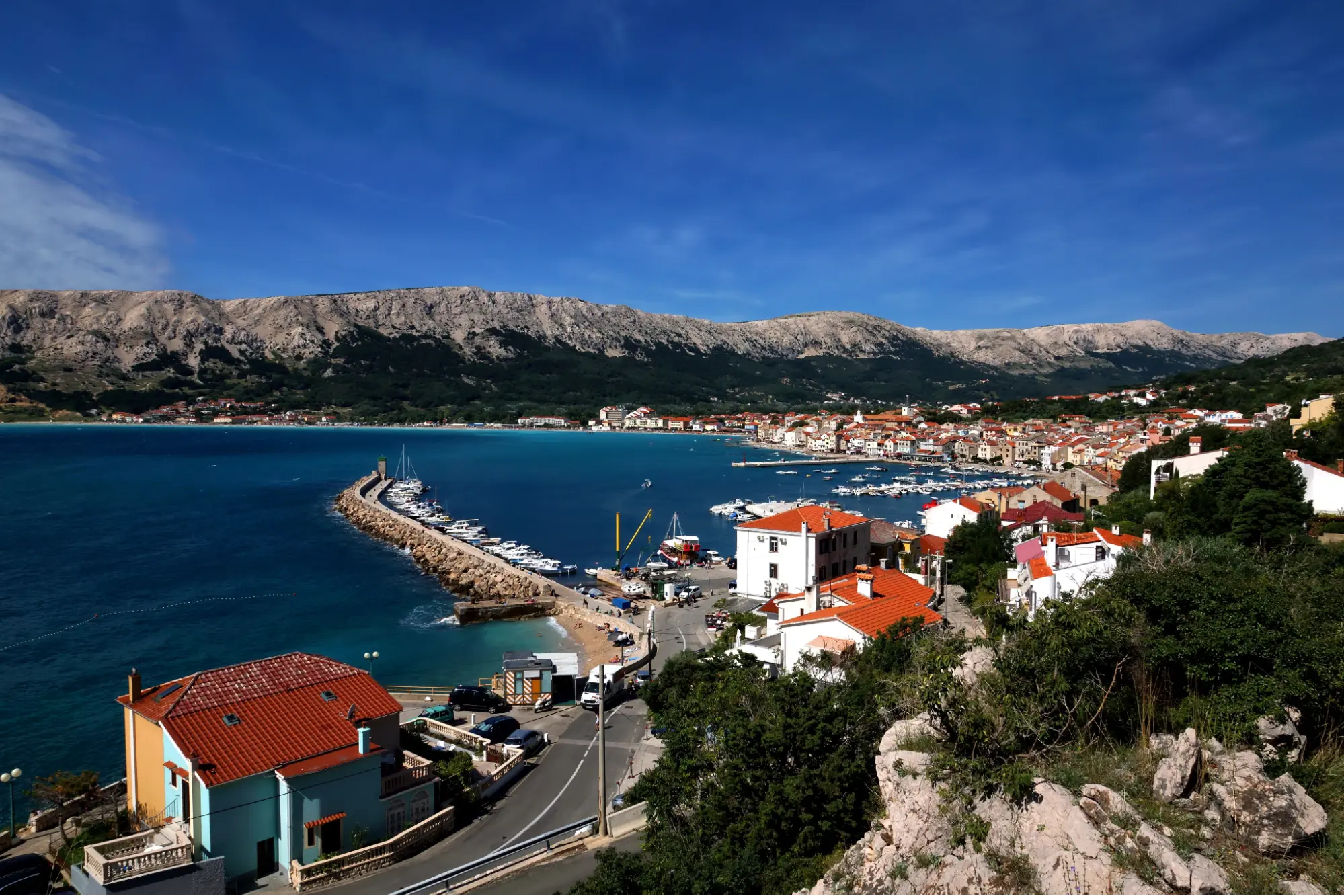
Adriatic coastlines, historic cities and unforgettable island journeys.
Explore Croatia →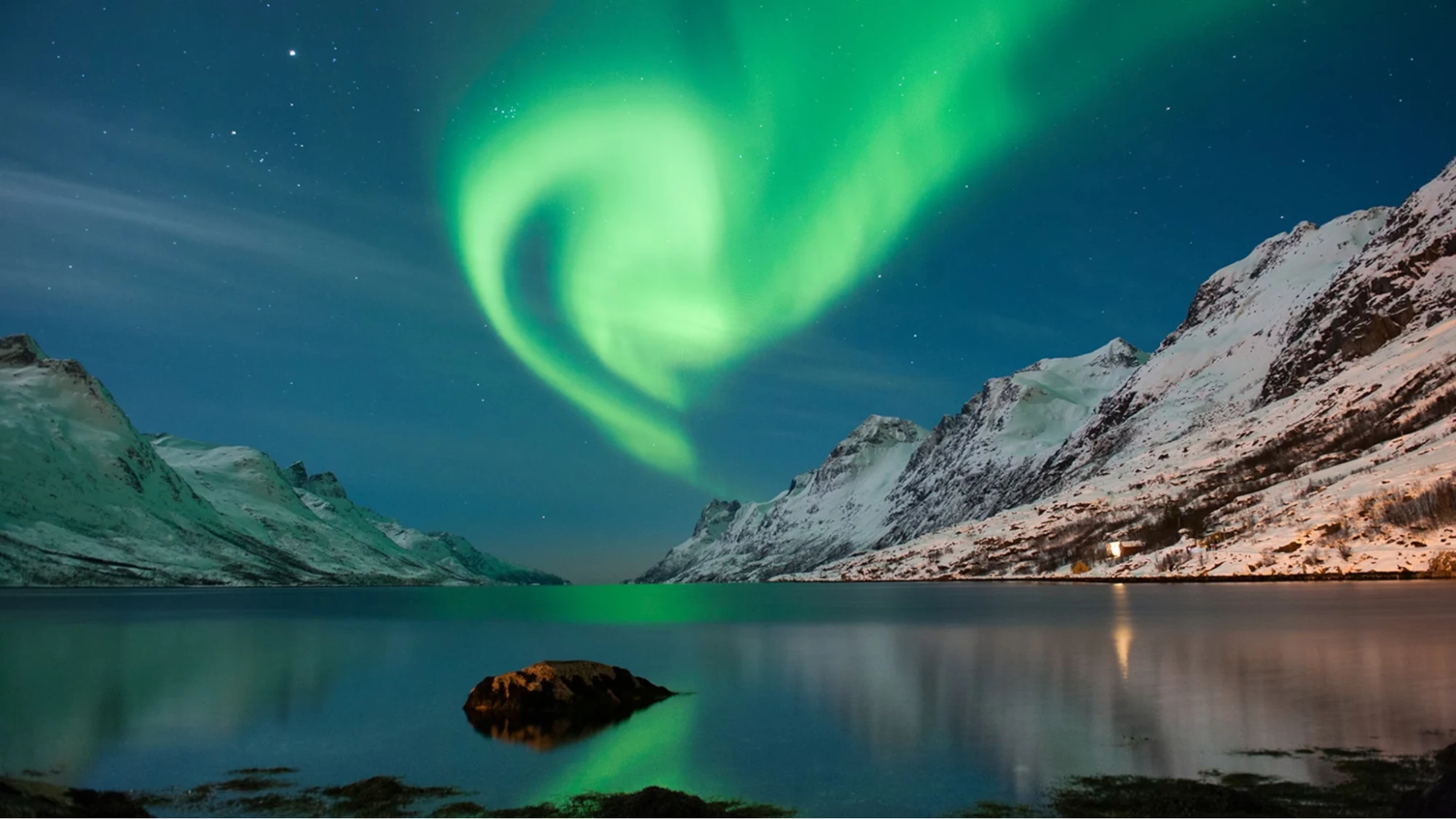
Fjords, Arctic landscapes, Northern Lights and unforgettable Nordic journeys.
Explore Norway →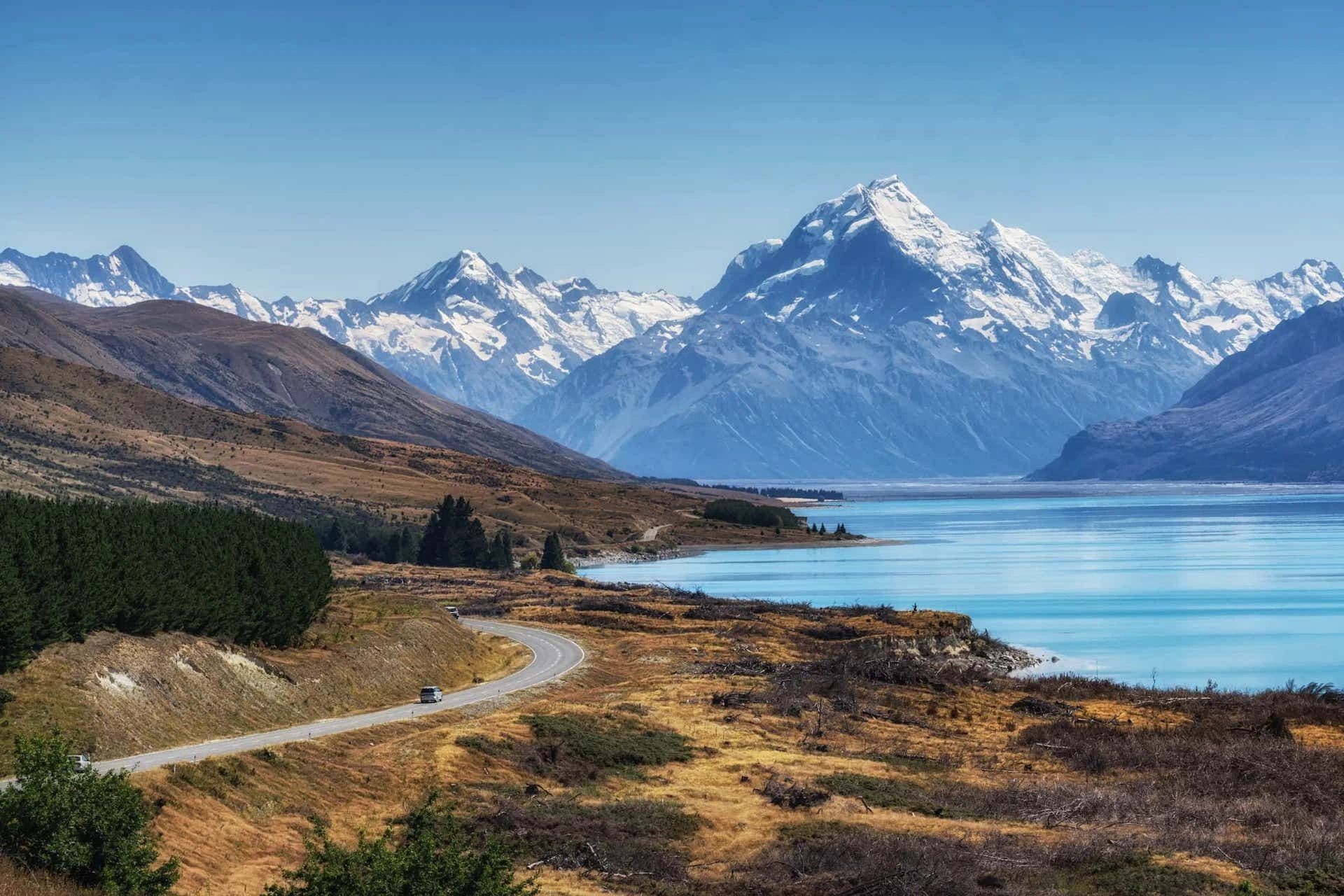
Scenic landscapes, alpine journeys and unforgettable luxury adventures.
Explore New Zealand →Frequently asked questions
Japan is famous for its blend of ancient traditions and cutting-edge technology — from centuries-old temples, tea ceremonies, and geisha culture to ultra-modern cities, efficient rail networks, and world-class cuisine. Mount Fuji, cherry blossoms, and Kyoto's historic districts are among its most iconic features.
The best times to visit Japan are spring (March–April) for cherry blossoms and autumn (October–November) for fall foliage. Summer is warm and festival-rich, while winter offers snow landscapes and ski resorts in northern Japan.
A well-structured Japan itinerary typically requires 10–14 days: 3–4 nights in Tokyo, 3 nights in Kyoto, 1 night in Nara, 1 night near Mount Fuji, and optional time in Osaka or Hakone.
Yes. Japan offers world-class luxury across accommodations and experiences — from traditional ryokan stays with kaiseki dining and private onsen, to high-end city hotels and exclusive cultural tours. The country's precision and hospitality culture elevates every aspect of luxury travel.
Yes. Indian passport holders require a visa to visit Japan. The tourist visa application is submitted through the Japanese embassy or consulate. We guide you through documentation and timing requirements during the planning process.
Most travellers fly from India to Tokyo (Narita or Haneda) or Osaka (Kansai) with one stopover — typically in Singapore, Bangkok, Hong Kong, or Dubai. Total travel time is approximately 10–14 hours depending on the route.
Pack comfortable walking shoes suitable for long city days, modest clothing for temple visits, layers for variable seasonal temperatures, and a compact bag for day trips. An IC card for public transport and a pocket Wi-Fi device are highly recommended.
Yes. Japan consistently ranks among the safest countries in the world for travelers. Crime rates are extremely low, public transport is reliable, and the general culture of respect and cleanliness makes it one of the most welcoming destinations globally.
Yes. Japan is increasingly popular for honeymoons — ryokan stays with private onsen, cherry blossom landscapes, intimate kaiseki dinners, and the contrast between vibrant cities and serene countryside create a deeply memorable and romantic itinerary.
Yes. Japan is commonly combined with South Korea or Taiwan given its proximity, or paired with a Southeast Asian stopover such as Singapore or Bangkok. From India, it is often included in a broader East Asia itinerary.
Plan Your Japan Tour
Let our travel specialists design a custom Japan itinerary tailored to your dates, preferred season, and travel style.