
Tanzania Travel Guide
A Complete Destination Overview for Luxury Travellers
Tanzania Travel Guide: A Complete Destination Overview
Tanzania is one of Africa's most established safari destinations, combining high-density wildlife reserves, volcanic landscapes, and Indian Ocean coastlines into a single, extraordinary travel experience. Located in East Africa, Tanzania forms part of the larger Serengeti ecosystem — one of the most significant wildlife environments on Earth.
For travelers planning a trip from India, Tanzania offers a rare dual-experience destination: vast open savannahs and volcanic crater ecosystems for wildlife safaris inland, and tropical island relaxation on Zanzibar's Indian Ocean coastline. Start with our guide on how to reach Tanzania from India and plan your budget using the Tanzania cost guide for Indian travelers.
This destination guide covers Tanzania in depth — its key regions, iconic wildlife areas, natural landmarks, safari experiences, and how to structure the right itinerary based on your travel goals and the season. What sets Tanzania apart is not just the number of animals, but the scale, accessibility, and consistency of wildlife sightings across different regions and ecosystems.
Insights are drawn from the experience of a trusted travel agency for Tanzania , focused on itinerary quality, seasonal timing, and curated safari experiences.
Every detail in this guide is informed by the planning philosophy of our international travel agency in Gurgaon , known for crafting refined long-haul travel experiences.
Tanzania, The Land of Wildlife & Great Migration
Tanzania is an East African nation that offers one of the most compelling and diverse travel experiences on the continent. It is defined by the extraordinary wildlife density of its national parks, the dramatic geology of its volcanic landscapes, and the contrasting beauty of its Indian Ocean coastline, all within one destination.
For most international travelers, Tanzania is not a single-location trip but a multi-region journey, typically combining the open savannahs of the Serengeti, the contained ecosystem of the Ngorongoro Crater, and the tropical beaches of Zanzibar within one well-structured itinerary. This diversity within a manageable travel radius is one of Tanzania's strongest advantages.
What makes Tanzania particularly distinctive is the predictability and density of its wildlife. Even outside peak migration season, game sightings remain consistently strong across its major reserves, making it suitable for first-time safari travelers and experienced wildlife enthusiasts alike.
Why Visit Tanzania?
Tanzania appeals to travelers seeking a combination of wildlife immersion, dramatic natural landscapes, and genuine experiential travel. The country is especially popular among travelers who value photography, nature, and the rare privilege of witnessing wildlife events that exist nowhere else on Earth at the same scale.
Key reasons travelers choose Tanzania include its world-class wildlife density, Big Five sightings and the Great Migration; its landscape diversity across open savannahs, volcanic craters, mountain terrain, and tropical coastlines; a strong luxury safari infrastructure with private lodges, tented camps, and hot air balloon experiences; and the seamless combination of bush and beach that the Tanzania–Zanzibar itinerary provides.
👉 Tanzania Travel Tips for Indian Travelers
👉 Tanzania Safari Packages from India
Serengeti National Park: The Wildlife Core
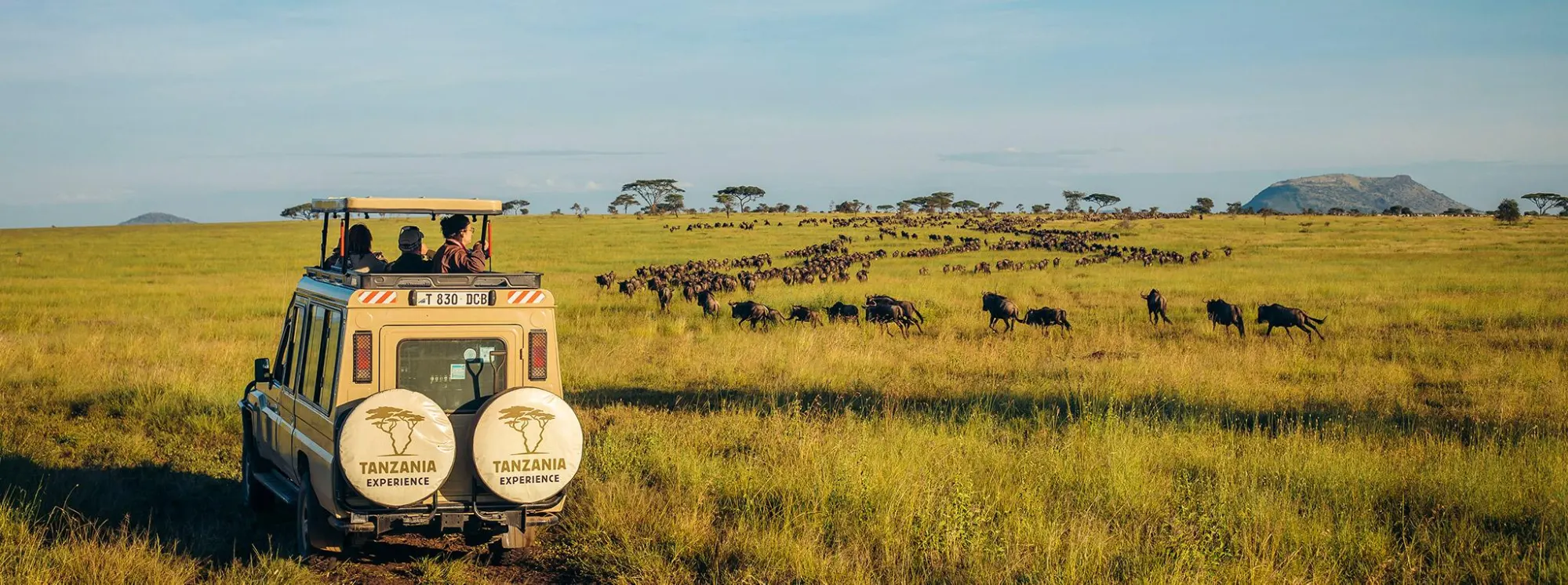
The Serengeti is the core of Tanzania's safari identity and one of the most wildlife-rich regions in the world. It is best known for the Great Migration — where over 1.5 million wildebeest, alongside zebras and gazelles, move in a continuous cycle across the plains in one of the most spectacular natural events on the planet.
What defines the Serengeti is its open terrain, which allows uninterrupted, high-visibility wildlife viewing. Unlike forested parks, the open savannahs make it significantly easier to track predators including lions, cheetahs, and leopards. During migration season, river crossings — particularly in the northern Serengeti — become the most dramatic wildlife events, as herds attempt to ford crocodile-filled waters in a display of raw natural power.
👉 Serengeti Safari Guide
👉 Hot Air Balloon Safari Experience
Ngorongoro Crater: The Natural Enclosure
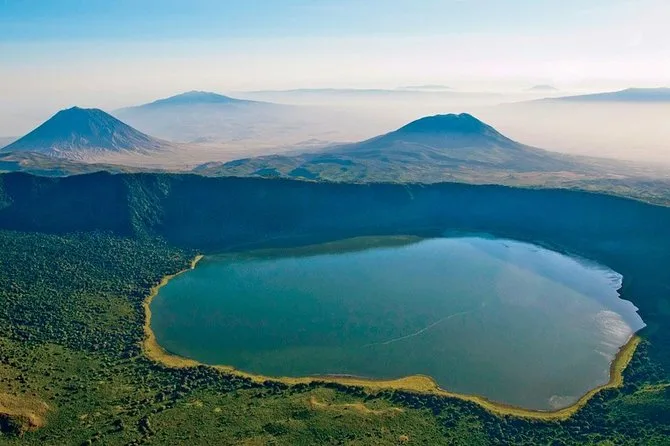
The Ngorongoro Crater is a unique geological formation — a collapsed volcanic caldera that now functions as a natural enclosure for wildlife. Because animals remain within the crater throughout the year, it offers one of the highest concentrations of wildlife per square kilometre anywhere in Africa, making it one of the most reliable locations on the continent for spotting the Big Five, including the endangered black rhino.
The visual contrast here is striking: steep crater walls — rising to over 600 metres — surround a flat grassland floor, creating a contained ecosystem that is simultaneously scenic and extraordinarily productive for game viewing. The Ngorongoro Crater provides a guaranteed, high-density wildlife experience that complements the open-plains drama of the Serengeti and is commonly visited as a two-night addition to any Tanzania safari itinerary.
Zanzibar: The Beach & Cultural Extension
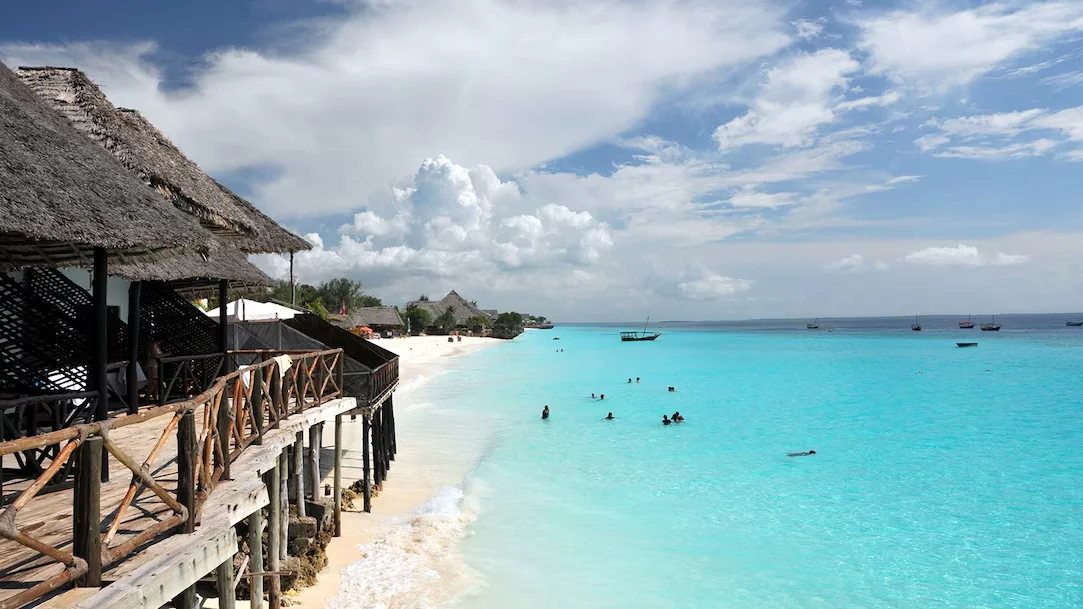
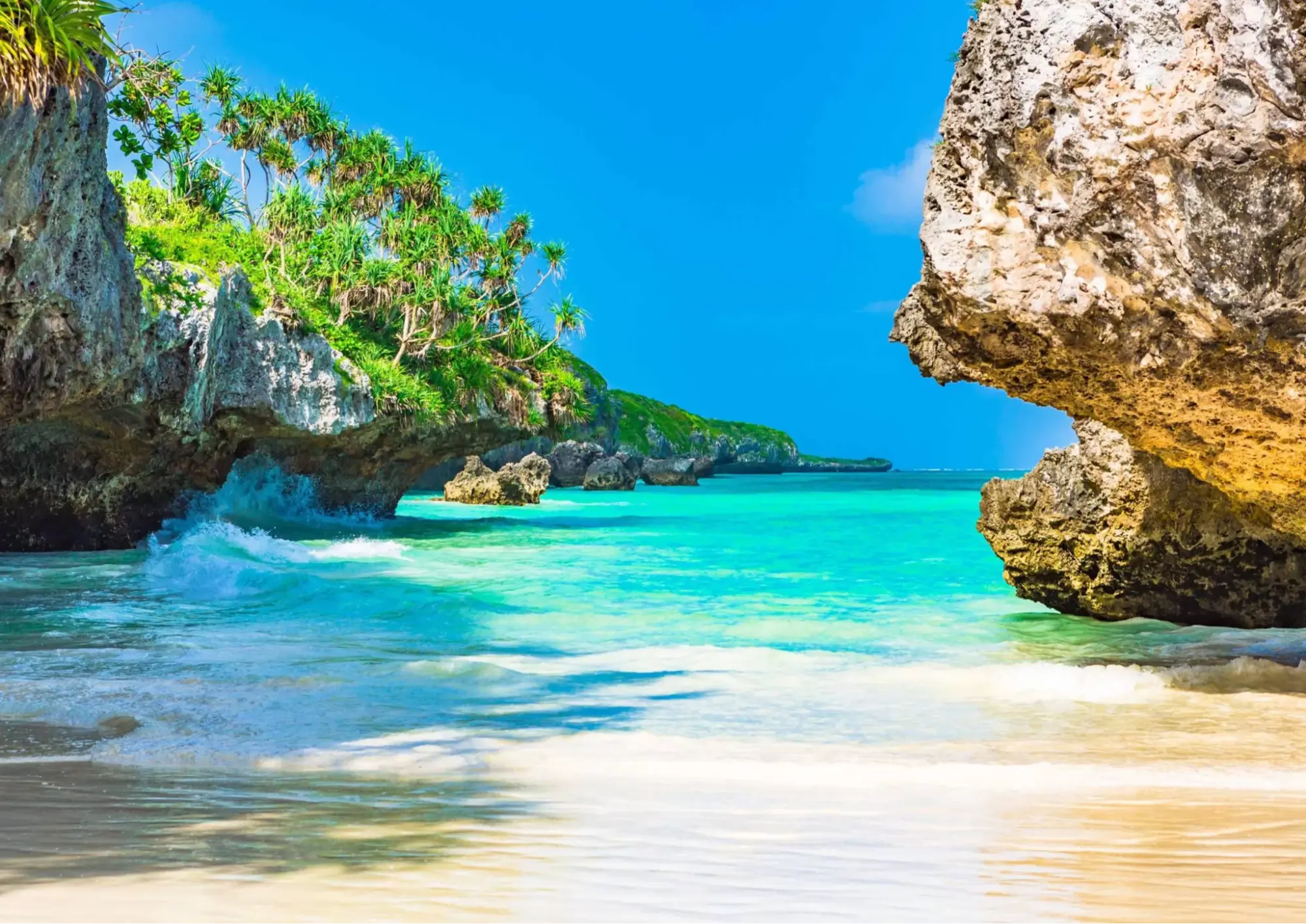
Zanzibar provides a completely different experience from mainland Tanzania. Located off the East African coast, the island is known for its white sand beaches, turquoise Indian Ocean waters, and a UNESCO-listed historic town that carries centuries of Arab, Persian, and European influence in its architecture and narrow streets.
The appeal of Zanzibar lies in its ability to balance a safari itinerary. After days of game drives and bush experiences, Zanzibar offers genuine relaxation — beachfront resorts, water sports, spice tours, and the atmospheric Stone Town, which tells the complex trading history of the Swahili coast. For honeymoon travelers and luxury seekers, the combination of Serengeti safari and Zanzibar beach stay represents one of the most satisfying itineraries available anywhere in the world.
Mount Kilimanjaro: Africa's Iconic Peak
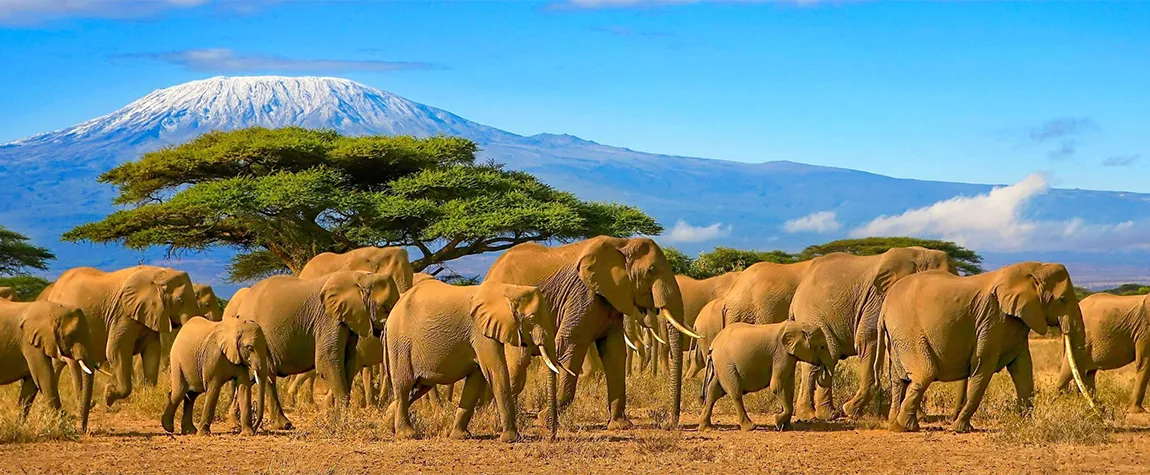
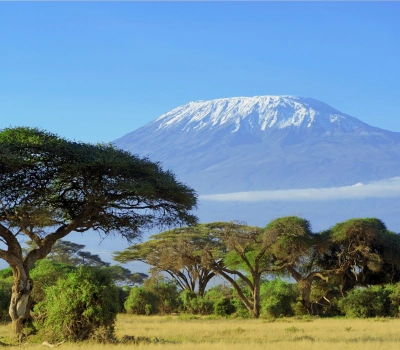
Mount Kilimanjaro is Africa's highest peak at 5,895 metres and one of the most recognizable mountains in the world. Despite its location near the equator, its summit remains snow-capped — creating a powerful visual contrast with the surrounding tropical plains and making it one of the most photographed natural landmarks in Africa.
For trekking travelers, Kilimanjaro offers a multi-day ascent through dramatically changing ecological zones — from lush rainforest at its base, through heathland and moorland, to alpine desert and the glaciated summit. For non-trekkers, Kilimanjaro serves as a defining photographic and geographic highlight, often visible from northern Tanzania and the Amboseli region of Kenya across the border. Either way, its presence shapes the character of this region of East Africa and adds a powerful dimension to any Tanzania itinerary.
The Great Migration & Seasonal Safari Planning
The Great Migration is the defining natural event of Tanzania's safari calendar and one of the most extraordinary wildlife spectacles on Earth. Over 1.5 million wildebeest, accompanied by hundreds of thousands of zebras and gazelles, move in a continuous cycle across the Serengeti ecosystem — driven by rainfall patterns and the availability of fresh grazing.
The migration follows a broadly predictable seasonal pattern: from December to March the herds gather in the southern Serengeti for calving season, when thousands of wildebeest calves are born and predator activity is intense; from April to June the migration moves northward through the central Serengeti; and from July to October the herds reach the northern Serengeti and Masai Mara, where dramatic river crossings take place — widely considered the most spectacular moment of the migration and the peak of safari demand. Season selection significantly affects both the type of experience and accommodation availability, and should be planned well in advance.
👉 Serengeti Wild Safari
👉 Tanzania Safari Packages from India
Travel Experiences in Tanzania
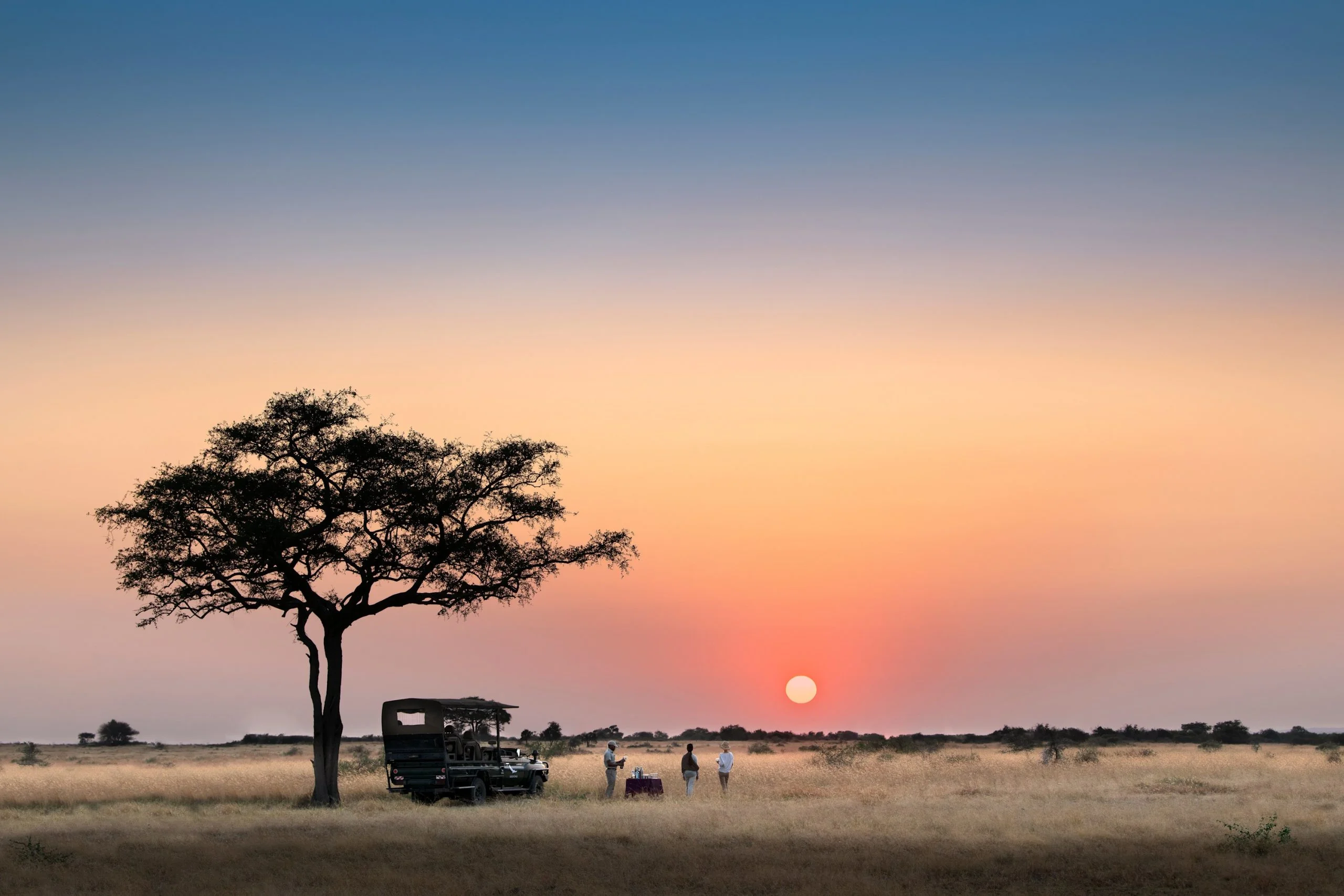
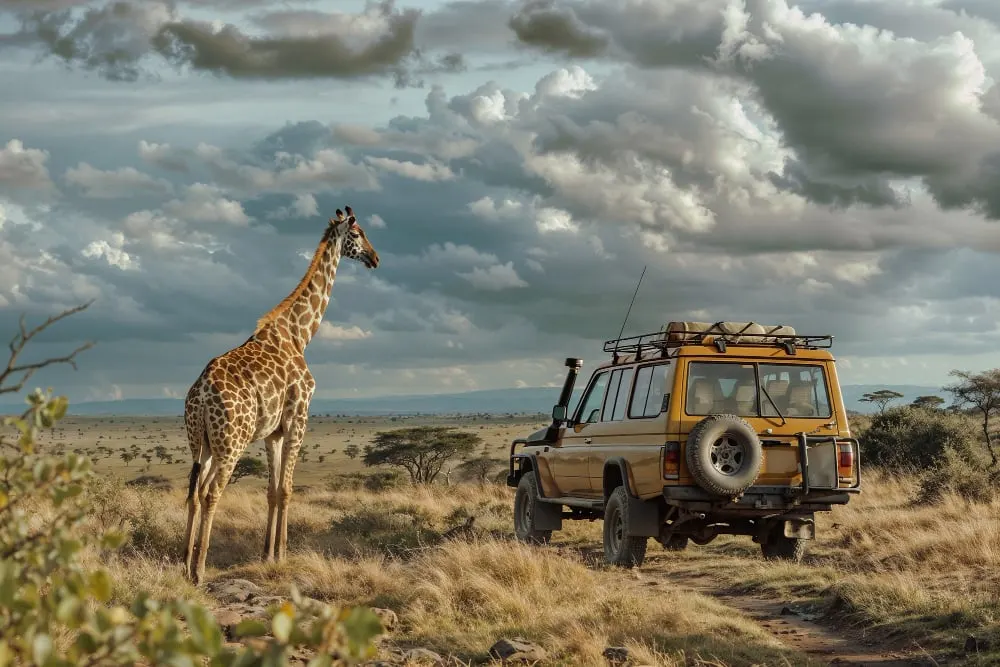
Travel in Tanzania is built around experience-based safaris rather than passive sightseeing. Game drives in well-equipped 4x4 vehicles — typically at dawn and dusk when wildlife is most active — are the primary format, guided by expert naturalists who bring significant depth to every sighting. Hot air balloon safaris over the Serengeti at sunrise offer a breathtaking aerial perspective on the plains and are one of the most memorable experiences available anywhere in Africa.
Walking safaris in select regions provide an entirely different level of immersion — experiencing the bush on foot, with heightened awareness and intimate engagement with the landscape. Cultural visits to Maasai communities offer genuine interaction with one of East Africa's most iconic pastoral cultures. Luxury travel is well-developed across Tanzania, with options ranging from mobile tented camps that follow the migration to architecturally impressive private lodges in exclusive conservancies, all offering high levels of comfort and service in genuinely remote locations.
👉 Serengeti Wild Safari
👉 Luxury Safari & Beach Retreat
👉 Tanzania's Big Five Expedition
When to Visit & Planning a Tanzania Trip
The best time to visit Tanzania depends on your safari priorities. The dry seasons — June to October and January to February — generally provide the best wildlife viewing conditions, with animals concentrating around water sources and vegetation thinning to improve visibility. July to October is peak migration and river crossing season in the northern Serengeti, when demand for top camps is highest and early booking is essential.
A well-structured Tanzania itinerary typically includes 3–4 nights in the Serengeti, 1–2 nights at the Ngorongoro Crater, and 3–4 nights in Zanzibar for a beach extension — totaling 8–12 days for a complete Tanzania experience. Travel between regions involves both road and domestic flights, and flying between parks is strongly recommended for comfort and time efficiency. Use our Tanzania Safari Packages from India to plan your days and check Serengeti Wild Safari well in advance.
👉 Tanzania Safari Packages from India
👉 Luxury Safari & Beach Retreat
Big Five wildlife, luxury safari lodges and the world-famous Great Migration.
Explore Masai Mara →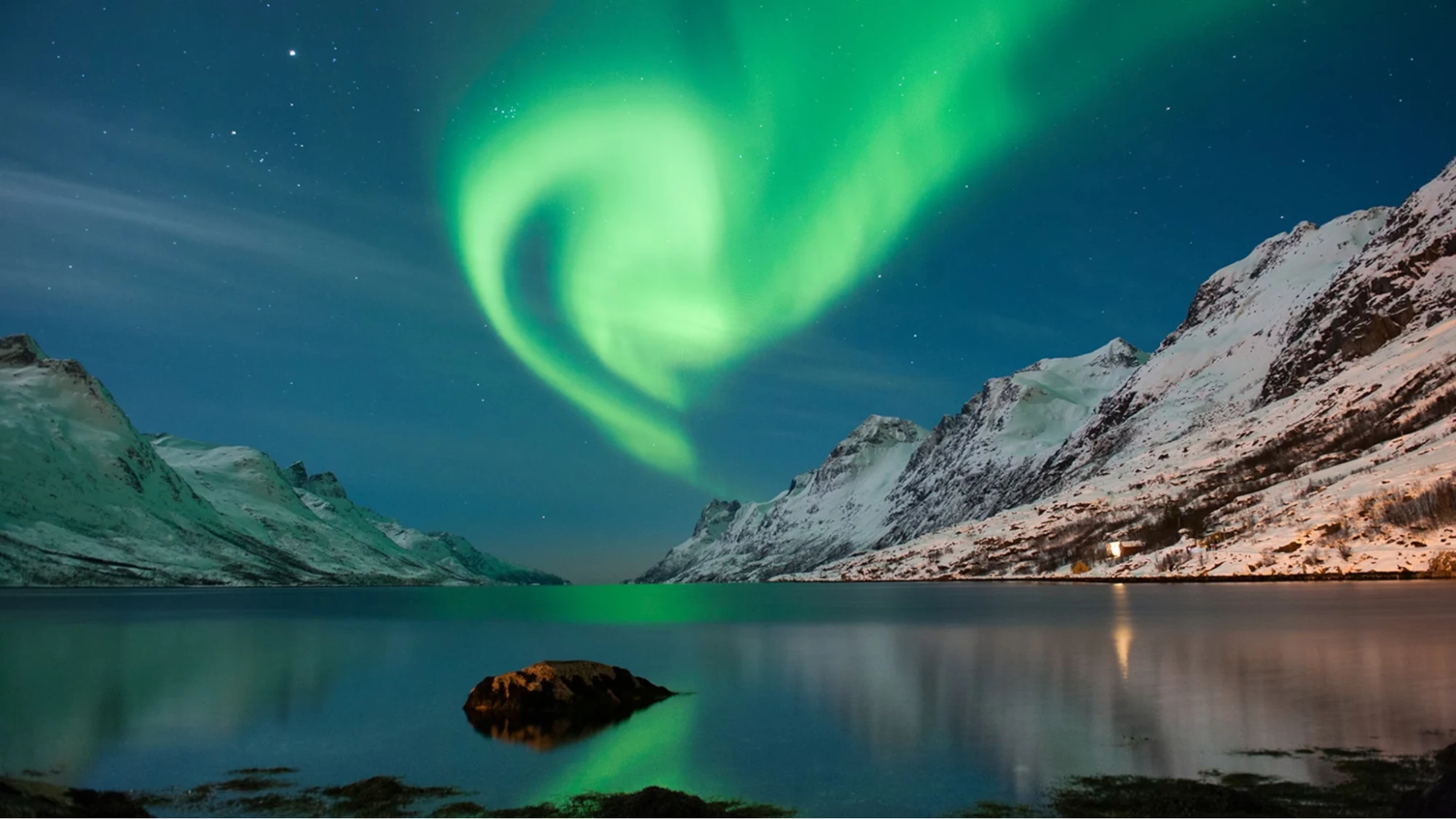
Fjords, Arctic landscapes, Northern Lights and unforgettable Nordic journeys.
Explore Norway →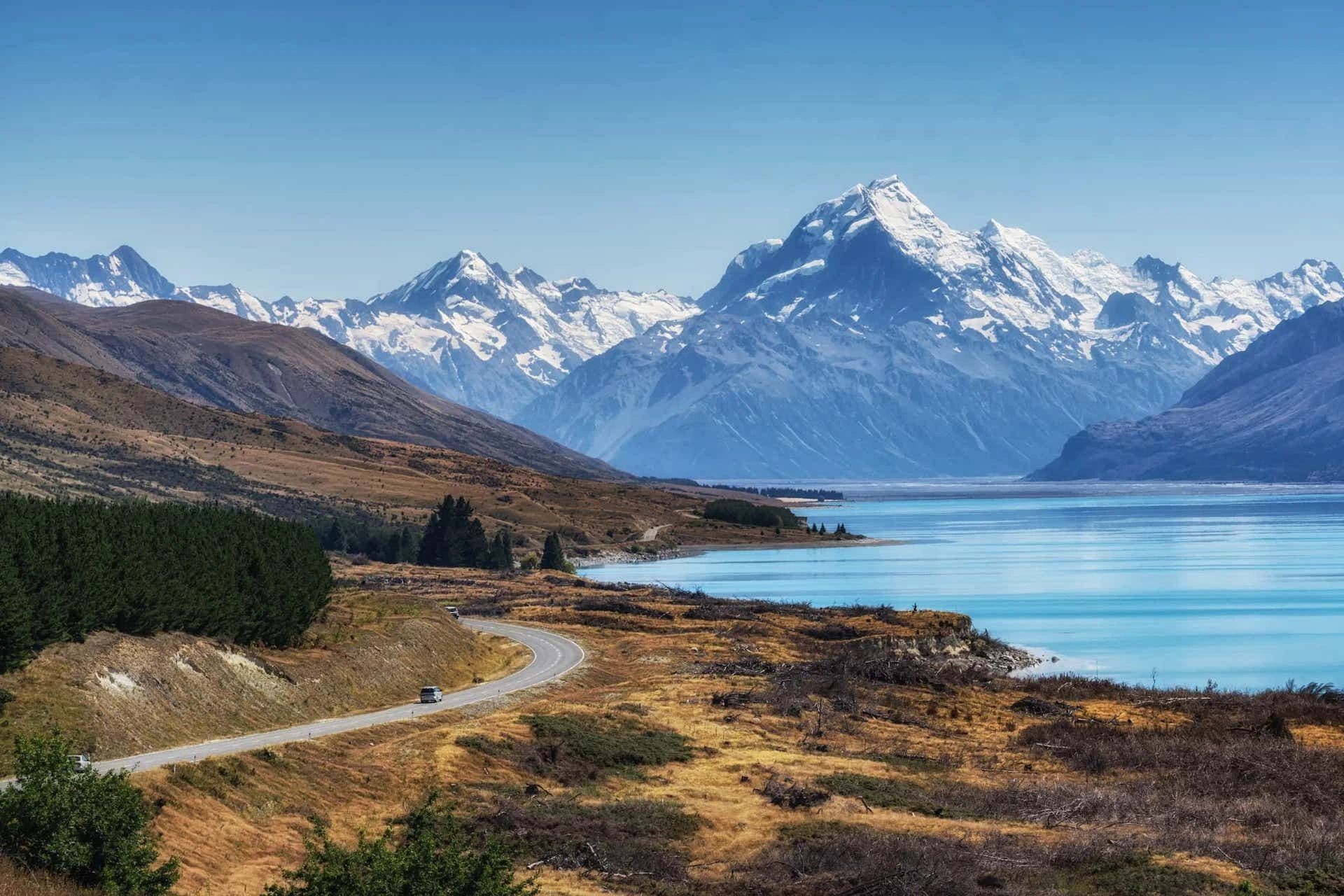
Scenic landscapes, alpine journeys and unforgettable luxury adventures.
Explore New Zealand →Frequently asked questions
Tanzania is famous for the Great Migration in the Serengeti, the Ngorongoro Crater, Mount Kilimanjaro — Africa's highest peak — and the tropical island of Zanzibar. It is one of Africa's premier safari destinations, known for extraordinary wildlife density and diverse landscapes.
The best time to visit Tanzania depends on your priorities. July to October is peak safari season with dramatic river crossings during the Great Migration. December to March is ideal for calving season in the southern Serengeti. The dry seasons (June–October and January–February) generally offer the best wildlife viewing conditions.
A well-structured Tanzania itinerary typically requires 10–14 days: 3–4 nights in the Serengeti, 1–2 nights at Ngorongoro Crater, 1 night near Kilimanjaro (optional), and 3–4 nights in Zanzibar for a beach extension.
Yes. Tanzania has a strong luxury safari offering — from high-end private lodges and mobile tented camps in the Serengeti to boutique beach resorts in Zanzibar. Hot air balloon safaris, private game drives, and exclusive conservancy access are hallmarks of premium Tanzania travel.
Yes. Indian passport holders require a visa to visit Tanzania. Tourist visas can be obtained on arrival at major entry points or applied for online in advance. We guide you through documentation and timing requirements during the planning process.
Most travellers fly from India to Kilimanjaro International Airport or Dar es Salaam with one stopover — typically in Dubai, Nairobi, Doha, or Addis Ababa. Total travel time is approximately 10–14 hours depending on the route.
Pack neutral-colored clothing (khaki, olive, beige) for game drives, a warm layer for early morning safaris, sturdy closed-toe shoes, sunscreen, insect repellent, a wide-brimmed hat, and binoculars. For Zanzibar, add light beachwear and modest clothing for Stone Town visits.
Yes. Tanzania is a well-established safari destination with a strong tourism infrastructure and safety record. Traveling with reputable licensed operators, staying in established lodges and camps, and following guide instructions in game reserves ensures a smooth and safe experience.
Yes. Tanzania is one of the world's most romantic honeymoon destinations — combining private safari camps in the Serengeti with overwater bungalows and beach stays in Zanzibar. The combination of dramatic wildlife, stunning sunsets, and luxury accommodation creates a deeply memorable and intimate itinerary.
Yes. Tanzania is commonly combined with Kenya for an extended East Africa safari, or paired with Zanzibar for a classic bush-and-beach itinerary. From India, it is often included in a broader East Africa or Indian Ocean island journey.
Plan Your Tanzania Safari
Let our travel specialists design a custom Tanzania itinerary tailored to your dates, preferred season, and travel style.