
Norway Travel Guide
A Complete Destination Overview for Luxury Travellers
Norway Travel Guide: A Complete Destination Overview
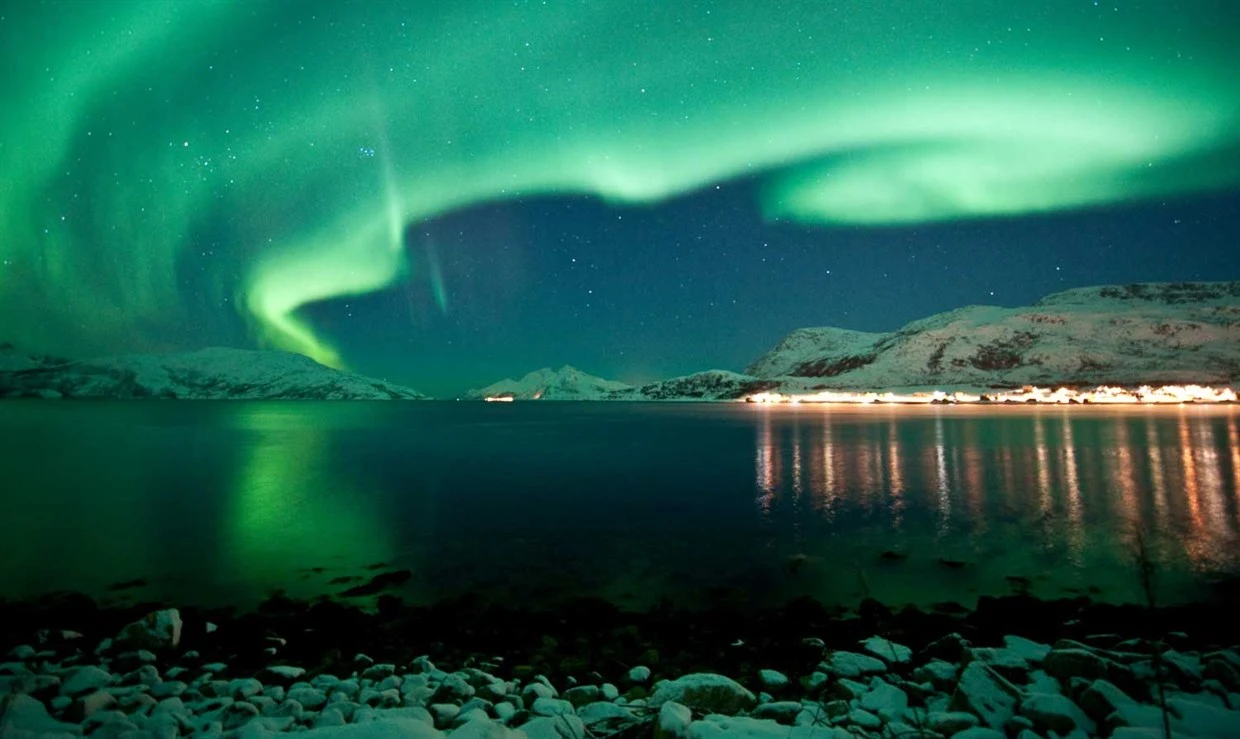
Norway is a Scandinavian country in Northern Europe, globally recognized for its fjord landscapes, Arctic wilderness, and seasonal natural phenomena. Unlike traditional city-focused destinations, Norway is primarily a nature-driven experience — where travel revolves around scenery, light conditions, and outdoor exploration rather than urban sightseeing.
For travelers planning a trip from India, Norway offers a rare and extraordinary set of experiences: the Aurora Borealis arching across winter skies, the eerie beauty of the Midnight Sun in summer, and some of Europe's most dramatic coastal and mountain landscapes. Start with our guide on how to plan a Norway itinerary from India and plan your budget using the Norway cost guide for Indian travelers.
This destination guide covers Norway in depth — its key regions, iconic natural landmarks, seasonal phenomena, and how to structure the right itinerary based on your travel goals and the time of year. What sets Norway apart is that its appeal changes fundamentally with the seasons: winter and summer offer almost entirely different countries within the same geography.
Insights are drawn from the experience of a trusted travel agency for Norway , focused on itinerary quality, seasonal timing, and curated natural experiences.
Every detail in this guide is informed by the planning philosophy of our international travel agency in Gurgaon , known for crafting refined long-haul travel experiences.
Norway, The Land of Fjords & Northern Lights
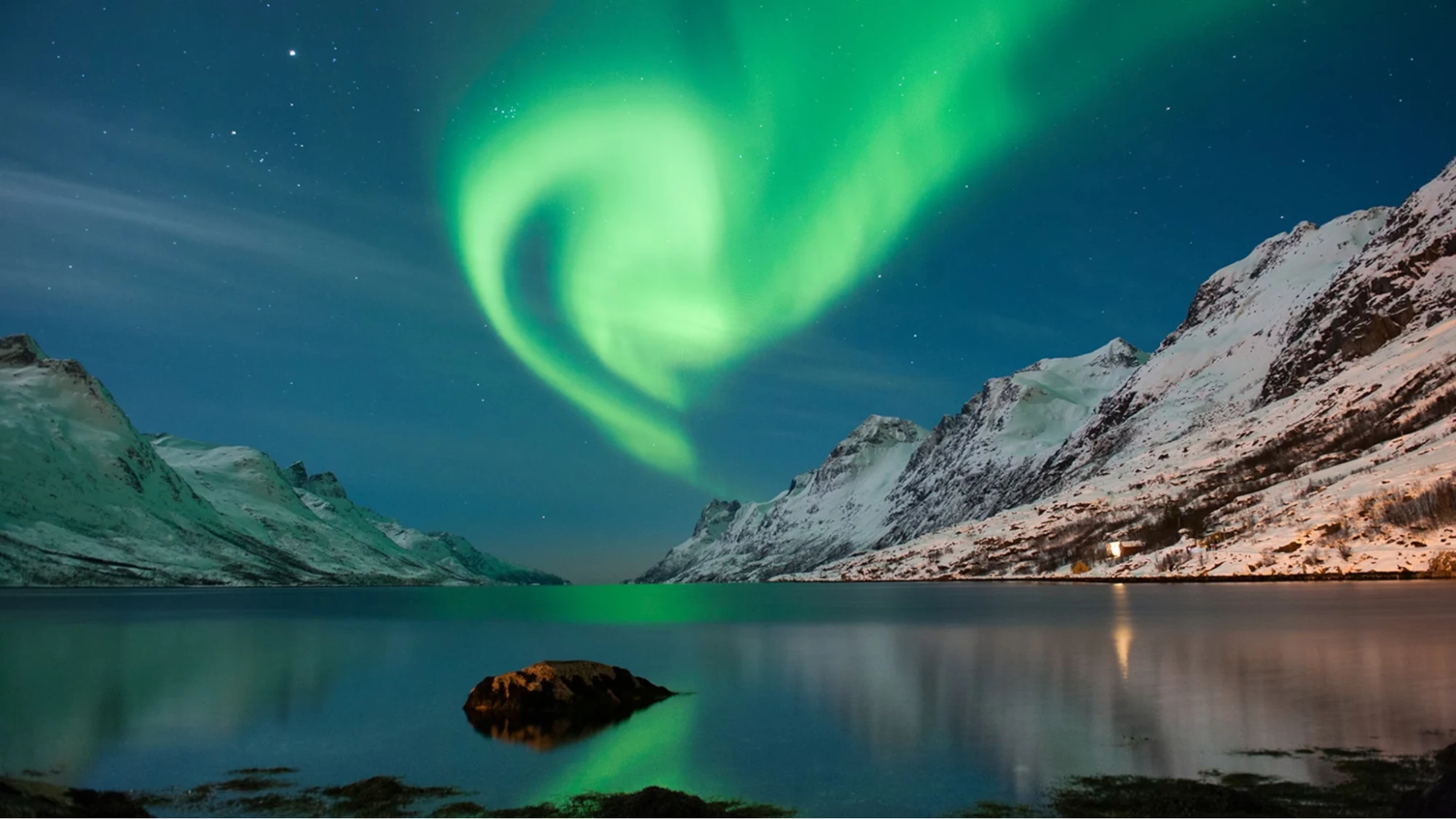
Norway is a Northern European nation stretching from the North Sea to well above the Arctic Circle, offering one of the most extraordinary and visually immersive travel experiences on the planet. It is defined not by cities or monuments but by its landscapes — deep glacially-carved fjords, Arctic island chains, remote mountain wilderness, and seasonal light phenomena that exist nowhere else at the same intensity.
For most international travelers, Norway is not a single-location trip but a multi-region nature journey — typically combining fjord landscapes, Arctic towns, and remote island environments within one well-structured itinerary. What makes Norway particularly distinctive is that travel here is less about ticking landmarks and more about immersive slow journeys: scenic drives along engineered viewpoint routes, fjord cruises at water level, and guided excursions into Arctic wilderness.
Norway's appeal changes fundamentally with the seasons. Winter delivers the Northern Lights, snow-covered landscapes, and Arctic wildlife. Summer brings the Midnight Sun, fjord hiking, and some of Europe's most dramatic coastal road trips. Planning around season is the single most important decision in any Norway itinerary.
Why Visit Norway?
Norway appeals to travelers seeking extraordinary natural experiences rather than conventional sightseeing. It is especially popular among travelers who value photography, wilderness, and rare natural phenomena — categories where Norway consistently ranks among the world's very best destinations. The country offers experiences that simply cannot be replicated elsewhere: the Northern Lights, the Midnight Sun, and the scale of its fjord landscapes.
Key reasons travelers choose Norway include its world-class fjord scenery and UNESCO-listed natural sites; the Northern Lights and Midnight Sun as seasonal travel anchors; a diverse range of outdoor experiences from fjord cruises and Arctic safaris to mountain hikes and scenic road trips; and a strong luxury travel infrastructure with high-end lodges, glass-roofed aurora cabins, and private wilderness experiences that combine comfort with genuine remoteness.
Geirangerfjord: The Iconic Fjord Landscape
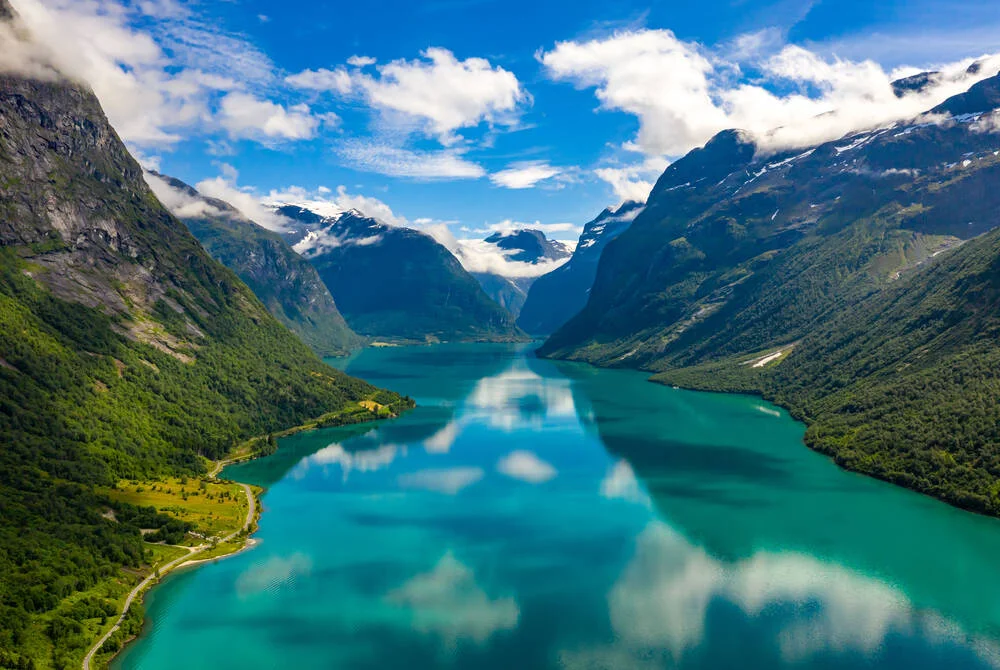
Geirangerfjord is one of Norway's most iconic natural sites and a UNESCO World Heritage location. The fjord is carved deep into the Norwegian coastline, with near-vertical cliffs rising sharply from calm, dark waters in a display of geological scale that is genuinely difficult to comprehend until experienced in person. Seasonal waterfalls — including the famous Seven Sisters — cascade down these cliffs during late spring and early summer when snowmelt is at its peak.
What makes Geirangerfjord particularly powerful is the variety of perspectives it offers: from the deck of a fjord cruise ship as water fills your entire field of vision, from the seat of a kayak at the cliff base, or from panoramic viewpoints along the winding mountain roads above. The contrast between the still, dark fjord water and the dramatic vertical terrain creates one of the most visually arresting landscapes in all of Europe and is a defining experience in any Norway itinerary.
👉 Top Norway Fjords Travel Guide
👉 Luxury Fjord Cruise Experience
Tromsø: Gateway to the Arctic
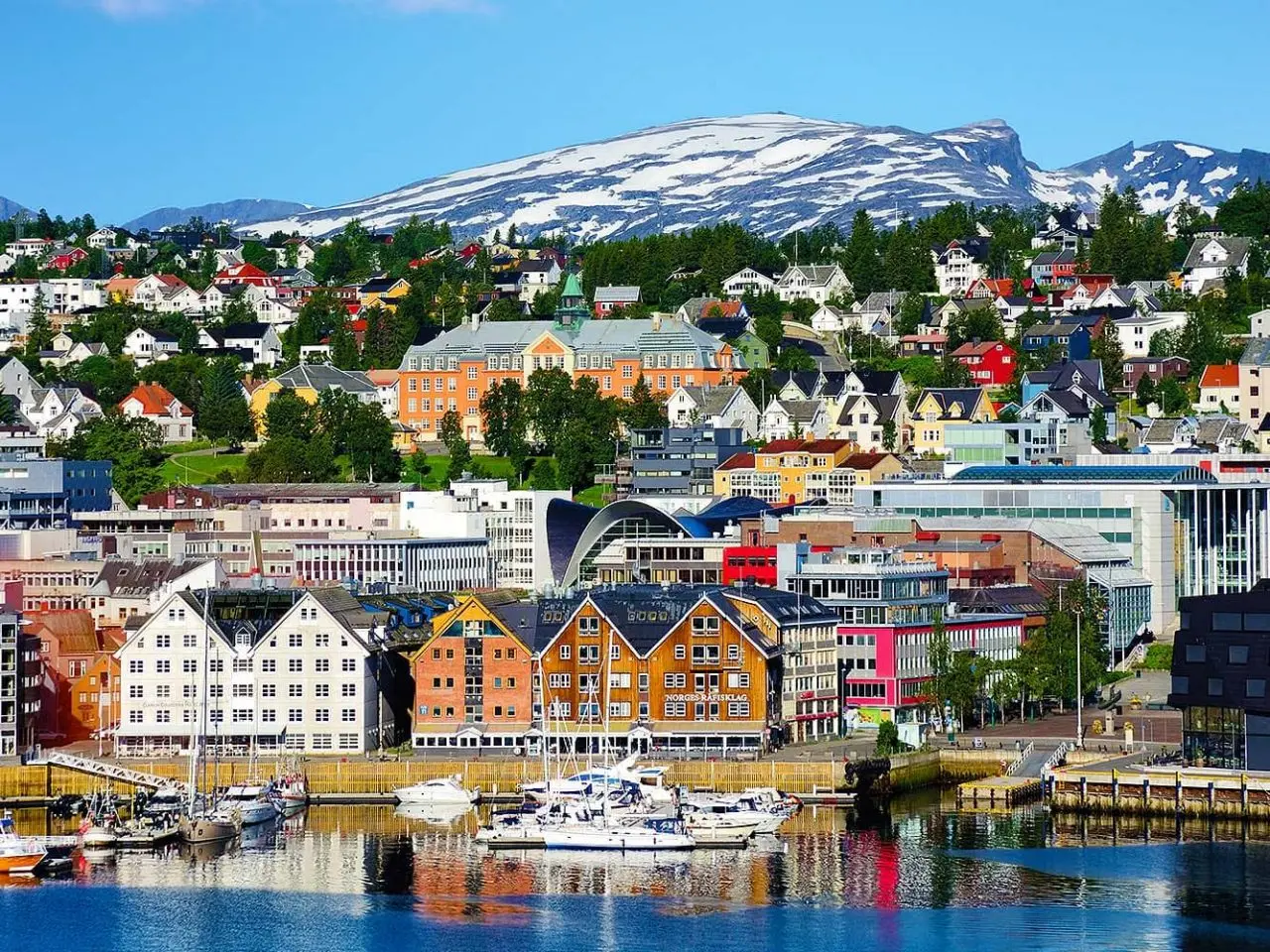
Tromsø is located well above the Arctic Circle and serves as Norway's primary hub for Northern Lights experiences and Arctic wilderness travel. Between September and March, the region offers consistently high chances of witnessing the Aurora Borealis — the green, purple, and white light phenomena that move across the night sky in one of the most extraordinary natural spectacles on Earth.
Beyond the Northern Lights, Tromsø offers a full suite of Arctic experiences: dog sledding through snow-covered forests, snowmobile expeditions across frozen tundra, and winter whale watching in the fjords as humpback and orca whales follow herring migrations. In summer, the city experiences the Midnight Sun — continuous daylight for weeks — creating a completely different and equally compelling travel dynamic. Tromsø stands out because it combines genuine accessibility and good urban infrastructure with the remote Arctic wilderness that surrounds it, making it one of the most practical gateways to polar experiences available anywhere in the world.
👉 Tromsø & Northern Lights Guide
👉 Northern Lights Tour Experience
Lofoten Islands: The Coastal-Alpine Landscape
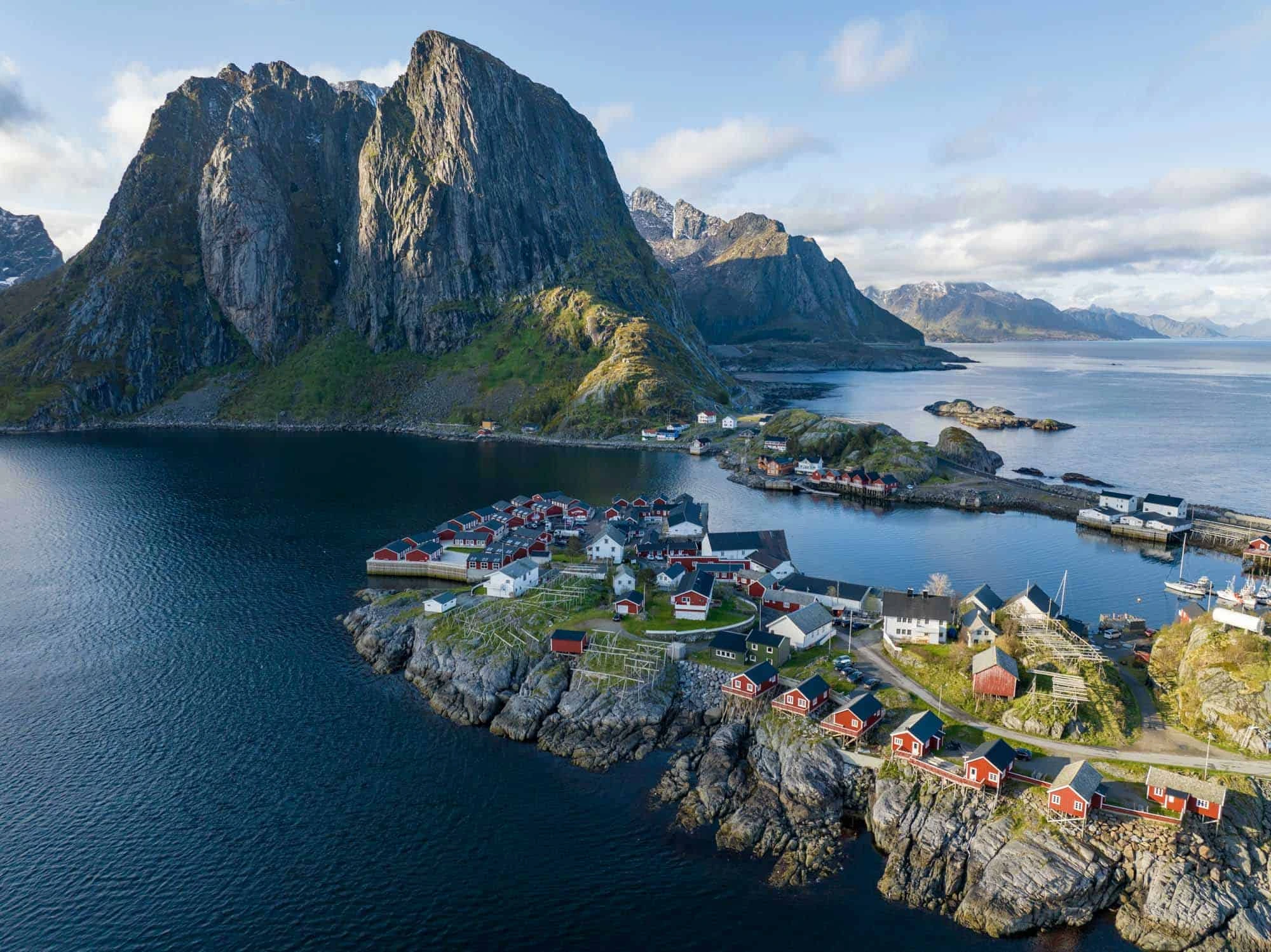
The Lofoten Islands are a chain of dramatic Arctic islands known for their sharp mountain peaks rising directly and abruptly from the sea — creating a rare coastal-alpine landscape of extraordinary visual impact. Traditional red and yellow wooden fishing cabins, known as rorbuer, line the harbor edges, adding a deeply characterful cultural layer to the already dramatic scenery and making Lofoten one of the most photographed regions in all of Norway.
What distinguishes Lofoten is its compact but remarkably diverse geography — within short driving distances, travelers encounter white sand beaches, jagged mountain ridges, traditional fishing villages, and sheltered fjord coves. The islands are particularly compelling for photography, hiking, and slow travel, especially during autumn and winter when the Northern Lights appear above the rugged coastal landscape and the low Arctic light saturates the scenery in warm amber tones.
Preikestolen: The Defining Viewpoint
Preikestolen — known internationally as Pulpit Rock — is one of Norway's most celebrated and photographed viewpoints. The destination is a flat cliff plateau rising approximately 600 metres directly above the Lysefjord, accessible via a moderately challenging two-hour hike that rewards with one of the most dramatic and unobstructed elevated perspectives in Europe.
Unlike enclosed viewpoints or fenced observation platforms, Preikestolen is entirely open — a flat rock ledge with a sheer drop on three sides, where the combination of the dramatic vertical fall, the deep fjord below, and the surrounding mountain silence creates a powerful and genuinely memorable visual and physical experience. It is particularly compelling at sunrise and sunset when the changing light enhances the depth of the landscape. Preikestolen is located near Stavanger and is most commonly visited between May and October, though winter visits on clear days offer extraordinary photography conditions without the summer crowds.
Travel Experiences in Norway
Travel in Norway is built around immersive nature experiences rather than passive sightseeing. Fjord cruises through Geirangerfjord or the UNESCO-listed Nærøyfjord offer the defining perspective on Norway's landscapes — experienced from water level, where the scale of the cliffs and the stillness of the water create an atmosphere of profound natural drama. For Northern Lights travel, guided night excursions from Tromsø or Lofoten significantly increase sighting chances by tracking weather patterns and moving away from light pollution into optimal viewing locations.
Norway's network of officially designated Scenic Routes — 18 carefully engineered driving roads with architect-designed rest stops and viewpoints — transforms road travel itself into a curated experience. These routes are among the most thoughtfully designed drives in the world and are a highlight for summer visitors. Hikes to Preikestolen, Trolltunga, and Kjeragbolten provide access to elevated viewpoints that define Norway's visual identity. Arctic experiences in and around Tromsø — dog sledding, snowmobiling, reindeer encounters, and whale watching — offer a completely different dimension of travel available only in the high north during winter months.
👉 Fjord Cruise Experiences
👉 Northern Lights Tours
👉 Arctic Dog Sledding & Winter Experiences
When to Visit & Planning a Norway Trip
Norway's travel appeal changes more dramatically with the seasons than almost any other destination in the world, and season selection is the most critical planning decision for any Norway itinerary. Winter from November to March is the time for Northern Lights, dog sledding, snowscapes, and Arctic wildlife experiences — centered primarily on Tromsø and the Lofoten Islands. Summer from June to August is the time for fjord cruises, mountain hikes, scenic road trips, and the Midnight Sun — centered on the western fjords, Preikestolen, and the Norwegian Scenic Routes. Shoulder seasons offer fewer crowds and exceptional photography conditions, particularly in autumn when low light and foliage add warmth to the Arctic palette.
A well-structured Norway itinerary typically includes 2–3 nights in Tromsø, 2–3 nights in the Lofoten Islands, 2 nights near Geirangerfjord, and 1–2 nights in Bergen or Oslo as a gateway — totaling 8–12 days for a thorough experience. Domestic flights are the most efficient way to cover Norway's distances, and booking accommodation well in advance is essential during both peak Northern Lights season (January–February) and peak summer season (July). Use our Norway itinerary guide to plan your days and check Norway visa requirements for Indians well in advance.
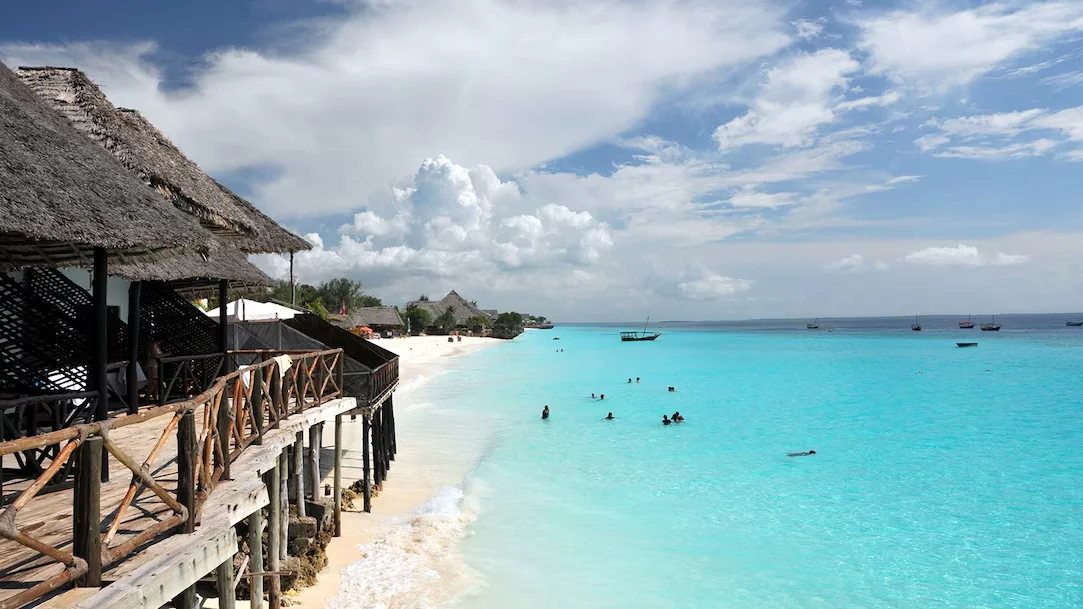
Serengeti safaris, Ngorongoro and unforgettable African landscapes.
Explore Tanzania →
Big Five wildlife, luxury safari lodges and the world-famous Great Migration.
Explore Masai Mara →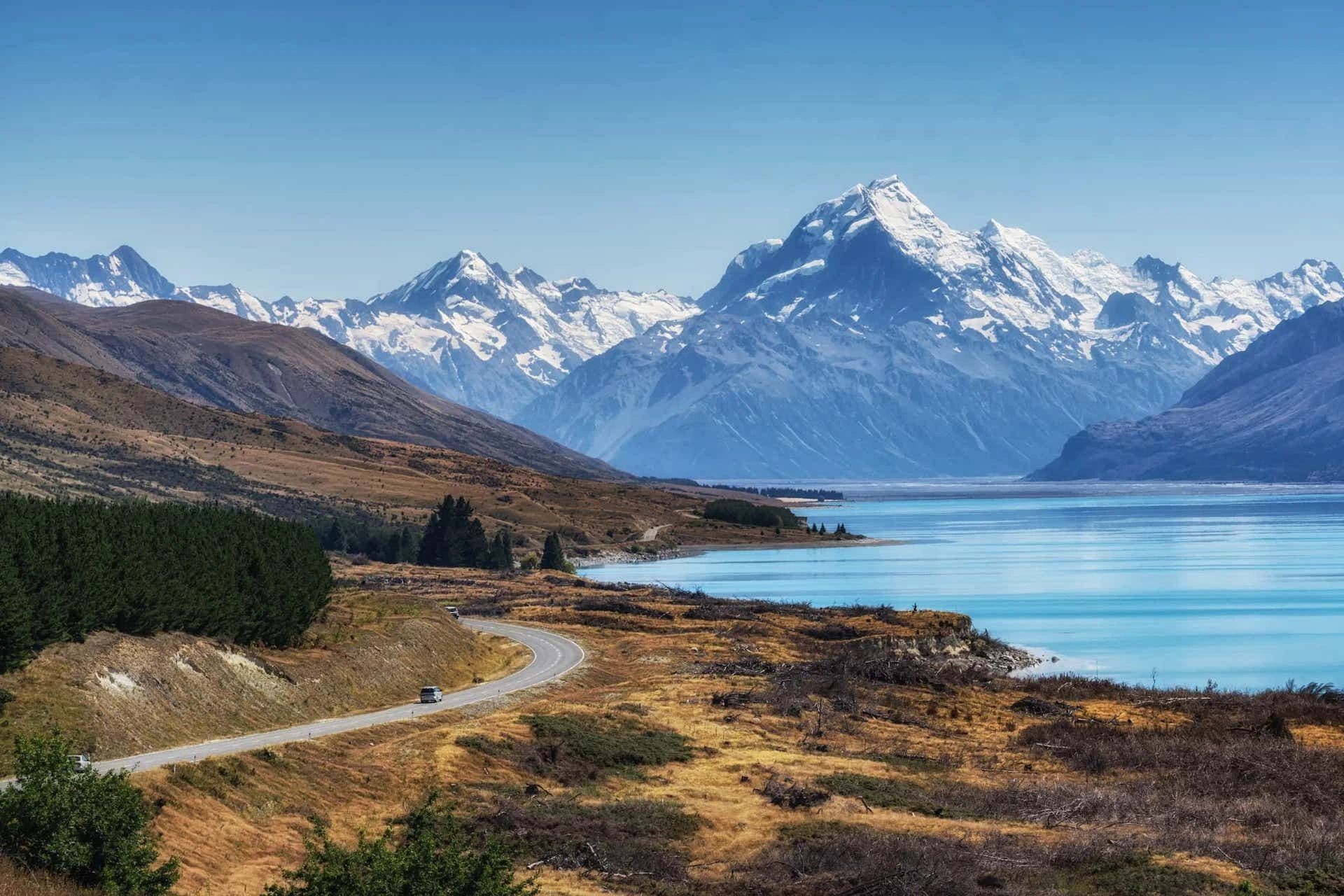
Scenic landscapes, alpine journeys and unforgettable luxury adventures.
Explore New Zealand →Frequently asked questions
Norway is famous for its dramatic fjord landscapes, the Northern Lights (Aurora Borealis), the Midnight Sun, and its Arctic wilderness. Key destinations include Geirangerfjord, the Lofoten Islands, Tromsø, and Preikestolen (Pulpit Rock). It is one of Europe's premier nature-driven destinations, offering some of the world's most extraordinary seasonal natural phenomena.
The best time to visit Norway depends on your travel intent. Winter (November to March) is ideal for the Northern Lights and Arctic experiences in Tromsø and Lofoten. Summer (June to August) is best for fjord cruises, hiking, road trips, and the Midnight Sun. Shoulder seasons offer fewer crowds and strong photography conditions.
A well-structured Norway itinerary typically requires 8–12 days: 2–3 nights in or around Tromsø (for Northern Lights), 2–3 nights in the Lofoten Islands, 2 nights near Geirangerfjord, and 1–2 nights in Bergen or Oslo as a gateway city. Itinerary structure varies significantly depending on whether you are traveling in winter or summer.
Yes. Norway has a strong luxury travel offering — high-end fjord hotels and boutique lodges with panoramic views, private Northern Lights excursions, luxury fjord cruises, and exclusive Arctic wilderness experiences. The country's infrastructure is world-class, making premium and comfort-focused travel highly accessible.
Yes. Indian passport holders require a Schengen visa to visit Norway. Norway is part of the Schengen Area, so the standard Schengen tourist visa application applies. We guide you through documentation and timing requirements during the planning process.
Most travellers fly from India to Oslo (Gardermoen Airport) with one stopover — typically in Dubai, Abu Dhabi, Frankfurt, Amsterdam, or Istanbul. Domestic flights within Norway connect Oslo to Tromsø, Bergen, and other regional hubs. Total travel time is approximately 10–14 hours depending on the route.
Packing for Norway depends heavily on the season. For winter travel, pack thermal base layers, a heavy insulated jacket, waterproof outer layers, warm boots rated for sub-zero temperatures, gloves, and a hat. For summer, pack light layers, waterproof outerwear, and sturdy hiking footwear. Sun protection is important in summer despite the cooler temperatures.
Yes. Norway consistently ranks among the safest countries in the world for travelers. It has excellent infrastructure, reliable public services, and a highly organized tourism sector. Standard travel precautions apply; for Arctic and wilderness experiences, traveling with experienced guides is strongly recommended.
Yes. Norway offers some of the world's most romantic travel settings — witnessing the Northern Lights together from a glass-roofed cabin in the Arctic, cruising through the silence of a deep fjord, or watching the Midnight Sun from a mountain viewpoint. The combination of extraordinary natural beauty and intimate luxury accommodation creates a deeply memorable honeymoon experience.
Yes. Norway is commonly combined with other Scandinavian countries — Sweden, Denmark, or Finland — for a broader Nordic itinerary. It also pairs well with Iceland for an Arctic natural phenomena journey. From India, Norway is often included in a wider Northern Europe or Scandinavia itinerary.
Plan Your Norway Tour
Let our travel specialists design a custom Norway itinerary tailored to your preferred season, travel style, and key experiences.