
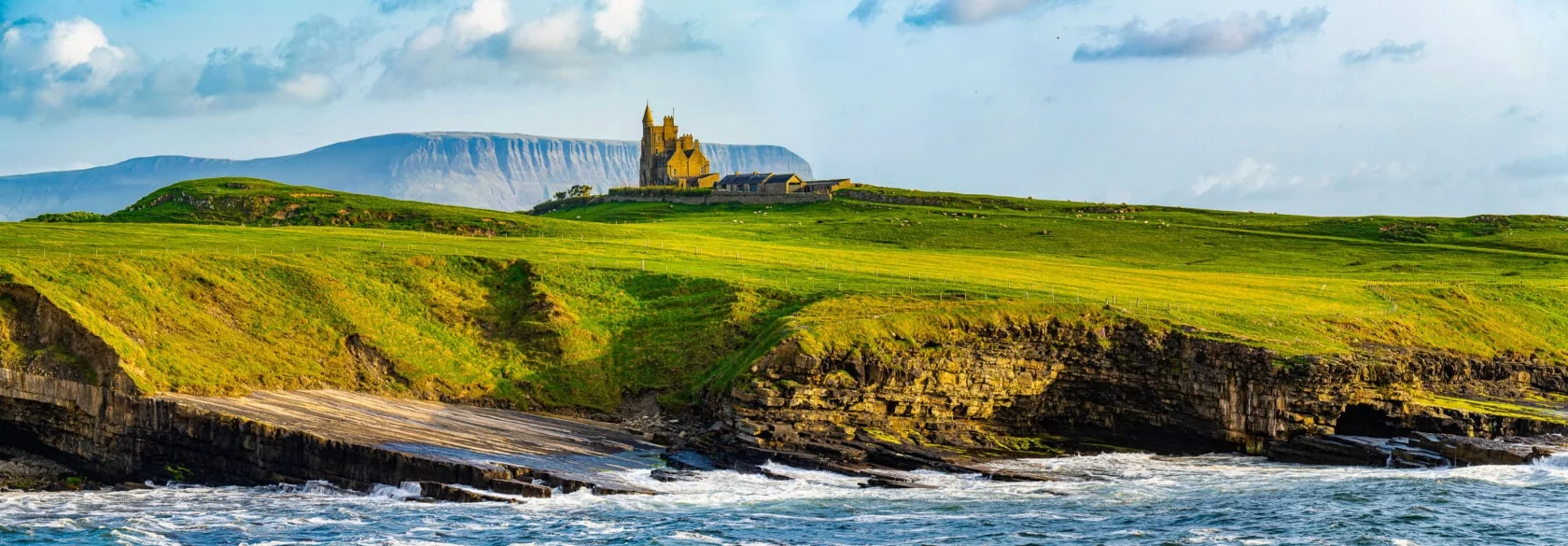
Ireland Travel Guide
A Complete Destination Overview for Luxury Travellers
Ireland Travel Guide: A Complete Destination Overview
Ireland is a scenic island nation in northwestern Europe, known for its dramatic Atlantic coastlines, rolling green countryside, medieval heritage, and deeply rooted cultural identity. Often referred to as the "Emerald Isle," Ireland offers a balance of natural beauty and immersive cultural experiences — from rugged cliffs and ancient castles to vibrant city life and traditional pub culture.
For travelers planning a trip from India, Ireland presents a distinctive European experience: unhurried road journeys through ever-changing landscapes, heritage exploration across centuries of history, and a warmth of local culture that sets it apart from faster-paced continental destinations.
This destination guide covers Ireland in depth — its key regions, iconic natural landmarks, cultural experiences, and how to structure the right itinerary based on your travel goals and preferred travel style. What sets Ireland apart is that travel here is less about ticking landmarks and more about slow, immersive journeys — where the drive itself is part of the experience.
Insights are drawn from the experience of a trusted travel agency for Ireland , focused on itinerary quality, seasonal timing, and curated scenic experiences.
Every detail in this guide is informed by the planning philosophy of our international travel agency in Gurgaon , known for crafting refined long-haul travel experiences.
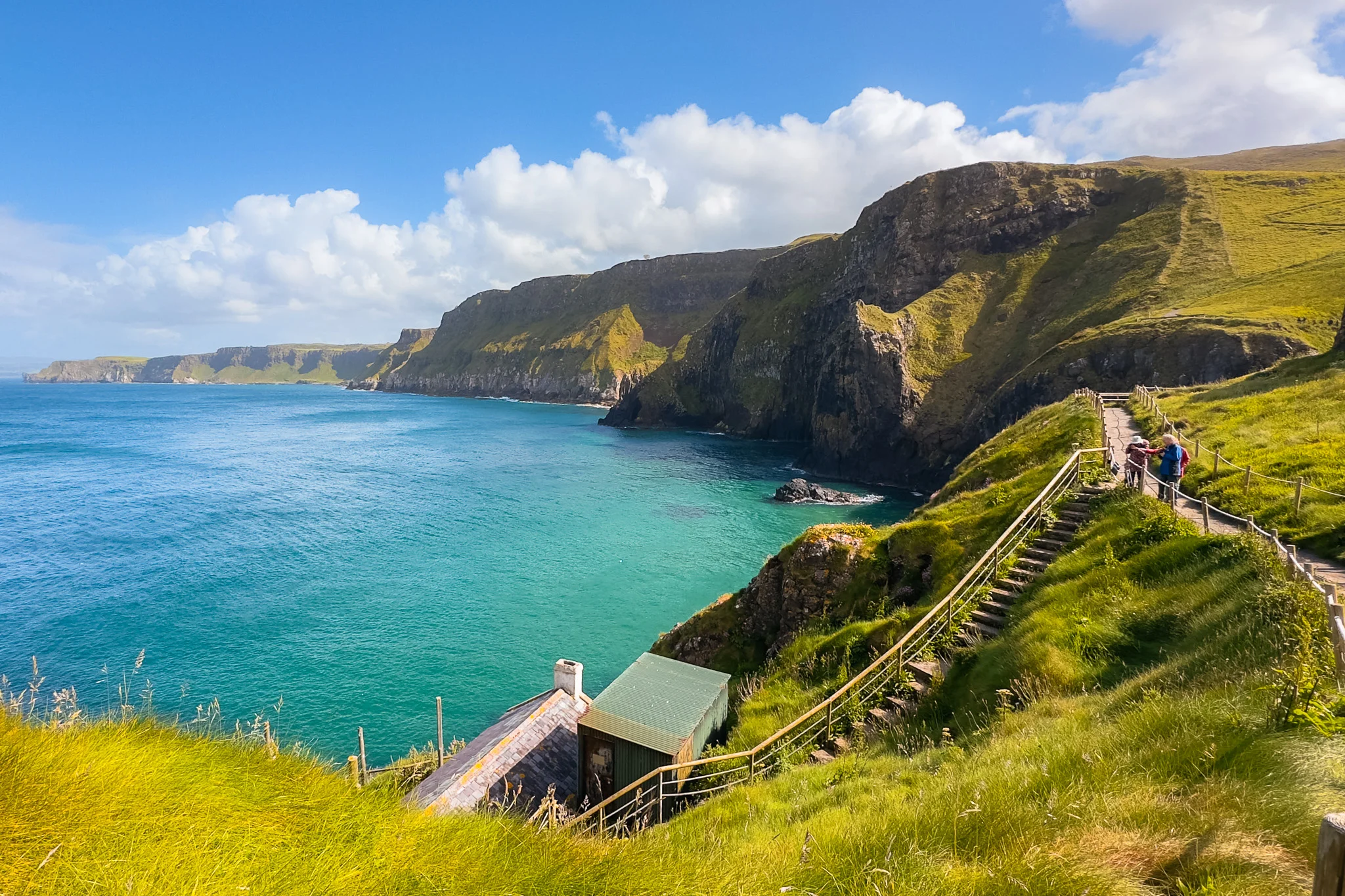
Ireland, The Emerald Isle of Europe
Ireland is an island nation in northwestern Europe, defined not by a single iconic city or monument but by a landscape of extraordinary variety — Atlantic cliffs, rolling green hills, ancient ruins, and a deeply characterful cultural identity. It is one of the few European destinations where the journey between places is as compelling as the destinations themselves, making it a natural fit for slow, road trip-style travel.
For most international travelers, Ireland is not a single-location trip but a multi-region road journey — typically combining coastal scenery, heritage sites, and cultural experiences within one well-structured itinerary. What makes Ireland particularly distinctive is its intimate scale: within a relatively short distance, travelers encounter entirely different landscape types, from the dramatic Atlantic cliffs of the west to the historic streets of Dublin in the east.
Ireland's appeal is consistent across seasons, though summer offers the best driving and outdoor conditions while the cooler months bring a quieter, more atmospheric quality to castle visits and coastal walks. The country's culture — centered around storytelling, music, and genuine hospitality — adds a human warmth to every itinerary that is difficult to replicate elsewhere in Europe.
Why Visit Ireland?
Ireland appeals to travelers seeking immersive natural and cultural experiences rather than fast-paced urban sightseeing. It is especially popular among travelers who value scenic landscapes, heritage exploration, and authentic cultural encounters — categories where Ireland consistently ranks among Europe's most rewarding destinations. The country offers experiences that feel genuinely unhurried: long coastal drives with no fixed agenda, evenings in century-old pubs with live traditional music, and hikes along clifftops with uninterrupted Atlantic views.
Key reasons travelers choose Ireland include its world-class coastal scenery at the Cliffs of Moher and along the Wild Atlantic Way; the Ring of Kerry as one of Europe's finest scenic road trip routes; Dublin as a city that combines genuine historical depth with a vibrant, accessible cultural atmosphere; a strong tradition of castle and heritage experiences; and a luxury travel infrastructure that offers historic castle hotels, boutique coastal retreats, and private guided experiences combining comfort with authenticity.
Cliffs of Moher: Ireland's Iconic Natural Landmark
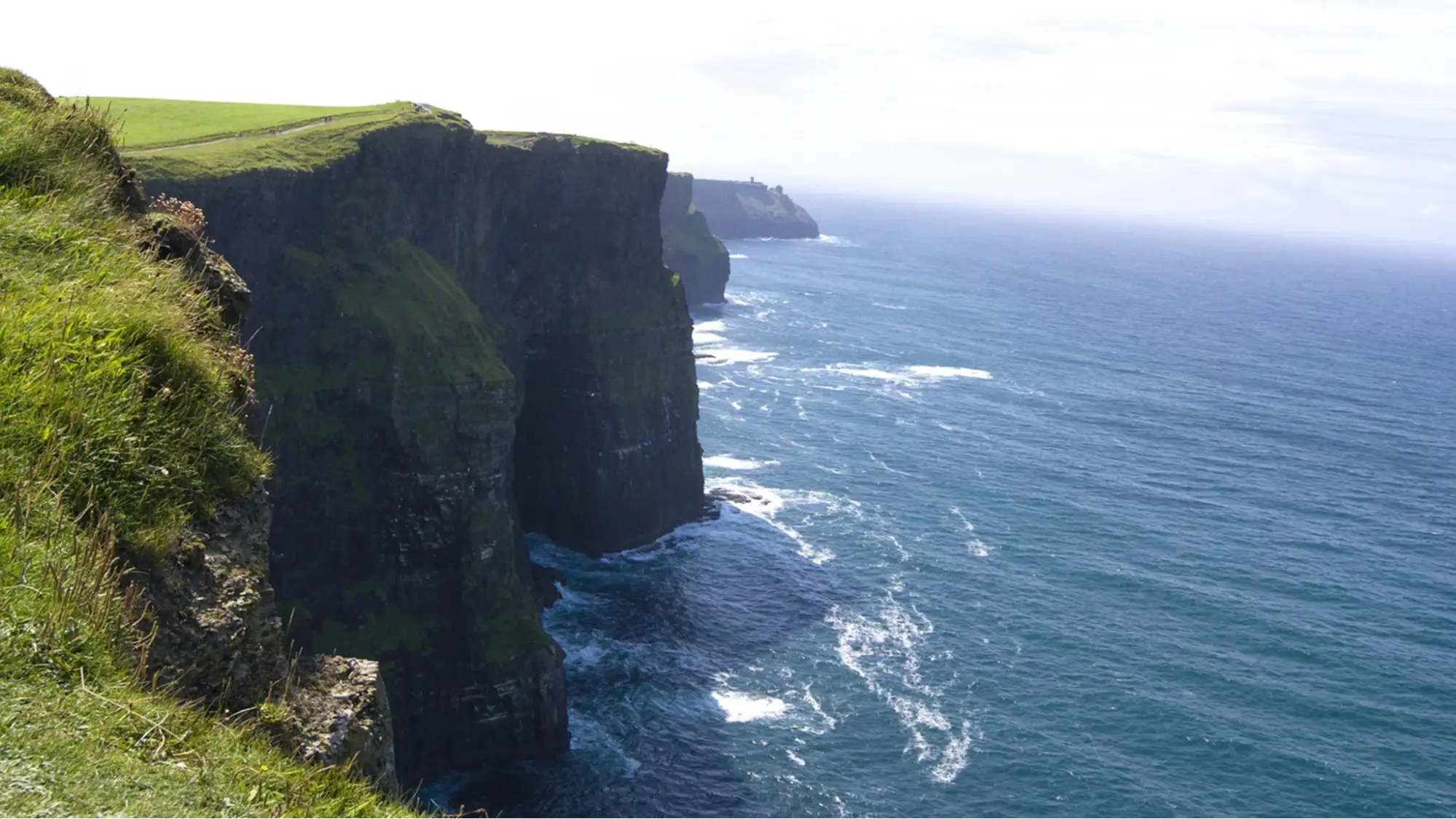
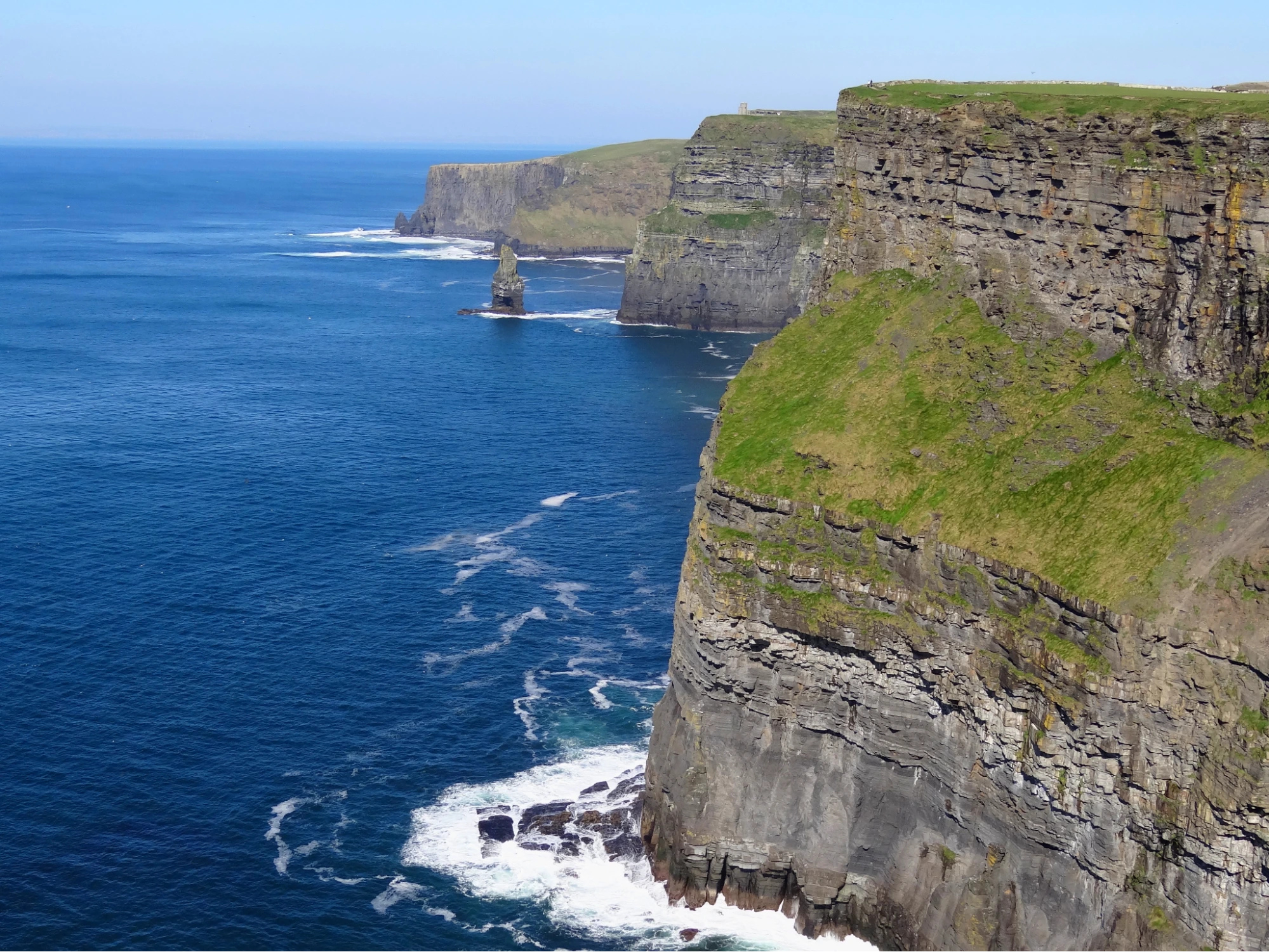
The Cliffs of Moher are Ireland's most iconic natural landmark, rising over 200 meters above the Atlantic Ocean along a stretch of nearly 14 kilometers of uninterrupted cliff edge. The scale of the cliffs — combined with the raw, exposed environment of constant Atlantic wind, breaking ocean swells, and rapidly changing light — creates one of Europe's most dramatic coastal experiences.
What makes the Cliffs of Moher particularly powerful is the sense of exposure and elemental force they convey. Unlike enclosed viewpoints, the cliff walks here offer a genuinely immersive Atlantic coastal experience — where the boundary between land and ocean feels immediate and the visual scale is difficult to process. The cliffs are most compelling at sunset when warm light catches the cliff face, and in overcast or misty conditions when low cloud and sea spray add an atmospheric, almost cinematic quality to the landscape.
Ring of Kerry: Ireland's Premier Scenic Drive
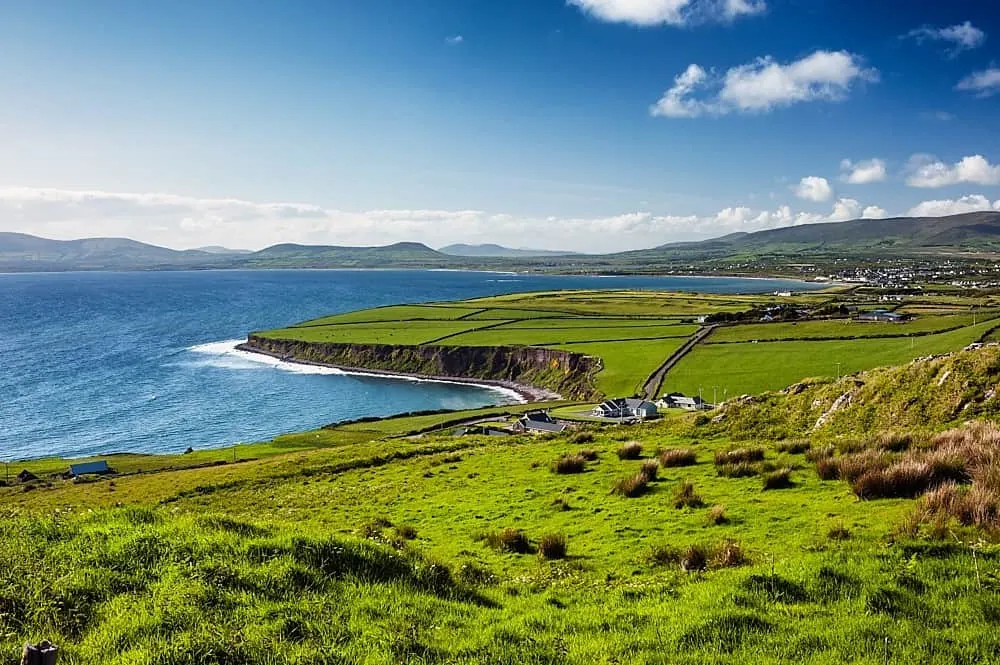
The Ring of Kerry is a 179-kilometer circular route through County Kerry in southwest Ireland, widely considered one of the finest scenic drives in all of Europe. Unlike a single attraction, the Ring of Kerry is a journey-based experience where the landscape changes continuously — coastlines give way to mountain passes, which open onto lake valleys, traditional villages, and finally back to the Atlantic coast.
Key highlights along the route include Killarney National Park with its ancient oak woodland and mountain lakes, the Ladies View panoramic viewpoint, and Torc Waterfall. The route passes through traditional Irish towns where the pace of life slows and local character is genuine and unhurried. The Ring of Kerry rewards slow travel above all — the most memorable experiences come from stopping at viewpoints without a schedule, walking short trails into the landscape, and taking side roads that the main circuit misses entirely.
Dublin: Ireland's Cultural Capital
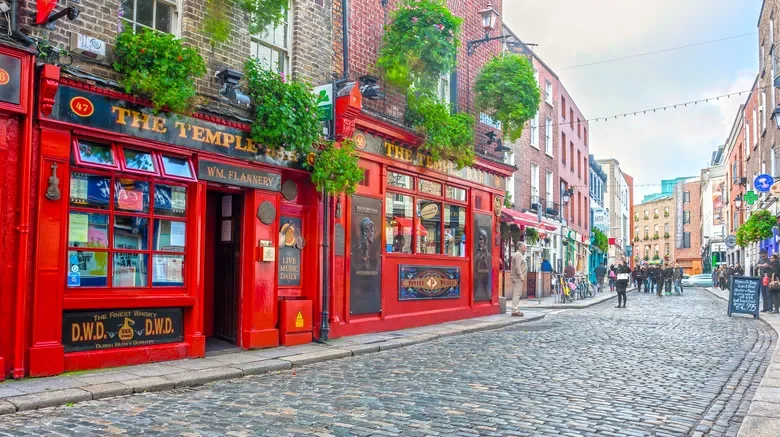
Dublin is Ireland's capital city and its primary cultural and historical hub, serving as both the main gateway for international arrivals and a destination with significant depth in its own right. The city combines genuine historical heritage — Trinity College, Dublin Castle, and literary landmarks linked to writers including James Joyce and Oscar Wilde — with a vibrant, accessible contemporary atmosphere centered around its famous pub and music culture.
The Temple Bar district is the cultural heart of the city, where live traditional Irish music, street performance, and social culture come together in a compact and walkable area. Beyond the nightlife, Dublin rewards slower exploration: the Long Room at Trinity College — housing over 200,000 of the world's oldest books — is one of the most extraordinary library spaces in Europe, and the Guinness Storehouse provides an immersive deep-dive into Ireland's most recognized cultural export. Dublin works equally well as a starting point for countryside itineraries and as a standalone two to three night cultural city break.
Blarney Castle: History, Legend & Gardens
Blarney Castle is one of Ireland's most famous historic sites, located near Cork in the south of the country. It is primarily known internationally for the Blarney Stone — a block of limestone set into the castle's battlements, which visitors traditionally kiss to receive the legendary "gift of eloquence." The ritual has drawn visitors from around the world for centuries and remains one of Ireland's most enduring travel experiences.
Beyond the legend, Blarney Castle offers considerably more than its most famous feature. The castle grounds include expansive landscaped gardens, ancient woodland walks, a poison garden, and the Rock Close — a series of ancient stones set within a natural rock garden that creates one of the most atmospheric walking environments in Ireland. The combination of medieval architecture, folklore, and genuinely beautiful grounds makes Blarney Castle a compelling full-day experience rather than a brief stop, and it pairs naturally with exploration of Cork city and the surrounding southern countryside.
Travel Experiences in Ireland
Travel in Ireland is built around immersive scenic and cultural experiences rather than passive sightseeing. Scenic road trips along the Ring of Kerry and the Wild Atlantic Way — Ireland's 2,500-kilometer coastal route — provide the defining perspective on Ireland's landscapes, where every bend in the road opens onto a new and often unexpected view. For heritage travel, Ireland's density of castles, ancient ruins, and medieval sites is among the highest in Europe, with many accessible on foot within strikingly beautiful natural settings.
Ireland's pub culture is a genuine travel experience rather than simply a nightlife offering — traditional Irish music sessions, storytelling culture, and the social atmosphere of a local pub provide an authentic window into Irish life that is difficult to access through conventional tourism. Coastal walks along the Cliffs of Moher, Killarney National Park trails, and the Wicklow Mountains offer a range of outdoor experiences from gentle scenic walks to more challenging terrain. For luxury travelers, Ireland offers a category of accommodation — castle hotels and historic country house estates — that provides a genuinely immersive heritage experience unavailable in more modern destinations.
When to Visit & Planning an Ireland Trip
Ireland's travel appeal is strong across most of the year, though the experience changes meaningfully with the season. Summer from May to September offers the best weather conditions for road trips, cliff walks, and outdoor exploration — with long daylight hours that allow for extended driving days and evening coastal visits. Shoulder seasons in April and October provide a compelling balance of fewer crowds and reasonable weather, with the added advantage of autumn foliage adding warmth to the countryside palette. Winter from November to March brings a quieter, more atmospheric quality to heritage sites and city travel, with lower prices and a more local feel to popular destinations.
A well-structured Ireland itinerary typically includes 2 nights in Dublin, 2 nights near the Cliffs of Moher, 2–3 nights for the Ring of Kerry, and 1–2 nights for the Blarney Castle and Cork region — totaling 7–10 days for a thorough experience. Self-drive is the most flexible and rewarding way to travel Ireland, and booking accommodation in advance is advisable during peak summer season, particularly in smaller towns along popular scenic routes.
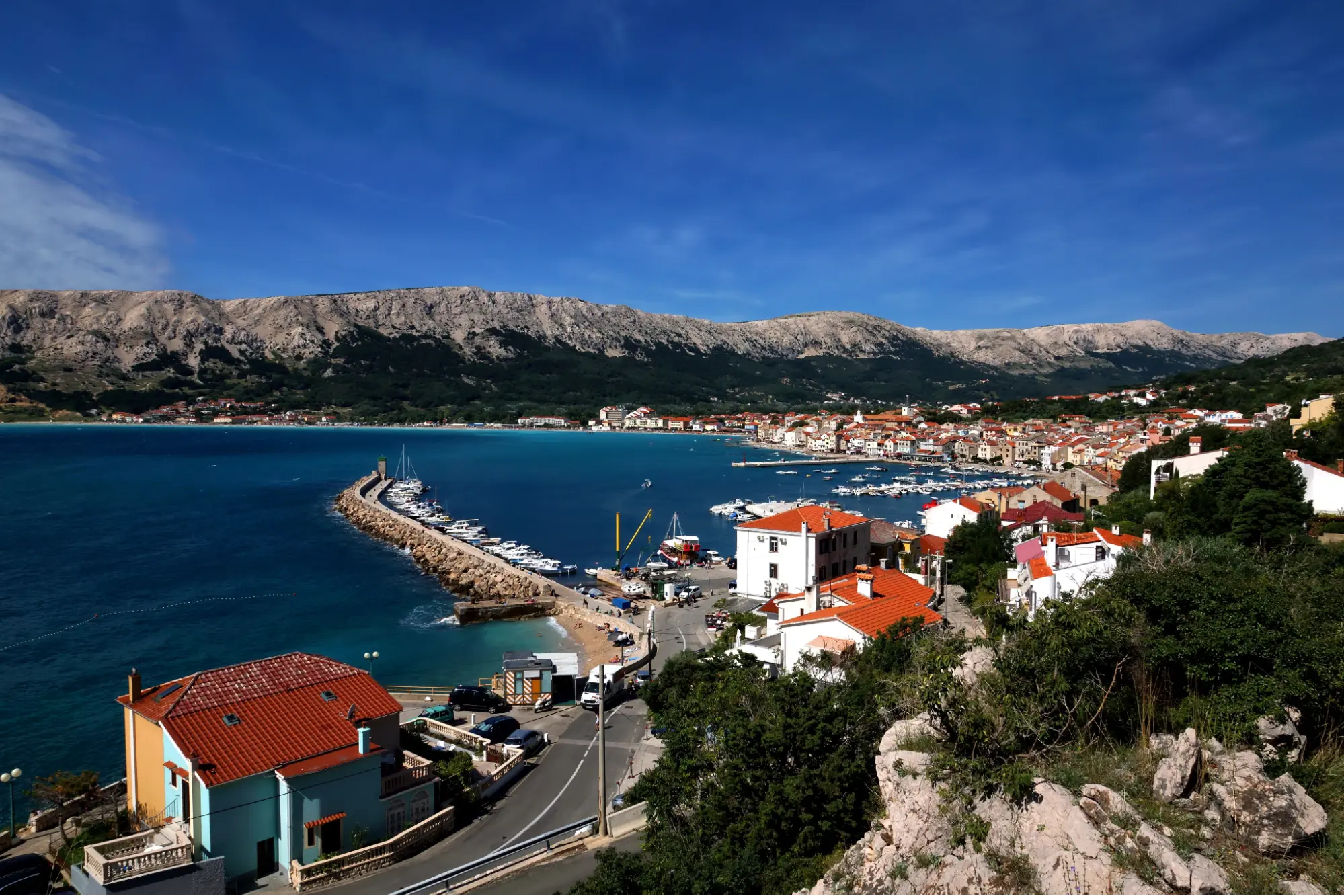
Adriatic coastlines, historic cities and unforgettable island journeys.
Explore Croatia →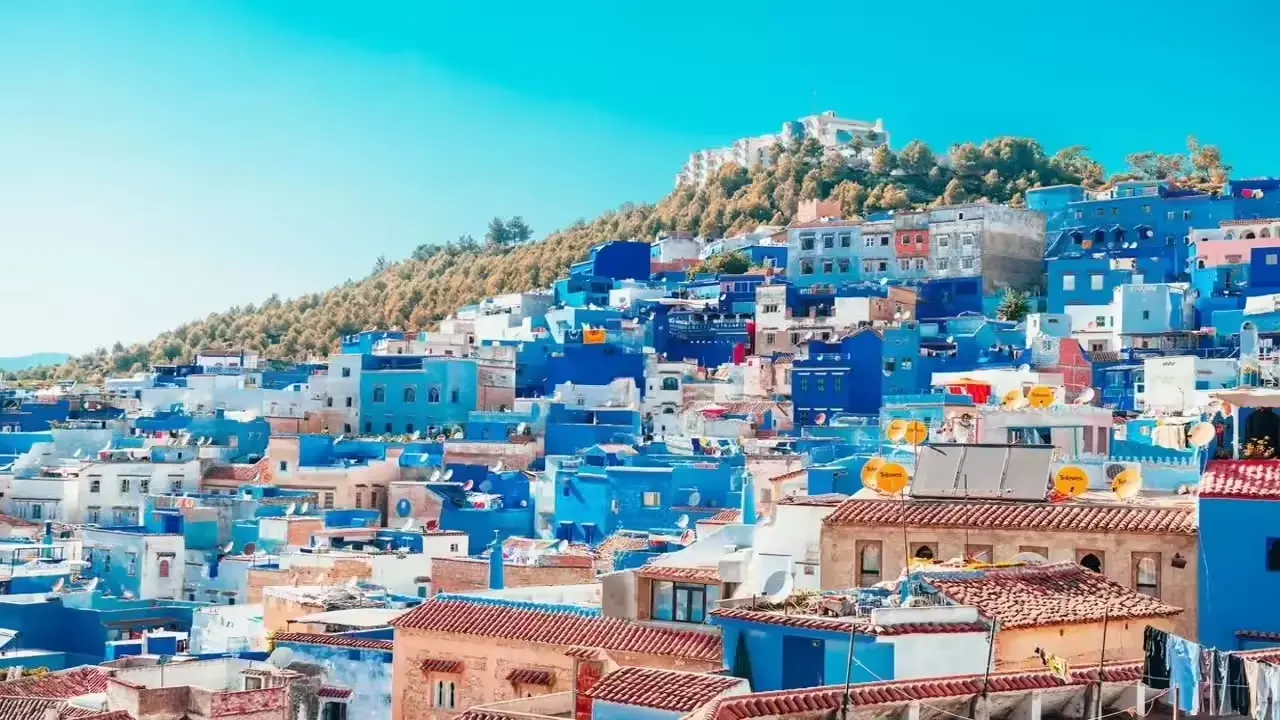
Historic medinas, Sahara landscapes and immersive cultural journeys.
Explore Morocco →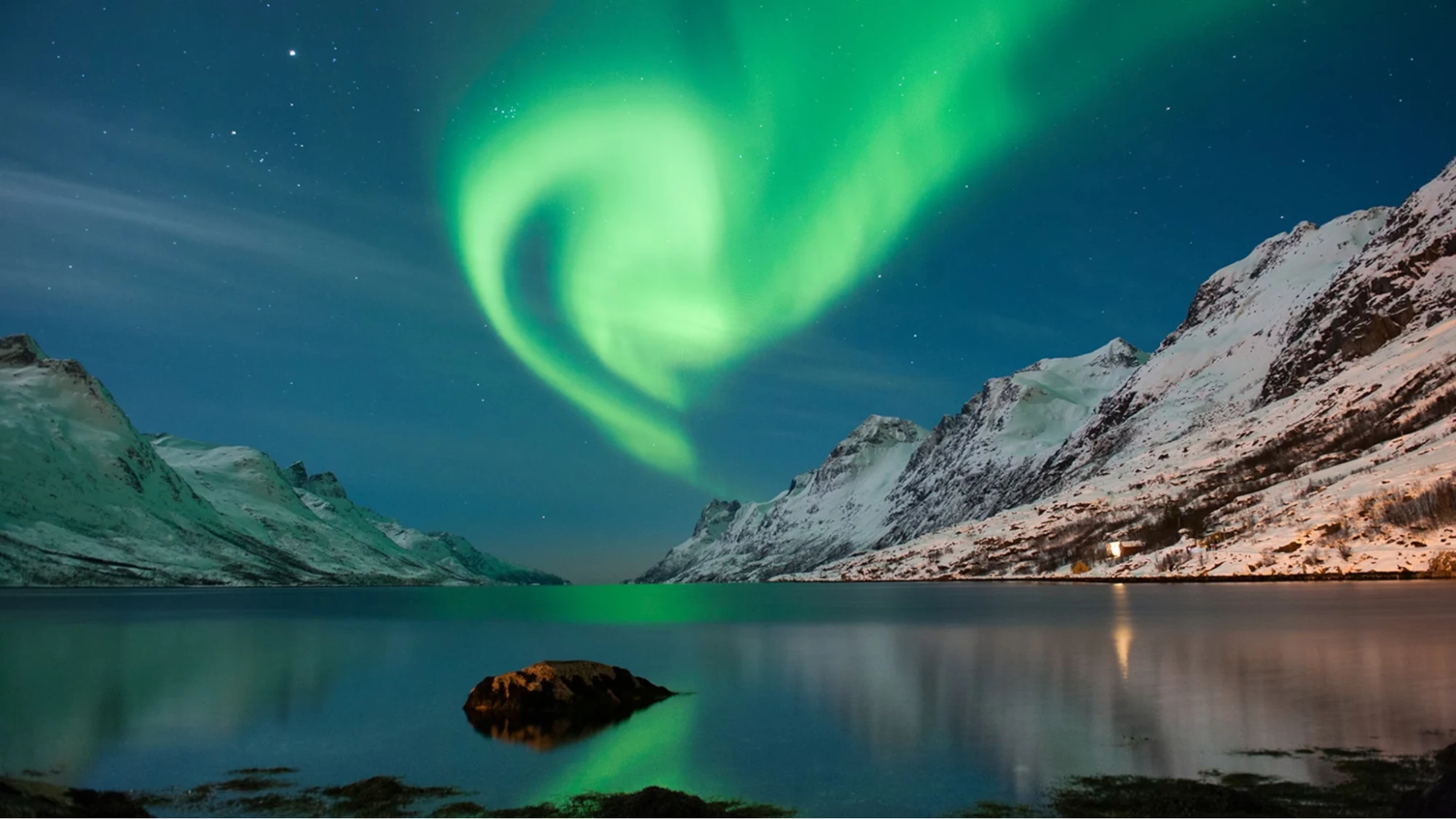
Fjords, Arctic landscapes, Northern Lights and unforgettable Nordic journeys.
Explore Norway →Frequently asked questions
Ireland is famous for its dramatic Atlantic coastline, rolling green countryside, medieval castles, and rich cultural heritage. Key destinations include the Cliffs of Moher, the Ring of Kerry, Dublin, and Blarney Castle. It is known as the Emerald Isle and is one of Europe's most scenic and culturally immersive destinations.
The best time to visit Ireland is from May to September, when weather is most favorable and daylight hours are longest — ideal for road trips and outdoor exploration. April and October offer a good balance of fewer crowds and reasonable weather. November to March is quieter and suits city-focused travel.
A well-structured Ireland itinerary typically requires 7–10 days: 2 nights in Dublin, 2 nights near the Cliffs of Moher, 2–3 nights for the Ring of Kerry, and 1–2 nights for Blarney Castle and surrounding areas. For a more extended exploration including Northern Ireland, 10–14 days is recommended.
Yes. Ireland offers a strong luxury travel experience — from historic castle hotels and boutique coastal retreats to private guided road trips and exclusive heritage experiences. The country's scenic beauty, combined with high-quality accommodation and hospitality, makes it well-suited for premium and comfort-focused travel.
Yes. Indian passport holders require an Irish Short Stay (C) visa to visit Ireland. Ireland is not part of the Schengen Area, so a separate Irish visa is required even if you hold a valid Schengen visa. We guide you through documentation and timing requirements during the planning process.
Most travellers fly from India to Dublin Airport with one stopover — typically in London, Dubai, Abu Dhabi, or Amsterdam. Direct connections are available from major Indian cities including Delhi and Mumbai. Total travel time is approximately 12–16 hours depending on the route and layover duration.
Ireland's weather is unpredictable year-round, so layering is essential. Pack waterproof outerwear, light to mid-weight layers, comfortable walking shoes, and a compact umbrella. In winter, add thermal layers and a heavier jacket. Sun protection is advisable in summer even on overcast days.
Yes. Ireland is consistently ranked among the safest travel destinations in Europe. It has excellent infrastructure, a welcoming local culture, and a highly organized tourism sector. Standard travel precautions apply, and rural road trips are generally very safe with well-maintained roads and clear signage.
Yes. Ireland offers exceptional settings for a honeymoon — driving through the Ring of Kerry at golden hour, watching the Atlantic crash against the Cliffs of Moher, or staying in a historic castle surrounded by countryside. The combination of dramatic natural scenery and intimate, character-filled accommodation creates a deeply memorable romantic experience.
Yes. Ireland is commonly combined with the United Kingdom — particularly London, Scotland, or Northern Ireland — for a broader British Isles itinerary. It also pairs well with France or other Western European destinations. From India, Ireland is often included in a wider Europe itinerary.
Plan Your Ireland Tour
Let our travel specialists design a custom Ireland itinerary tailored to your preferred season, travel style, and key experiences.