

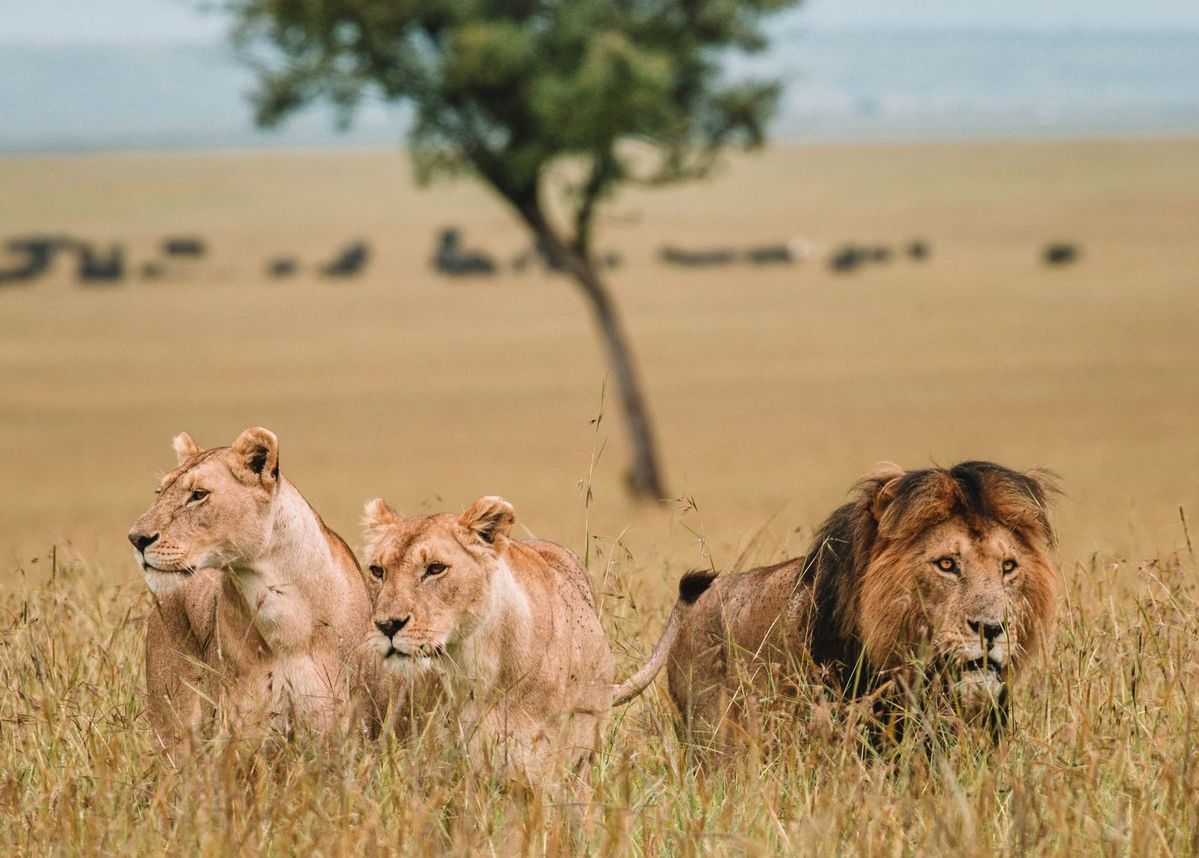
Planning a Masai Mara safari often comes with one big question: Will it be expensive? The truth is that a Masai Mara trip can be premium in experience while still being cost-effective — if you plan the right season, the right trip length, and the right kind of camp for your priorities. Travelers comparing options like a Masai Mara tour from Mumbai or a Masai Mara tour from Bangalore often discover that smart planning makes a significant difference to overall cost.
In this detailed 2026 guide, you’ll learn exactly how to plan a budget-smart Masai Mara safari without cutting corners on safety, comfort, or wildlife time. We’ll cover the best months for value, how many nights you actually need, how to choose between the reserve and conservancies, flight vs road transfers, a realistic cost breakdown, common overspending traps, and a practical checklist you can follow.
If you’re new to the destination and want a quick overview of what makes it world-famous (Big Five sightings, migration season dynamics, landscapes, and camp styles), start here: Masai Mara destination guide.
1) What “Cost-Effective” Really Means for Masai Mara
A cost-effective safari is not the same as a “cheap” safari. Cutting the wrong costs can reduce game drive quality, safety, and even your chances of great sightings. A cost-effective plan means you spend on what truly matters and reduce what doesn’t materially improve the experience.
- Spend where it counts: location of camp, quality of guide, number of game drives, and park access.
- Save where it’s smart: season choice, transfer choice, camp category (mid-range often wins), and trip length optimization.
- Avoid false savings: ultra-cheap camps far from wildlife zones, hidden park fees, and last-minute “upgrade pressure.”
Your goal should be: maximum wildlife time + reliable comfort + transparent inclusions at the best possible price.
2) Pick the Best Season for Value (Not Just the Most Famous Season)
Masai Mara is a year-round safari destination. What changes is pricing, crowd levels, road conditions, and the “type” of safari experience you get. Choosing the right season is often the #1 lever for cost-effectiveness.
Peak Season (July to October): Great Migration + Highest Prices
This is when global demand is highest and many travelers come specifically for the Great Migration. Prices for flights and camps rise and availability tightens.
- High demand + earlier sell-outs
- More vehicles in popular areas
- Best for first-timers who want maximum “bucket list” drama
Shoulder Season (January to March): Best Balance of Price + Sightings
Shoulder months often deliver strong predator sightings, good visibility, and fewer vehicles than peak migration months. Many travelers find this period gives the best “value-to-experience” ratio.
- Excellent general wildlife viewing
- Lower rates than peak season
- Comfortable weather and strong photography conditions
Green Season (April to June, and November): Lowest Rates + Quiet Safari Feel
Green season pricing can be significantly lower, and crowds are fewer. Landscapes are lush, and you can enjoy a quieter safari atmosphere. Wildlife is still present — but tall grass and occasional rain can slightly affect visibility in some areas.
- Best for budget-first travelers
- Lower lodge pricing and occasional deals
- Fewer vehicles and calmer game drives
For general destination inspiration and official tourism information, you can reference the Kenya Tourism Board: Magical Kenya (Kenya Tourism Board).
3) Decide the Right Trip Length (This Is Where Most People Overspend)
Many travelers either do too short (feels rushed) or too long (cost increases without proportional benefits). For most people, 3 nights in Masai Mara is the best cost-effective sweet spot.
3 Nights / 4 Days (Best Value)
- More relaxed pacing
- More game drives = higher sighting probability
- Better chance for “special moments” (big cats, hunts, river activity)
4+ Nights
- Ideal for photographers and slow travel
- Costs rise, but you gain comfort and depth
- Best when you’re staying in an excellent location and truly want a slower pace
4) Choose the Right Camp Category (Mid-Range Often Wins)
Accommodation is usually the biggest variable cost. The key is choosing a camp that matches your priorities and season — not automatically choosing the cheapest or the most luxurious.
Budget Camps
- Basic tents/rooms, simpler meals
- Lower nightly rates
- Can be good if location and guide quality are strong
Mid-Range Camps (Best Cost-to-Comfort Ratio)
- Comfortable tents with ensuite bathrooms
- Reliable service and meals
- Often the best value tier for most travelers
Luxury Camps
- Higher privacy, premium service, fewer rooms
- Often best positioned in prime areas
- Great for honeymoons and “once-in-a-lifetime” trips
Cost-effective strategy: pick a mid-range camp in a good wildlife zone and spend on more game drives (or an extra night) rather than paying only for luxury touches that don’t increase sightings.
5) Reserve vs Conservancy: Which One Is More Cost-Effective?
Masai Mara experiences are typically either inside the main reserve or in private conservancies bordering the reserve. Both can be cost-effective — depending on your travel goals.
Main Reserve
- Often lower accommodation cost
- Large safari ecosystem with high wildlife density
- More vehicles in peak season areas
Private Conservancies
- Fewer vehicles and more exclusive feel
- Often allow off-road driving (depends on conservancy rules)
- Sometimes slightly higher nightly cost
If you’re traveling in peak season and want a calmer safari with fewer vehicles, a conservancy can actually be more “value for money” in experience terms — even if the nightly rate is higher.
6) Flights vs Road Transfer: The Most Practical Savings Decision
After arriving in Nairobi, you typically choose between a road transfer or a short bush flight. This decision impacts both budget and the total quality of your safari time.
Road Transfer (Cheaper)
- Typically 5–6 hours (can vary with road conditions)
- Lower cost than flying
- Reduces time available for game drives on travel days
Domestic Bush Flight (Time-Saving)
- ~45–60 minutes
- Costs more, but you gain more safari time
- Very scenic arrival experience
Cost-effective tip: If you’re doing 3+ nights and don’t mind a longer day, road can be a good savings.
7) Realistic Cost Breakdown: What You Should Budget For
Your total Masai Mara budget typically includes:
- International flights (India → Nairobi return)
- Domestic transfer (bush flight or road)
- Accommodation (full board is common)
- Park / conservancy fees
- Game drives & guide
- Travel insurance
- Visa / entry formalities
Estimated Safari Spend (Excluding International Flights)
- Value/Budget Safari: typically best for short stays and road transfers
- Premium Mid-Range: best overall balance for comfort + sightings
- Luxury: best for high privacy, top locations, and premium service
A structured package often becomes more cost-effective than DIY planning because it bundles negotiated camp rates, transfers, and guide costs with fewer surprises.
8) Where People Overspend (And How to Avoid It)
Overspending Trap #1: Paying Only for Luxury Interiors
Luxury rooms are wonderful, but they don’t automatically improve sightings. If your budget is limited, prioritize camp location + game drive quality first.
Overspending Trap #2: Last-Minute Peak Season Booking
Peak season pricing climbs fast. The most cost-effective peak season safaris are usually booked early with clear inclusions.
Overspending Trap #3: Hidden Fees
Always confirm if these are included:
- Park / conservancy fees
- Airport transfers
- Game drives
- Local taxes and levies
Overspending Trap #4: Optional Add-Ons You Don’t Really Want
A balloon safari is incredible, but it’s a major add-on. Include it only if it’s a true priority. Otherwise, spend that budget on an extra night or a better wildlife zone.
9) Plan Your Daily Safari Structure for Maximum Value
A cost-effective safari isn’t only about price — it’s about getting the most out of each day. A typical high-value structure is:
- Early morning game drive (best for predators and golden light)
- Midday rest (hot hours, animals less active)
- Afternoon game drive (great for big herds and sunsets)
Ask for clarity on whether your package is shared vehicle or private vehicle. Shared vehicles are more cost-effective; private vehicles provide flexibility and can be worth it for families or photographers.
10) A Cost-Effective Masai Mara Planning Checklist
- Pick the season: shoulder season for balance, green season for maximum savings.
- Choose trip length: aim for 3 nights for best value.
- Select the right camp tier: mid-range usually delivers the best ROI.
- Decide reserve vs conservancy: value depends on crowd tolerance and preferences.
- Choose transfers: fly to save time on short trips; road to save money on longer trips.
- Confirm inclusions: park fees, drives, transfers, taxes.
- Plan for hidden costs: tips, alcohol, baggage limits on bush flights.
- Book with transparency: written itinerary + itemized pricing.
If you want help building a cost-effective itinerary for your dates (with clear inclusions and pricing), reach out here: https://luxuryunlocked.in/contact.
Final Thoughts: Luxury Experience, Smart Spending
A cost-effective Masai Mara trip is absolutely achievable when you plan for value instead of chasing the lowest headline price. Focus on the decisions that materially improve your safari: the season, the trip length, the camp location, and the daily game drive structure.
When you get these right, Masai Mara delivers the kind of wildlife experience that feels priceless — without your planning feeling expensive.
To explore the reserve, camp styles, and what to expect in different seasons, visit our full guide: https://luxuryunlocked.in/destinations/masai-mara.
Cost-Effective Masai Mara Trip - FAQs
Shoulder season (January–March) is often the best balance of pricing, weather, and strong wildlife sightings, while green season months can offer the lowest camp rates.
For most travelers, 3 nights is the best value because it provides enough game drives for strong sightings without inflating costs unnecessarily.
Yes. Masai Mara has excellent year-round wildlife, including big cats and the Big Five, and non-migration months often have fewer crowds and better value.
Conservancies can be slightly higher in nightly cost, but they often offer fewer vehicles and a more exclusive safari feel, which can be excellent value in peak months.
Common omissions include park fees, local taxes, transfers, and sometimes even game drives. Always ask for an itemized list of inclusions before paying.
Yes. Shared vehicles are typically more cost-effective. Private vehicles cost more but provide flexibility and can be worth it for families or photographers.
Mid-range camps usually offer the best cost-to-comfort ratio: ensuite tents, reliable service, good food, and excellent safari access without luxury-level pricing.
Yes, especially for July–October. Early booking helps you secure better flight fares and camp availability before peak pricing and sell-outs.
Travel in shoulder season, aim for 3 nights, pick a well-located mid-range camp, confirm inclusions (park fees and drives), and avoid add-ons unless they’re true priorities.