
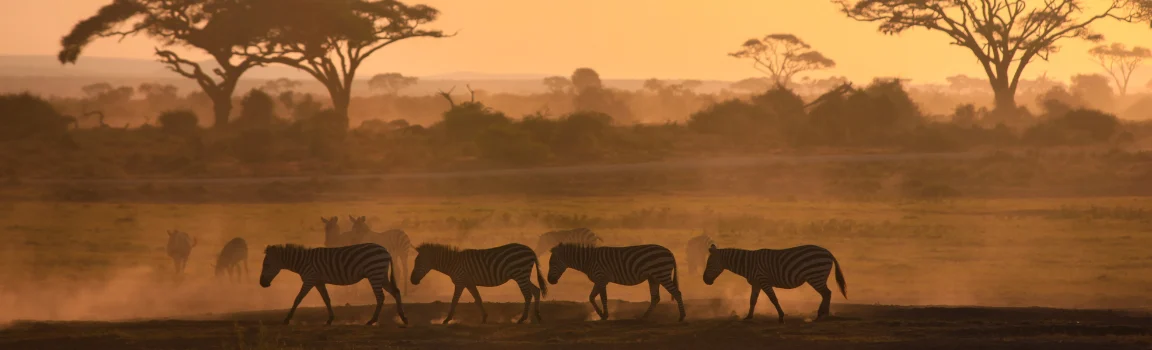
The Serengeti National Park is not simply a destination — it is a complete ecological spectacle. Recognised globally as one of the most biologically diverse regions on Earth, the Serengeti offers a combination of wildlife density, dramatic landscapes, and natural events that few places can rival. Its attractions range from large-scale phenomena like the Great Migration to micro-experiences such as observing predator behaviour from a kopje, drifting silently over the plains in a hot air balloon, or engaging with Maasai culture at the edge of the wilderness. To explore the broader destination context, visit our Tanzania destination.
Planning a Serengeti safari from India is most rewarding when you work with an experienced travel agency for Africa that understands which attractions align with which season and how to structure an itinerary around your specific wildlife goals. Before finalising your plans, reviewing a Tanzania cost guide for Indian travellers will help you budget accurately across lodge types and travel windows.
What Makes the Serengeti Globally Unmatched
The Serengeti's appeal is not built on a single attraction but on the interconnection of its systems — migration, climate, geography, and wildlife behaviour all working in synchrony. Every region of the park offers a distinct experience, and every season reveals a different dimension of the same landscape.
- Scale: Over 14,750 square kilometres of protected wilderness spanning northern Tanzania into Kenya
- Wildlife density: Among the highest concentrations of large mammals anywhere on Earth
- Year-round appeal: Each month brings a distinct phase of the migration cycle or a specific ecological highlight
- Experiential depth: From game drives and balloon safaris to walking tours and cultural encounters
1. The Great Migration: The Serengeti's Defining Attraction
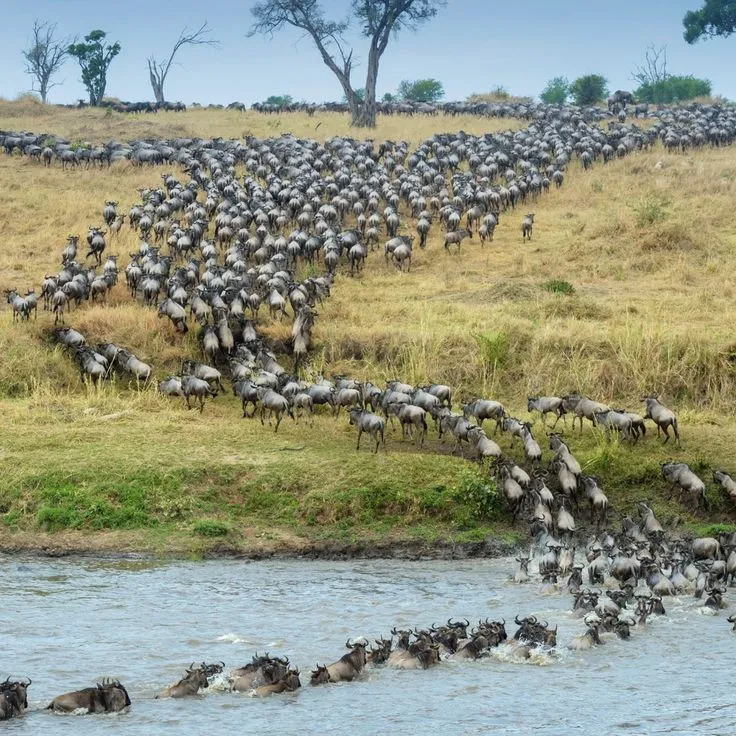
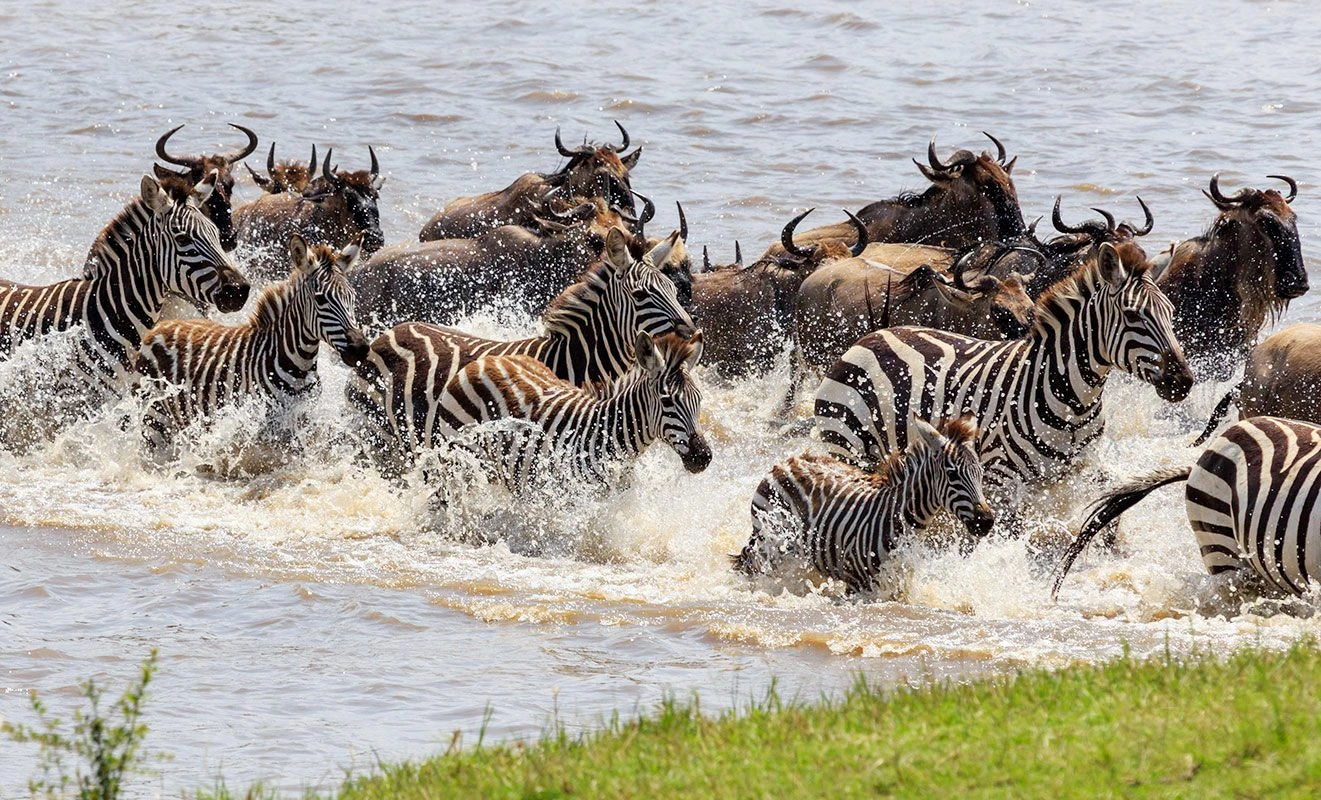
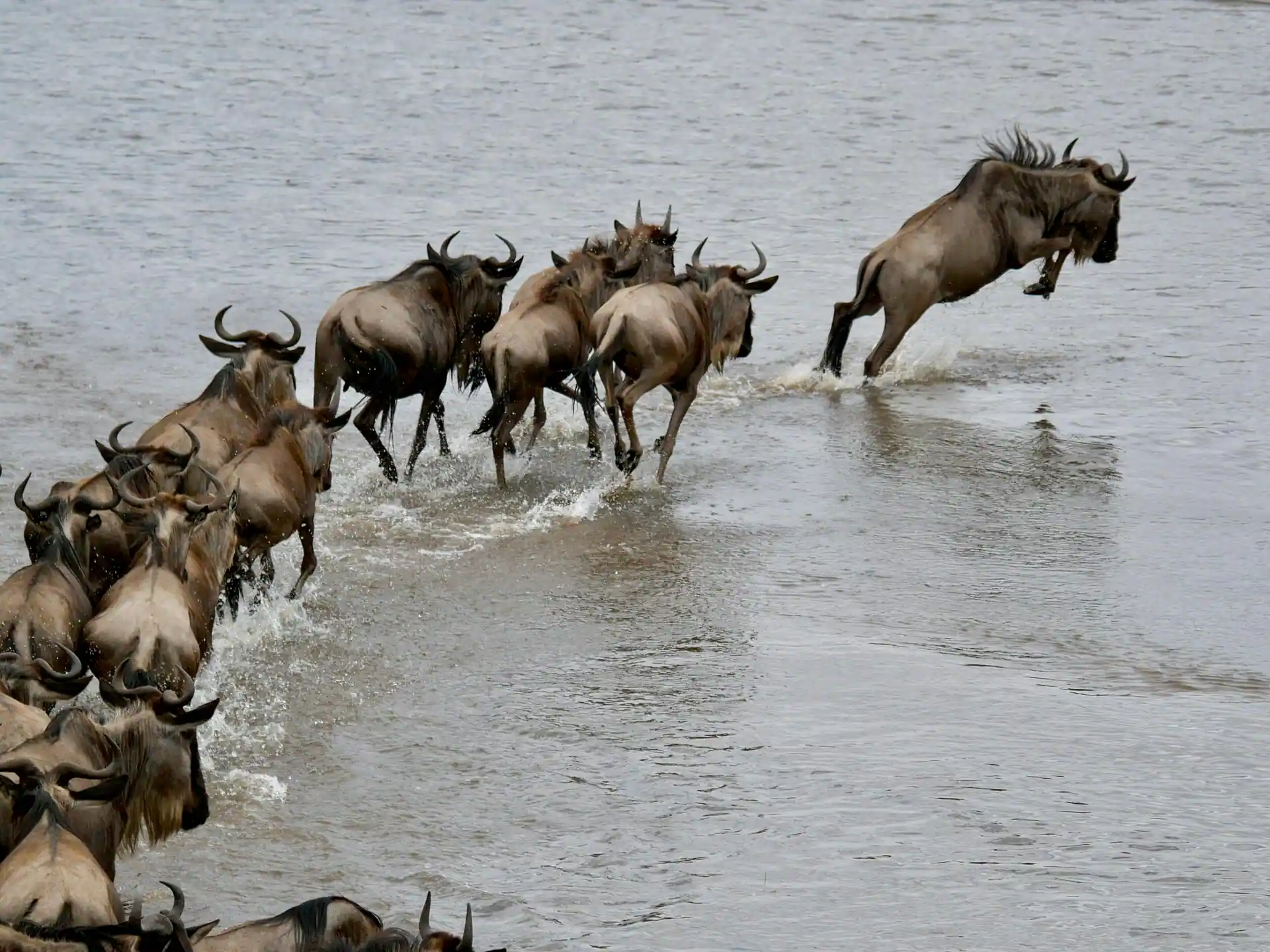
At the core of the Serengeti's appeal is the Great Migration — the largest terrestrial animal movement in the world. More than 1.5 million wildebeest, accompanied by hundreds of thousands of zebra and gazelle, move in a continuous circular circuit between Tanzania and Kenya, driven entirely by rainfall and grass availability. This is not a single annual event but a year-round cycle, making it one of the most dynamic natural spectacles on the planet.
The most dramatic moments occur at the river crossings, where herds plunge into crocodile-filled waters at the Grumeti and Mara rivers. Calving season in the southern Serengeti between January and February produces thousands of births daily, drawing intense predator activity from lions, cheetahs, and hyenas. For a detailed breakdown of when and where to position yourself, our Serengeti climate guide covers every phase of the migration cycle month by month.
2. Big Five Wildlife Viewing
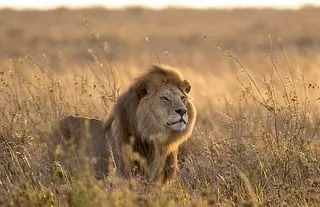
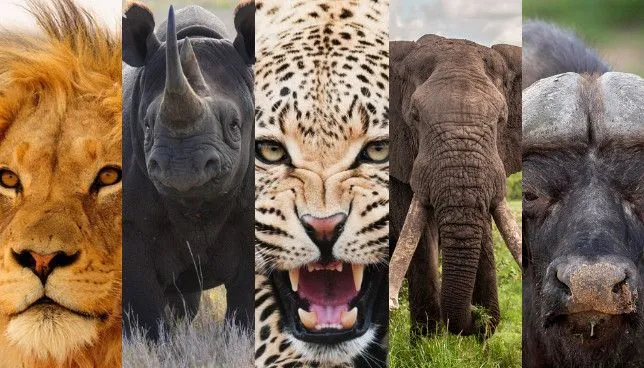
The Serengeti is one of the few places on Earth where you can reliably encounter all of the Big Five — lion, leopard, elephant, buffalo, and occasionally black rhinoceros. What sets the Serengeti apart from other Big Five destinations is the combination of open landscapes that maximise visibility and one of the highest predator densities found anywhere in Africa. The central Serengeti's Seronera region is particularly known for year-round predator activity, with resident lion prides and leopards regularly seen in the acacia trees along the Seronera River.
Elephant herds are a constant presence throughout the ecosystem, while large buffalo herds concentrate around permanent water sources during the dry season. Black rhino sightings within the Serengeti itself are rare, but the nearby Ngorongoro Crater — commonly combined with a Serengeti itinerary — offers one of the most reliable opportunities in East Africa to see this critically endangered species.
3. The Serengeti Plains: Endless Landscapes
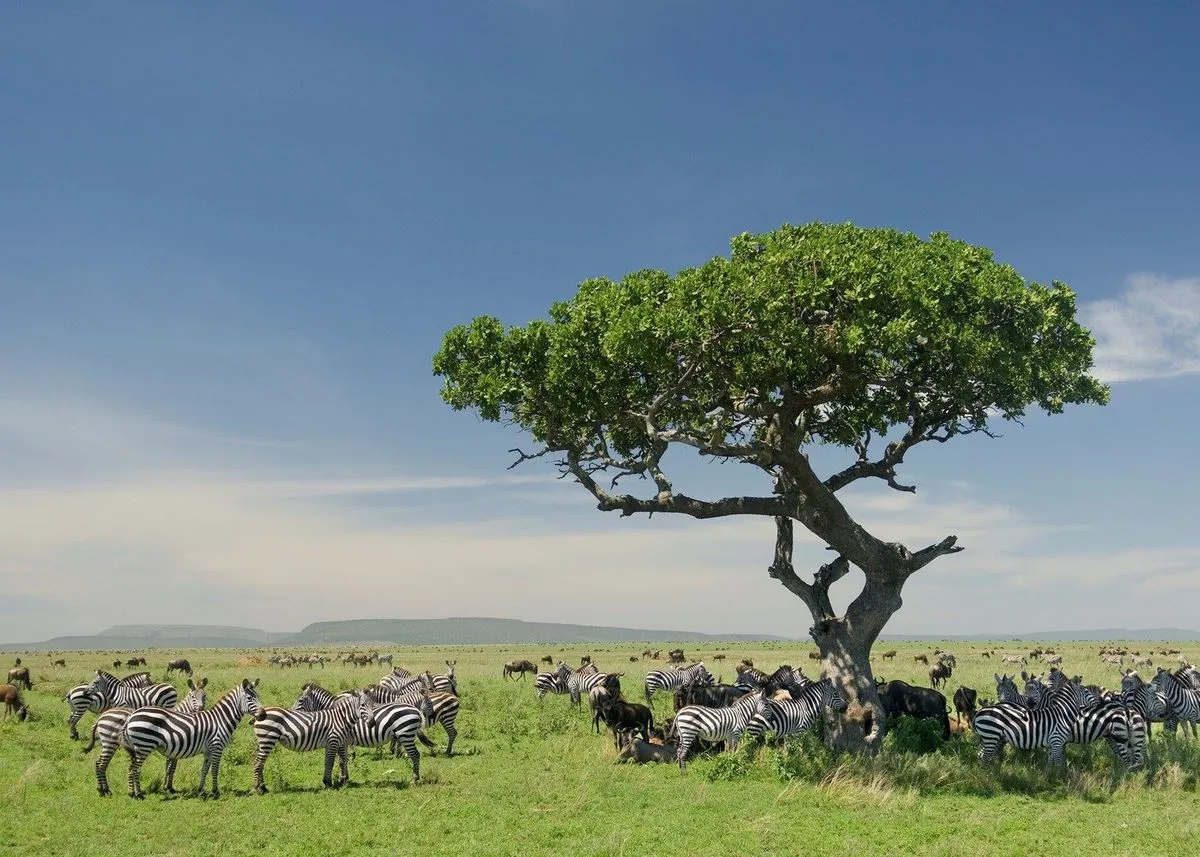
The name Serengeti derives from the Maasai word Siringet, meaning "endless plains" — and the landscape delivers precisely that. Vast open grasslands stretch to the horizon, punctuated by scattered acacia trees and ancient granite outcrops. The visual character of the plains shifts dramatically with the seasons: golden and sun-scorched during the dry months, and intensely lush and green through the wet season. These plains are not merely scenic — they are ecologically functional, supporting the grazing herbivores that sustain the entire predator ecosystem above them.
For photographers and travellers visiting for the first time, the sheer scale of the Serengeti landscape is often the most memorable aspect of the experience — the sense of space and wildness that is increasingly rare elsewhere in the world.
4. Kopjes: Ancient Granite Rock Formations
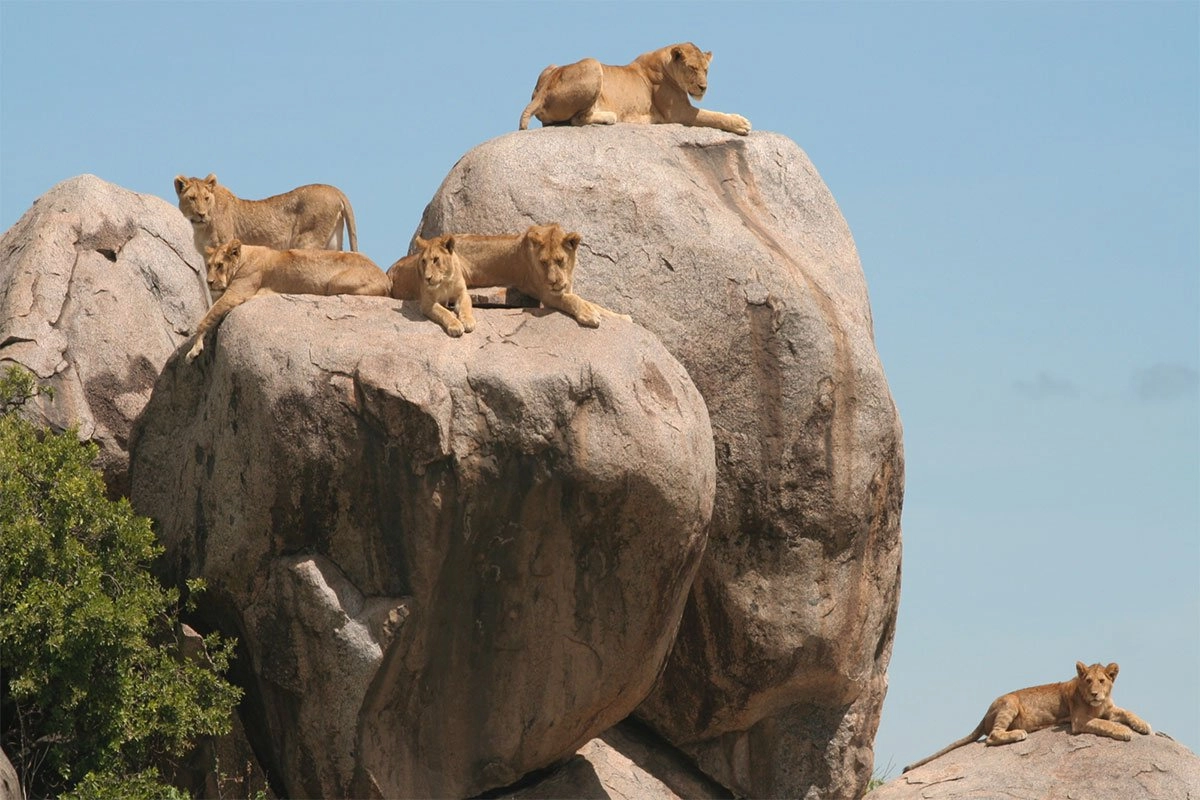
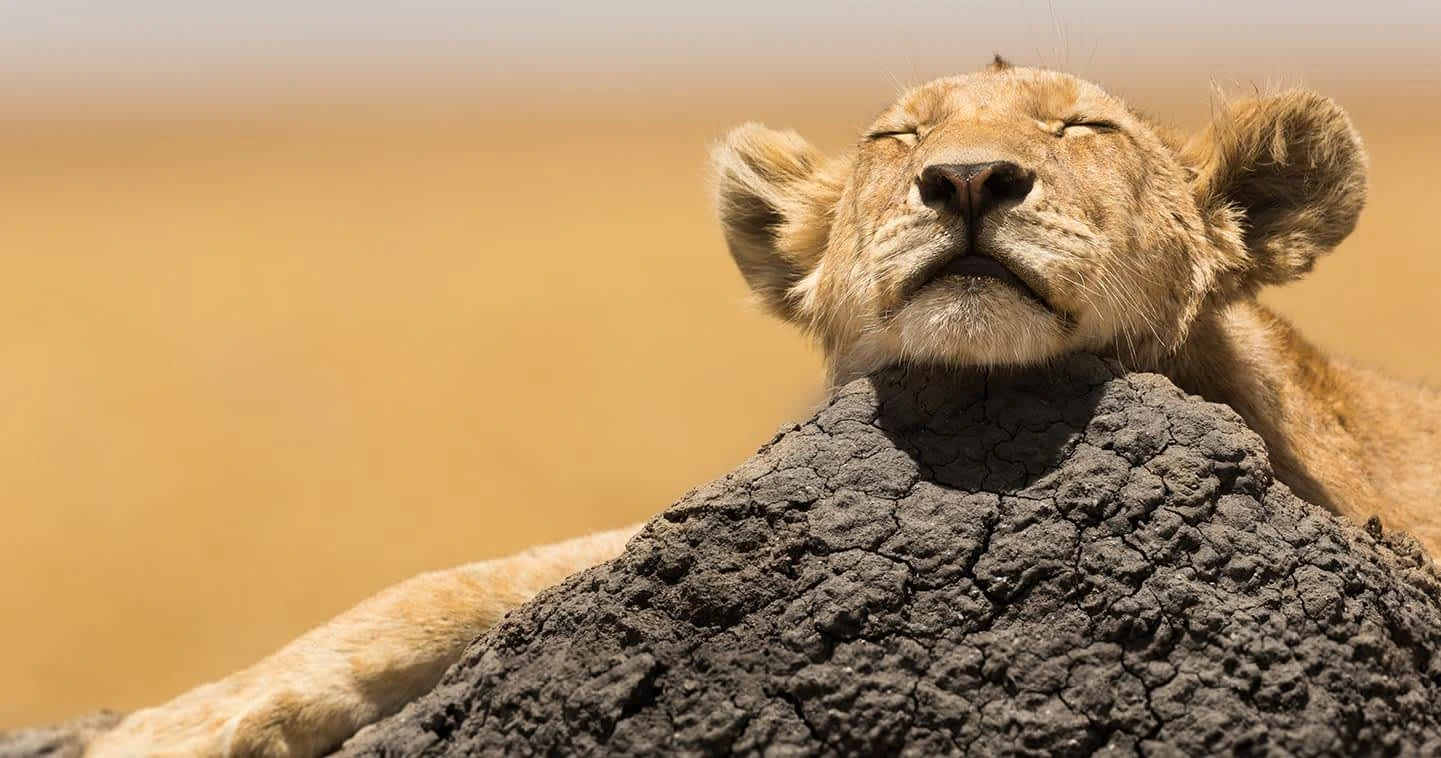
Scattered across the Serengeti plains are kopjes — ancient granite outcrops that rise dramatically from the flat grassland. These formations are among the most photographed features of the Serengeti, offering some of its most iconic imagery: lions resting on elevated rocks against an open sky. Ecologically, kopjes serve as vantage points for predators like lions and cheetahs, shelter for smaller animals including hyraxes and agamas, and microhabitats supporting unique vegetation that doesn't appear on the surrounding plains. The Moru Kopjes in the central Serengeti and the Simba Kopjes near Seronera are particularly well known for lion sightings.
5. Seronera Valley: The Year-Round Wildlife Hub
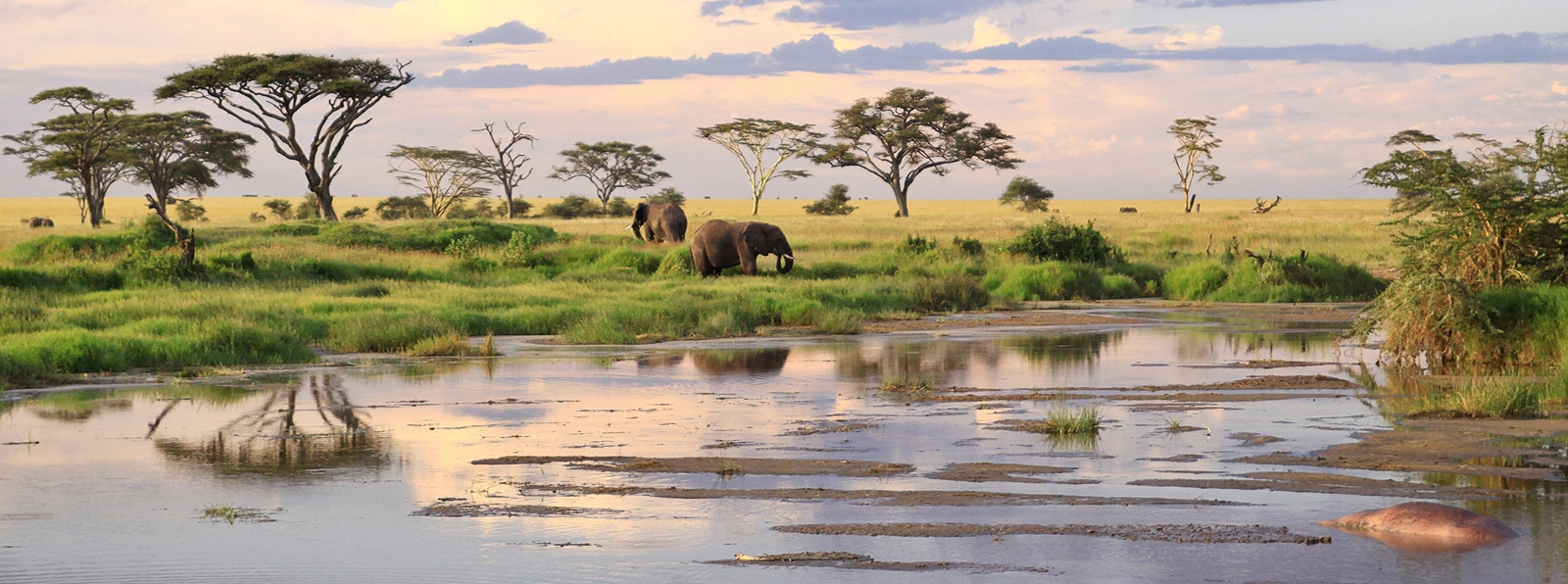
Located in the central Serengeti, the Seronera Valley is widely considered the park's wildlife epicentre and the single best area for year-round game viewing. Permanent water sources support a consistently high density of predators and prey regardless of season. Leopards are regularly spotted in the acacia trees along the Seronera River. Lion prides hunt on the open plains surrounding the valley. Hippos and Nile crocodiles occupy the river pools year-round. For travellers with limited time in the Serengeti, the Seronera region offers the highest probability of diverse and high-quality wildlife sightings in a single day. Travellers from southern India can explore itineraries centred on this area through Tanzania tour packages from Bangalore.
6. Grumeti River: Western Corridor Migration Drama
The Grumeti River in the western corridor is one of the Serengeti's two major migration crossing points, active primarily between June and July as the wildebeest herds move northward. The Grumeti is home to some of the largest Nile crocodiles in Africa, which lie in wait as the herds attempt to cross. Dense riverine vegetation lines the banks, creating a very different visual environment from the open plains. Compared to the northern Mara River crossings, Grumeti crossings attract fewer vehicles and visitors, often delivering an equally dramatic encounter with greater exclusivity. Travellers based in western India can find departures including this region through Tanzania tour packages from Mumbai.
7. Northern Serengeti: Remote Wilderness and Mara River Crossings
The northern Serengeti is the most remote and least visited section of the park, connecting directly to Kenya's Masai Mara National Reserve. Between August and October it becomes the stage for the Mara River crossings — widely regarded as the most dramatic wildlife spectacle on Earth, with thousands of wildebeest launching themselves into crocodile-filled waters in scenes of extraordinary intensity. Beyond the crossings, the northern Serengeti offers high-end luxury camps, very low vehicle density, and exceptional predator sightings throughout the dry season. Travellers from northern India regularly target this region through Tanzania tour packages from Delhi, booking 9–12 months in advance given how quickly the best camps fill.
8. Hot Air Balloon Safaris
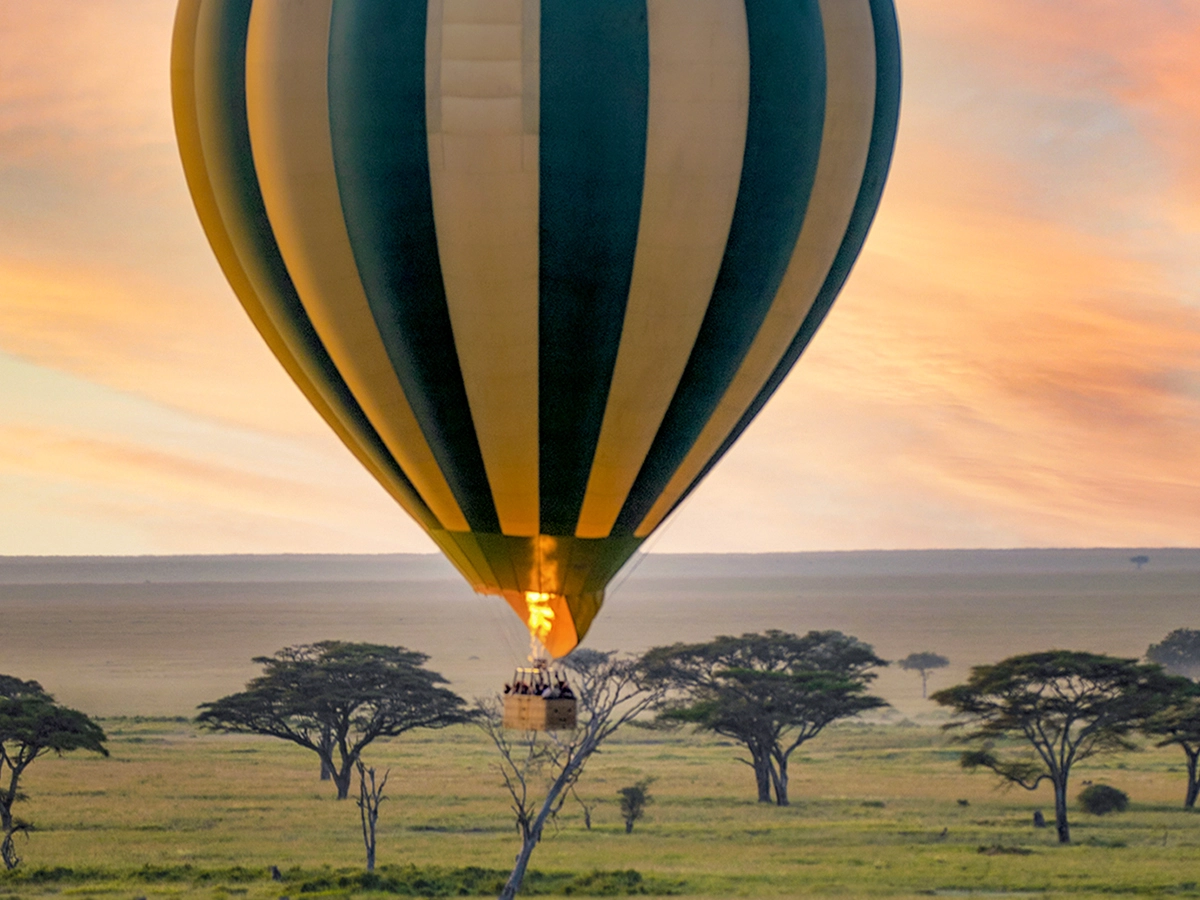
A hot air balloon safari over the Serengeti is one of Africa's most celebrated premium experiences. Launching at sunrise, balloons drift silently over the plains for approximately an hour, offering aerial perspectives of wildlife, landscape, and the scale of the ecosystem that are impossible to appreciate from ground level. The silence of the balloon means wildlife below is entirely undisturbed, often providing views of animal behaviour that vehicles cannot access. Flights are typically followed by a champagne breakfast in the bush. The experience is most commonly based in the central Serengeti around Seronera, and must be booked well in advance — particularly during peak season from July to October. For travellers from Hyderabad combining multiple Tanzania highlights, Tanzania tour packages from Hyderabad include balloon safari add-ons within their premium itineraries.
9. Cultural Encounters with the Maasai
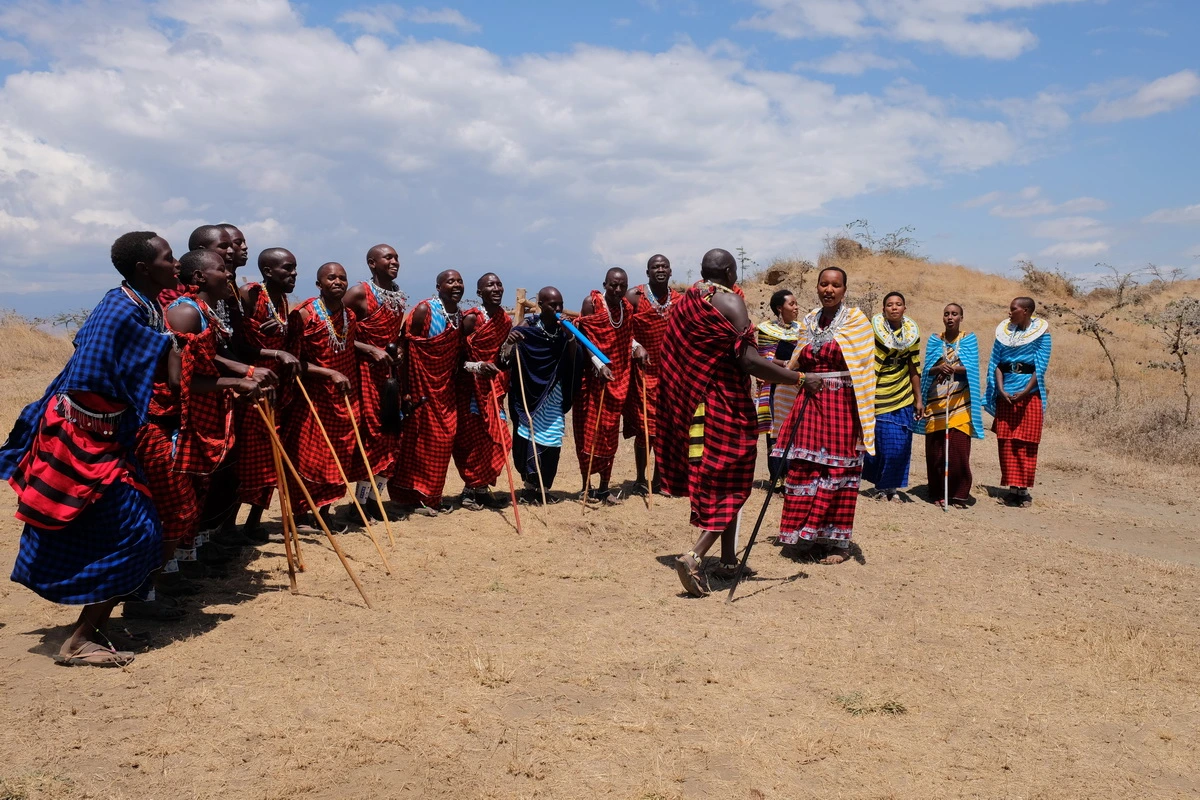
The Serengeti ecosystem is home to the Maasai people, one of Africa's most recognised indigenous communities, whose pastoral traditions have coexisted with the wildlife of this landscape for centuries. Cultural visits to Maasai bomas offer insights into traditional dances and ceremonies, the pastoral lifestyle built around cattle herding, and the Maasai relationship with the land and its wildlife. These experiences add important human context to the safari, connecting the conservation story of the Serengeti with the communities who have shaped and inhabited it. They are most meaningfully offered through lodges and operators who have genuine community partnerships rather than performative tourist setups.
10. Birdwatching
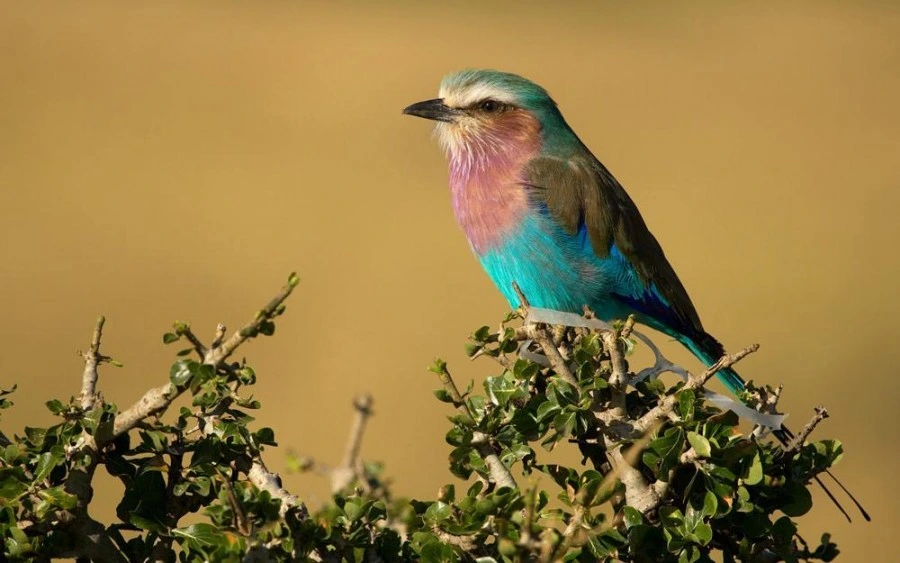
With over 500 recorded bird species, the Serengeti is a significant destination for birding in its own right. Notable species include the secretary bird, ostrich, lilac-breasted roller, kori bustard, and a wide range of raptors. Birdwatching peaks between November and April when migratory species from Europe and northern Africa arrive, wetland habitats expand with the rains, and breeding activity intensifies across resident species. The green season is widely considered the best window for Serengeti birding, making it an ideal choice for ornithology-focused travellers who prefer to avoid peak-season pricing and crowds. Our Serengeti climate guide provides a full breakdown of birdlife patterns by season.
11. Luxury Safari Lodges and Camps
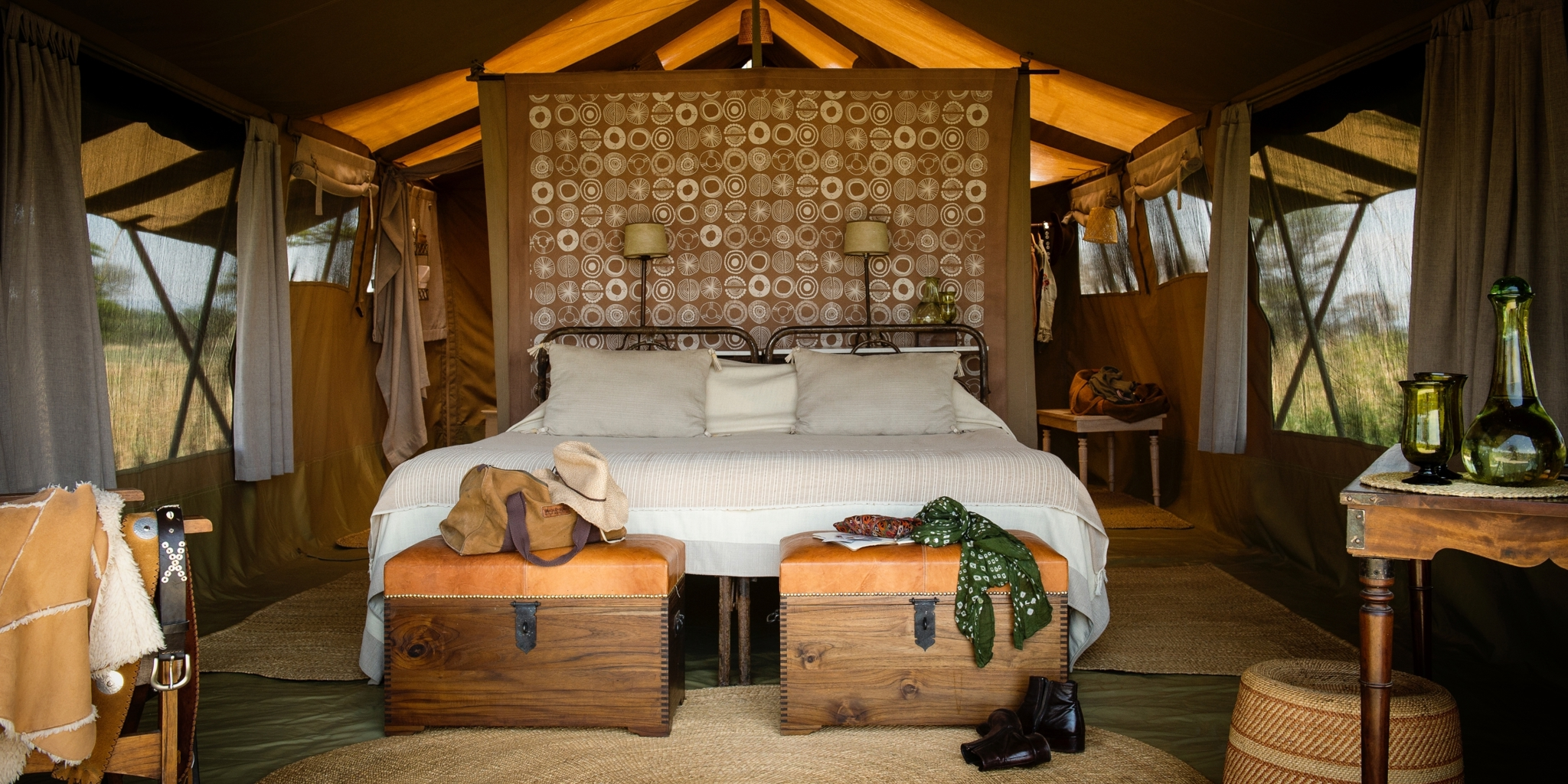
Accommodation in the Serengeti is itself one of the destination's defining attractions. The range spans mobile migration camps that reposition seasonally to follow the herds, permanent luxury lodges with infinity pools overlooking the plains, and mid-range tented camps that balance comfort with authenticity. The best properties offer open-air dining, wildlife sightings from tent or room, and personalised safari services with expert resident guides. The integration of refined comfort with genuine wilderness immersion is a hallmark of Serengeti hospitality at the top end of the market — and the reason advance booking is essential, particularly for peak season travel. For comprehensive information on park access, the Tanzania National Parks Authority (TANAPA) is the authoritative reference.
12. Sunrise and Sunset Game Drives
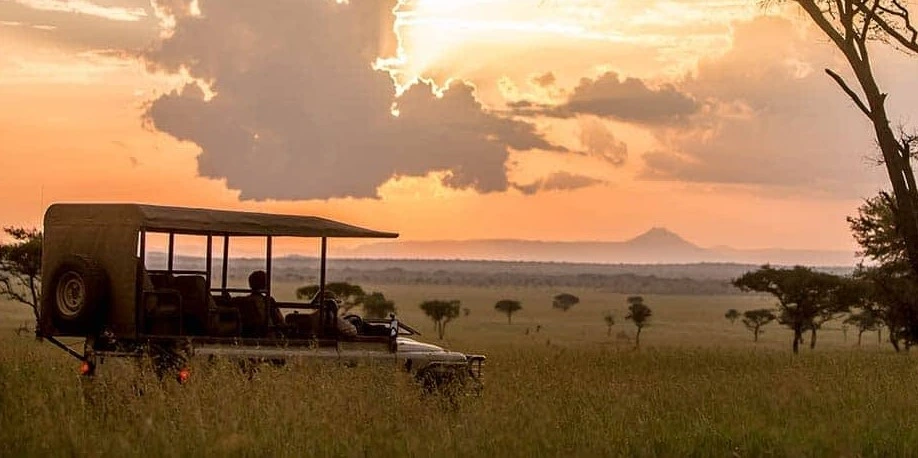
The quality of light and the intensity of wildlife activity at the edges of the day make sunrise and sunset game drives the most consistently rewarding periods on any Serengeti safari. Predators are most active in the cool hours after dawn and before dusk. The golden light of early morning and late afternoon transforms the landscape and creates ideal photography conditions. Temperatures are comfortable, and the atmosphere of the open plains at these hours — particularly the silence of early morning before the heat builds — is central to what makes the Serengeti experience memorable. Most quality lodges structure their full-day safari schedule around these two windows.
13. Conservation and Research
The Serengeti is one of the world's most intensively studied ecosystems, and several lodges and operators offer visitors meaningful engagement with the conservation work happening in the park. Focus areas include long-term wildlife monitoring programmes, anti-poaching initiatives, and climate impact studies examining how shifting rainfall patterns are affecting the migration cycle and vegetation cover. For travellers with an interest in the science behind conservation, these encounters add intellectual depth to what is already an extraordinary experiential destination. The Tanzania Tourist Board provides further context on responsible tourism and conservation across the northern circuit.
Planning Your Serengeti Visit
The Serengeti's attractions are not isolated points of interest — they are interconnected systems best experienced through a well-structured itinerary. A minimum of three to five nights is needed to explore more than one region of the park, and most experienced safari travellers recommend seven or more nights to do the Serengeti proper justice. Combining the Serengeti with Ngorongoro Crater, a Zanzibar beach extension, or other northern circuit parks significantly broadens the overall experience. For full journey logistics including flights, visas, and health requirements, our guide on how to reach Tanzania from India covers every step of the planning process. Alongside that, Tanzania travel tips for Indian travellers addresses currency, connectivity, cultural expectations, and practical preparation before you depart.
Frequently Asked Questions
The Great Migration is the Serengeti's defining attraction — the largest terrestrial animal movement on Earth, involving over 1.5 million wildebeest and hundreds of thousands of zebra moving in a continuous circuit through Tanzania and Kenya. It is a year-round cycle with distinct highlights at different times, from calving season in January and February to the Mara River crossings from July to October.
Yes. The Serengeti offers reliable sightings of lion, leopard, elephant, and buffalo throughout the year. Black rhinoceros sightings within the Serengeti itself are rare, but the nearby Ngorongoro Crater — commonly combined with a Serengeti itinerary — is one of East Africa's most reliable locations for black rhino encounters.
The central Serengeti's Seronera Valley is widely regarded as the year-round wildlife hub, offering the highest density of predators and consistent game viewing regardless of season. For the Great Migration, the northern Serengeti is essential from July to October, while the southern Serengeti and Ndutu area are the focus from January to March during calving season.
Yes, for most travellers a hot air balloon safari is one of the most memorable experiences the Serengeti offers. The aerial perspective, the silence of the balloon, the quality of the wildlife encounters below, and the champagne breakfast that follows make it a premium experience that complements rather than replaces ground-level game drives. Booking well in advance is essential, particularly during peak season.
Kopjes are ancient granite outcrops that rise from the flat Serengeti plains. They serve as vantage points and resting spots for predators — particularly lions and cheetahs — and create microhabitats supporting unique vegetation and smaller wildlife. They are among the most photographed landscape features in the Serengeti and are closely associated with iconic lion imagery.
Yes. The Serengeti hosts over 500 bird species, making it a significant birding destination. The wet season between November and April is the peak period, when migratory species from Europe and northern Africa are present, wetland habitats expand, and breeding activity peaks among resident species. Notable species include the secretary bird, lilac-breasted roller, kori bustard, and a wide range of raptors.
A minimum of three to five nights is needed to experience more than one region of the Serengeti meaningfully. Most experienced safari travellers recommend seven or more nights to explore the central, northern, and southern sections properly — particularly if the Great Migration is a priority. Combining the Serengeti with Ngorongoro Crater typically requires an additional two nights minimum.
Yes. The Serengeti ecosystem is home to the Maasai people, and many lodges and operators offer visits to Maasai bomas for cultural engagement including traditional dances, insights into pastoral life, and an understanding of the Maasai relationship with the land and wildlife. These experiences are most meaningful when offered through operators with genuine community partnerships.
Yes — the Serengeti is arguably the world's best destination for a first safari, combining high wildlife density, well-developed safari infrastructure, a wide range of accommodation options, and the unmatched spectacle of the Great Migration. The dry season from June to October is the recommended window for first-time visitors due to optimal wildlife visibility and reliable weather conditions.
For peak season travel from July to October — particularly for the northern Serengeti and Mara River crossings — booking 9 to 12 months ahead is strongly recommended. The best camps fill extremely early during this period. For green season or shoulder month travel, 3 to 6 months is generally sufficient, though earlier booking always provides better lodge selection and pricing.