
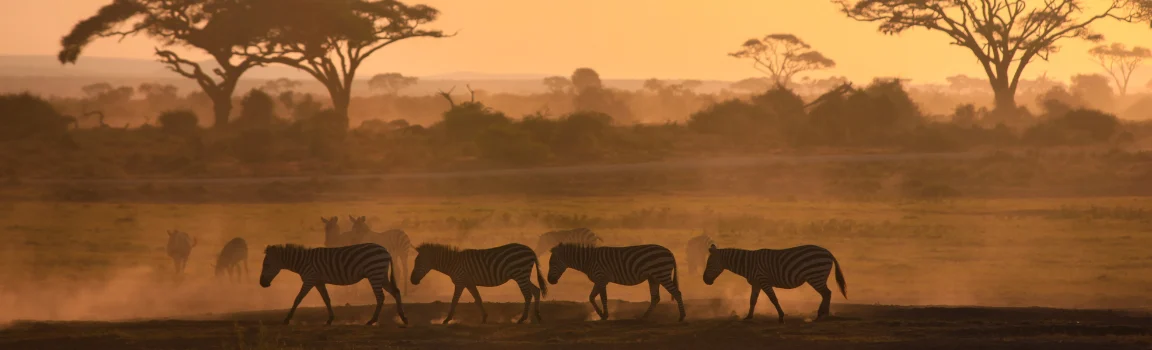
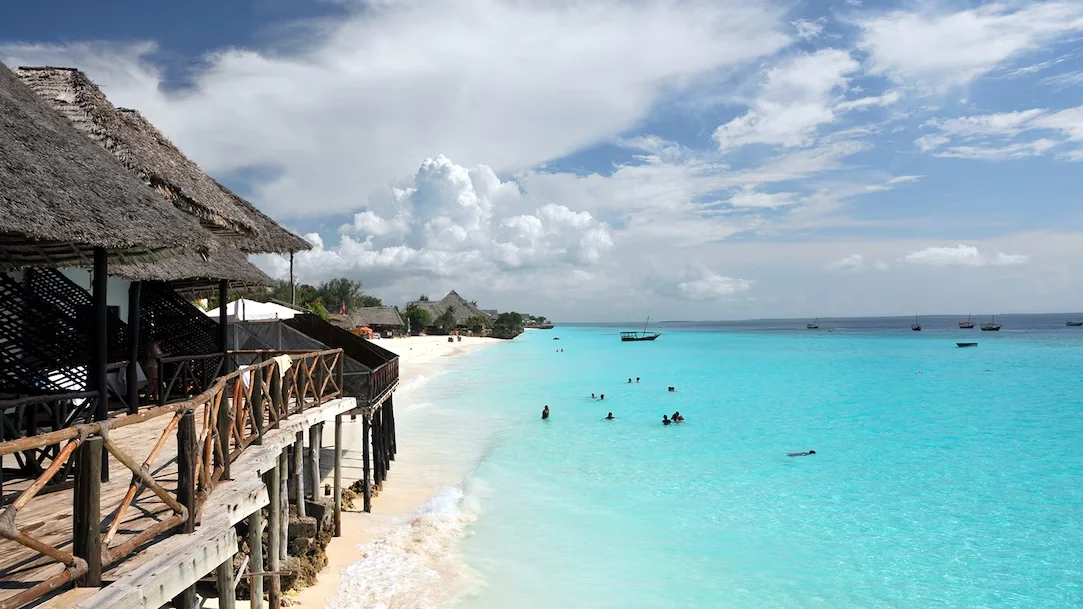
A 5-night Tanzania safari from India typically costs ₹2.4–4.1 lakh per person at mid range lodges and ₹4.8–9.6 lakh at luxury camps, before international flights. Return economy flights add roughly ₹35,000–1,00,000, and every adult pays a fixed $94 (about ₹9,000) for the visa and mandatory insurance. The rest of this guide shows where those numbers come from and how to bring them down.
How these prices are worked out: per person, two adults sharing a room, a 5-night road safari on the Northern Circuit (Tarangire, Serengeti, Ngorongoro), including accommodation, meals, a 4×4 vehicle with guide and park fees. Excludes international flights, visa, insurance and tips. (Federal Reserve data). These are planning ranges, not quotations.
If you are new to East Africa, start with the geography, safari regions and beach options on our Tanzania destination page. Airport choice affects cost too, so it helps to read how to reach Tanzania from India and the best time to visit Tanzania for safari alongside this guide.
Tanzania Safari Cost per Person: Price Ranges at a Glance
5-night safari, per person, two sharing (excluding international flights):
- Comfort / mid range (USD 500–850 per night all-in): ₹2.4–4.1 lakh
- Luxury (USD 1,000–2,000 per night): ₹4.8–9.6 lakh
- Ultra-luxury or private (USD 2,000+ per night): ₹9.6 lakh and up
International flights (India ↔ Tanzania): roughly ₹35,000–1,00,000 return in economy, depending on departure city, airline and season.
Fixed entry costs: $50 visa plus $44 mandatory insurance per adult, about ₹9,000 in total.
Budget camping safaris exist from about USD 200–300 per night, but they use basic tents and shared facilities. A Zanzibar beach extension is priced separately in our Zanzibar trip cost from India guide.

What Drives the Cost of a Tanzania Safari in 2027?
1) Season
- Jun–Oct and late Dec–early Jan: dry season and holidays, highest demand and peak rates
- Jan–Mar: wildebeest calving in the southern Serengeti (peaking in February), often better value than the dry season
- Apr–May: long rains, the lowest rates, and some camps close
- Nov: short rains and good shoulder-season value
2) Duration
Tanzania itineraries often involve longer travel distances than Masai Mara trips, which means trip duration has a direct impact on overall value. A longer itinerary generally spreads logistics costs more efficiently.
3) Safari Region
Serengeti, Ngorongoro, Tarangire, Manyara, Ruaha, and Nyerere do not cost the same. The more remote or iconic the region, the more likely the overall trip cost will rise.
4) Lodge or Camp Choice
Tanzania pricing is influenced heavily by lodge positioning, remoteness, level of exclusivity, and whether the stay is inside a prime wildlife zone or near a transit base.
5) Shared vs Private Safari Vehicle
- Shared arrangements may reduce costs where available
- Private vehicle and guide setups add significantly more flexibility and privacy
6) Domestic Flights
Internal flights can raise the budget meaningfully. A scheduled bush flight from the Serengeti to Zanzibar, for example, costs about USD 350–600 per person one way, and light aircraft usually limit you to around 15 kg in soft bags.
7) Zanzibar Extension
- Beach extensions improve overall trip appeal
- They also add flights, resort costs, transfers, and extra nights
Tanzania Park Fees: The Costs You Cannot Negotiate
Government fees make up a large share of every Tanzania safari, and they are the same whether you stay in a tent or a five-star lodge. Indicative non-resident rates per adult, including VAT:
| Fee | Rate (USD) | Charged per |
|---|---|---|
| Serengeti National Park entry | 70.80 (low season) – 82.60 (high season) | Adult, per 24 hours |
| Serengeti concession fee (sleeping inside the park) | About 59–71 | Adult, per night |
| Tarangire or Lake Manyara entry | About 59 | Adult, per 24 hours |
| Ngorongoro Conservation Area entry | 70.80 | Adult, per 24 hours |
| Ngorongoro Crater service fee | 295 | Vehicle, per descent |
Children pay far less, and under-5s enter national parks free. Fees are set by the Tanzania National Parks Authority (TANAPA) and, for Ngorongoro, the Ngorongoro Conservation Area Authority, and can change each July. Over a 5-night Northern Circuit safari, fees alone typically come to USD 600–900 per adult, which is why a cheap quote that “excludes park fees” is rarely a bargain.
Safari Types That Influence Tanzania Cost from India
Safari pricing is influenced not just by where you stay, but how you move between parks and how much ground your itinerary covers. In Tanzania, the two primary safari structures are fly-in safaris and road-based safaris.
Fly-In Tanzania Safaris: Premium, Efficient, and Time-Saving
Fly-in safaris are a real and widely used safari format in Tanzania, particularly for premium Serengeti itineraries and multi-destination journeys. Instead of spending long hours driving across the northern circuit, travelers fly directly into relevant safari zones or airstrips.
How a Fly-In Tanzania Safari Works
- India → Tanzania international airport (often JRO / DAR / ZNZ depending on plan)
- Domestic flight → safari airstrip or regional access point
- Airstrip pickup → Lodge or camp
- Game drives in 4×4 safari vehicles
The safari quality remains premium, but the travel style is faster and significantly more comfortable for those with shorter time windows.

Common Fly-In Tanzania Itinerary Structures
- 4–5 Days: Short, high-impact Serengeti luxury safari
- 6–7 Days: Better-paced safari with more wildlife time
- 8–10 Days: Premium safari + Zanzibar combination
Why Fly-In Tanzania Safaris Cost More
- Internal aviation costs
- Access to remote and high-value wildlife areas
- Usually paired with better-located camps and premium logistics
- Often chosen by honeymooners, photographers, and luxury travelers
Road Safaris in Tanzania: Better Value, Deeper Overland Experience
Road safaris are often the most practical way to control Tanzania costs, especially for the northern circuit. Travelers typically start from Arusha or nearby regions and continue by road through parks such as Tarangire, Ngorongoro, and sometimes onward routing depending on itinerary design.
Road Safari Format
- International arrival → Arusha / Kilimanjaro area
- Overland transfer by safari vehicle
- Multi-park routing based on itinerary length
- Lodge / camp stays between game drives
Why Road Safaris Cost Less
- No internal flight charges
- Better suited for gradual park-to-park itineraries
- More flexible for value-oriented safari planning
The tradeoff is time. Tanzania is large, so road itineraries require stronger planning discipline to avoid excessive transit and fatigue.

Typical Tanzania Cost Structures by Travel Style
Comfort / Value Tanzania Safari
- Good standard lodges or camps
- Road-based or moderately efficient logistics
- Strong value for first-time safari travelers
- Often ideal for couples and practical premium travelers
Luxury Tanzania Safari
- Premium camps and better-located properties
- Higher service levels and better guiding
- More efficient routing and smoother transfers
- Suitable for special-occasion and high-comfort itineraries
Ultra-Luxury Tanzania Safari
- Private or highly exclusive camps
- Fly-in logistics and top-tier guiding
- Lower guest density and stronger privacy
- Often combined with premium Zanzibar resorts
International Flights: India → Tanzania (2027)
Economy return fares generally range from about ₹35,000 in low season to ₹1,00,000 at peak times, depending on departure city, routing and airline. There are no non-stop flights from India to Kilimanjaro, the gateway for the Northern Circuit. Ethiopian Airlines via Addis Ababa and Kenya Airways via Nairobi are usually the best value, with Gulf carriers as alternatives. From Mumbai, Air Tanzania has flown non-stop to Dar es Salaam every day since June 2026 (The Citizen), handy if your trip starts or ends on the coast or in Zanzibar. To see what is included from your city, explore Tanzania tour packages from Delhi, Tanzania tour packages from Mumbai, Tanzania tour packages from Bangalore, Tanzania tour packages from Hyderabad, or Tanzania tour packages from Kolkata.
Visa, Mandatory Insurance and Health Costs for Indians
- Tanzania visa: USD 50 for a single-entry ordinary visa, valid for both the mainland and Zanzibar. Apply on the official portal, visa.immigration.go.tz, at least three to four weeks ahead, as processing can take up to 10 working days.
- Mandatory inbound insurance: since 1 October 2026, visitors entering mainland Tanzania need a USD 44 policy from the National Insurance Corporation (USD 22 for children aged 3–17), bought at inbound.nicinsurance.co.tz. Zanzibar has required its own USD 44 policy since 2024. You need only one, based on where you first enter Tanzania.
- Yellow fever: Tanzania is not on India’s yellow fever list, but Kenya and Ethiopia are (Ministry of Health, India). If you add Kenya or leave the airport on a Nairobi or Addis layover, get the vaccine (about ₹300 at government centres) at least 10 days before travel.
- Comprehensive travel insurance: the mandatory policy covers emergencies only; budget about ₹3,000–6,000 per person for a full policy with medical evacuation.
Because visa rules and arrival airport logic affect trip budgeting, the safest planning sequence is to first map your airport and routing strategy using our How to Reach Tanzania from India guide.
What Else Should Indian Travelers Budget For?
- Tips: commonly USD 10–15 per guest per day for your safari guide and USD 5–10 per guest per day for camp staff
- Domestic transfers and internal flights not included in the package
- Private vehicle supplements if you don’t want to share
- Zanzibar extension costs, flights and hotel tax
- Indian taxes on packages: TCS is a flat 2% on overseas tour packages from 1 April 2026, adjustable against your income tax, and GST is typically 5%
- Incidentals: drinks, laundry, souvenirs and SIM data
Optional Experiences That Can Increase Tanzania Cost
- Hot air balloon safaris where available
- Private guided game drives
- Premium photographic safaris
- Exclusive conservancy or private access experiences
- Zanzibar luxury beach stay upgrades
- Private transfers and VIP airport handling
Cost Comparison: Tanzania vs Other African Safaris
| Destination | Relative Cost | Wildlife Density | Crowds | Best For |
|---|---|---|---|---|
| Tanzania (Northern Circuit) | ₹₹₹ | Very High | Medium; busy at Ngorongoro Crater and river crossings | Vast landscapes, deeper safari variety |
| Masai Mara (Kenya) | ₹₹ | Very High | Medium; high in migration season | First-timers, concentrated wildlife |
| Kruger (South Africa) | ₹–₹₹₹ | High | Low–Medium | Self-drive or lodge combinations |
| Okavango Delta (Botswana) | ₹₹₹₹ | High | Very Low | Ultra-luxury exclusivity |
Relative cost compares like-for-like lodge standards for a short safari from India. Kruger ranges widely because self-drive with rest camps is far cheaper than a private game reserve lodge.
Is Tanzania More Expensive Than Masai Mara?
Usually, yes, though not because of park fees alone. The Masai Mara reserve now charges non-resident adults USD 200 a day from July to December (USD 100 from January to June), more than the Serengeti’s daily entry. Tanzania costs more overall because its parks are far apart, itineraries cover several of them, Serengeti camps add a nightly concession fee, and the Ngorongoro Crater descent costs USD 295 per vehicle. In return you get bigger landscapes, more variety and an easy beach finish in Zanzibar.
When Does Tanzania Offer the Best Value?
- When you avoid peak dry-season rush and plan shoulder periods smartly
- When you build a longer itinerary that spreads fixed costs better
- When you choose road logistics where they make sense
- When you avoid unnecessary airport or routing mistakes
- When safari and Zanzibar are sequenced efficiently
Tips to Reduce Tanzania Safari Costs in 2027
- Travel during shoulder or lower-demand periods
- Choose a realistic itinerary instead of forcing too many regions into one trip
- Use road logistics where they offer real value
- Reserve internal flights only where they save meaningful time
- Understand lodge positioning, not just room category
- Be selective with premium add-ons
- Choose the right entry airport from the start
Budgeting Mistakes Indian Travelers Commonly Make for Tanzania
- Comparing only hotel rates without counting logistics
- Choosing the wrong airport for the itinerary
- Ignoring internal flight baggage and transfer implications
- Assuming Tanzania and Masai Mara have identical cost structures
- Under-budgeting for Zanzibar extensions
- Trying to do luxury routing on a comfort-level budget
Should You Choose Tanzania or Masai Mara from a Cost Perspective?
If your priority is the strongest cost-to-wildlife ratio with relatively easier safari logic, Masai Mara often wins for first-time Indian travelers. If your priority is a more varied Tanzania circuit, deeper landscape diversity, and the option to pair safari with Zanzibar in one premium journey, Tanzania can justify the extra spend.
If Kenya suits your budget better, our Masai Mara tours depart from Delhi, Mumbai, Bangalore, Hyderabad and Kolkata, and a Masai Mara group tour from India keeps costs down further for larger parties. For a side-by-side look at wildlife and experience, read Masai Mara or Tanzania: Which Is Better?
Final Thoughts: How to Plan the Right Tanzania Trip Without Overpaying
What you pay for a Tanzania safari depends more on planning than on headline package prices. Fixed costs such as park fees, the visa and insurance are the same for everyone; season, lodge standard, the number of parks and how you travel between them decide the rest.
Turning these numbers into a realistic quote is easier with the experience of a trusted travel agency for Africa.
The smartest way to budget accurately is to first understand route logic, then destination context, and only then evaluate safari pricing. For practical on-ground advice covering packing, health prep, currency, and what to expect as an Indian traveler, the Tanzania travel tips for Indian travelers guide is a useful final read before you book.
Tanzania Safari Cost from India – FAQs
For a 5-night Northern Circuit safari, expect about ₹2.4–4.1 lakh per person at mid range lodges, ₹4.8–9.6 lakh at luxury camps and ₹9.6 lakh or more for ultra-luxury or private trips, with two sharing and park fees included. Add roughly ₹35,000–1,00,000 for return economy flights and about ₹9,000 for the visa and mandatory insurance.
Usually, yes. The Masai Mara’s daily park fee is now higher than the Serengeti’s from July to December, but Tanzania itineraries cover more ground, Serengeti camps add a nightly concession fee and the Ngorongoro Crater costs USD 295 per vehicle per descent.
Serengeti entry is USD 70.80–82.60 per adult per 24 hours, plus a concession fee of about USD 59–71 per night if you sleep inside the park. Ngorongoro is USD 70.80 per adult per 24 hours, plus USD 295 per vehicle for each crater descent. Rates include VAT and can change each July.
USD 50 for a single-entry ordinary visa, applied for at visa.immigration.go.tz. Each adult also needs one USD 44 mandatory insurance policy, so entry costs about USD 94, or roughly ₹9,000.
Yes. Bush flights cost hundreds of dollars per person per leg, and fly-in itineraries usually use premium camps. They save long driving days, which matters most on shorter trips.
Yes. A Serengeti-to-Zanzibar flight costs about USD 350–600 per person one way, plus hotels, the hotel tax and transfers. A mid range week in Zanzibar adds roughly ₹1.2–2.2 lakh per person excluding international flights.
A shorter road-based Northern Circuit safari in November or April–May, with mid range lodges, shared vehicle where available and no internal flights. Camping safaris cost less but are basic.
April and May, during the long rains, have the lowest rates, though some camps close. November and early June are good-value shoulder months with better weather.
Travel in shoulder season, limit the number of parks, drive between nearby parks and fly only where it saves a full day, and stay longer in fewer places to spread fixed costs.