
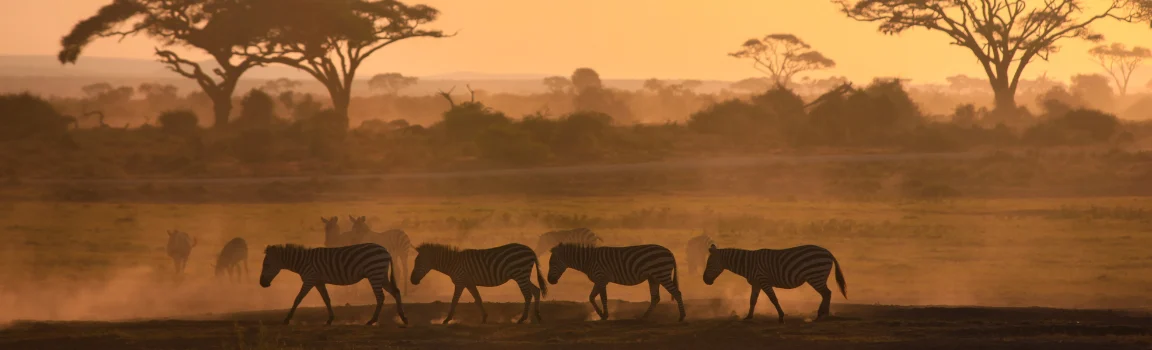
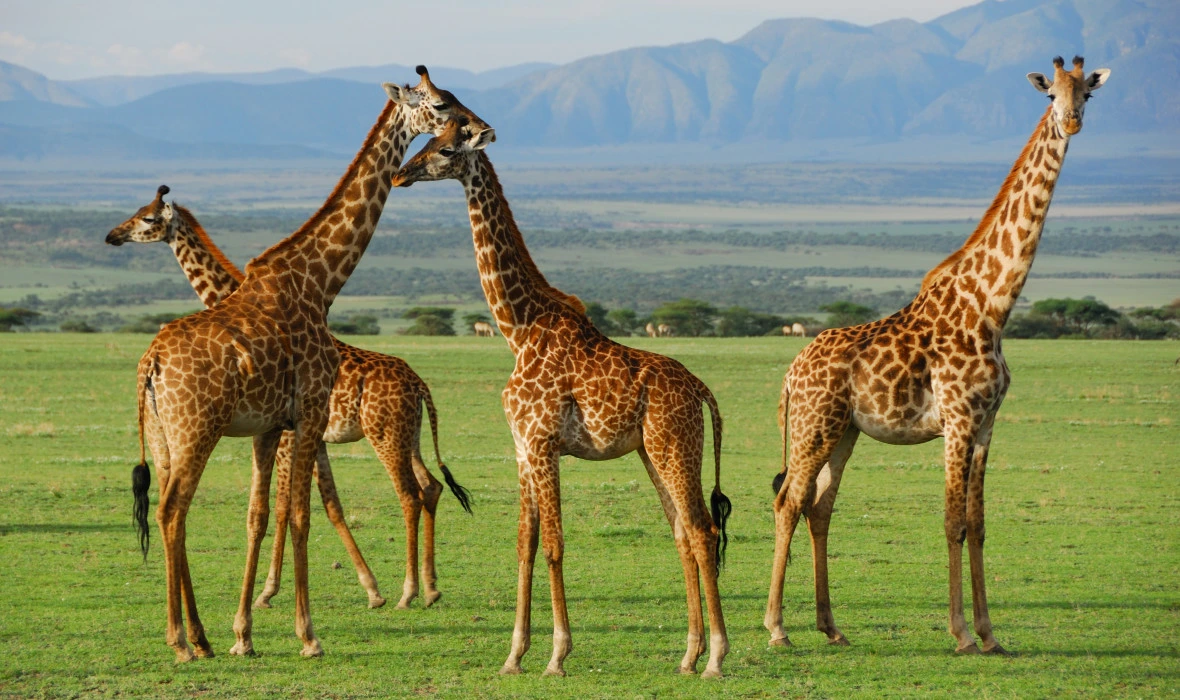
Choosing the best time to visit the Serengeti National Park is not a one-size-fits-all decision. Unlike many destinations where "peak season" dominates, the Serengeti operates on ecological cycles driven by rainfall, vegetation growth, and animal movement. At the centre of this timing is the Great Migration — a continuous, year-round movement of wildlife that shifts across regions depending on season. This means the "best time" depends on what you want to experience: river crossings, calving season, predator action, green landscapes, or fewer crowds. For full destination context, visit our Tanzania destination guide.
Planning a Serengeti safari from India is most rewarding when you work with an experienced travel agency for Africa that understands which seasonal windows align with your specific wildlife goals. Before finalising your plans, reviewing a Tanzania cost guide for Indian travellers will help you budget accurately across lodge types and travel windows.
Understanding Serengeti Seasons
Before selecting specific months, it is critical to understand the Serengeti's seasonal structure. The park operates on two core seasons — a dry season running from June to October, and a wet season from November to May. The wet season is further divided into three distinct phases, each with its own character and wildlife dynamics.
- Dry Season (June–October): Best wildlife visibility, easiest road access, and peak migration drama in the north
- Short Rains (November–December): Green landscapes begin, migration returns southward, lower crowds
- Green Season (January–March): Calving season in the south, lush scenery, intense predator activity
- Long Rains (April–May): Heaviest rainfall, lowest prices, most dramatic skies and scenery
Each phase offers distinct advantages and trade-offs. Choosing between them is a matter of aligning the Serengeti's natural rhythm with your travel intent. For a deeper breakdown of rainfall patterns, temperature shifts, and how climate directly impacts wildlife movement, refer to our Serengeti climate guide.
January to March: Calving Season
During these months, the Great Migration settles in the southern Serengeti plains, where nutrient-rich grass supports mass birthing. Over 500,000 wildebeest calves are born within a matter of weeks, triggering intense predator-prey interactions across the open plains. Lions, cheetahs, and hyenas converge on the calving grounds, producing some of the most dramatic wildlife encounters the Serengeti offers at any time of year.
Weather is warm (26–30°C) with occasional showers, and the landscape is a vivid green. This period is arguably the most underrated peak season — while river crossings attract more marketing attention, calving season delivers more consistent wildlife density and dramatic predator action. It is particularly well suited to wildlife photographers, predator enthusiasts, and first-time safari travellers. Our Serengeti attractions guide covers the calving season experience in full detail.
April to May: Long Rain Season
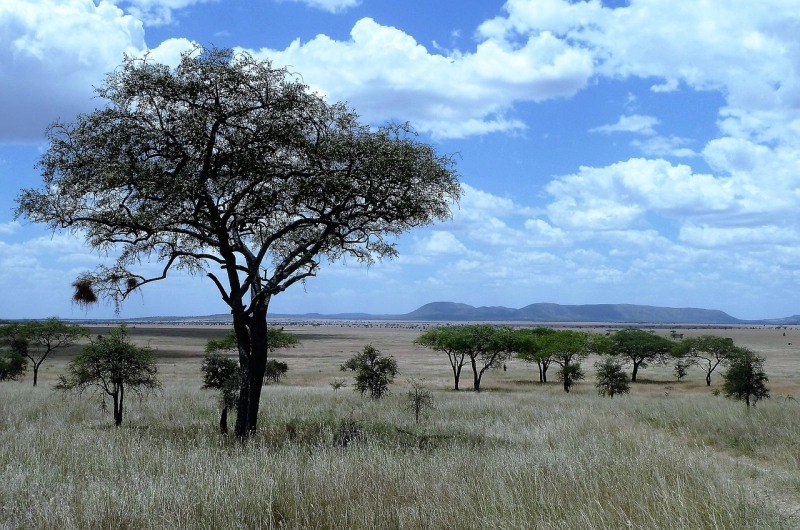
The long rains transform the Serengeti into a vibrant green ecosystem. Wildlife disperses widely due to abundant water availability across the plains, making individual animal sightings more spread out but the landscape itself visually extraordinary. This is the park's lowest-crowd period, accompanied by the lowest accommodation rates of the year — making it highly efficient from a cost-to-experience ratio, especially for luxury lodges offering significant discounts.
Heavy rainfall and occasional travel disruptions are real considerations, but for budget travellers, landscape photographers, and repeat safari visitors already familiar with peak season, this window offers compelling value. The dramatic skies and lush conditions create powerful photographic opportunities that are simply unavailable during the dry months. Travellers from Mumbai exploring value windows can find relevant packages through Tanzania tour packages from Mumbai.
June to July: Start of Dry Season
As the rains subside, animals begin moving toward the central and western Serengeti. Vegetation thins, making wildlife easier to spot, and the migration begins its northward journey. Temperatures are mild (24–28°C) with low humidity and clear skies — among the most comfortable conditions of the year for game driving.
This is one of the most balanced periods the Serengeti offers: good weather, good wildlife across multiple regions, migration movement visible in the western corridor, and fewer vehicles than peak months. The Grumeti River in the western corridor becomes active from June onwards, with some of the park's largest Nile crocodiles waiting as the herds attempt their first major crossings. It is an ideal window for first-time safari travellers, families, and those seeking a well-rounded experience without the cost and congestion of peak season.
July to September: Peak Season and River Crossings
This is the Serengeti's most marketed window and for good reason. The migration reaches the northern Serengeti and crosses into Kenya's Masai Mara, involving dangerous river crossings at the Mara River where thousands of wildebeest plunge into crocodile-filled waters in scenes of extraordinary intensity. Peak predator activity accompanies the movement, and the dry conditions deliver excellent game viewing across all regions.
The trade-offs are significant: this period commands the highest prices, highest vehicle density, and most limited accommodation availability of the year. For first-time Africa travellers, luxury safari seekers, and those specifically targeting the river crossings, it remains the gold standard — but booking must be done at minimum 6–9 months in advance. Travellers from Delhi regularly target August and September through Tanzania tour packages from Delhi, booking well ahead to secure the best northern Serengeti camps.
October: Transition Period
As the dry season peaks in October, animals remain concentrated near permanent water sources, delivering excellent wildlife visibility. Crowds thin noticeably compared to July through September, and accommodation rates begin to ease. Photography conditions are outstanding — dry air, clear light, and wildlife concentrated in predictable locations.
October is a highly efficient alternative to peak season: similar wildlife quality, slightly lower costs, and reduced vehicle density at key sighting areas. The afternoons are hotter than peak season months, and conditions are very dry, but for travellers seeking peak-level wildlife experience without peak-level congestion and pricing, it represents one of the calendar's best-value windows. Travellers from Hyderabad exploring this shoulder period can find tailored itineraries through Tanzania tour packages from Hyderabad.
November to December: Short Rains
Short rains begin in November, triggering grass growth across the southern plains and prompting the migration herds to begin their return southward. The landscape transforms quickly into lush green, creating visually stunning conditions with dynamic skies and dramatic cloud formations ideal for photography. Tourist numbers remain low to moderate, and pricing is more accessible than peak season.
This is an excellent window for couples and honeymoon travellers, photographers seeking green-season aesthetics, and those who want to witness the early stages of the southward migration movement. Intermittent rain showers are a daily reality but rarely disrupt full game drive schedules at quality lodges. For travellers from Bangalore combining the Serengeti's short rains with other Tanzania highlights, Tanzania tour packages from Bangalore include itineraries designed around this window.
Best Time Based on Travel Goals
Rather than searching for a single universally "best" month, the most effective approach is to match your visit to a specific wildlife or travel objective. The Serengeti delivers different experiences at different times, and clarity about your primary goal will determine the optimal window far more reliably than general advice.
- River crossings (Great Migration): July to September, northern Serengeti
- Calving season and predator action: January to March, southern Serengeti
- Migration movement phases: June (westward) and November (southward)
- General dry-season wildlife viewing: June to October across all regions
- Photography (green landscapes + dramatic skies): November to March
- Budget travel: April to May, lowest prices and minimal crowds
- Luxury safari with exclusivity: July to September, northern Serengeti premium camps
- Birdwatching: November to April, when migratory species are present
Regional Timing Strategy
The Serengeti spans over 14,750 square kilometres, and timing depends as much on where you plan to be as when. Each region has a distinct seasonal peak that does not necessarily align with the park's overall "high season." Positioning yourself in the right area at the right time is what separates an exceptional Serengeti safari from a merely good one.
- Southern Serengeti (Ndutu area): January to March for calving season and the densest predator activity of the year
- Central Serengeti (Seronera): Year-round, with consistent predator sightings driven by permanent water along the Seronera River
- Western Corridor (Grumeti): May to July as the herds move northward and the first major river crossings occur
- Northern Serengeti (Lamai, Kogatende): July to October for the Mara River crossings, the park's most dramatic single spectacle
Crowd and Pricing Dynamics
Understanding how visitor numbers and accommodation rates shift across the calendar year allows for more precise trip planning — particularly for those balancing experience quality against budget. The following overview summarises the general pattern, though individual lodge pricing varies considerably by property type and location within the park.
| Period | Crowds | Pricing |
|---|---|---|
| January–March | Moderate | Moderate |
| April–May | Low | Lowest |
| June | Moderate | Moderate |
| July–September | Very High | Highest |
| October | Medium | Slightly Lower |
| November–December | Low–Moderate | Moderate |
Common Mistakes When Choosing When to Visit
Several recurring errors affect how travellers choose their Serengeti timing, often leading to misaligned expectations or missed opportunities.
- Assuming one "best month" applies to everyone: The Serengeti is dynamic — different months offer genuinely different highlights, and the right month depends entirely on your priorities.
- Ignoring regional positioning: Being in the wrong zone at the right time significantly reduces experience quality. Region selection is as important as month selection.
- Over-prioritising river crossings: They are unpredictable and not guaranteed on any given day. Building an entire itinerary around a single crossing event creates unrealistic expectations.
- Avoiding the wet season entirely: April–May and the green season offer some of the most visually extraordinary conditions in the Serengeti, and are systematically underrated by travellers following generic peak-season advice.
Planning Your Visit
The Serengeti rewards visitors who invest time in understanding its seasonal cycles before booking. For full journey logistics including flights, visas, and health requirements, our guide on how to reach Tanzania from India covers every step of the planning process. Alongside that, Tanzania travel tips for Indian travellers addresses currency, connectivity, cultural expectations, and practical preparation. For a comprehensive overview of what the park itself offers beyond timing, our Serengeti attractions guide covers every major wildlife and landscape experience in detail. For park access information, the Tanzania National Parks Authority (TANAPA) is the authoritative reference.
Frequently Asked Questions
There is no single best month — it depends on your priorities. July to September is best for the Mara River crossings and peak dry-season wildlife viewing. January to March is best for calving season and intense predator action. October offers peak-level wildlife quality with fewer crowds. Each month delivers a genuinely distinct version of the Serengeti experience.
Yes. Wildlife is present throughout the year, and the central Serengeti's Seronera Valley offers consistent predator sightings in every season. Each month brings a different phase of the migration cycle or a specific ecological highlight — the key is matching your visit window to your particular interests rather than following generic peak-season guidance.
The Mara River crossings in the northern Serengeti typically occur between July and October, with August and September being the most active months. The Grumeti River crossings in the western corridor happen earlier, generally between June and July as the herds move northward. Crossings are wildlife-driven events and cannot be guaranteed on any specific day, so multi-night stays in the relevant region significantly improve your chances.
April and May during the long rains are the lowest-cost months, with many luxury lodges offering substantial discounts. November and December during the short rains also offer more accessible pricing than peak season. These windows suit budget-conscious travellers and those who prioritise green landscapes and solitude over the migration spectacle.
Yes, particularly for photography, landscape aesthetics, and avoiding crowds. The green season (January–March) combines lush scenery with the calving season's wildlife intensity. April and May deliver the most dramatic skies and lowest prices. The trade-offs — heavier rainfall and some road access challenges — are real but manageable with the right operator and lodge selection.
Calving season peaks between late January and February in the southern Serengeti and Ndutu area. Over 500,000 wildebeest calves are born within a concentrated period of several weeks, drawing intense predator activity from lions, cheetahs, hyenas, and wild dogs. It is widely regarded as one of the most underrated wildlife experiences the Serengeti offers and is a strong alternative to peak dry-season travel for first-time visitors.
The southern Serengeti is best from January to March for calving season. The central Serengeti (Seronera) is excellent year-round. The western corridor is the focus from May to July as the migration moves northward through the Grumeti. The northern Serengeti is the destination from July to October for the Mara River crossings and peak dry-season predator density.
For July to September — particularly for the northern Serengeti — booking 9 to 12 months in advance is strongly recommended. The best camps in high-demand locations fill extremely early during this period. For the green season (January–March) and shoulder months, 3 to 6 months is generally sufficient, though earlier booking always delivers better lodge selection and pricing options.
November to March offers the best combination of photographic conditions: lush green landscapes, dramatic cloud formations, golden morning and evening light, and intense wildlife activity during calving season. The wet season's atmospheric skies produce images that dry-season photography — however strong — cannot replicate. Wildlife photographers targeting specific subjects like hunting sequences or predator-prey interactions should focus on January to March.
July to September is the most commonly recommended window for first-time safari visitors due to optimal wildlife visibility, dry-season conditions, and the drama of the river crossings. However, January to March during calving season is an equally strong choice — delivering consistent wildlife density and predator action at moderate pricing and with significantly fewer vehicles at key sighting areas.