
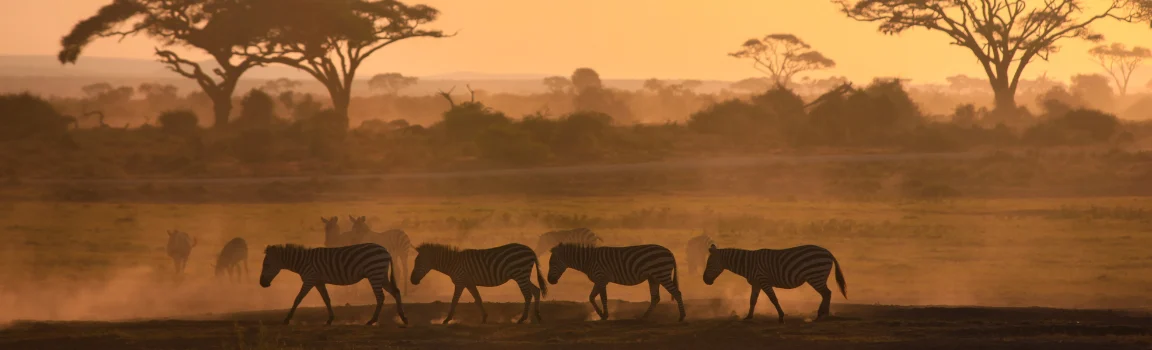
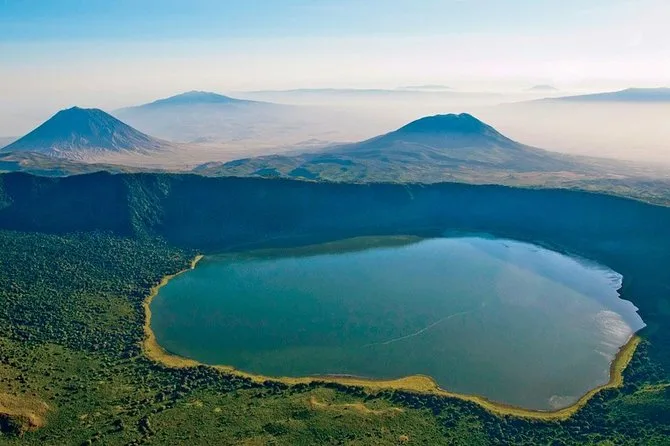
Ngorongoro Crater is one of the few safari destinations in Africa that can be visited throughout the year. Unlike Serengeti, where the best region often changes with the Great Migration, Ngorongoro has a large resident wildlife population inside the crater floor. Lions, buffaloes, zebras, wildebeest, elephants, hippos, hyenas and other animals may be seen across different seasons. The possibility of seeing black rhino also makes Ngorongoro one of the most important Big Five safari areas in Tanzania.
For Indian travellers planning a Tanzania safari in 2026, the best time to visit our Ngorongoro Crater safari package depends on what matters most: clear weather, easier game viewing, fewer crowds, lower prices, green landscapes, photography, family comfort or honeymoon atmosphere. There is no single perfect month for every traveller.
The dry season from June to October is the safest overall choice for first time safari travellers. December to February is another excellent window, especially for travellers combining Ngorongoro with Southern Serengeti or Ndutu calving season. March to May is the long rainy season — not the first recommendation for first time luxury travellers, but offering lush scenery, fewer vehicles and better value for flexible guests. For wider Tanzania planning, read our Ngorongoro Conservation Area travel guide.
When Is the Best Time to Visit Ngorongoro?
- The best overall time: June to October — reliable safari conditions, easier wildlife viewing and smooth northern Tanzania itinerary.
- Best for green landscapes and fewer crowds: March to May — requires flexibility for rain and road conditions.
- Best for Ngorongoro with Serengeti calving season: January to March.
- Best for honeymooners: June to October or December to February.
- Best value months: April, May and November — require realistic expectations about weather variability.
If you are travelling from India for the first time, choose June to October or December to February unless you are intentionally looking for green season rates and quieter travel.
Why Ngorongoro Can Be Visited Year Round
Ngorongoro Crater is different from many safari areas because a large number of animals remain within the crater throughout the year. The crater floor has grassland, marsh, lake areas, woodland and permanent water sources, which help support resident wildlife. This is why Ngorongoro does not depend on one single seasonal event — Serengeti travellers plan around migration movement, Tarangire is strongest in the dry season when animals gather around the river, but Ngorongoro is more consistent because its wildlife density remains high across much of the year.
That said, the experience still changes by month. Dry months can make game viewing easier because vegetation is lower and roads are more reliable. Green months can make the landscape beautiful, but rain may affect visibility, comfort and driving conditions. The crater rim and highlands can also be cool, especially early morning and evening — even in warm travel months, a light jacket is useful for early crater descents.
Month by Month Guide to Ngorongoro Crater in 2026
January in Ngorongoro
Best for: Honeymooners, families, calving season combinations, green scenery
Crowd level: High in early January, moderate later
Travel note: Good month for Ngorongoro plus Serengeti and Zanzibar
January is a strong month to visit Ngorongoro. The weather is generally good after the short rains, and the highlands often look greener than the late dry season. Wildlife viewing inside the crater remains rewarding because many animals are resident. January is especially useful for travellers combining Ngorongoro with Southern Serengeti or Ndutu — this is the beginning of the broad calving season window, making it possible to combine crater wildlife with newborn wildebeest activity further west. For Indian honeymooners, January can be excellent. Crowds may be high in early January because of festive season travel, so book well in advance.
February in Ngorongoro
Best for: Calving season safari, photographers, honeymooners
Crowd level: Moderate to high
Travel note: Strong month for Ngorongoro plus Ndutu
February is one of the best months for a Tanzania safari that includes Ngorongoro and Southern Serengeti. The crater itself remains strong for wildlife, while the wider Tanzania safari route benefits from calving season activity in the Serengeti ecosystem. For travellers interested in photography, February can offer excellent light, greener surroundings and dramatic wildlife opportunities when combined with Ndutu or Southern Serengeti. Inside Ngorongoro, lions, buffaloes, zebras, wildebeest, elephants, hyenas and hippos may be seen. Rhino sightings remain possible but not guaranteed. February is also a good month for Indian families when itinerary dates align with holiday planning.
March in Ngorongoro
Best for: Green landscapes, flexible travellers, late calving season combinations
Crowd level: Lower than peak months
Travel note: Early March is safer than late March for weather
March is a transition month. Early March can still be very good, especially when combined with Southern Serengeti or Ndutu. As the month progresses, the long rains may begin, making weather less predictable. The crater can look beautiful in March — the surrounding highlands may be green, and photography can be strong when skies clear. However, travellers should be prepared for occasional rain and changing road conditions. For Indian luxury travellers, early March is better than late March. March can also offer better value than peak dry season months when planned carefully.
April in Ngorongoro
Best for: Green season photography, lower crowds, value travel
Crowd level: Low
Travel note: Not ideal for first time families wanting predictable conditions
April is part of the long rainy season — not the first choice for most first time Indian travellers, but it has advantages for certain guests. The crater and highlands become lush and green. Scenery can be extremely beautiful, visitor numbers are lower than in peak season, and accommodation rates may be better. The downside is rain — roads can become muddy, visibility may be affected, and travel comfort can vary. April is best for photographers, repeat safari travellers, flexible luxury guests and travellers who prefer fewer crowds over perfect weather.
May in Ngorongoro
Best for: Fewer crowds, green scenery, flexible travellers
Crowd level: Low
Travel note: Late May may be better than early May
May is still part of the rainy period, though conditions may begin improving toward the end of the month. Like April, May can offer lush landscapes and fewer vehicles, but requires flexibility. The crater still has wildlife because many animals are resident — rainy season does not mean there are no animals, it means the overall experience may be wetter, greener and less predictable. May can be attractive for travellers who want quieter lodges and softer pricing, but is less suitable for those wanting the safest weather window. If travelling in May, choose good lodges, allow comfortable pacing and avoid overloading the itinerary.
June in Ngorongoro
Best for: First time travellers, families, premium safari, balanced weather
Crowd level: Moderate
Travel note: Excellent month before peak crowd levels rise
June marks the beginning of one of the best safari periods in Tanzania. The long rains have usually passed, landscapes remain fresh, and weather becomes more stable. This is an excellent month for Ngorongoro because the crater floor is productive, the highlands are still attractive, and crowd levels may be slightly lower than July or August. June also combines well with Tarangire and Serengeti — Tarangire begins building toward its dry season strength, while Serengeti movement may shift through central and western areas. For Indian travellers who want strong conditions without the highest peak season intensity, June is one of the smartest months.
July in Ngorongoro
Best for: Dry season safari, families, honeymooners, Serengeti combination
Crowd level: High
Travel note: Book early and start crater safari early
July is peak safari season in northern Tanzania. Ngorongoro is excellent for wildlife viewing, weather is generally dry, and the crater experience is highly reliable. This is a strong month for Indian families, honeymooners and luxury travellers — it also combines well with Serengeti, especially for travellers interested in the northern migration season. The drawback is crowding. Ngorongoro Crater is compact compared with Serengeti, so vehicle numbers can feel more noticeable during peak months. Book lodges early for July, especially crater rim stays and premium properties.
August in Ngorongoro
Best for: Peak dry season safari, migration combinations, families
Crowd level: Very high
Travel note: Higher rates and limited lodge availability
August is one of the most popular months to visit Ngorongoro. Wildlife viewing is strong, weather is dry, and the crater fits perfectly into a classic Tanzania safari route. For Indian travellers combining Ngorongoro with Serengeti river crossing season, August is a major travel month — so the overall package should be planned well in advance. The crater may be busy, but the experience remains powerful. The early morning descent, crater floor wildlife and dramatic rim views make August a strong choice despite the crowds. For families, August can be practical because of school holiday timing. For honeymooners, it is excellent but expensive.
September in Ngorongoro
Best for: Luxury safari, families, photographers, dry season wildlife
Crowd level: High
Travel note: Excellent for Tarangire, Ngorongoro and Serengeti combinations
September is another excellent dry season month. Wildlife viewing remains strong, weather is usually stable, and Ngorongoro combines very well with Serengeti and Tarangire. Crowds remain high but can be slightly easier than August in some periods. For luxury travellers, September is one of the best months for a premium Tanzania safari. Tarangire is also very strong in September, which makes this month excellent for the full northern circuit route: Arusha → Tarangire → Ngorongoro → Serengeti → Zanzibar. For Indian honeymooners and families, September is one of the safest safari months.
October in Ngorongoro
Best for: Late dry season safari, honeymooners, Zanzibar combinations
Crowd level: Moderate to high
Travel note: Good balance of weather and slightly lower peak pressure
October is still a very good month for Ngorongoro. It is late dry season, and wildlife viewing remains rewarding. Some landscapes may look drier than earlier months, but visibility can be strong. October can be slightly less intense than peak July August travel, depending on dates — a good choice for travellers who want dry season conditions but prefer to avoid the busiest holiday periods. Zanzibar also works well after safari in October, making this a strong month for safari and beach itineraries.
November in Ngorongoro
Best for: Shoulder season value, fewer crowds, flexible travellers
Crowd level: Lower
Travel note: Good if you accept possible short rains
November is a shoulder month with short rains. The landscape begins shifting from dry to fresh green. Rain is possible, but it is usually less prolonged than the long rains of April and May. Ngorongoro remains visitable because the crater has resident wildlife. November can offer better value and fewer crowds than peak dry season months. This month is best for flexible travellers, couples and those who want a quieter safari. It is less ideal for travellers who want maximum weather certainty.
December in Ngorongoro
Best for: Families, honeymooners, festive travel, Zanzibar extension
Crowd level: Moderate early month, high late month
Travel note: Book early for Christmas and New Year
December is a strong month for Ngorongoro, especially from mid to late December. The short rains often leave the landscape fresh, and festive season travellers begin arriving. For Indian families and honeymooners, December can be excellent because it combines safari with holiday timing and Zanzibar beach weather. The main issue is price and availability — Christmas and New Year travel should be booked months in advance. Ngorongoro in December works well with Serengeti, Tarangire and Zanzibar, making it one of the best months for travellers who want a complete Tanzania holiday during winter.
Best Time by Traveller Type
Best Time for First Time Indian Travellers
Choose June to October or December to February. These months offer the best balance of wildlife, weather and itinerary reliability.
Best Time for Families
June to September and late December are strong because they align with school holidays and give better safari conditions.
Best Time for Honeymooners
January, February, June, September and October are excellent. These months combine well with Serengeti and Zanzibar.
Best Time for Photographers
February, March, April and May are good for green landscapes. June to October is better for dry season wildlife clarity.
Best Time for Lower Crowds
April, May and November are quieter. Choose these only if you are comfortable with weather uncertainty.
Best Time for Best Value
April, May and November often offer better value, though luxury travellers should choose lodges and routing carefully.
Best Time to Combine Ngorongoro with Serengeti
- Ngorongoro plus Serengeti calving season: travel January to March.
- Ngorongoro plus northern Serengeti migration season: travel July to September.
- Ngorongoro plus general Serengeti big cat viewing: Central Serengeti can work across much of the year.
For most Indian travellers, the best route is: Tarangire → Ngorongoro → Serengeti → Zanzibar, working especially well from June to October and December to February.
Best Time to Combine Ngorongoro with Zanzibar
Zanzibar works best after safari, not before. The most suitable months for Ngorongoro plus Zanzibar are June to October and December to February. These months offer strong safari conditions and good beach potential. March to May is less ideal for beach travel because of the long rains. For honeymooners, Ngorongoro, Serengeti and Zanzibar is one of Tanzania's strongest luxury combinations.
Weather and Packing Tips
Ngorongoro can be cool, especially on the crater rim and during early morning game drives. Pack a light jacket even if travelling during warm months. For dry season, pack neutral safari clothing, sunglasses, sunscreen, hat and dust friendly clothes. For rainy season, pack a light rain jacket, waterproof shoes or practical footwear and flexible expectations. For photography, bring a zoom lens and extra batteries — early morning crater light can be excellent.
Common Mistakes to Avoid
- Thinking Ngorongoro Has Only One Good Season: Ngorongoro is strong year round because many animals are resident.
- Ignoring Crowd Levels: July and August are excellent but busy. Start early and choose good guides.
- Visiting in Rainy Season Without Flexibility: April and May can be beautiful but require patience and good planning.
- Not Packing Warm Layers: The rim can be cold in the morning even in warm months.
- Spending Only a Few Hours: A proper crater safari deserves a full day.
- Not Booking Early for Peak Season: July, August and late December require early planning — months or more in advance.
Why Plan Ngorongoro with Luxury Unlocked?
Luxury Unlocked helps Indian travellers choose the right month for Ngorongoro based on weather, wildlife, crowd levels, family needs, honeymoon style, budget and safari route. We help coordinate Ngorongoro with Tarangire, Serengeti and Zanzibar, including private vehicles, crater access timing, lodge selection, vegetarian meals, internal flights and complete travel planning from India.
Whether you want a dry season Big Five safari, a green season photography trip, a family friendly Tanzania holiday or a honeymoon with Serengeti and Zanzibar, our specialists can design the right 2026 itinerary. Explore our Tanzania safari packages from India or contact Luxury Unlocked to plan your private Ngorongoro safari.
Best Time to Visit Ngorongoro Crater 2026 – FAQs
June to October is the best overall time for first time travellers because the weather is drier, wildlife viewing is strong and safari conditions are reliable. December to February is another excellent window, especially for combining Ngorongoro with Southern Serengeti calving season or festive holiday travel.
Yes. Ngorongoro can be visited throughout the year because many animals remain inside the crater permanently. The crater floor has permanent water, grassland, marsh and woodland that support resident wildlife across all seasons. The experience changes by month, but no season is completely without wildlife.
Yes. July is excellent for wildlife and weather — dry conditions, reliable crater access and strong game viewing. It is also a peak travel month, so expect higher crowds, higher rates and limited availability at the best lodges. Book early and plan to start your crater safari as early in the morning as possible.
Yes. August is one of the strongest dry season months for Ngorongoro, especially when combined with Serengeti river crossing season. Wildlife viewing is excellent, weather is dry and stable, and the crater experience is highly reliable. Expect high crowds, high rates and limited lodge availability — book the entire itinerary well in advance.
April is rainy but not impossible. The crater has resident wildlife regardless of season, and the landscapes can be beautiful in green season. The downsides are muddy roads, unpredictable weather and reduced visibility. April is best for flexible travellers who want fewer crowds and lower rates rather than perfect conditions.
January, February, June, September and October are excellent for honeymooners combining Ngorongoro with Serengeti and Zanzibar. June to October offers dry conditions and reliable safari. January and February work well when paired with Southern Serengeti calving season. October provides late dry season conditions with a natural transition into Zanzibar beach weather.
June to September and late December are strong for families because they align with school holiday windows and provide reliable safari conditions. The crater is compact enough for children to enjoy a full game drive without needing multiple days to see wildlife. Combine Ngorongoro with Tarangire and Zanzibar for the strongest family Tanzania itinerary.
April, May and November usually have the fewest visitors compared with peak dry season months. These months offer a quieter crater experience and better lodge value, but require flexible expectations around weather, especially in April and May during the long rainy season.
Some wildlife movement occurs in the wider conservation area, but many crater animals are resident. Lions, elephants, buffaloes, hippos, hyenas and other species maintain a strong presence inside the crater throughout the year. This is what makes Ngorongoro reliable regardless of season, unlike migration dependent destinations.
The crater rim and highlands can be cool, especially early morning and evening. Even during warm safari months, temperatures at the rim can drop significantly before sunrise. Pack a light jacket or fleece for the crater descent, regardless of which month you travel. Once on the crater floor, temperatures usually rise as the day progresses.
Two nights are ideal for most travellers — this allows a full crater safari day and good pacing without rushing between Tarangire and Serengeti. One night is possible but tight. Three nights are useful for luxury travellers, photographers and those adding Olduvai Gorge or cultural experiences.
Yes. Most travellers visit Ngorongoro and Serengeti first, then fly to Zanzibar for beach relaxation. The charter flight from Serengeti or Arusha to Zanzibar takes approximately 60 to 90 minutes. The best months for a Ngorongoro plus Zanzibar itinerary are June to October and December to February.