
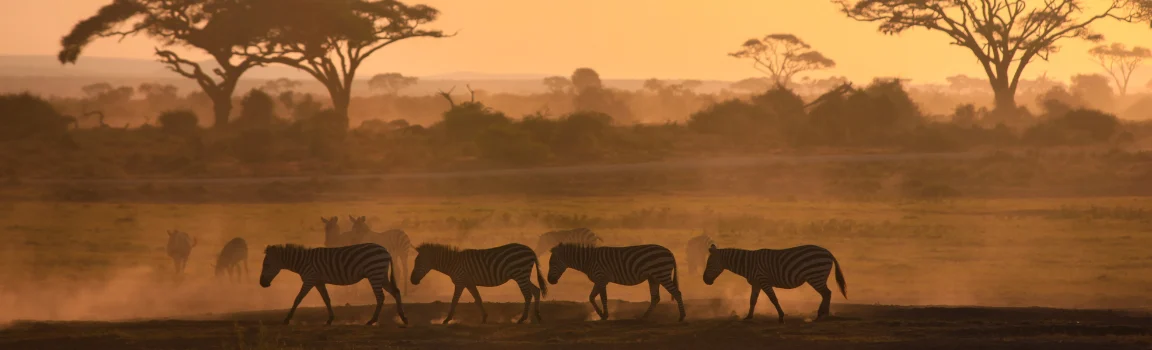
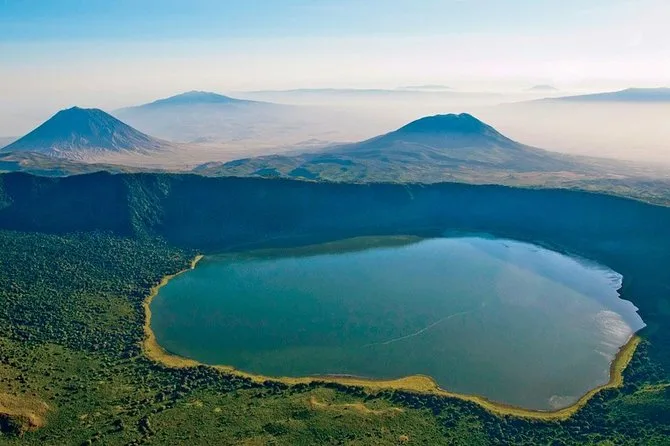
Ngorongoro Crater is one of the few African safari destinations that delivers extraordinary wildlife sightings virtually every month of the year. But the experience changes dramatically by season — and choosing the right time can be the difference between watching a lion hunt at dawn and sitting in a traffic jam of safari vehicles.
This guide breaks down every season so you can book with confidence. Before diving in, explore our Tanzania destination overview and browse Ngorongoro safari packages from India.
Understanding Ngorongoro's Two Main Seasons
The Dry Season (June – October)
This is the classic "peak safari" window. Rainfall is minimal, the vegetation thins out, and animals congregate around permanent water sources on the crater floor — making them far easier to spot and photograph. Early mornings are cold (sometimes below 10°C on the rim) but days warm up pleasantly.
Best for: Big Five sightings, photography, predictable weather, and combining with a Serengeti extension during the Great Migration (July–September).
Trade off: This is also peak tourist season. The crater can feel busy mid morning, especially in August. Book well in advance and choose a private vehicle for a more exclusive experience — our Crater Rim Photography Experience is designed precisely for this scenario.
The Green (Wet) Season (November – May)
Two wet periods make up Tanzania's green season: the "short rains" (November–December) and the "long rains" (March–May). The crater floor transforms into a lush, photogenic landscape with wildflowers, dramatic skies, and far fewer tourists.
Best for: Birdlife, calving season (January–March), lower prices, and empty roads. The Flamingo & Lake Magadi Viewing experience is particularly spectacular after the rains when water levels in Lake Magadi are higher and flamingo numbers peak.
Trade off: Some tracks on the crater floor can become muddy and temporarily impassable. Afternoon showers are common but usually short.
Month by Month Breakdown
January – February: Calving Season & Clear Skies
One of the most underrated times to visit. The short rains have ended, the grass is lush and green, and Ngorongoro's resident wildebeest and zebra begin calving. Predators are hyperactive, following herds of new born animals — lion, cheetah, and hyena sightings are exceptional. Birdlife is at its richest, with migrant species still present.
Visitor numbers: Low to moderate. Value: Good.
March – May: Long Rains
April is the wettest month. The crater floor is vividly green, and the Ngorongoro highlands are shrouded in mist. Not ideal for photography on overcast days, but wildlife is still abundant — the predators don't take holidays. Prices drop significantly, and the crater feels almost private on quiet weekday mornings. A great option for budget conscious Indian travellers who can travel outside school holidays.
Visitor numbers: Very low. Value: Excellent.
June – July: Start of Peak Season
The rains end and conditions become ideal. Wildlife congregates around permanent water, predator activity intensifies, and the Great Migration begins crossing into the Serengeti — making this the perfect time for a combined Ngorongoro + Serengeti itinerary. Our Sunrise Crater Safari is especially powerful during these months when golden morning light floods the crater floor.
Visitor numbers: Rising. Value: Moderate.
August – October: Prime Big Five Territory
August is the busiest month, but for good reason. Wildlife viewing is at its peak. All of the Big Five — lion, leopard, elephant, rhino, and buffalo — can be seen reliably on the crater floor. The black rhino population in Ngorongoro is one of the few genuinely thriving wild populations in Africa, and October mornings often yield sightings. If seeing all five is your goal, this is your window. Explore our Viewing Big Five experience for what to expect on a dedicated Big Five drive.
Visitor numbers: High (peak). Value: Premium pricing.
November – December: Short Rains & Birding Peak
Showers typically arrive in short, sharp afternoon bursts, then clear. The crater glows in golden late afternoon light after rain. Migrant birds return from Europe and Asia, and the Ngorongoro Conservation Area's waterways fill up. This is the best birding period of the year — over 500 species have been recorded in the greater Ngorongoro ecosystem. The Flamingo & Lake Magadi Viewing is spectacular during these months as flamingos flock in large numbers.
Visitor numbers: Low to moderate. Value: Good.
Quick Comparison Table
| Month | Wildlife | Crowds | Value |
|---|---|---|---|
| Jan – Feb | Excellent (calving) | Low | Good |
| Mar – May | Good | Very Low | Excellent |
| Jun – Jul | Very Good | Moderate | Moderate |
| Aug – Oct | Outstanding | High | Premium |
| Nov – Dec | Very Good (birding) | Low | Good |
Special Considerations for Indian Travellers
School holidays & travel windows
Indian school holidays (May–June, October–November) align reasonably well with both shoulder and peak safari seasons. May is the tail end of the long rains — often fine for families willing to accept some cloud cover in exchange for lower prices and fewer vehicles. October is excellent — peak wildlife conditions with prices beginning to ease from the August high.
Festival season travel
Diwali (October–November) and Christmas–New Year are increasingly popular windows for Indian safari travellers. The crater can feel surprisingly busy during Christmas week — book lodges and exclusive experiences at least 6 months in advance.
Final Thoughts
For most Indian travellers visiting for the first time: late June, September, or October hit the sweet spot of excellent wildlife, manageable crowds, and reasonable availability. For those comfortable with some rain and prioritising value: January–February is genuinely outstanding and severely underrated.
Ready to plan around the right season? Explore our Ngorongoro packages from India or start with a Sunrise Crater Safari to make the most of early morning light regardless of season.
Best Time to Visit Ngorongoro Crater – FAQs
June through October offers the best overall conditions — dry weather, excellent wildlife visibility, and Big Five sightings. For value and fewer crowds, January–February (calving season) is an outstanding alternative.
Yes. The wet season (March–May, November–December) still offers excellent wildlife and exceptional birding. Prices are lower, crowds are minimal, and the landscape is beautifully green. Some crater tracks may be muddy but most are accessible with a 4WD vehicle.
Ngorongoro is exceptional for birding year round, with over 500 species recorded. The best birding is during the green season (November–April) when migratory species are present and Lake Magadi hosts large flamingo flocks.
The crater rim sits at around 2,300 metres and can drop to 5–10°C at night and early morning, especially June–August. The crater floor is warmer. Always pack a warm layer for dawn game drives.
The Great Migration passes through the Serengeti ecosystem near Ngorongoro between January and March (calving season in the southern Serengeti/Ndutu area), and again from July–September during the river crossings in the northern Serengeti. A combined itinerary captures both.
August is the busiest month and the crater can feel busy mid morning around popular sighting spots. Arriving at crater descent time (6–7 AM) and using a private vehicle significantly improves the experience. September sees similar wildlife with slightly fewer visitors.