
Your first descent into Ngorongoro Crater is an experience that never quite leaves you. As the 4WD drops down the steep crater wall at dawn, the caldera floor slowly reveals itself through the mist — vast, primordial, and alive with movement in every direction. But like all great wildlife experiences, knowing what to expect transforms a good safari into an extraordinary one.
This guide covers everything a first time visitor needs to know: how the crater works logistically, what the rules are, what you will realistically see, and how to structure your day. For context on the destination itself, visit our Tanzania destination overview.
Understanding the Crater: Geography & Scale
Ngorongoro is not a national park — it is a UNESCO World Heritage Site and the world's largest intact volcanic caldera. The crater floor covers approximately 260 square kilometres, enclosed by walls that rise 400–600 metres above. This natural enclosure concentrates an extraordinary density of wildlife: an estimated 25,000–30,000 large mammals live permanently within the crater.
The floor contains a mosaic of habitats open short grass plains, Lerai Acacia Forest, Ngoitoktok hippo pool, the Gorigor swamp, and Lake Magadi (a soda lake). Each zone supports different species and behaviours. Understanding this geography helps you plan your drive.
Crater Logistics: Rules, Timings & Fees
Descent and ascent roads
There are two routes into the crater: Seneto Descent Road (main entrance, on the western side) and Lerai Ascent Road (the exit route). Vehicles follow a one way system — descend via Seneto, exit via Lerai. This keeps traffic manageable and prevents head on confrontations on the steep, narrow roads.
Opening and closing times
The crater gates open at dawn (approximately 6 AM) and all vehicles must exit by 6 PM. Overnight camping within the crater is not permitted all accommodation is on the crater rim or outside the conservation area. To maximise your time on the floor, coordinate your lodge breakfast or packed lunch for the vehicle. Our Sunrise Crater Safari is designed to get you on the crater floor at first light — the single most impactful thing you can do for both wildlife and photography quality.
Fees (2026)
Ngorongoro charges a conservation area entry fee per person per day, plus a vehicle fee for the crater itself (crater service fee). Fees are paid via the Tanzanian National Parks / Ngorongoro Conservation Area Authority system and are subject to change. Your safari operator will handle all fee payments confirm inclusions when booking your ngorongoro crater safari package.
Staying in your vehicle
Guests must remain in their safari vehicle at all times on the crater floor, with the exception of designated picnic sites (Ngoitoktok is the main one). This rule exists for your safety — wildlife is wild and distances can be deceptively small. Getting out at an undesignated spot is prohibited and can result in the operator losing their licence.
What You Will See: A Realistic Preview
Guaranteed (on almost every full day drive)
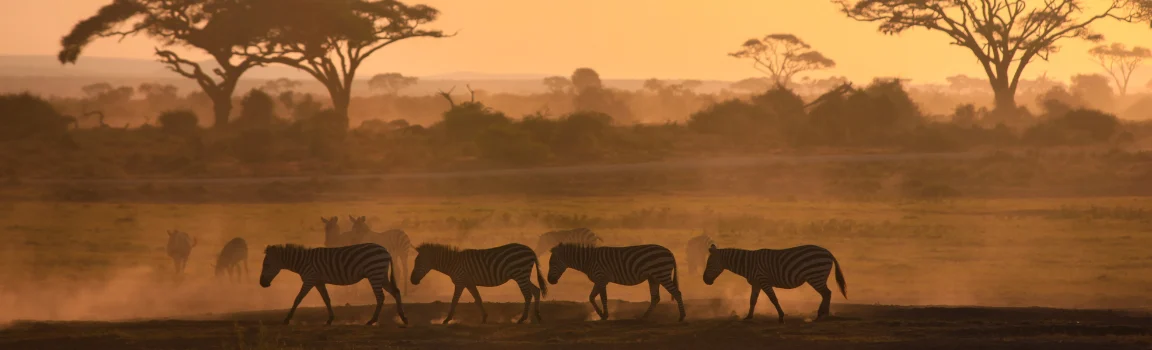
- Wildebeest and zebra in large herds
- Buffalo — often in herds of several hundred
- Hippos in Ngoitoktok pool
- Spotted hyena — Ngorongoro has one of Africa's densest hyena populations
- Golden jackal and black backed jackal
- Flamingos on Lake Magadi (numbers vary by season)
- Elephant (usually in or near Lerai Forest)
Highly likely (most full day drives)
- Lion — multiple prides are resident
- Serval cat — surprisingly common in the crater grasslands
- Bat eared fox
- Ostrich
- Secretary bird
Possible with good guiding
- Black rhino — resident population of fewer than 30 individuals; your guide's knowledge is critical
- Leopard — present but elusive; favours Lerai Forest treeline
- Cheetah — occasional visitor; less reliable than Serengeti
- Wild dog — rare but recorded in the crater
For a dedicated wildlife focus, book our Viewing Big Five experience with a guide who tracks the crater's predator populations daily.
How to Structure Your Day
Dawn descent (6:00–7:00 AM): The golden hour
Mist often fills the crater at dawn. As it burns off, predators are active — lion prides are moving, hyena clans are returning from night hunts, and rhinos are feeding in the open. This is the most dramatic and productive period of the day, and the best light for photography.
Mid morning (8:00–11:00 AM): Active wildlife phase
Temperature climbs, predators begin to rest, but the plains come alive with herbivore movement. Buffalo herds graze, elephants move between forest and water, and jackals scavenge around kills. This is also the best window for the Flamingo & Lake Magadi Viewing — the light is good and the flamingo flocks are active.
Midday (11:00 AM–2:00 PM): Picnic stop
Most camps provide a packed crater lunch. The Ngoitoktok picnic site is the only place you can exit your vehicle (other than entering/exiting the crater). It overlooks the hippo pool — eating your lunch while watching hippos is an experience in itself. Note: black kites are extremely bold here and will take food from hands — keep food in the vehicle until seated and keep bags closed.
Afternoon (2:00–6:00 PM): Second active phase
As temperature drops, animals become active again. Predators stir, rhinos may emerge for late afternoon grazing, and the light turns golden for photography. This is when Crater Rim Photography from above is spectacular — the afternoon sun backlights the rim walls dramatically. Exit the crater before the 6 PM gate closing time.
Packing for a Crater Drive
- Warm layer for the descent (the rim is cold at dawn)
- Sun protection (hat, sunscreen, sunglasses) — the crater floor is exposed
- Camera with a long lens (300mm+ for good wildlife frames from a vehicle)
- Binoculars (essential for spotting rhino and leopard)
- Packed lunch and sufficient water (provided by most operators)
- Light dust layer for open vehicles
Rim vs Floor: Where to Stay
Lodges on the crater rim offer extraordinary views down into the caldera — waking up above the clouds with the crater below is unforgettable. The descent to the floor takes 20–30 minutes. Some travellers prefer tented camps in the wider Ngorongoro Conservation Area for a more immersive bush experience.
Discuss lodge options with us when planning your Ngorongoro safari package.
Ngorongoro Crater Safari – FAQs
A full day (6 AM to 6 PM) is ideal for a first visit. This allows time for the dawn golden hour, mid morning wildlife activity, a crater floor picnic stop, and afternoon game viewing. Half day visits are possible but significantly limit your experience and Big Five chances.
No. Guests must remain in their safari vehicle at all times on the crater floor, with the exception of the designated Ngoitoktok picnic site. This rule is strictly enforced for safety reasons — the crater's wildlife includes lion, rhino, elephant, and buffalo at very close range.
The crater floor covers approximately 260 square kilometres, making it one of the largest intact calderas in the world. The crater walls rise 400–600 metres above the floor. A full day is needed to explore the main zones: the open plains, Lerai Forest, Ngoitoktok pool, and Lake Magadi.
No. Ngorongoro is a UNESCO World Heritage Site and Conservation Area — not a national park. Unlike national parks, the Conservation Area has historically allowed Maasai pastoralists to graze their cattle within its boundaries, making it a unique blend of wildlife conservation and cultural land use.
Layer up. The crater rim is cold at dawn (sometimes below 10°C in dry season) but the crater floor warms significantly by mid morning. Wear a warm fleece for the descent and carry a light jacket you can remove. Neutral colours (khaki, beige, olive) are standard on safari. Sunglasses and a hat are essential once on the floor.
Ngoitoktok is the main designated exit vehicle area on the crater floor, located beside a permanent hippo pool. It is the only place on the crater floor where guests can leave their vehicle for a picnic. Be aware: bold black kites will attempt to steal food directly from hands — keep food secured until seated.