
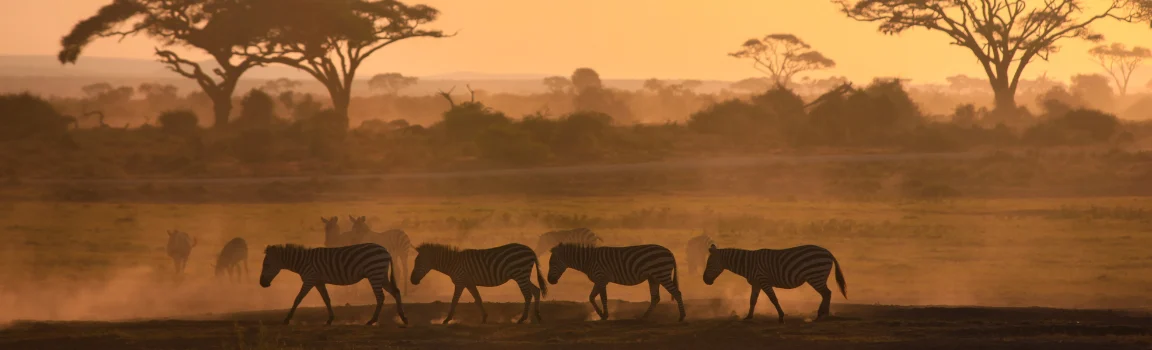

They've grown up watching wildlife documentaries, they know the wildebeest migration exists, and they've been asking to go to Africa for years. A Tanzania family safari is the trip that delivers on every promise wild lions on open plains, elephants crossing the road in front of your vehicle, and the Ngorongoro Crater revealing itself through the morning mist like a lost world. The memories made here last decades.
But taking children on safari requires real planning. Age restrictions, long drives, heat, dust, early mornings handled poorly, these challenges can undermine the experience. Handled well, a Tanzania family safari becomes the most extraordinary holiday a family can share. This guide covers everything Indian families need to know: where to go, where to stay, what ages work, what to do beyond game drives, and how to put it all together.
For destination context, start with our Tanzania destination overview or browse our Tanzania safari packages from India.
Why Tanzania Is Africa's Best Family Safari Destination
Tanzania offers something no other single country can match for families: world class wildlife reserves combined with the option of a beach extension on Zanzibar. The classic northern circuit Serengeti, Ngorongoro Crater, Tarangire — packs extraordinary wildlife sightings into a compact, logistically manageable itinerary. Add Zanzibar's white sand beaches at the end and you have a holiday that satisfies every member of the family, from the wildlife obsessed twelve year old to the parent who needs a sun lounger after five days in a safari vehicle.
Tanzania is also one of the safest and most well organised safari destinations in Africa. English is widely spoken, the infrastructure for tourism is excellent, and the country has a long history of welcoming families from India and around the world.
The Age Question: What Age Is Right for a Tanzania Family Safari?
This is the question every family asks first and the honest answer is: it depends on the lodge, the park, and the style of safari. There is no single universal rule.
Under 5s
Most lodges and camps in Tanzania's premier reserves set a minimum age of 5 or 6 for game drives and with good reason. Young children find long vehicle hours difficult, and the unpredictability of wildlife behaviour creates safety considerations. Some family specialist lodges accept younger children but offer adapted, shorter drives. If travelling with toddlers, discuss this explicitly with your operator before booking.
Ages 5–8: The sweet spot begins
Children from around 5–6 can participate in most standard game drives. At this age, they are genuinely thrilled by large animals at close range and have enough attention span for a 3–4 hour morning drive. Afternoon drives can be split or shortened. Choose lodges with pools and activity programmes for the downtime between drives.
Ages 9–12: Outstanding
This is arguably the ideal age for a first Tanzania family safari. Children are old enough to absorb the experience meaningfully, ask excellent questions of guides, and manage a full day drive without difficulty. The wildlife encounters at this age particularly lions, elephants, and the spectacle of the Ngorongoro Crater create genuine wonder that shapes lifelong interests.
Teenagers
Teenagers with any interest in wildlife, photography, or conservation typically love Tanzania. The key is choosing a programme that gives them agency a photography focus, a conservation activity, a bush walk with a ranger. Teenagers who feel passive in a vehicle all day disengage quickly; teenagers who have a role (the photographer, the bird counter, the journal keeper) are often the most engaged members of the group.
Best Parks and Reserves for Tanzania Family Safaris
Serengeti National Park
Tanzania's most iconic park is genuinely extraordinary for families. The sheer scale of the wildlife spectacle thousands of wildebeest, zebra, and gazelle across open plains, lions visible from hundreds of metres, cheetah sprints, elephant families at water — is visceral and immediate in a way that no screen can prepare children for.
The Serengeti also offers some of Tanzania's best family specialist lodges and tented camps, with swimming pools, children's activity programmes, and guides trained in delivering the safari experience to younger guests. The central Seronera area is most accessible; the northern Serengeti (closer to the Mara River crossings) is more remote but extraordinary if your family includes teens and older wildlife enthusiasts.
Ngorongoro Crater
For families, the Ngorongoro Crater is perhaps the single most impactful wildlife experience available anywhere. Descending into the caldera at dawn — with the crater floor stretching out below and wildlife visible in every direction — is a moment children and teenagers never forget. The enclosed geography means sightings are dense and reliable: lion, elephant, buffalo, and flamingos on Lake Magadi are almost guaranteed on a full day drive.
The black rhino population is particularly exciting for children who understand how rare wild rhino sightings are. Our Viewing Big Five experience is designed around exactly this context guides who can explain the conservation story of each species in a way that resonates with younger guests.
The Sunrise Crater Safari works well for families with children aged 8 and above the dawn descent creates genuine theatrical drama that even the most screen saturated teenager finds genuinely impressive.
Tarangire National Park
Often overlooked in favour of Serengeti and Ngorongoro, Tarangire is an exceptional family destination. Famous for its enormous elephant herds — the largest concentration of elephants in Tanzania outside of the Serengeti ecosystem — Tarangire also offers classic baobab tree landscapes that feel genuinely ancient. The park is less crowded than Serengeti, drives are less long, and the wildlife density is excellent for a half day introduction drive at the start of an itinerary.
Lake Manyara National Park
A smaller, more accessible park that suits younger children and first time safari families. Lake Manyara is famous for its tree climbing lions (rare behaviour — a genuine spectacle when encountered), large hippo pools, and the pink soda lake that attracts flamingo flocks. Drives are shorter and the park is compact enough for half day visits — ideal for combining with a Ngorongoro or Tarangire day without over extending young travellers.
Activities Beyond Game Drives: Keeping Every Family Member Happy
The honest reality of family safari planning: game drives alone, however spectacular, are not enough for a multi day itinerary with children of mixed ages. The best Tanzania family safaris weave in complementary activities that provide different energy, pace, and engagement.
Flamingo & Lake Magadi Viewing
Children are invariably delighted by the flamingo flocks on Ngorongoro's Lake Magadi — the sheer spectacle of thousands of pink birds against the white soda lake surface is visually arresting in a way that even young children respond to immediately. Our Flamingo & Lake Magadi Viewing experience can be incorporated into a crater floor day without adding distance or fatigue.
Crater Rim Photography
Teenagers with phones and younger children who love taking pictures respond extremely well to a dedicated photography experience. Standing at the crater rim with the entire Ngorongoro caldera below — and being guided on how to capture it well gives younger travellers a tangible skill and a genuine sense of achievement. Our Crater Rim Photography Experience works beautifully as a late afternoon activity after a morning crater drive.
Maasai Cultural Village Visits
For Indian families, the Maasai cultural experience often resonates in unexpected ways — pastoral traditions, community structure, and the relationship between people and land have genuine parallels with rural Indian culture. Children who participate in a jumping ceremony, learn a few words of Maa, or try Maasai beadwork return with a dimension of the trip that wildlife alone cannot provide. Ensure your operator works with communities directly for an authentic, ethical experience.
Bush walks with armed rangers
Available in certain areas outside the main crater floor, guided bush walks give older children and teenagers a completely different perspective on the ecosystem — tracking animal prints, identifying plants, understanding the relationships between species at ground level. Most suitable for children aged 12 and above with a reasonable fitness level.
Hot air balloon safari (Serengeti)
One of the most memorable experiences in African travel and particularly impactful for families with older children and teenagers. Floating over the Serengeti plains at dawn — with the landscape below and wildlife visible from above — is a perspective that no ground level drive can replicate. Most balloon operators accept children aged 7 and above; confirm with your operator. This is typically a sunrise experience, landing to a bush breakfast.
Zanzibar Beach Extension
The combination of a northern Tanzania safari circuit with a Zanzibar beach extension is the most popular Tanzania family itinerary — and for good reason. After 5–7 days of early mornings, game drives, and wildlife intensity, a few days on Zanzibar's white sand beaches with clear Indian Ocean water gives every family member space to decompress. The coral reefs around Zanzibar also offer excellent snorkelling and introductory scuba for older children.
Choosing the Right Family Lodge or Camp
Not all safari lodges are created equal for families. The best family specialist properties in Tanzania share several characteristics:
- Family rooms or interconnecting suites — not all camps offer these; confirm before booking
- Swimming pool — essential for the midday hours when game drives pause and children need an outlet
- Children's activity programmes — junior ranger activities, nature journals, wildlife quizzes
- Child friendly menus — many lodges will adapt dishes for children; confirm in advance if you have dietary requirements or Jain/vegetarian needs
- Trained staff comfortable with children — the atmosphere created by staff makes an enormous difference to how children (and parents) feel throughout the stay
- Fly in access — for families with young children especially, choosing lodges accessible by light aircraft rather than long road transfers dramatically reduces fatigue and journey friction
Fly In vs Road Safari for Families
This choice matters more for families than for adult only groups. Road transfers between Tanzania's northern parks can involve several hours on corrugated dirt tracks — manageable for adults, genuinely wearing for children under 10.
A fly in itinerary — using light aircraft (typically 12-seater Cessnas or similar) to move between reserves — eliminates road fatigue entirely, allows you to cover more ground in less time, and gives children a genuinely exciting experience (landing on a bush airstrip surrounded by wildlife is itself a highlight). The trade off is cost — fly in itineraries are significantly more expensive than road based ones.
For families with children under 8, we generally recommend fly in between Serengeti and Ngorongoro. For families with older children who are good travellers, a combination of road and air can be planned thoughtfully to minimise fatigue without unnecessary cost.
Packing for a Tanzania Family Safari
For children specifically
- Neutral colours (khaki, beige, olive) for all game drive clothing — the same rules apply as for adults
- Warm fleece or jacket for early morning drives (Ngorongoro Crater rim is cold at dawn)
- Hat with wide brim and chin strap (hats blow off in open vehicles)
- High SPF children's sunscreen — the equatorial sun is intense on open vehicle rooftops
- Insect repellent appropriate for children's age
- Closed shoes for dusty terrain — sandals are fine for lodge evenings but not drives
- A small backpack for their own binoculars, notebook, and camera/phone
For the vehicle
- Binoculars — one pair per family member ideally; children with their own binoculars engage far more actively
- A wildlife field guide or identification cards — children love matching species they've spotted
- Snacks — hunger is the enemy of patience on long drives; pack familiar snacks from home alongside what the lodge provides
- Small first aid kit including children's antihistamine, antiseptic wipes, and any personal medications
Health & Safety for Tanzania Family Safaris
Tanzania requires the same health preparation as any East African safari, with some additional considerations for children:
- Malaria prevention: consult a travel medicine doctor well in advance. Some malaria prophylaxis options are not suitable for young children; paediatric dosing and options vary. Bite avoidance (long sleeves, repellent, nets) is essential regardless of which prophylaxis is chosen.
- Vaccinations: ensure all routine childhood vaccinations are up to date (MMR, DTP). Hepatitis A and Typhoid are commonly recommended. Yellow Fever rules depend on your routing — check with a travel clinic 6–8 weeks before departure.
- Sun protection: children on open vehicle rooftops at altitude (Ngorongoro rim is 2,300m) are particularly vulnerable to UV exposure. High SPF sunscreen, hats, and UV protective clothing are essential.
- Food and water safety: stick to sealed water and freshly cooked food. Most family specialist lodges are diligent about food safety; inform them of any allergies or dietary restrictions before arrival.
- Travel insurance: ensure your policy includes medical evacuation cover. Flying children out for medical treatment in a serious emergency requires specialist insurance — standard travel policies are often insufficient.
A Sample Tanzania Family Safari Itinerary
This is an illustrative 8-day itinerary (excluding international flights) for a family with children aged 8–14. It can be adjusted by our specialists for different ages, budgets, and time windows.
- Day 1: Arrive Kilimanjaro International Airport. Transfer to Tarangire National Park. Afternoon half day introductory drive — elephant herds and baobab landscapes.
- Day 2: Full day Tarangire — morning drive, midday pool, afternoon drive.
- Day 3: Fly to central Serengeti. Afternoon game drive — vast open plains, first lion sightings.
- Day 4: Full day Serengeti — optional hot air balloon at dawn for ages 7+, followed by morning and afternoon drives.
- Day 5: Continue Serengeti — cheetah and predator focus drive, Maasai cultural visit afternoon.
- Day 6: Fly to Ngorongoro. Afternoon crater rim photography experience — the caldera revealed at golden hour.
- Day 7: Full day Ngorongoro Crater — sunrise descent, Big Five drive including flamingo lake viewing, picnic lunch at Ngoitoktok pool.
- Day 8: Morning drive or depart for Zanzibar extension (recommended 3–4 nights).
Ready to Plan Your Tanzania Family Safari?
Every family is different different children's ages, different interests, different budgets, different travel styles. The best Tanzania family safari is one designed specifically around your family, not a template itinerary with your names swapped in.
Explore our range of Tanzania safari packages from India or contact our specialists to build a tailor made itinerary from the lion obsessed junior naturalist to the parent who needs a sundowner and a sunset. We'll make sure everyone has the time of their lives.
Tanzania Family Safari – FAQs
Most lodges and camps set a minimum age of 5–6 for game drives in Tanzania's main reserves. Some family specialist properties accept younger children with adapted, shorter drives. Ngorongoro Crater and Serengeti generally work well from age 5–6 upwards for standard drives. Always confirm the specific lodge's policy before booking.
Yes. Tanzania is one of Africa's most stable and well organised safari destinations and welcomes families from around the world. The main considerations are health preparation (malaria prevention, vaccinations, sun protection) and choosing appropriate lodges and itineraries for your children's ages. With proper planning and a reputable operator, Tanzania is an excellent family destination.
Lake Manyara and Tarangire are well suited for younger children — compact, accessible, and with excellent wildlife. Ngorongoro Crater is outstanding for all ages because wildlife is concentrated and sightings are dense without long searching drives. Serengeti is best for children aged 7 and above who can manage longer drives.
Tanzania is a malaria risk country and most travel doctors recommend malaria prevention for children as for adults — but paediatric dosing and suitable options vary by age and weight. Consult a travel medicine doctor 6–8 weeks before departure. Bite avoidance (insect repellent, long sleeves at dawn/dusk, bed nets) is essential regardless of prophylaxis chosen.
Not always necessary, but strongly recommended for families with children under 8 or those with limited time. Road transfers between Tanzania's northern parks can involve several hours on rough roads. Fly in itineraries eliminate this fatigue, allow more time for game drives, and are themselves exciting for children. The trade off is higher cost — discuss the balance with your operator.
Absolutely — and this is the most popular Tanzania family itinerary. Combining 5–7 days on the northern safari circuit (Serengeti, Ngorongoro, Tarangire) with 3–4 days on Zanzibar's beaches creates a holiday that satisfies wildlife enthusiasts and beach lovers alike. Flights from the Serengeti to Zanzibar take around 2 hours via Dar es Salaam or direct charter options.
Most family specialist lodges in Tanzania can accommodate vegetarian, Jain, and other dietary requirements if informed in advance. Standards vary — luxury lodges typically have fully trained chefs who can prepare tailored menus. Inform your operator of all dietary requirements at booking and confirm with the lodge before arrival. Packed lunches for crater drives can also be adapted.
A minimum of 7–8 safari days (excluding international travel) is recommended to comfortably cover the northern circuit (Tarangire, Serengeti, Ngorongoro) without rushing. Add 3–4 days for a Zanzibar extension. Total trip from India including travel days is typically 10–14 days. Shorter trips are possible but limit the range of parks and activities available.
June–October (dry season) is the most popular and generally best window for family safaris — dry roads, concentrated wildlife at water sources, and predictable weather. January–February (calving season in the southern Serengeti) is outstanding for families who want to witness predator activity and newborn animals. Indian school holidays in May–June and October align reasonably well with good wildlife windows.
Yes — Ngorongoro is arguably the best single day safari experience for families with children. The crater's enclosed geography means wildlife is concentrated and sightings are dense without long searching periods. The picnic stop at Ngoitoktok hippo pool (the only place children can exit the vehicle on the crater floor) is a highlight. Suitable for children aged 5 and above for a full day, younger children for a half day.