
Ngorongoro is far more than a single game drive. The greater Ngorongoro Conservation Area encompasses highland forests, Maasai cultural landscapes, ancient archaeological sites, a spectacular volcanic caldera, and one of Africa's most diverse ecosystems. This guide curates the top experiences — from the pure wildlife thrill of a sunrise crater drive to the quiet intimacy of a Maasai village visit at dusk.
See our Tanzania destination for a full overview, or explore packages from India that combine these experiences into a complete itinerary.
1. Sunrise Crater Safari
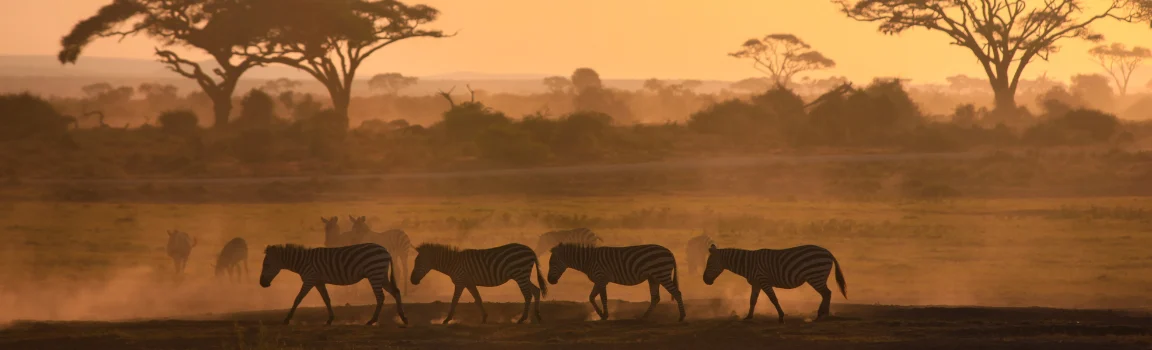
This is the experience that defines Ngorongoro for most visitors. Descending into the caldera at first light as mist rolls along the crater walls and the floor reveals itself gradually is theatrical in the best possible sense. Lions are active on the plains, hyena clans are breaking up after night hunts, and the dawn light turns the golden grass into something otherworldly.
Our dedicated Sunrise Crater Safari is timed for the earliest permitted crater descent, giving you maximum time during the most productive and photogenic hours. This is particularly powerful in the dry season (June–October) when cold mist creates a dramatic, layered atmosphere.
Best for: First time visitors, predator behaviour, dramatic photography.
2. Big Five Game Drive
Ngorongoro is one of very few places on Earth where seeing all five of the iconic Big Five — lion, leopard, elephant, black rhino, and buffalo — in a single day is realistically achievable. The crater's natural enclosure concentrates these species at extraordinary densities, and all five are permanent residents (they do not seasonally migrate out).
A dedicated full day drive with an expert crater guide maximises your chances of a complete Big Five sighting. Explore our Viewing Big Five experience for details on what to expect, where each species is typically found, and how to plan your timing within the crater.
Best for: Wildlife enthusiasts, first time Big Five seekers, families.
3. Flamingo & Lake Magadi Viewing
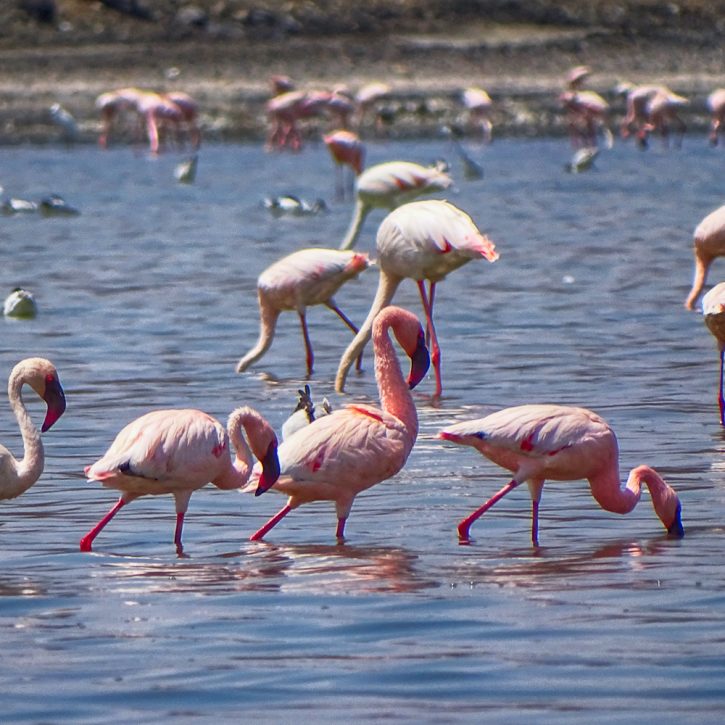
Lake Magadi sits on the southwestern floor of the crater — a soda lake that turns vivid pink when thousands of lesser flamingos gather along its alkaline shores. The contrast between the pale grey white lake surface, the shocking pink flamingo flocks, and the dark crater walls above creates one of Africa's most surreal landscapes.
Flamingo numbers vary significantly by season and water levels — they are most abundant after the rains when the lake is fuller and the alkaline conditions ideal. Our Flamingo & Lake Magadi Viewing experience is best combined with a morning crater drive so you can time the visit for good light.
Best for: Bird lovers, photographers, travellers who want something beyond predator safaris.
4. Crater Rim Photography
The view from the Ngorongoro Crater rim is one of the most iconic in African travel — a 260-square kilometre world unto itself, viewed from the edge of an ancient volcanic wall. Late afternoon and sunset from specific rim viewpoints produce extraordinary photography: the entire caldera glows amber, herds of animals are visible as moving dots on the golden floor, and clouds often pool dramatically in the crater bowl.
Our Crater Rim Photography Experience takes you to the best viewpoints with a photography focused guide who understands light, composition, and the specific timing that produces the most memorable crater images. This works beautifully as a bookend to a crater floor day — descend at sunrise, photograph from the rim at sunset.
Best for: Photographers, couples, sunset seekers.
5. Birdwatching in the Crater
Ngorongoro's ecosystem supports over 500 bird species — one of the most diverse avifaunas on the continent. The crater floor habitats each attract different species: the open grasslands host kori bustard, secretary bird, ostriches, and numerous raptors; Lerai Forest shelters silvery cheeked hornbill and Verreaux's eagle owl; the swamps attract grey crowned cranes, wattled lapwing, and egret species; and Lake Magadi brings flamingos and numerous wader species.
Combine birdwatching with the Flamingo & Lake Magadi Viewing for the richest single day birding experience in the Conservation Area.
Best for: Birding enthusiasts, families with curious children, green season visitors.
6. Maasai Cultural Village Visit
The Ngorongoro Conservation Area is unique in Africa for being a co managed space — the Maasai people have lived alongside the wildlife for centuries and continue to graze their cattle within the conservation area boundaries. A visit to an authentic Maasai boma (village) provides a genuine encounter with one of East Africa's most distinctive cultures: traditional jumping ceremonies, insight into daily pastoral life, handcrafted beadwork, and the extraordinary relationship the Maasai have with their cattle and the land.
Ensure you visit with an operator who works with communities directly — authentic community run visits benefit the families and provide a more genuine experience than staged tourist shows.
Best for: Cultural travellers, families, India–Africa cultural comparisons (pastoral traditions resonate strongly).
7. Olmoti Crater & Empakaai Crater Hikes
Beyond the main Ngorongoro Crater, the wider Conservation Area contains several smaller calderas accessible by foot. Olmoti Crater (north of Ngorongoro) has a scenic waterfall and excellent highland birding. Empakaai Crater (further northeast) contains a beautiful deep lake, flamingos, and extraordinary views to Ol Doinyo Lengai (the active "Mountain of God" volcano sacred to the Maasai).
These hikes require an armed ranger escort (arranged by your operator) and suit travellers who want to add physical activity and highland scenery to a crater heavy itinerary.
Best for: Active travellers, hikers, landscape photographers.
8. Olduvai Gorge Museum
A short detour between Ngorongoro and Serengeti, Olduvai Gorge is one of the most important paleoanthropological sites in the world. Fossils and stone tools found here have fundamentally shaped our understanding of human evolution — including Homo habilis remains dating back nearly 2 million years. The on site museum provides context that makes the Ngorongoro landscape feel even more extraordinary: this caldera ecosystem has sustained life — including our ancestors — for millions of years.
Best for: History and science enthusiasts, anyone combining Ngorongoro with a Serengeti trip.
Combining Experiences: Our Recommendations
Most travellers benefit from combining a morning crater floor drive with an afternoon crater rim experience. A two day itinerary in Ngorongoro allows a sunrise crater safari on day one (predator focus) and a Big Five dedicated drive on day two, with the flamingo lake and crater rim photography built into both afternoons.
Explore how we combine these into a complete journey via our Ngorongoro packages from India.
Ngorongoro Crater Activities – FAQs
A full day game drive on the crater floor is the defining experience — particularly the sunrise descent. Ngorongoro is one of the world's premier Big Five destinations and the crater floor game drive should be the centrepiece of any visit.
Yes. Lake Magadi on the crater floor hosts large flocks of lesser flamingos. Numbers peak after the rains (November–December and January–February) when the lake is fuller. The flamingo and lake viewing experience can be added to any crater floor drive.
Yes. The Ngorongoro Conservation Area is unique in Africa as a co managed space where Maasai pastoralists live alongside the wildlife. Several authentic Maasai bomas (villages) near the crater offer cultural visits. Arrange these through your safari operator to ensure the community benefits directly.
Yes, but not on the main crater floor. The wider Conservation Area offers guided hikes to Olmoti Crater and Empakaai Crater with armed ranger escorts. These are separate from the main Ngorongoro Crater and suit travellers who want to add walking and highland scenery to their itinerary.
Absolutely. Olduvai Gorge is one of the world's most significant paleoanthropological sites, where Homo habilis remains nearly 2 million years old were discovered. The on site museum takes about 1–2 hours and dramatically enriches the experience of the Ngorongoro landscape. It sits conveniently between Ngorongoro and Serengeti on the standard safari route.
The crater rim at sunset is one of Africa's most extraordinary photography locations — the caldera glows amber and the scale of the landscape is breathtaking. On the floor, the dawn mist drive produces iconic atmospheric wildlife images. Our Crater Rim Photography Experience combines both in a single day.