
01
Standing on the Roof of Africa
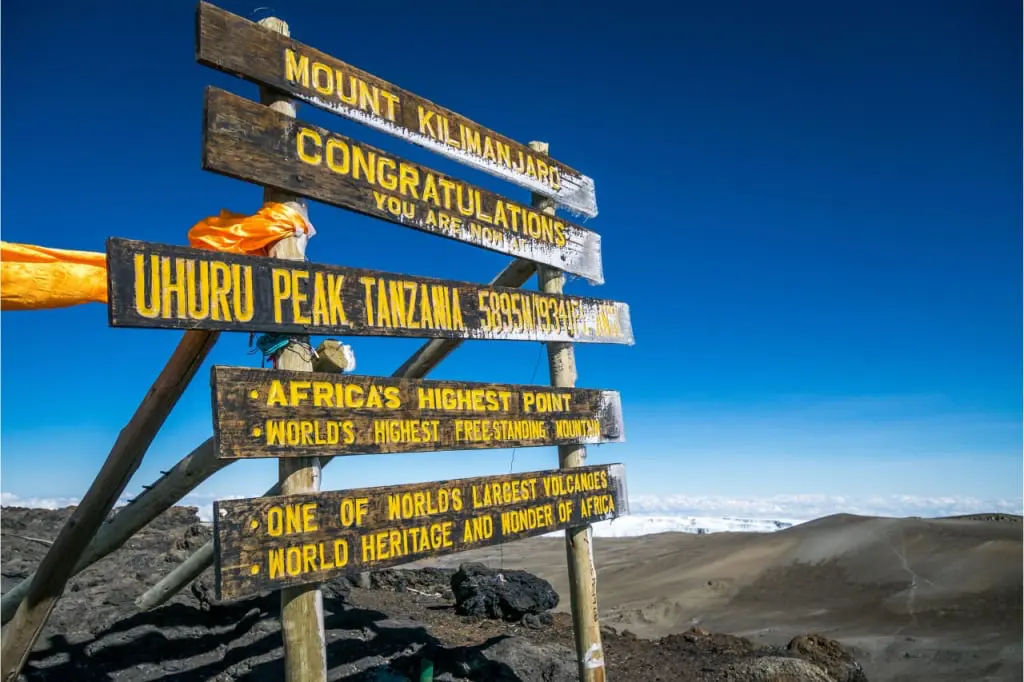
Reaching Uhuru Peak at 5,895 metres places you above the clouds on the highest point of the African continent.
Africa's rooftop. Five ecosystems. One extraordinary summit.
Rising 5,895 metres above the East African savannah, Mount Kilimanjaro is Africa's highest peak and the world's tallest free-standing mountain.
A dormant stratovolcano in northern Tanzania, it is one of the Seven Summits and among the most iconic trekking destinations on Earth — and unlike many high-altitude mountains, it requires no technical climbing experience to attempt.
The climb takes you through five entirely distinct ecological zones — from cultivated farmland and dense rainforest through open moorland, alpine desert, and finally the glaciated arctic summit.
Each day on the mountain feels like entering a different world. At Uhuru Peak, standing above the clouds on the snow-capped roof of Africa, the sense of achievement is profound and deeply personal.
Multiple established routes approach the summit — Machame, Lemosho, Marangu, Rongai, and the Northern Circuit — each offering different durations, landscapes, and acclimatisation profiles.
Choosing the right route for your fitness level, timeline, and summit goals is where expert guidance can make a critical difference to your experience.
Kilimanjaro is best approached as part of a wider Tanzania itinerary.
Route selection, acclimatisation strategy, and operator quality are important to summit planning. Speak with an experienced travel agency for Tanzania adventure before finalising your itinerary.
This experience is curated by our international travel agency in Gurgaon , with specialist trekking partners in Tanzania.
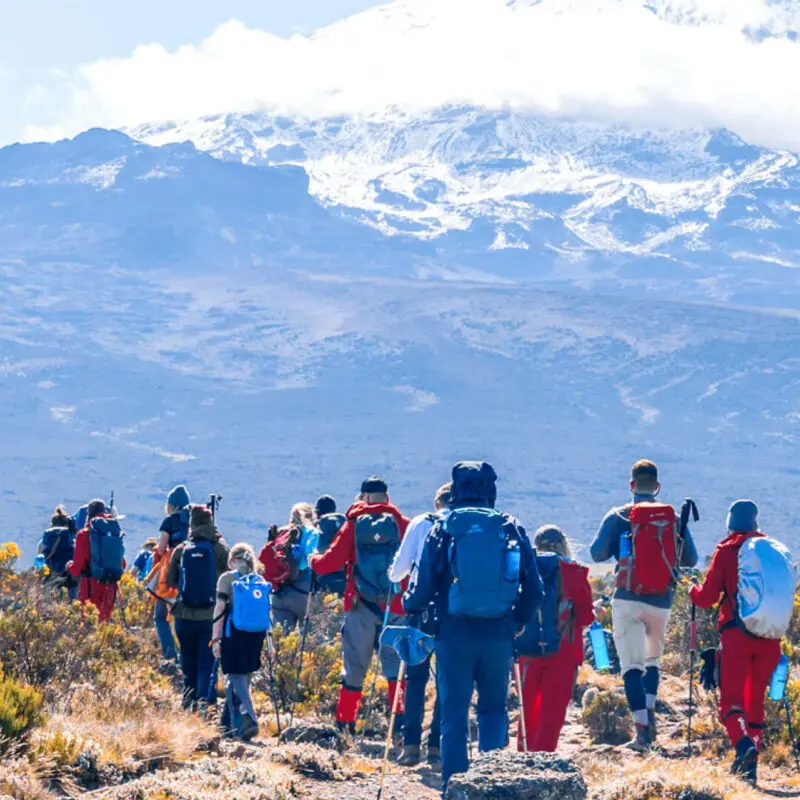
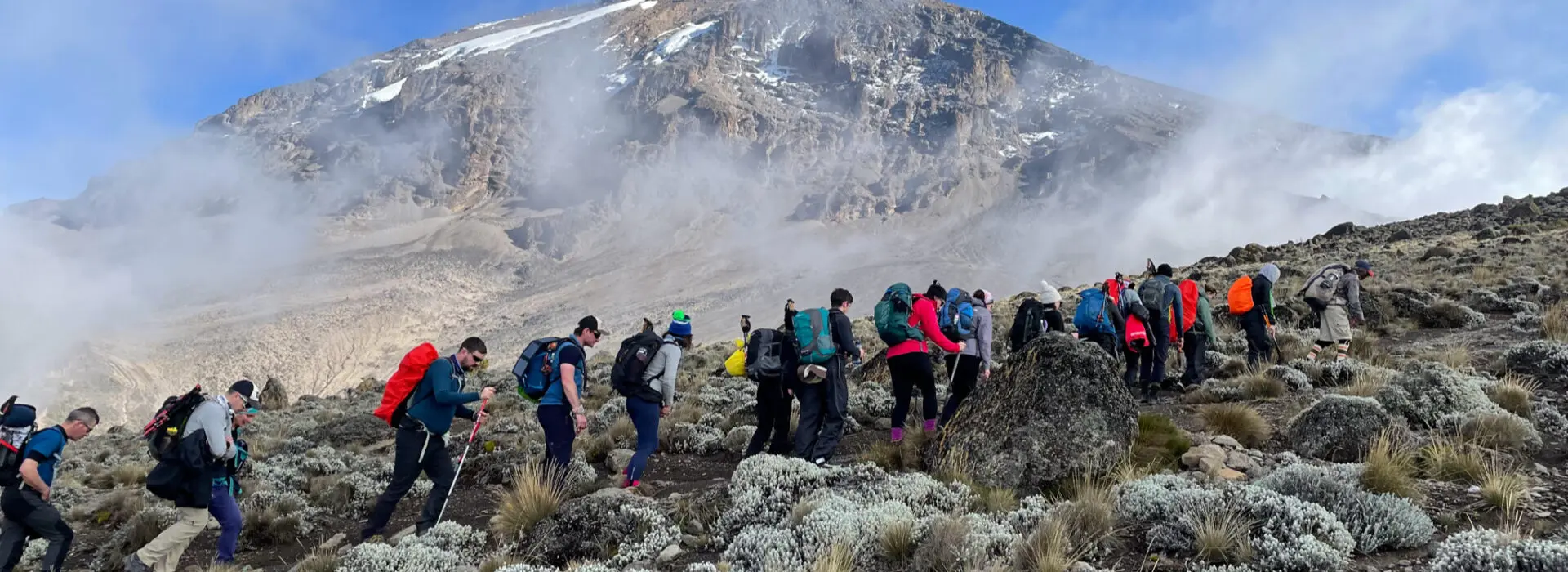
Pair your Kilimanjaro climb with a Tanzania safari or beach retreat
A dedicated summit itinerary built around route selection, acclimatisation, trekking support, and the journey to Uhuru Peak.
Explore packageFollow your mountain trek with classic Tanzania wildlife experiences across the Serengeti plains.
Explore packageCombine your summit challenge with a Tanzania safari and a relaxing Zanzibar beach extension.
Explore packageHigh-altitude adventure, dramatic ecosystems and an iconic African summit
Reaching Uhuru Peak at 5,895 metres places you above the clouds on the highest point of the African continent.
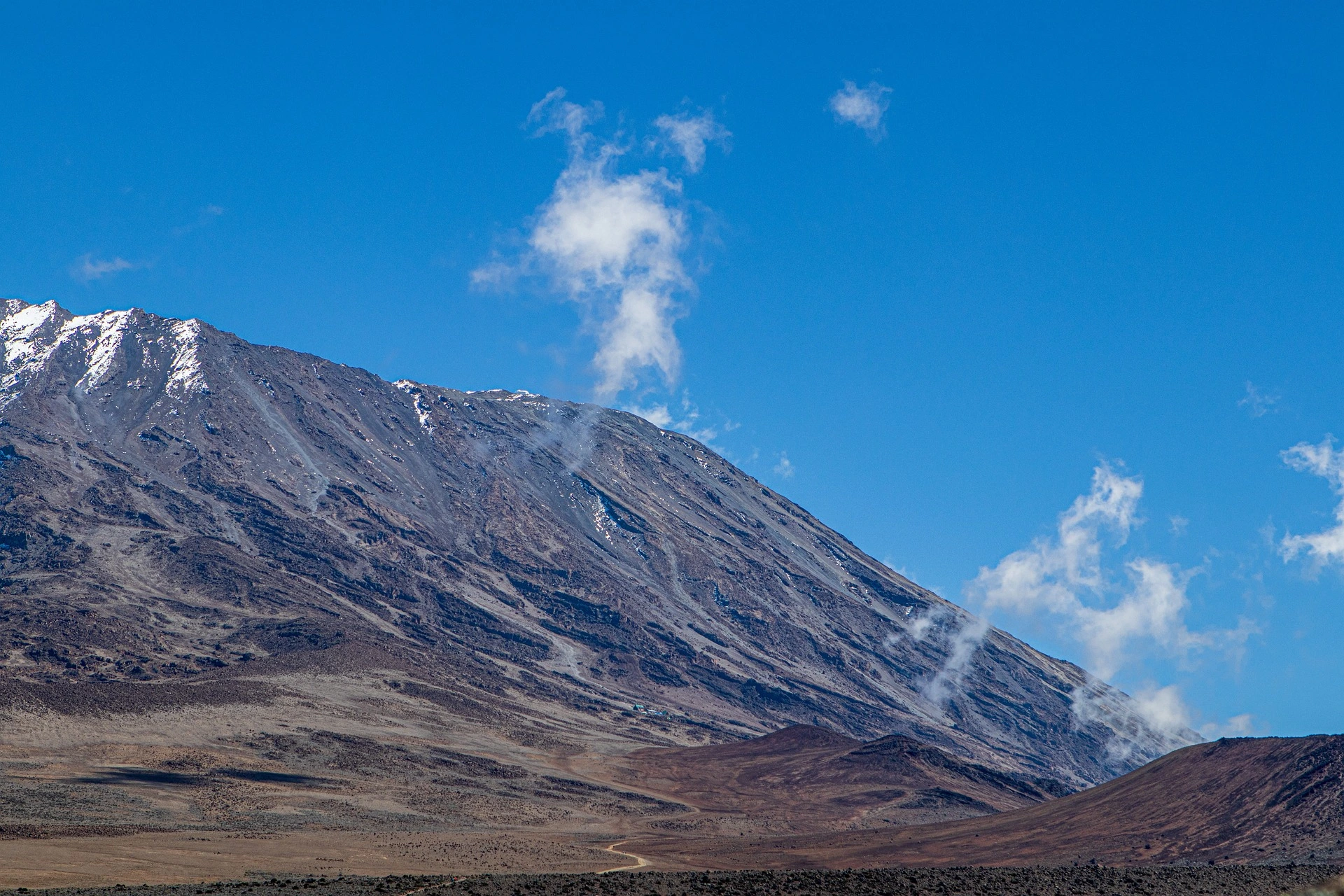
Trek from tropical rainforest through heath and moorland to alpine desert and a glaciated arctic summit.
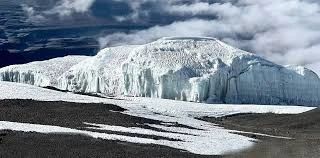
The glaciers of Kibo and sweeping views across Tanzania and Kenya create a distinctive high-altitude landscape.
Official authority for regulated trekking and conservation on Mount Kilimanjaro
TANAPA manages Kilimanjaro National Park, including climbing permits, licensed-guide requirements, conservation rules, and trail regulations.
Visit referenceWhat to expect and how to prepare for your Mount Kilimanjaro climb
Regular hiking, cardiovascular training and endurance work can help prepare you for long trekking days and sustained climbing.
January to March and June to October generally provide drier, more stable climbing conditions.
Lemosho, Machame, Marangu, Rongai and the Northern Circuit offer different durations, scenery and acclimatisation profiles.
Conditions vary significantly between the warm lower slopes and freezing high-altitude summit zone, so proper layering is essential.
Kilimanjaro climbs operate through licensed guides and official park permits. Use a properly authorised trekking operator.
Explore luxury safari stays for a post-climb extension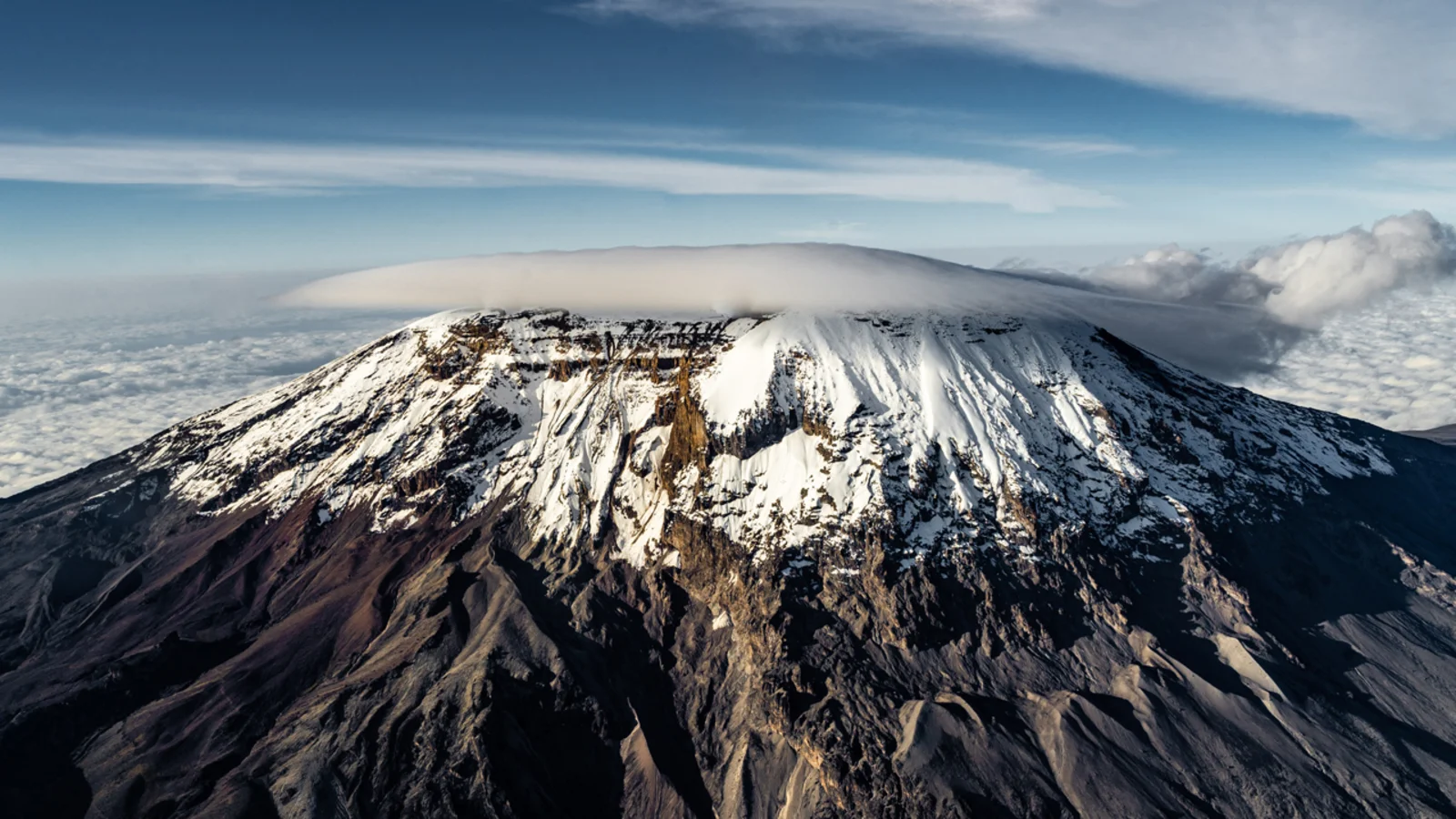 SUMMIT
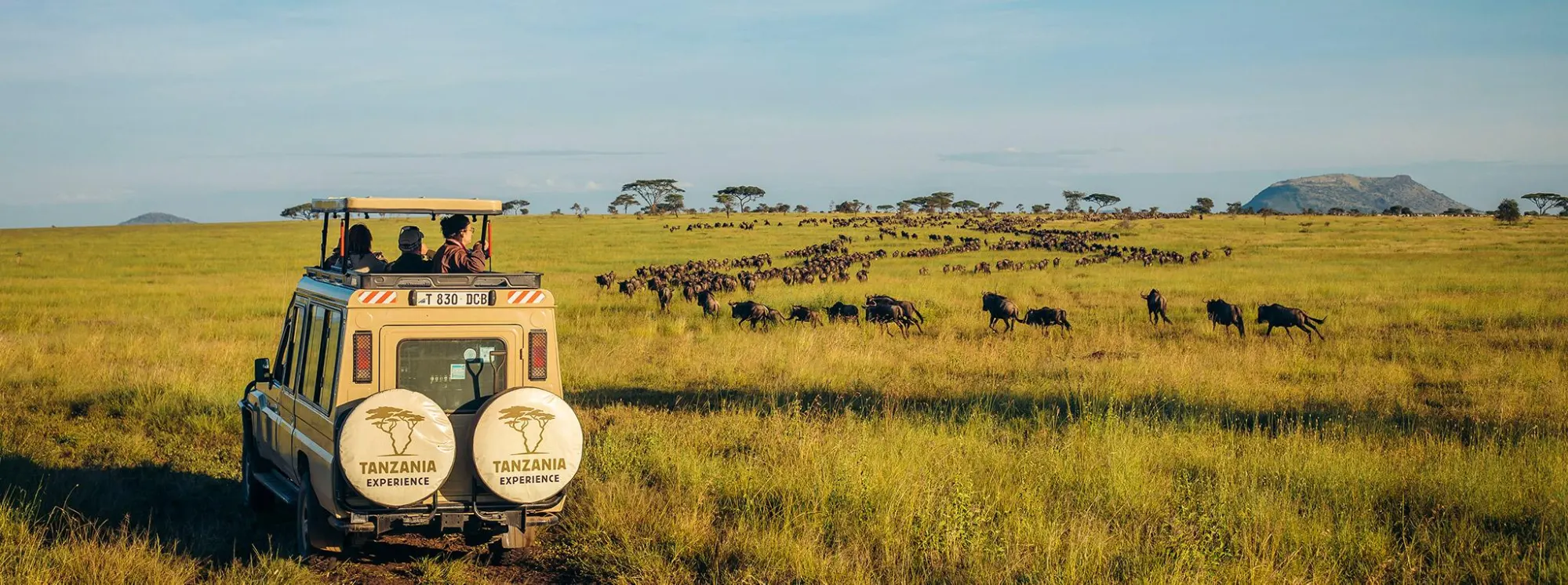 WILDLIFE
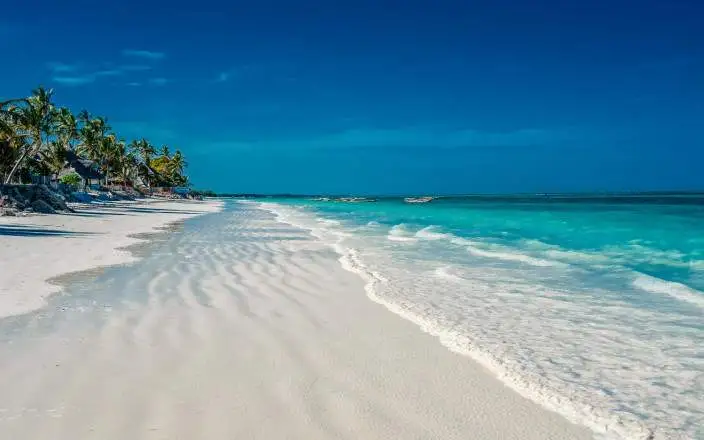 LUXURY
Mount Kilimanjaro stands at 5,895 metres above sea level and is located in northern Tanzania near Moshi. It is Africa's highest peak and the world's tallest free-standing mountain.
No. Kilimanjaro is generally climbed as a non-technical trek rather than a technical mountaineering route. Fitness, preparation and acclimatisation are the key considerations.
Route choice depends on available time, scenery preference, fitness and acclimatisation strategy. Lemosho, Machame, Rongai, Northern Circuit and Marangu all offer different climbing profiles.
January to March and June to October are generally preferred because these periods tend to offer drier trails and more stable climbing conditions.
Yes. Luxury Unlocked curates Mount Kilimanjaro climbing itineraries from India, including trekking arrangements, accommodation, permits, guides and optional Tanzania safari extensions.
Let our Tanzania specialists design a custom Kilimanjaro itinerary — selecting the right route, trekking operator, and preparation plan for your summit journey.