STONE TOWN HERITAGE WALK

Carved doors. Coral-stone lanes. A UNESCO World Heritage city built on five centuries of Indian Ocean trade.

Stone Town Heritage Walk in Zanzibar, Tanzania

Wander the labyrinthine lanes of Zanzibar's UNESCO-listed old city — where Arab, Persian, Indian, and Swahili cultures have layered centuries of history into every doorway, mosque, and market

Ornate carved wooden door in Stone Town Zanzibar Tanzania UNESCO World Heritage

Stone Town — Where the Indian Ocean's History Lives

Stone Town is one of the most remarkably preserved trading cities in the world. Built largely from coral stone and mangrove timber over five centuries of Omani Arab, Persian, Indian, and Swahili influence, its old city is a dense, labyrinthine world of narrow lanes, ornately carved wooden doors, rooftop terraces, mosques, Hindu temples, and grand merchant houses whose architecture tells the story of the Indian Ocean trade network more vividly than any museum could.

Designated a UNESCO World Heritage Site in 2000, Stone Town has retained its historic character almost entirely intact — a living, breathing city where the call to prayer echoes across coral-stone rooftops, where fishermen bring their catch to the same waterfront that once received slave-trading dhows from Arabia, and where the famous carved doors — more than 500 distinct examples remain — announce the wealth and origins of the families that commissioned them.

A guided heritage walk takes you through the most significant layers of the city: the House of Wonders, the Old Fort, the former slave market and Anglican Cathedral, the Sultan's Palace Museum, the spice and curio markets of Darajani Bazaar, and the intricate residential alleyways of the old Arab and Indian quarters — each turn revealing another century of the island's extraordinary multicultural history.

Stone Town is not simply a stop on a Zanzibar itinerary — it is the cultural and historical heart of the entire East African coast, and one of the most atmospheric walking destinations anywhere in Africa.

Navigating Stone Town's history and its most significant landmarks requires an expert local guide. Our on-ground partners arrange private guided heritage walks tailored to your interests and pace — consult a travel agency for Tanzania safari .

This experience is curated by our international travel agency in Gurgaon , with on-ground partners in Zanzibar and mainland Tanzania.

Narrow coral-stone lane in Stone Town Zanzibar Tanzania

Best Combined With

Pair your Stone Town heritage walk with a Zanzibar island experience or Tanzania safari for a complete East Africa journey

1. Luxury Safari & Beach Retreat

Explore package

2. Zanzibar Island Escape

Explore package

3. Zanzibar Beach Holiday Package

Explore package

What Makes This Experience Special

Five centuries of Arab, Indian, Persian, and Swahili culture woven into every lane, door, and rooftop of a living UNESCO city

Intricately carved wooden door Stone Town Zanzibar UNESCO heritage Tanzania

The Famous Carved Doors

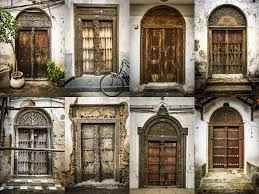
Stone Town's more than 500 surviving carved wooden doors are its most iconic feature — each one a work of craftsmanship that announced the wealth, culture, and origins of its owner. Arab doors feature rounded tops and intricate geometric patterns; Indian doors are distinguished by brass studs and horizontal planks.

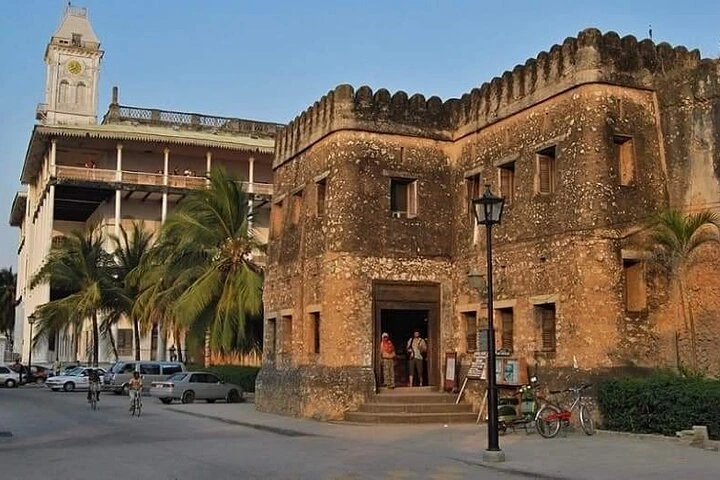
House of Wonders and Old Fort Stone Town Zanzibar Tanzania

Palaces, Forts & the Slave History

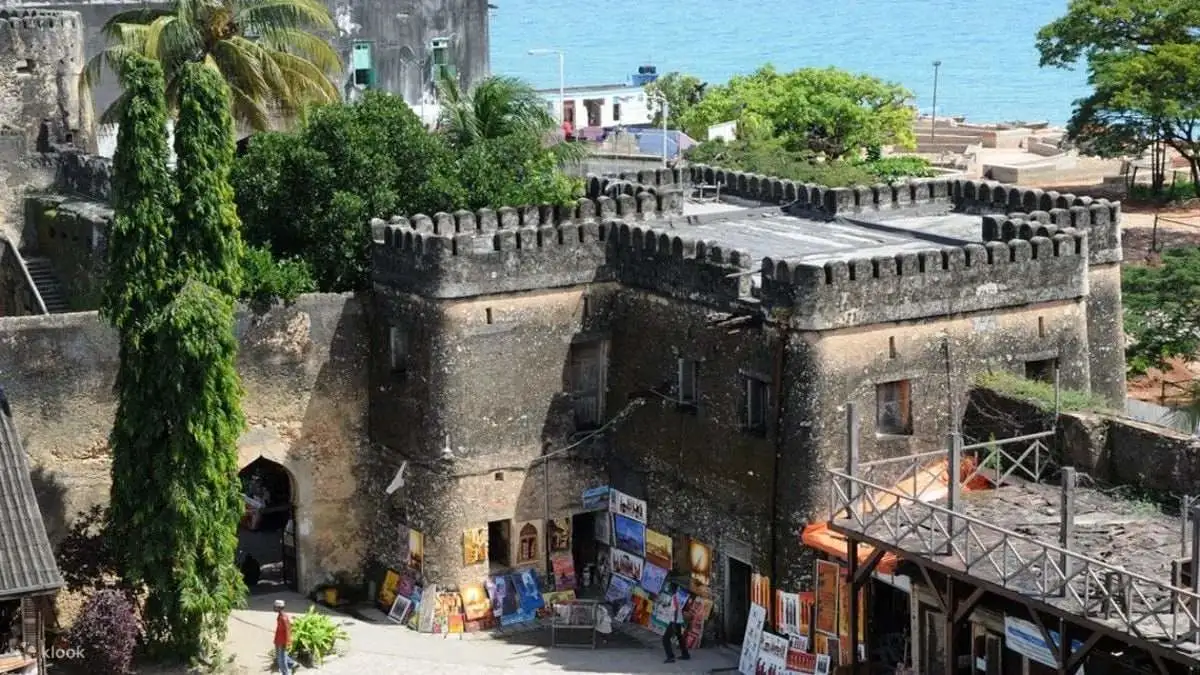
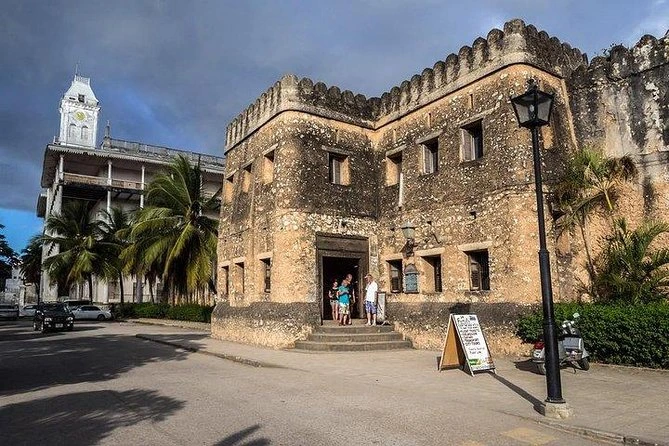
Walk past the House of Wonders — the grandest building on the East African coast in its time — the Old Arab Fort, the Sultan's Palace Museum, and the sobering Anglican Cathedral built on the site of Zanzibar's former slave market, where the history of the Indian Ocean trade is laid bare.

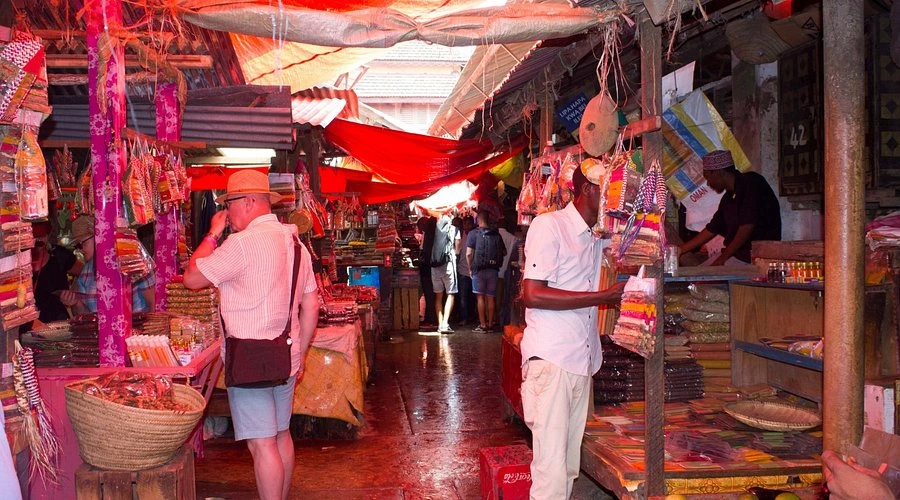
Darajani market and Forodhani waterfront Stone Town Zanzibar Tanzania

Darajani Bazaar & Forodhani Gardens

The vivid, aromatic chaos of Darajani Bazaar — Stone Town's central market — contrasts with the serene waterfront promenade of Forodhani Gardens, where dhows are anchored at the same waterfront that served as Zanzibar's historic port for five hundred years.

Heritage & Regulatory Authority

Official authority reference for UNESCO heritage protection and tourism in Stone Town

Stone Town Conservation & Development Authority (STCDA)

The Stone Town Conservation and Development Authority is the statutory body responsible for preserving the architectural and cultural heritage of Stone Town in accordance with its UNESCO World Heritage Site designation. All guided tours and heritage activities in Stone Town operate within STCDA and Zanzibar Commission for Tourism (ZCT) guidelines. Visit reference

Planning Notes

What to know before walking the lanes of Stone Town, Zanzibar's UNESCO World Heritage city

Available Year-Round

Stone Town heritage walks are available throughout the year. Early morning walks (from around 8am) are recommended for cooler temperatures, better light for photography, and a quieter, more atmospheric experience before the midday heat and tourist activity builds.

Exceptional Photography

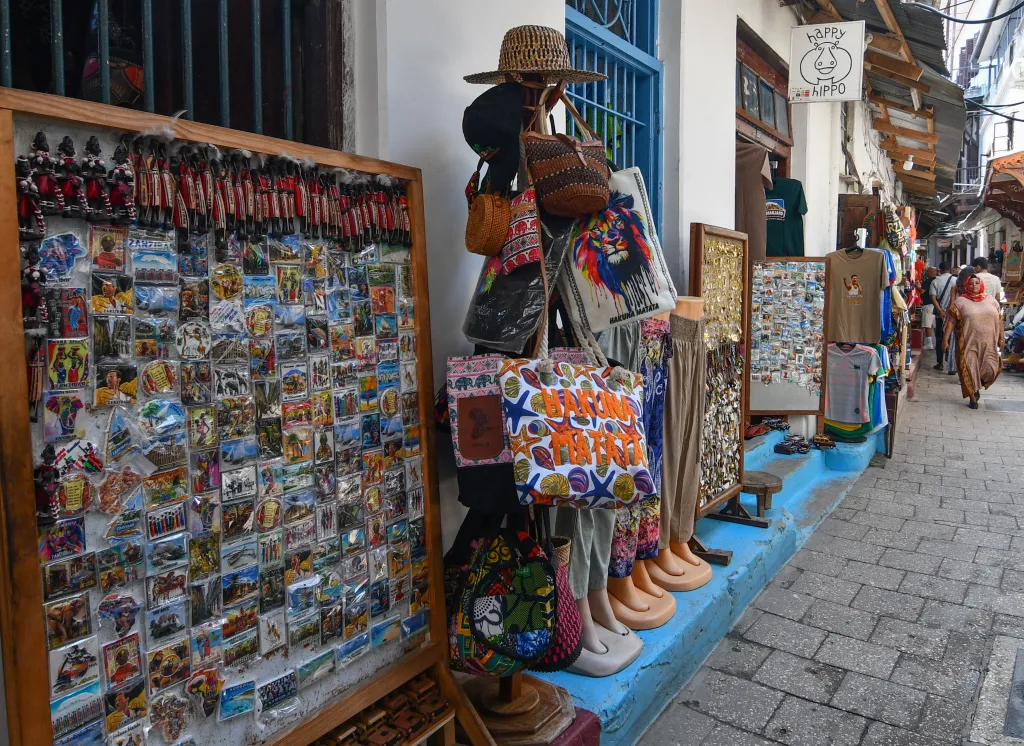
Stone Town's carved doors, coral-stone alleyways, rooftop silhouettes, and market scenes are among the most photographed urban landscapes in East Africa. The warm light of early morning and late afternoon creates the richest conditions for architectural and street photography.

Key Landmarks on the Walk

House of Wonders, Old Arab Fort, Sultan's Palace Museum (Beit el-Sahel), the former Slave Market and Anglican Cathedral, Darajani Bazaar, Forodhani Gardens waterfront, Hamamni Persian Baths, and the residential lanes of the Hurumzi and Kiponda quarters.

Private Guided Walks

A private expert guide transforms Stone Town from a pleasant wander into a deeply layered historical experience — explaining the architectural differences between Arab, Indian, and Swahili buildings, the politics of the sultans, and the human stories behind the slave trade history.

Dress Code & Local Customs

Stone Town is a predominantly Muslim city — modest dress covering shoulders and knees is respectful and expected, particularly near mosques. Licensed guides ensure culturally sensitive and historically accurate commentary throughout the walk.

Best Packages for This Experience

Luxury Safari and Beach Retreat Package Tanzania Zanzibar
LUXURY

Luxury Safari & Beach Retreat

Arusha Serengeti & Zanzibar
Zanzibar Snorkelling & Diving
Private Game Drives
Exclusive Beach Resorts
View Details
Zanzibar Tour Package
ZANZIBAR

Zanzibar Island Escape

Dar es Salaam Zanzibar
Beach & Ocean Activities
Stone Town Heritage Tour
Luxury Beachfront Stay
View Details
Zanzibar Beach Holiday Package
ZANZIBAR BEACH

Zanzibar Beach Holiday Package

Stone Town Nungwi Paje
UNESCO Stone Town Heritage
Mnemba Atoll Snorkelling
Spice Farm & Dhow Cruise
View Details

Plan Your Stone Town Heritage Walk in Zanzibar

Let our Tanzania specialists arrange a private guided heritage walk through Stone Town — tailored to your historical interests, combined with a spice farm tour, dolphin cruise, or luxury beach retreat on the island.

Contact Us

Frequently Asked Questions – Stone Town Heritage Walk in Zanzibar

What is Stone Town and why is it a UNESCO World Heritage Site?

Stone Town is the historic old city of Zanzibar, built primarily from coral stone and mangrove timber over five centuries of Indian Ocean trading activity. It was inscribed as a UNESCO World Heritage Site in 2000 in recognition of its outstanding universal value as a remarkably intact example of a Swahili trading city — one that uniquely blends Arab, Persian, Indian, African, and later European architectural and cultural influences in a still-living urban environment.

What are the main landmarks on a Stone Town heritage walk?

A guided Stone Town heritage walk typically covers the House of Wonders (Beit el-Ajaib), the Old Arab Fort, the Sultan's Palace Museum (Beit el-Sahel), the former Slave Market and Anglican Cathedral, the Hamamni Persian Baths, Darajani Bazaar, and the Forodhani Gardens waterfront. The walk also passes through the residential lanes of the Hurumzi and Kiponda quarters, where the finest carved wooden doors are concentrated.

What are Stone Town's famous carved doors?

Stone Town's carved wooden doors are its most celebrated architectural feature — more than 500 distinct examples survive across the old city. They were commissioned by wealthy Arab and Indian merchant families as expressions of status and cultural identity. Arab-style doors feature rounded arches and intricate geometric or floral carvings; Indian-style doors are identified by horizontal planks, brass spike studs (a tradition from India to deter war elephants), and chain motifs. Each door is effectively a unique work of craftsmanship and a document of the family that owned it.

When is the best time to walk Stone Town?

Stone Town can be walked year-round. Early morning — from around 8am — is the most rewarding time, offering cooler temperatures, softer light for photography, and a quieter, more atmospheric experience in the lanes before the heat and activity of midday. Late afternoon, from around 4pm, is equally pleasant and ends naturally at the Forodhani Gardens waterfront as the sun sets over the Indian Ocean.

How long does a Stone Town heritage walk take?

A comprehensive guided heritage walk of Stone Town typically takes between three and four hours, covering the major landmarks, residential quarters, and markets at a leisurely pace. A half-day walk (morning or afternoon) works well as a standalone experience or combined with a spice farm tour on the same day. The walk is largely flat and suitable for all fitness levels, though the lanes are narrow and uneven in places.

Can Indian travellers book a Stone Town heritage walk in Zanzibar?

Yes. Luxury Unlocked curates Tanzania safari and Zanzibar island packages from India that include a private guided Stone Town heritage walk. For Indian travellers in particular, Stone Town carries a special resonance — the old Indian merchant quarter, the Hindu temples, and the brass-studded Indian carved doors reflect a deep and centuries-old connection between the subcontinent and the Zanzibar coast. Our on-ground partners arrange expert local guides who bring this shared history to life.

Call Ask Expert Email WhatsApp