


Stone Town is the cultural heart of Zanzibar. It is the place that turns the island from a beautiful beach destination into a destination with memory, trade, architecture, food, faith, migration, music and layered history. For Indian travellers visiting Zanzibar in 2026, Stone Town is not just a stop for photographs, it is one of the most important reasons Zanzibar feels different from the Maldives, Mauritius or Seychelles. Walk through its history with our Zanzibar Stone Town heritage walk for a guided, in depth experience of the old city.
The narrow lanes, carved wooden doors, coral stone buildings, rooftop restaurants, old merchant houses, mosques, markets and waterfront all tell the story of a Swahili trading town shaped by Africa, Arabia, India and Europe. That Indian connection matters — in the doors, spices, merchant histories, fabrics, food and trading culture, Indian travellers often recognise elements that feel familiar while still being distinctly Zanzibari.
Many visitors make the mistake of treating Stone Town as a quick two hour excursion from a beach resort. That is enough to see a few lanes, but not enough to understand the city. Stone Town is best experienced slowly, ideally with a good local guide, time in the markets, a walk along the seafront, a rooftop meal and enough patience to notice details. For wider island planning, read our Best Places to Visit in Zanzibar guide.
Why Stone Town Is Worth Visiting in 2026
Stone Town gives Zanzibar cultural depth. Without it, many travellers experience only the resort side of the island: white beaches, pools, snorkelling and sunsets. Those are beautiful, but Stone Town explains why Zanzibar became such an important Indian Ocean destination. UNESCO recognises Stone Town as a fine example of a Swahili coastal trading town that brought together African, Arab, Indian and European influences over more than a millennium — you can feel it in the carved doors, spice shops, call to prayer, old merchant buildings, waterfront, food and market rhythm.
For Indian travellers, Stone Town works especially well because it connects with familiar ideas — spice trade, old trading families, Indian Ocean routes, rice dishes, cardamom, clove, coconut, textiles and carved wood — but places them inside a Swahili coastal setting. It is also one of the best places in Zanzibar for guided walking, street photography, local food, souvenir shopping and understanding the island beyond beaches.
How Much Time Do You Need in Stone Town?
- Half day guided visit: The minimum. Works if you are staying at a beach resort and want the main lanes, markets, waterfront and historic sites without changing hotels.
- Full day: Better. Allows a morning walking tour, lunch, shopping, sunset at the waterfront and dinner at a rooftop or seafront restaurant.
- One night: Ideal for cultural travellers. Gives you early morning lanes before day trippers arrive, evening food markets and a deeper sense of atmosphere.
- Two nights: Only needed if you are very interested in heritage, photography, food, shopping and slow city exploration.
For Indian honeymooners and families, the best structure is often one night in Stone Town followed by three to five nights at a Zanzibar beach resort.
Best Things to Do in Stone Town in 2026
1. Take a Guided Walking Tour
Best for: First time visitors, culture, history, photography
Recommended time: 2 to 3 hours
Best traveller type: Everyone visiting Stone Town for the first time
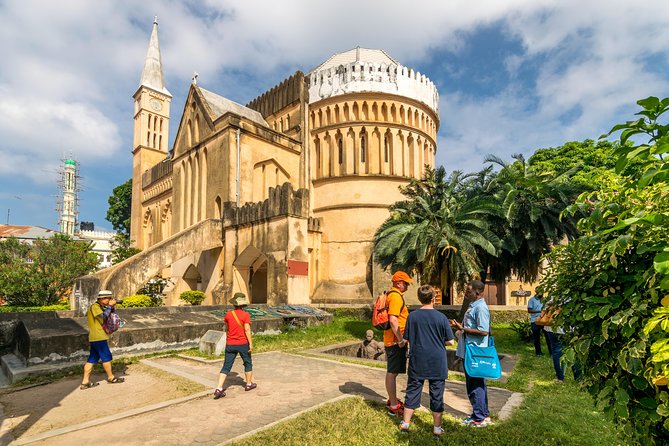
A guided walking tour is the best way to understand Stone Town. The lanes are narrow, confusing and full of detail — without a guide, many travellers only see doors and markets; with a guide, the city becomes a layered story of trade, religion, architecture, colonial history, Swahili culture and Indian Ocean movement.
A good walking tour usually includes carved doors, old merchant houses, the Old Fort area, Forodhani Gardens, local streets, market areas and key heritage landmarks. For Indian travellers, ask your guide to explain the Indian trading influence in Zanzibar — it adds important context and makes the walk more meaningful. Go in the morning or late afternoon; midday heat can make walking uncomfortable.
2. See Zanzibar's Famous Carved Doors
Best for: Architecture, photography, culture
Recommended time: Included in walking tour
Best traveller type: Design lovers, photographers, heritage travellers
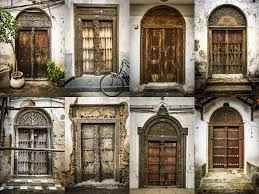
Stone Town's carved wooden doors are among its most recognisable features. They were not just decorative — they reflected wealth, identity, trade connections and cultural influence. Some doors show Arab design elements, some show Indian influence, some include brass studs, floral carving, geometric patterns and symbolic details.
For Indian travellers, the door styles can feel especially interesting because of the connection to Indian Ocean trade and South Asian craftsmanship. Many old houses belonged to merchant families whose commercial lives linked Zanzibar to India and the wider region. Do not rush through the lanes — pause at doors, notice the carvings and ask the guide to explain the differences. Stone Town's beauty is in details, not wide boulevards.
3. Visit the Old Fort
Best for: History, central location, short visit
Recommended time: 20 to 40 minutes
Best traveller type: First time visitors, families, casual history travellers
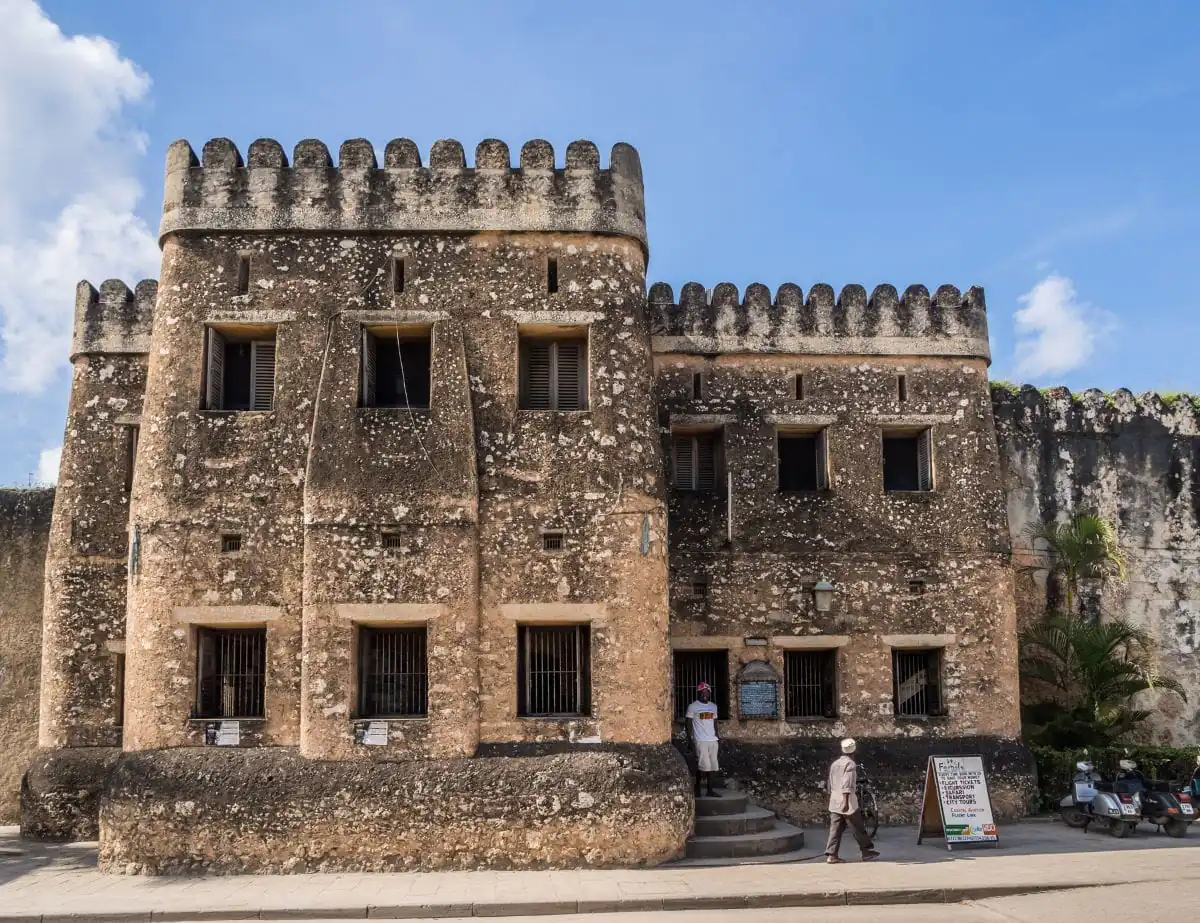
The Old Fort is one of Stone Town's most visible landmarks and a useful stop during a walking tour. Its thick walls and central position make it easy to include while exploring the waterfront and nearby lanes. Today it is often used for cultural activity, shops and public space — not a long museum style visit, but it helps travellers understand the defensive and strategic importance of Zanzibar's coast.
For families, it is an easy stop because it does not require much time. For photographers, the textures, courtyards and walls provide good frames. The Old Fort works best as part of a larger walking route rather than a standalone attraction.
4. Walk Through Darajani Market
Best for: Local life, spices, food, photography
Recommended time: 30 to 60 minutes
Best traveller type: Food lovers, culture focused travellers, photographers
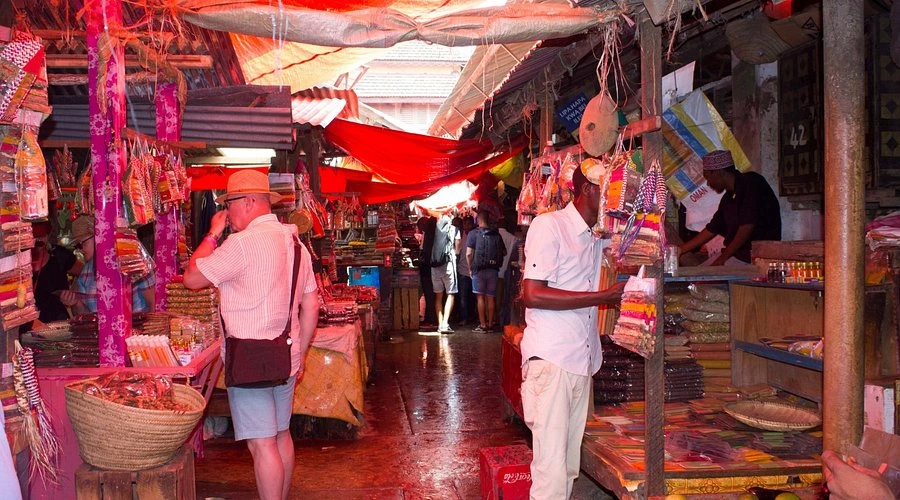
Darajani Market gives visitors a direct look at everyday Stone Town life. It is busy, colourful, aromatic and sometimes intense — spices, fruits, vegetables, fish, household goods, textiles and local trading activity. This is not a polished tourist market; it is a working market, and that is exactly why it is valuable. It shows the living city behind the heritage buildings.
For Indian travellers, the spice sections are especially interesting because many ingredients are familiar: cloves, cinnamon, cardamom, turmeric, black pepper and nutmeg. The market connects directly to Zanzibar's spice identity. Visit with a guide if possible — they can explain ingredients, help with language and make the experience smoother. Wear comfortable shoes and expect crowds.
5. Experience Forodhani Gardens in the Evening
Best for: Waterfront atmosphere, street food, sunset, local energy
Recommended time: Sunset to evening
Best traveller type: Food lovers, families, couples
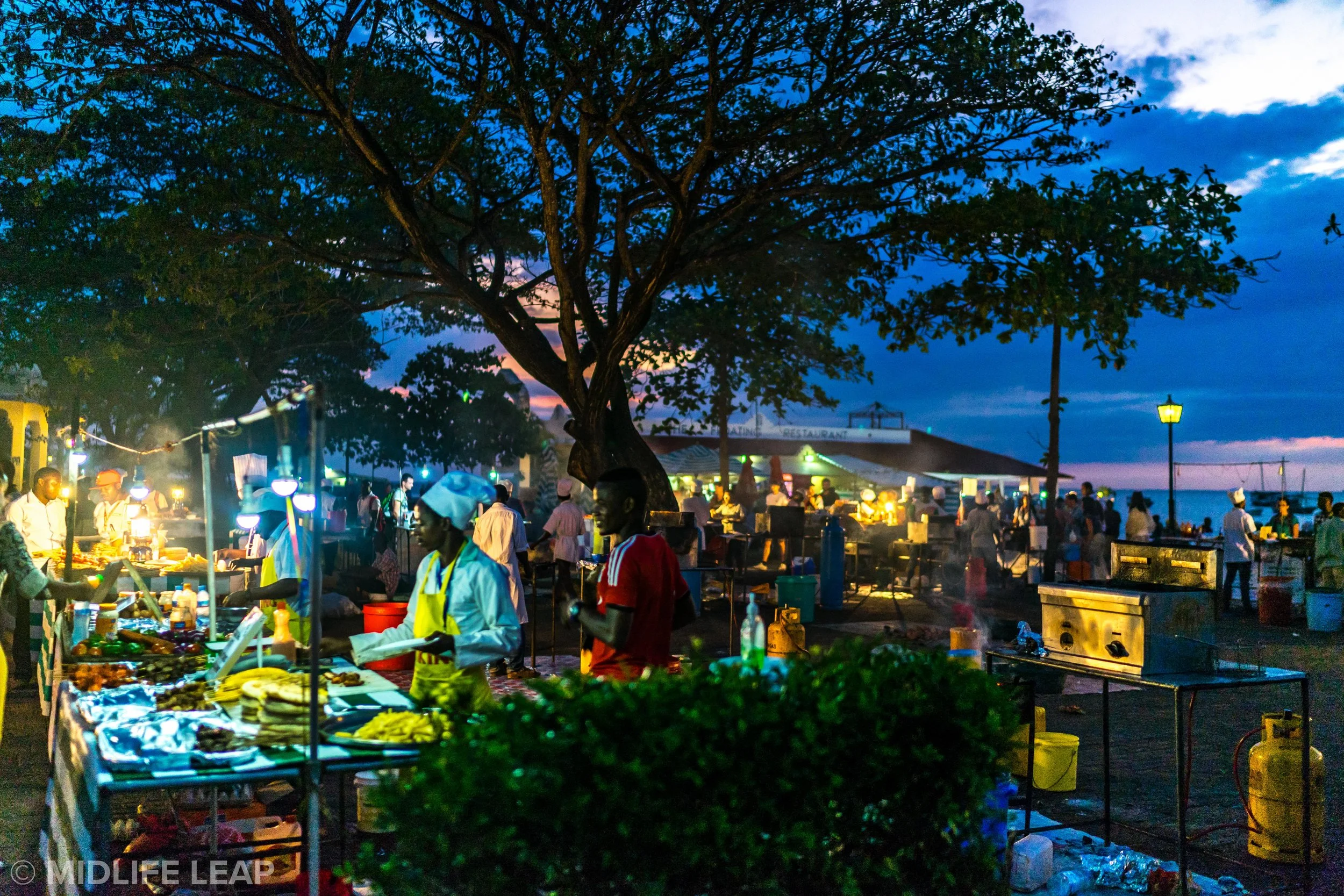
Forodhani Gardens is one of the most atmospheric evening places in Stone Town. As the sun sets, the waterfront becomes active with families, travellers, food stalls and sea breeze. The setting is lively and photogenic. The food market is popular, but travellers should be selective — choose stalls that look clean, busy and freshly prepared.
For Indian travellers, the spice aromas, grilled seafood, breads and sweet items may feel familiar but still distinctly different. The experience is more about atmosphere than fine dining. Forodhani is best combined with a late afternoon walking tour and sunset by the water.
6. Visit the Freddie Mercury House Area
Best for: Pop culture, quick stop, first time visitors
Recommended time: 10 to 20 minutes
Best traveller type: Music fans, casual visitors
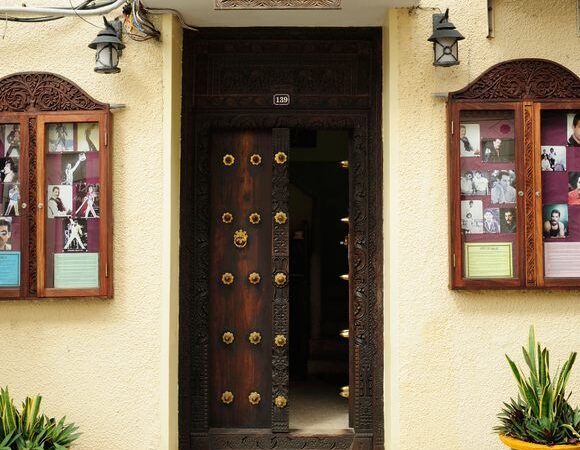
Stone Town is widely associated with Freddie Mercury, who was born in Zanzibar. Many travellers stop near the Freddie Mercury House area as part of a walking tour. This is a short stop rather than a deep cultural experience — worth seeing if you are interested in music history, but it should not be the main reason to visit Stone Town.
The real value of Stone Town remains its Swahili heritage, trade history, architecture and living culture. Include the Freddie Mercury stop as a moment of curiosity within a fuller walking route.
7. Explore the Seafront and Sunset Views
Best for: Sunset, photography, relaxed walking
Recommended time: 30 to 60 minutes
Best traveller type: Couples, families, photographers
Stone Town's seafront is one of its most beautiful areas, especially in late afternoon. Dhows, ferries, fishing boats, historic buildings and warm light create a strong sense of place. The seafront helps visitors understand Stone Town's historic relationship with the ocean — this city existed because of the sea, shaped by trade, movement, arrival, departure and exchange.
For honeymooners, a sunset walk is simple but memorable. For families, it is an easy low pressure activity. For photographers, the light between four and six in the evening is excellent. Combine the seafront walk with Forodhani Gardens as the evening begins.

8. Eat at a Rooftop Restaurant
Best for: Dinner, city views, romantic evenings
Recommended time: Evening
Best traveller type: Couples, honeymooners, luxury travellers
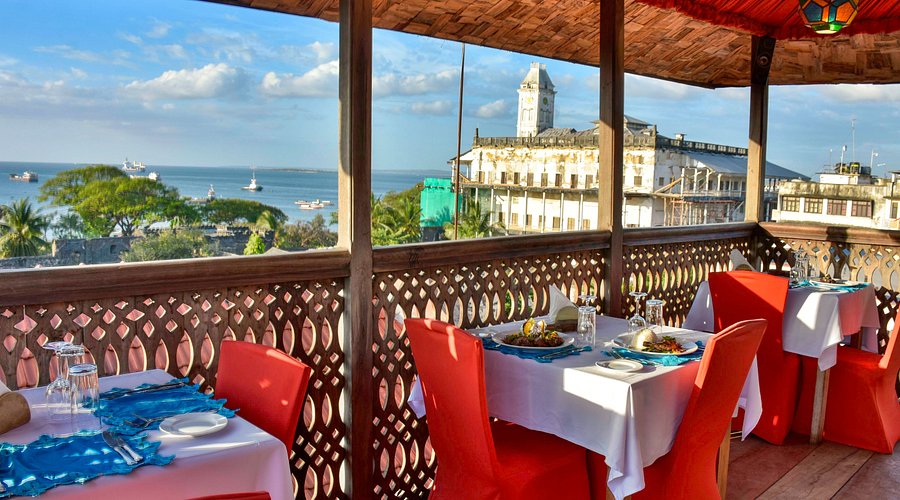
Stone Town's rooftop restaurants are one of the best ways to end a day in the city. From above, the town feels different — minarets, rooftops, sea breeze, old buildings and the call to prayer create a powerful atmosphere. For honeymooners, rooftop dining can be one of the most romantic Stone Town experiences.
Menus often include Swahili, seafood, Indian Ocean and international influences. Vegetarian meals are usually possible, but strict Jain or no onion/no garlic requirements should be communicated early. Book ahead during peak season and request sunset timing if possible.
9. Shop for Spices, Textiles and Local Crafts
Best for: Souvenirs, gifts, culture
Recommended time: 45 to 90 minutes
Best traveller type: Families, couples, shopping focused travellers
Stone Town is one of the best places in Zanzibar to shop for spices, textiles, carved items, jewellery, art, coffee, soaps and local crafts. The quality varies, so take time before buying. Spices are the most obvious purchase — cloves, cinnamon, nutmeg, black pepper and vanilla are common. Textiles and kikoi style fabrics are also popular.
Bargaining is common in many market style settings, but keep it respectful. For fixed price boutiques, do not bargain aggressively. For Indian travellers buying spices, check customs rules and packaging before carrying items home. Avoid buying shells, coral, wildlife products or anything that may create customs or conservation issues.
10. Combine Stone Town with a Spice Farm
Best for: Culture, food, family friendly learning
Recommended time: Half day with Stone Town
Best traveller type: Families, food lovers, first time visitors
A spice farm tour combines naturally with Stone Town. The city shows the trading and cultural side of Zanzibar; the spice farm shows the agricultural and sensory side. On a good spice tour, travellers see cloves, cinnamon, nutmeg, cardamom, turmeric, vanilla, pepper and tropical fruits growing. For Indian travellers, this is especially engaging because many spices are part of Indian cooking, but seeing them grow in Zanzibar adds a new layer of understanding.
Families usually enjoy spice farms because the experience is interactive — not only looking at buildings or listening to history. The best structure is a morning Stone Town tour, lunch, then a spice farm visit on the way to or from a beach resort.
Best Stone Town Itinerary Options
Half Day Stone Town Visit
Best if you are staying at Nungwi, Kendwa, Bwejuu or another beach area and only want the essentials. Include a guided walking tour, carved doors, Old Fort area, market stop and waterfront. This is enough for beach focused travellers but may feel rushed for culture lovers.
Full Day Stone Town Experience
Start with a morning walking tour, visit Darajani Market, have lunch in town, shop for spices and textiles, then stay for sunset at Forodhani Gardens. This is the best format for most Indian travellers who want culture without changing hotels.
One Night Stone Town Stay
Arrive in Stone Town, do an afternoon walking tour, enjoy sunset and rooftop dinner, then visit the market early next morning before transferring to the beach. This is the best option for honeymooners, photographers and travellers who want atmosphere.
Stone Town + Spice Farm + Beach Transfer
One of the most practical combinations — visit Stone Town, stop at a spice farm, then continue to your beach resort. Works well when moving from Zanzibar Airport or ferry area to the north or east coast.
Where to Stay in Stone Town
For luxury travellers, Park Hyatt Zanzibar is the most polished option because it combines beachfront position, heritage buildings and walkable access to Stone Town. For heritage focused travellers, smaller boutique hotels inside the old town can be atmospheric, but rooms may vary in size, access and modern comfort. For families, choose a property with easy vehicle access, reliable air conditioning and comfortable room layouts — some old town lanes are not ideal for heavy luggage. For honeymooners, choose either a heritage boutique stay for atmosphere or a waterfront luxury hotel for comfort. Most travellers need only one night in Stone Town before moving to a beach resort.
Best Food Experiences in Stone Town
Stone Town's food reflects Zanzibar's trade history. Expect seafood, rice dishes, coconut, spices, grilled meats, chapati style breads, tropical fruits and Indian Ocean flavours. For casual food, Forodhani Gardens is the most famous evening stop. For a more comfortable experience, choose a rooftop restaurant or seafront dining spot. For local flavour, guided food walks can be worthwhile.
Vegetarian travellers can usually find options, but strict Jain, vegan and no onion/no garlic requirements need clear explanation — Indian travellers should not assume every "vegetarian" dish follows Indian vegetarian expectations. Try spiced tea, fresh juices, coconut based dishes, pilau style rice, tropical fruits and carefully selected Forodhani evening food. Food hygiene matters; choose busy, clean places and avoid over experimenting if you have a sensitive stomach.
What to Buy in Stone Town
The best purchases are spices, coffee, textiles, carved wooden items, handmade soaps, jewellery, art and small decorative pieces. Spices are the most meaningful because they connect directly to Zanzibar's identity — cloves are especially important historically, but cinnamon, cardamom, nutmeg, vanilla and pepper are also popular. Textiles make practical gifts and are easy to pack. Artwork and carved items should be checked for quality and legal export concerns if made from sensitive materials. Avoid buying shells, coral, wildlife products or anything that may create customs or conservation issues. Ask for proper packaging if carrying spices or fragile items back to India.
Safety, Dress Code and Practical Etiquette
Stone Town is generally manageable for tourists, but standard caution applies. Keep valuables secure, avoid flashing expensive jewellery, use trusted guides and avoid poorly lit lanes late at night. Zanzibar is culturally conservative outside beach resorts — dress modestly in Stone Town. For women, covered shoulders and knee length or longer clothing are respectful. For men, avoid walking through town shirtless or in only beachwear. Ask before photographing people closely, and do not photograph religious spaces, private homes or market vendors without permission. During Ramadan or religious periods, be especially respectful with dress and public behaviour.
Best Time to Visit Stone Town in 2026
The best months are June to October and December to February, which also align well with Zanzibar beach stays and Tanzania safari seasons. Morning is the best time for walking tours because the light is soft and heat is lower. Late afternoon is good for photography, waterfront walks and sunset. Midday can be hot and tiring inside narrow lanes — plan indoor stops, lunch or shaded market sections if visiting at midday. Evening is best for Forodhani Gardens, rooftop dining and waterfront atmosphere.
Combining Stone Town with Tanzania Safari and Zanzibar Beaches
The best travel sequence for Indian travellers is usually: Tanzania safari first, then Zanzibar, then Stone Town either at the beginning or end of the island stay.
If you arrive in Zanzibar from Serengeti, you can spend one night in Stone Town before moving to the beach — this works well if your flight arrives in the afternoon. If you prefer to relax immediately after safari, go directly to the beach resort and visit Stone Town as a day trip later. For short Zanzibar stays of three nights, keep Stone Town as a half day visit. For five or more nights, consider one night in town.
What Indian Travellers Should Know
Indian passport holders need a Tanzania visa for Zanzibar because Zanzibar is part of the United Republic of Tanzania. Apply through the official Tanzania eVisa system before departure. Flights from India usually connect through Dubai, Doha, Addis Ababa or Nairobi. For safari and beach trips, many travellers arrive into Kilimanjaro and depart from Zanzibar. Vegetarian food is available in Stone Town, but strict dietary rules must be explained clearly. Stone Town is not a beach resort environment — dress modestly, walk with a guide, carry cash for small purchases and avoid rushing the visit.
Why Visit Stone Town with Luxury Unlocked?
Luxury Unlocked helps Indian travellers experience Stone Town as part of a complete Zanzibar or Tanzania safari and beach itinerary. We plan the city visit around your arrival timing, beach location, food preferences, family needs and cultural interests.
We help arrange guided walking tours, spice farm visits, rooftop dining, private transfers, heritage stays, beach extensions and Tanzania safari combinations. Whether you want one night in Stone Town, a half day cultural visit from your resort or a full Zanzibar itinerary with Serengeti and Ngorongoro, our specialists design the route around your travel style.
Explore our Zanzibar tour package or contact Luxury Unlocked to plan your 2026 Tanzania safari and Zanzibar journey.
Stone Town Zanzibar 2026 – FAQs
Yes. Stone Town is essential if you want to understand Zanzibar's culture, history, food and architecture. It adds depth to a beach holiday and gives the island a dimension that no resort beach can replicate. For Indian travellers especially, the connection to Indian Ocean trade history, spice routes, merchant culture and familiar ingredients makes Stone Town particularly meaningful.
A half day guided tour is the minimum for beach focused travellers. A full day is better and allows a walking tour, market visit, shopping and evening at Forodhani Gardens. One night is ideal for cultural travellers, photographers and honeymooners who want early morning lanes and rooftop dining. Two nights is only needed for travellers deeply interested in heritage, food and slow exploration.
Yes. Stone Town of Zanzibar is a UNESCO World Heritage Site recognised for its outstanding example of a Swahili coastal trading town that brought together African, Arab, Indian and European cultural influences over more than a millennium. Its architecture, carved doors, coral stone buildings and historic trading identity are all part of this recognition.
The best things to do in Stone Town include a guided walking tour, viewing the carved wooden doors, visiting Darajani Market, stopping at the Old Fort, experiencing Forodhani Gardens at sunset, eating at a rooftop restaurant, shopping for spices and textiles, and combining the visit with a spice farm tour. A seafront walk at late afternoon and early morning lanes before day trippers arrive are particularly atmospheric.
Yes. Indian travellers often find Stone Town especially interesting because of its historic Indian Ocean trade links, spices, architecture, food and merchant history. The carved doors, spice markets, rice dishes, coconut based food, textiles and trading culture all have connections to Indian Ocean history that feel familiar yet distinctly Zanzibari.
Stay one night if you enjoy culture, food, photography and city atmosphere. One night gives you early morning lanes before crowds arrive, an evening at Forodhani Gardens and rooftop dining. If your trip is primarily beach focused, a half day or full day visit from your beach resort is usually enough. For honeymooners, one night in Stone Town followed by beach time is a popular and effective structure.
Stone Town is generally manageable for tourists, but standard caution applies. Keep valuables secure, avoid flashing expensive jewellery and use trusted guides. Avoid poorly lit lanes late at night and stick to areas with other travellers and activity. Walking with a good guide makes the experience both safer and more informative.
Dress modestly. Covered shoulders and knee length or longer clothing are recommended, especially in markets, lanes, mosques and cultural areas. Zanzibar is culturally conservative outside beach resorts. Men should avoid walking through town shirtless or in beachwear. During Ramadan or other religious periods, be especially respectful with dress and public behaviour.
Yes. Stone Town can be visited as a day trip from Nungwi or Kendwa, though travel time should be planned properly. The drive from the north coast to Stone Town typically takes 45 to 75 minutes depending on road conditions and traffic. A private transfer is more comfortable than shared transport. Allow at least five to six hours in town to make the round trip worthwhile.
Try spiced tea, fresh tropical fruit juices, pilau style rice, coconut based dishes, chapati style breads and carefully selected Forodhani Gardens evening food. Grilled seafood is popular if you eat fish. The food reflects Zanzibar's Indian Ocean trade history — spice forward, coconut rich and varied. Choose clean, busy stalls and be selective if you have a sensitive stomach.
Yes, vegetarian options are available in Stone Town, but Indian vegetarian, Jain or no onion/no garlic requirements must be explained clearly. Do not assume every "vegetarian" dish meets Indian vegetarian expectations. At hotels and curated restaurants, communicate requirements in advance. At market stalls, ask specifically about ingredients. Rooftop restaurants generally have more flexibility than casual market food.
Yes. Stone Town and a spice farm make an excellent cultural combination, especially for Indian families and first time Zanzibar visitors. Stone Town shows the trading and cultural side of the island; the spice farm shows the agricultural and sensory side. The best structure is a morning Stone Town tour, lunch, then a spice farm visit on the way to or from a beach resort. Families with children enjoy spice farms particularly because the experience is interactive and sensory.