
Best Time to Visit Masai Mara in 2027
Choosing when to go shapes your whole Masai Mara safari. Wildlife movement, weather, crowds, lodge rates and even the daily park fee change through the year, so timing is one of the most important planning decisions you will make. This guide explains what the Mara is famous for in each season, gives a one-glance annual overview and a month-by-month breakdown, and covers the entry rules Indian travellers need to know, so you can decide when to travel based on what you want to see, feel and spend.
If you are new to safari travel, it helps to first understand the geography, wildlife zones and seasonal movement patterns of the Masai Mara destination before choosing your season.
Safari timing decisions are often guided by the experience of a trusted travel agency for Africa .
If you’re planning this from NCR, working with an experienced international travel agency in Gurgaon helps avoid visa, flight, and lodge selection mistakes.
The seasonal patterns below repeat every year, so this guide works just as well for planning a 2027 safari. Two practical changes matter for your budget and paperwork:
- The reserve fee doubles in the second half of the year: $100 per non-resident adult per day from January to June, and $200 per day from July to December, set by the Narok County Government.
- Indian travellers need a Kenya eTA and a yellow fever certificate. Without the certificate you can be quarantined when you return to India.
When Is the Best Time to Visit Masai Mara?
Masai Mara offers rewarding wildlife viewing throughout the year, but the best month depends on your priorities, budget and tolerance for rain or crowds.
Masai Mara’s Three Most Famous Safari Seasons
Before looking at individual months, it helps to understand why people travel to the Mara. The reserve is known for three distinct safari experiences, each tied to a season.
The Big Draw: Migration Season (July – October)
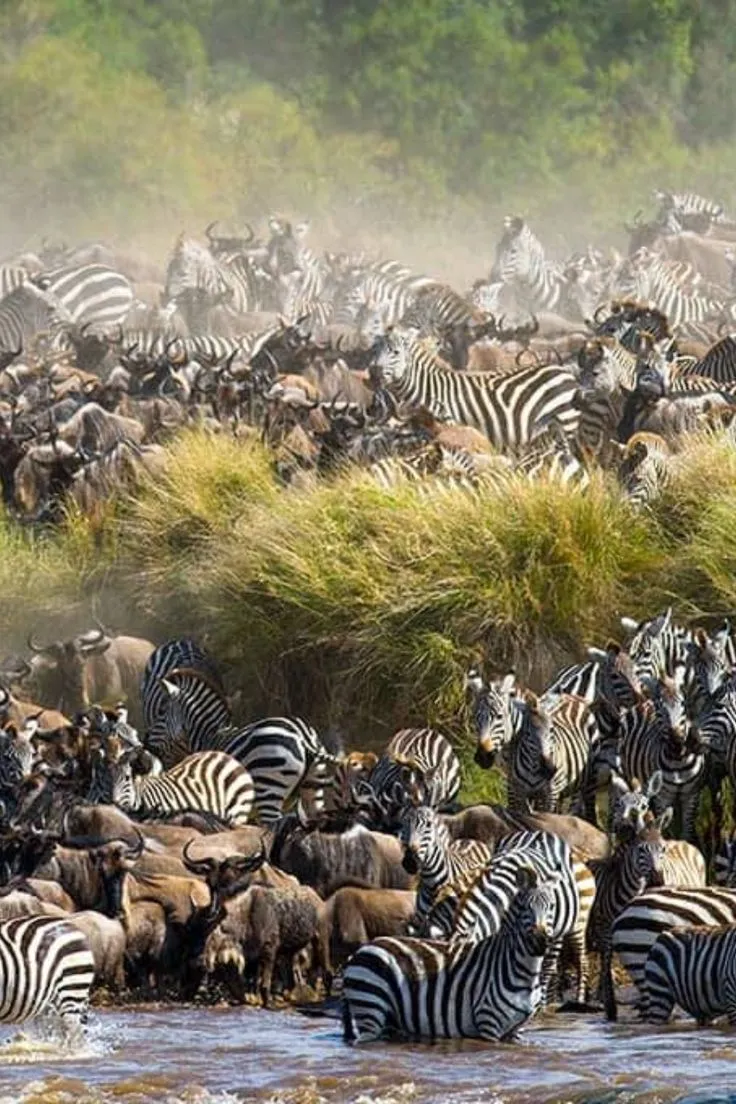
This is the Mara’s most famous period. Vast herds of wildebeest and zebra move north from Tanzania’s Serengeti into the Mara ecosystem, followed closely by predators. Herds usually arrive in July and stay into October, with August and September generally the peak months for river crossings (Discover Africa).
Why travellers come
- Possible Mara River crossings
- Dramatic predator–prey interactions
- Dry conditions and open grasslands
Timing shifts by a few weeks each year depending on rainfall, so a stay of three nights or more improves your odds of seeing a crossing. For this year’s movement patterns, see Great Migration Dates in 2027 .
Big Cat Time: January – February
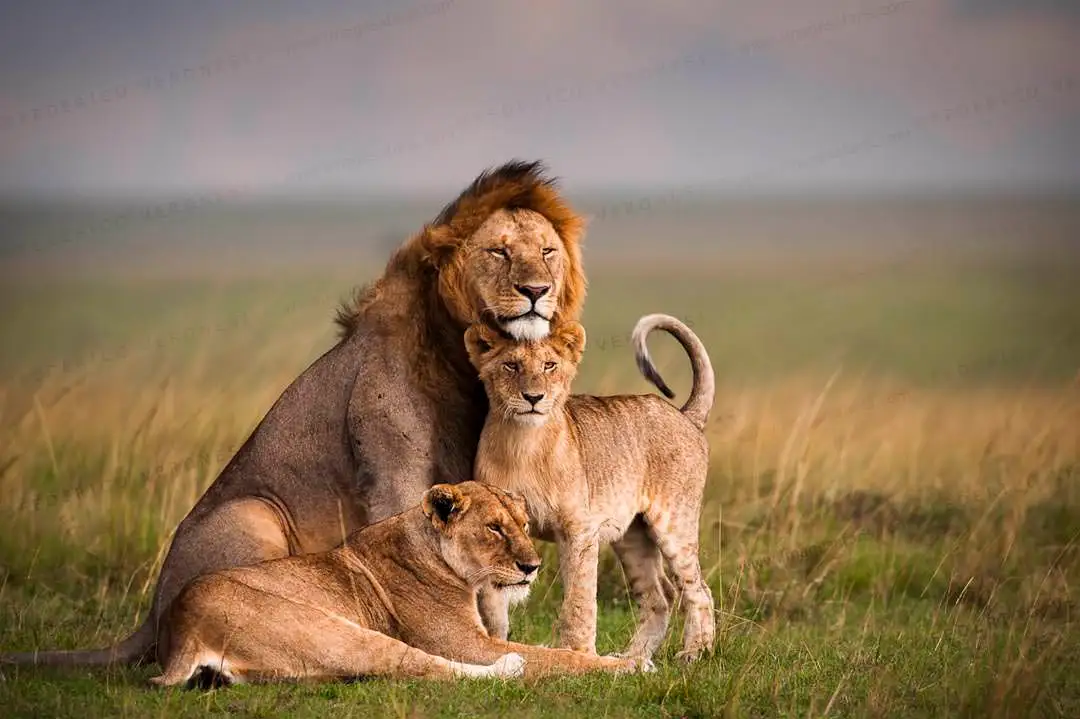
The migration herds are back in the Serengeti at this time of year (that is where the wildebeest calve, around January–February), but the Mara’s resident wildlife stays put. This dry spell between the short and long rains is one of the best times to watch predators.
Why travellers come
- Resident lions, cheetahs and leopards, which are easier to spot in the short grass
- Good general game: elephants, giraffes, buffalo, topi and resident plains game
- Warm, mostly dry days with far fewer vehicles than in August
- The lower $100 daily reserve fee (January–June)
Many experienced safari planners consider this the best overall balance of wildlife, comfort and cost, especially when paired with luxury Masai Mara safari packages .
The Photographer’s Delight: The Green Season (late March – May)
These are the long rains, with April usually the wettest month. The Mara turns lush and green.
Why travellers come
- Dramatic skies and fresh landscapes
- Excellent birdlife
- Very low visitor numbers and the year’s best lodge rates
Rain usually falls as afternoon or evening downpours rather than all day, which makes this season good for slow-paced and photography-focused trips. Some roads get muddy, and a number of camps close for part of April and May, so check availability early.
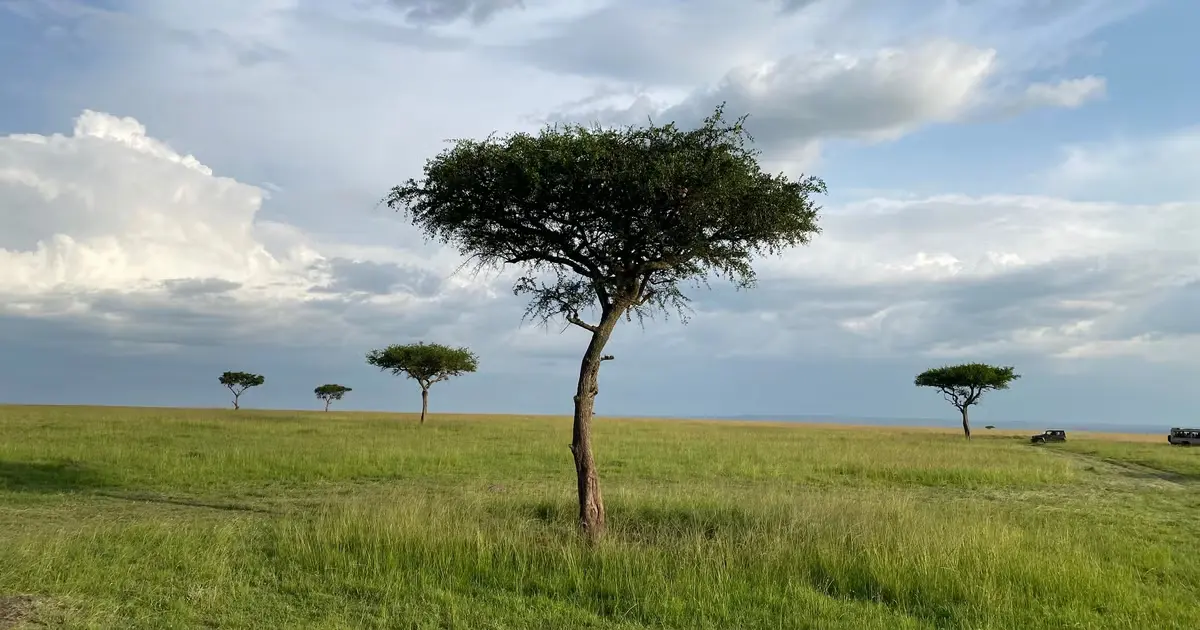
Masai Mara Year at a Glance
| Months | Weather & Experience | Crowds | Reserve Fee (non-resident adult / day) |
|---|---|---|---|
| January & February | Mostly dry and warm; excellent resident wildlife and big cats | Low | $100 |
| March | Warm; long rains usually begin in the second half of the month | Low to moderate | $100 |
| April & May | Long rains (April wettest), green landscapes, some camps closed, lowest lodge rates | Very low | $100 |
| June | Drying out, cool mornings; early migration herds may arrive late in the month | Low to moderate | $100 |
| July – October | Dry season and migration; river crossings most likely in August and September | High to very high | $200 |
| November & December | Short rains, usually as brief showers; peak lodge rates over Christmas–New Year | Low (Nov), high (late Dec) | $200 |
Children aged 9–17 pay $50 per day all year. Fees are set by the Narok County Government and are usually included in safari package prices; confirm current rates before you travel.
Dry Season vs Rainy Season in Masai Mara
Dry Season (June – October, plus a drier spell in January – February)
Why it’s good
- Easier wildlife spotting in shorter grass and around water
- Dry roads and comfortable game drives
- Best chance of migration sightings (July–October)
Why it can be challenging
- Higher lodge rates and the reserve fee from July
- More safari vehicles at crossing points in peak months
- Popular lodges book out early
Rainy Seasons (late March – May and November – December)
Why it’s good
- Fewer visitors
- Lower lodge rates, especially in April and May
- Lush scenery and strong birdlife
Why it can be challenging
- Rain can shorten or reroute some drives
- Some camps close temporarily in April–May
- November–December still carries the daily reserve fee
What to Expect in Masai Mara: Month by Month
January & February: Great for Big Cats
- Weather: Warm, mostly dry with occasional showers
- Wildlife: Excellent resident predators and plains game
- Crowds: Low
- Reserve fee: $100 per adult per day
- Best for: Wildlife enthusiasts, photographers, honeymooners
March: Transition Period
- Weather: Warm; long rains usually start in the second half of the month
- Wildlife: Still strong, good predator activity
- Crowds: Low to moderate
- Reserve fee: $100
- Best for: Travellers seeking value with good game viewing
April & May: Wettest Period
- Weather: Long rains, lush greenery; April is usually the wettest month
- Wildlife: Resident animals, outstanding birdlife
- Crowds: Very low; some camps closed
- Reserve fee: $100
- Best for: Budget-conscious travellers, photographers, flexible itineraries
June: Start of the Dry Season
- Weather: Drying out, cool mornings
- Wildlife: Improving visibility; in some years the first migration herds arrive late in the month
- Crowds: Low to moderate
- Reserve fee: $100 (the last month before the fee doubles)
- Best for: Families on Indian summer holidays, relaxed safaris
July – October: Safari Prime Time
- Weather: Dry, mostly clear skies, cool early mornings
- Wildlife: Migration herds; crossings most likely August–September
- Crowds: High to very high
- Reserve fee: $200
- Best for: First-time safari travellers, migration seekers
November & December: Short Rains
- Weather: Short rains, usually brief afternoon showers
- Wildlife: Resident wildlife remains strong
- Crowds: Low in November; busy over Christmas–New Year
- Reserve fee: $200
- Best for: Diwali-break and festive trips; November for value on lodge rates
Weather in Masai Mara
The Mara sits at roughly 1,500–2,100 metres above sea level, so it is cooler than most people expect so close to the equator.
- Daytime highs: around 24°C – 28°C for most of the year
- Early mornings: often 10°C – 14°C, coldest in June–August, which is when most game drives start. Pack a warm fleece or jacket.
- Rainfall: long rains from late March to May (April wettest); short rains in November–December; driest from June to October
Monthly figures vary by location within the reserve; Governors’ Camp publishes a useful month-by-month weather guide from inside the Mara.
Does the Best Time Affect Safari Cost?
Yes, in two ways: lodge rates and the reserve fee. Indicative costs per person:
- Peak season (July–October): Highest lodge rates and the $200 daily reserve fee (about ₹19,200 at ₹96 to the dollar). A three-night stay inside the reserve adds roughly $600 per adult in fees alone.
- January–March: The best value-to-experience ratio, with the $100 daily fee (about ₹9,600).
- April–May: The lowest lodge rates and quietest parks, but fewer camps open.
- Late June tip: Some years the first herds arrive before 1 July while the fee is still $100, which can halve your park fees. Sightings are not guaranteed this early.
- Hot air balloon safari: Typically $450–600 per person in any season, usually with a bush breakfast. Book early for August–September.
Two details that catch people out: a reserve ticket covers one daytime visit, not 24 hours, so staying at a camp outside the reserve means paying the fee each day you enter. And private conservancies bordering the reserve (such as Mara North, Olare Motorogi and Naboisho) charge their own fees, usually included in the camp rate, but in return limit vehicle numbers and allow night drives and guided walks that the main reserve does not.
Cost considerations for Indian travellers are explained in our Masai Mara Cost from India in 2027 planning guide.
Getting to Masai Mara From Your City
Every Mara safari from India starts with a flight to Nairobi. Mumbai is the only Indian city with regular non-stop flights (Kenya Airways and IndiGo, around 6 hours 15 minutes) (FlightsFrom). From other cities you connect once. From Nairobi, a light aircraft from Wilson Airport takes about 45–60 minutes to a Mara airstrip, or the drive takes roughly 5–6 hours. Peak-season seats (July–October and the Diwali and Christmas holidays) sell out early, so book flights as soon as your dates are fixed.
| Departure City | Typical Routing to Nairobi | Our Packages |
|---|---|---|
| Mumbai | Non-stop with Kenya Airways or IndiGo | Masai Mara tour from Mumbai |
| Delhi NCR | One stop, usually via Mumbai, Addis Ababa or a Gulf hub | Masai Mara tour from Delhi |
| Bangalore | One stop via Mumbai, Addis Ababa (Ethiopian) or a Gulf hub | Masai Mara tour from Bangalore |
| Hyderabad | One stop via Addis Ababa (Ethiopian, since 2025), Mumbai or a Gulf hub | Masai Mara tour from Hyderabad |
| Kolkata | One stop via Mumbai, Delhi or a Gulf hub; usually the longest journey | Masai Mara tour from Kolkata |
Before You Go: Entry and Health Requirements for Indian Travellers
- Kenya eTA: Indian passport holders need an Electronic Travel Authorisation before flying. Apply only on the official portal, etakenya.go.ke. The standard eTA costs about $30–34 including processing charges and usually takes up to three working days; apply at least two weeks before travel. Your passport should be valid for at least six months.
- Yellow fever vaccination: India requires a valid yellow fever certificate from everyone arriving from Kenya (High Commission of India, Nairobi). Get vaccinated at a government-authorised centre at least 10 days before departure and carry the original certificate, as copies are not accepted. Travellers without one can be quarantined for up to six days on return (Ministry of Health, Government of India). One dose is valid for life.
- Malaria: The Mara is a malaria-risk area. Speak to your doctor about preventive tablets, and pack insect repellent and long sleeves for evenings.
- Travel insurance: Choose a policy that covers medical evacuation from remote areas, as safari camps are far from major hospitals.
Best Time to Visit Masai Mara Based on Your Travel Style
- Wildlife Enthusiasts: January–February or July–October
- Photographers: August–September (action), April–May (landscapes and skies)
- Honeymooners: January–February or June, for quieter camps and better rates
- Families: June (Indian summer holidays), January or February. Children aged 9 months and over need the yellow fever vaccine too.
- Luxury Travellers: January–March for space and service; conservancy camps all year for privacy
Lodges & Experiences to Book Early for Peak Season
- Elewana Sand River Mara
- JW Marriott Masai Mara
- Fairmont Masai Mara
- Hot Air Balloon Safari Masai Mara
Final Thoughts: When Should You Visit Masai Mara?
- Want migration drama? → August–September
- Want fewer crowds + great wildlife? → February
- Want value & quiet? → Late May or June
Plan Your Masai Mara Safari
- Explore Masai Mara Safari Packages from India
- Masai Mara Travel Guide from India
- Speak with our safari specialists
Explore More Luxury Travel Packages
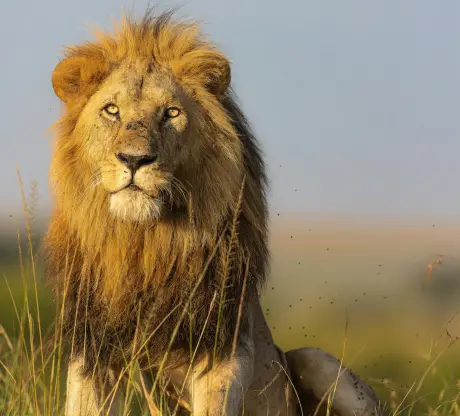 4D/3N
4D/3N Great Migration Package
Explore Package
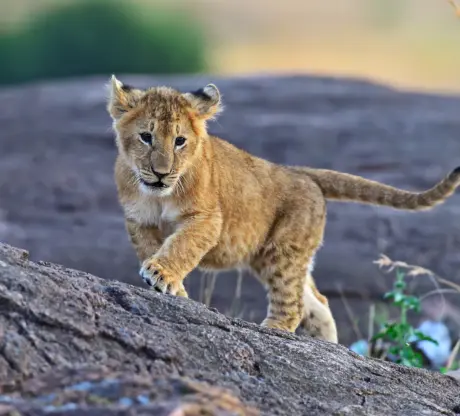 5D/4N
5D/4N Luxury Masai Mara Tour
Explore Package
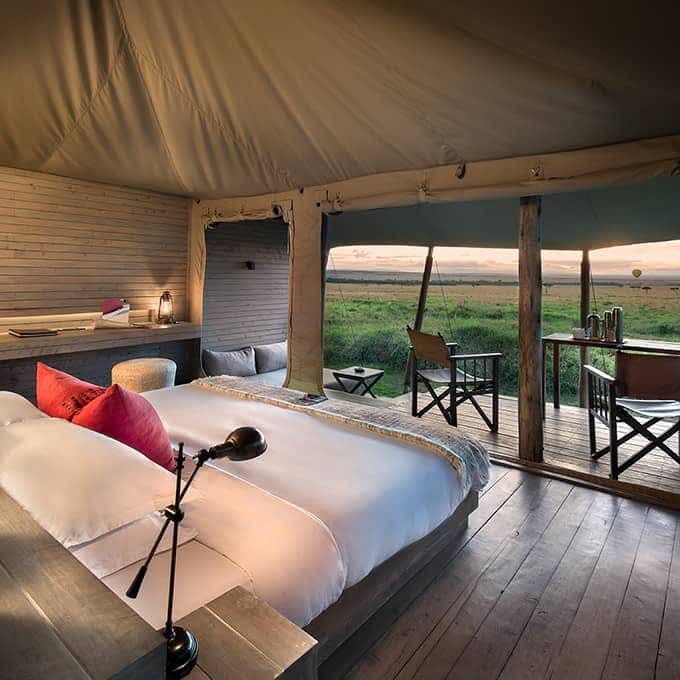 7 Days
7-Day Luxury Masai Mara Itinerary for Bangalore Couples
Read Itinerary
Best Time to Visit Masai Mara – FAQs
There is no single best time for everyone. July–October is best for the Great Migration, with river crossings most likely in August and September. January–February offers excellent big-cat viewing with fewer vehicles and the lower $100 park fee. Late May and June suit travellers who want quiet, green safaris at lower prices. The right choice depends on whether you prioritise migration action, comfort, cost or photography.
No. The migration follows the rains, not a calendar. July–October offers the highest chance of seeing large herds in the Mara, and August–September the best chance of river crossings, but exact timing shifts each year. Staying three nights or more improves your odds.
For non-resident adults, the Masai Mara National Reserve fee is $100 per day from January to June and $200 per day from July to December. Children aged 9–17 pay $50 per day all year. Fees are set by the Narok County Government and each ticket covers one daytime visit. Most safari packages include them; private conservancies charge separate fees, usually built into the camp rate.
Yes, in practice. India requires a valid yellow fever certificate from everyone arriving from Kenya, and travellers without one can be quarantined for up to six days on return. Get vaccinated at a government-authorised centre at least 10 days before you fly and carry the original certificate. You also need a Kenya eTA, applied for online at etakenya.go.ke before departure.
Yes. The Mara has strong resident wildlife all year, including lions, leopards, cheetahs, elephants and buffalo. Many travellers find January–February especially rewarding because of fewer vehicles, excellent predator sightings and the lower park fee.
The long rains run from late March to May, and April is usually the wettest month. Rain tends to come as afternoon or evening downpours rather than all day, though some days may cut drives short. This period offers lush landscapes and the lowest lodge rates. A second, lighter rainy season (the short rains) falls in November and December.
Yes. Safaris run all year. During the rains, wildlife viewing continues, some roads become muddy and a few camps close temporarily in April–May. This season suits travellers who value peace, greenery and lower costs.
It depends on your style. August–September is best for action and migration scenes, April–May for dramatic skies and green landscapes, and January–February for clean light and active big cats.
Crowds are lowest in April and May (long rains), early June and November (short rains). They peak in August and September and over Christmas–New Year. Staying in a private conservancy keeps vehicle numbers low in any month.
Yes, though some months are more comfortable. June fits Indian school summer holidays and has dry weather and the lower park fee; January and February are also good. Children aged 9 months and over need the yellow fever vaccine, and some camps set minimum ages for walking safaris.
Yes. July–October has the highest lodge rates, and the reserve fee doubles to $200 per adult per day from July to December. January–March offers the best value-to-experience ratio, and April–May has the lowest lodge rates. Choosing the right season can noticeably reduce your total cost.
For July–September travel, book 6–9 months in advance, especially for popular camps, hot air balloon flights and Nairobi–Mara light-aircraft seats. Diwali and Christmas–New Year trips also need early booking. Shoulder and low seasons need less advance planning.
Sources and References
- Narok County Government (manages the Masai Mara National Reserve and sets entry fees): narok.go.ke
- Official Kenya Electronic Travel Authorisation portal: etakenya.go.ke
- High Commission of India, Nairobi, vaccination requirement for travel from Kenya: hcinairobi.gov.in
- Ministry of Health and Family Welfare, Government of India, yellow fever vaccination and quarantine rules: ihpoe.mohfw.gov.in
- FlightsFrom, non-stop flights Mumbai–Nairobi: flightsfrom.com