
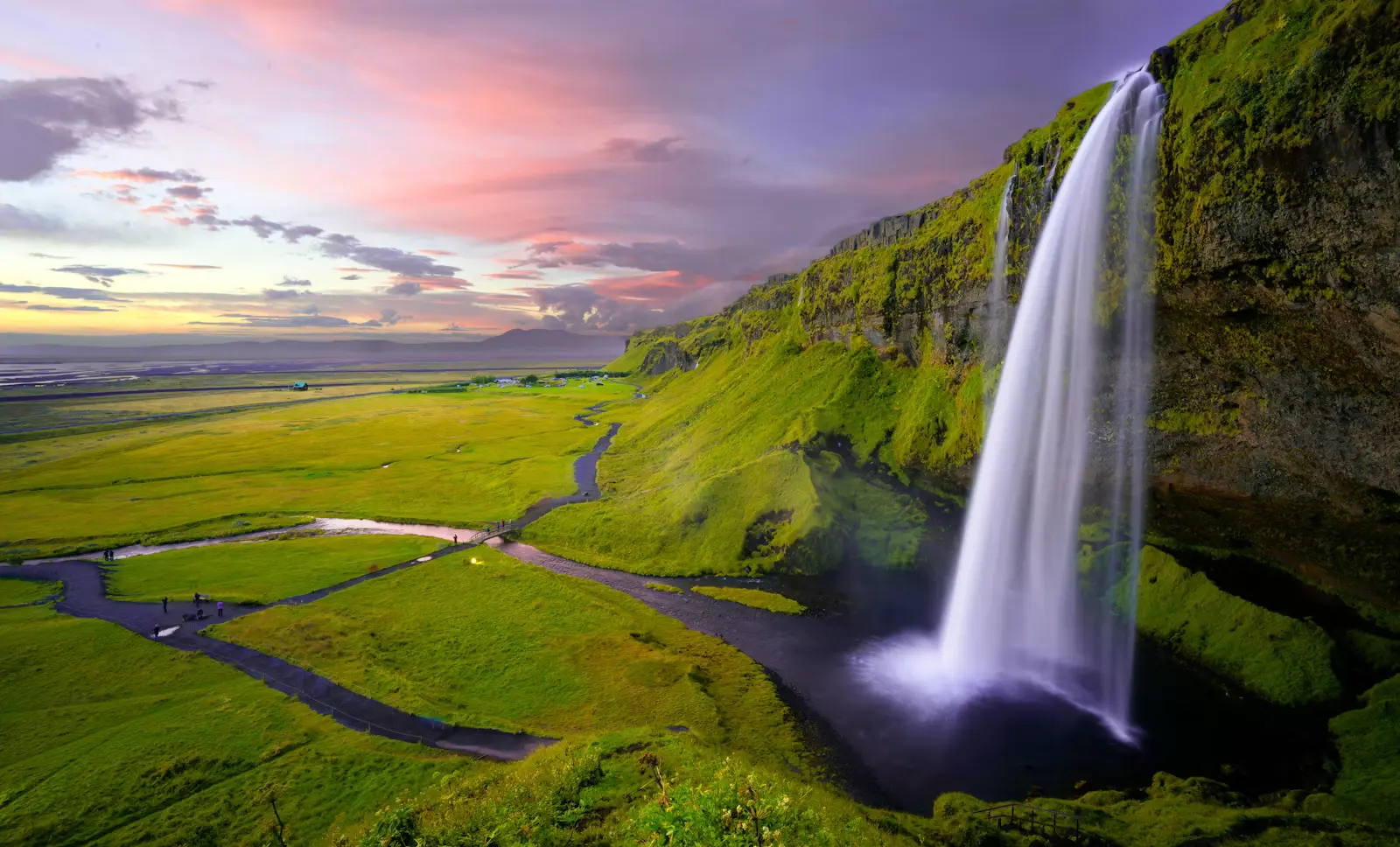
Iceland Travel Guide
Waterfalls, glaciers, black-sand beaches and the Northern Lights, shaped into one journey for luxury travellers.
The land of fire and ice
Iceland is a volcanic island on the edge of the Arctic, where glaciers, lava fields, geysers and waterfalls sit within a few hours' drive of each other. Few places pack so much raw landscape into so compact a journey.
For travellers from India it is a dramatic, easy-to-navigate self-contained trip: one ring road, world-class lodges and a capital that is never more than a day away. This guide covers the essential regions and how to time them.
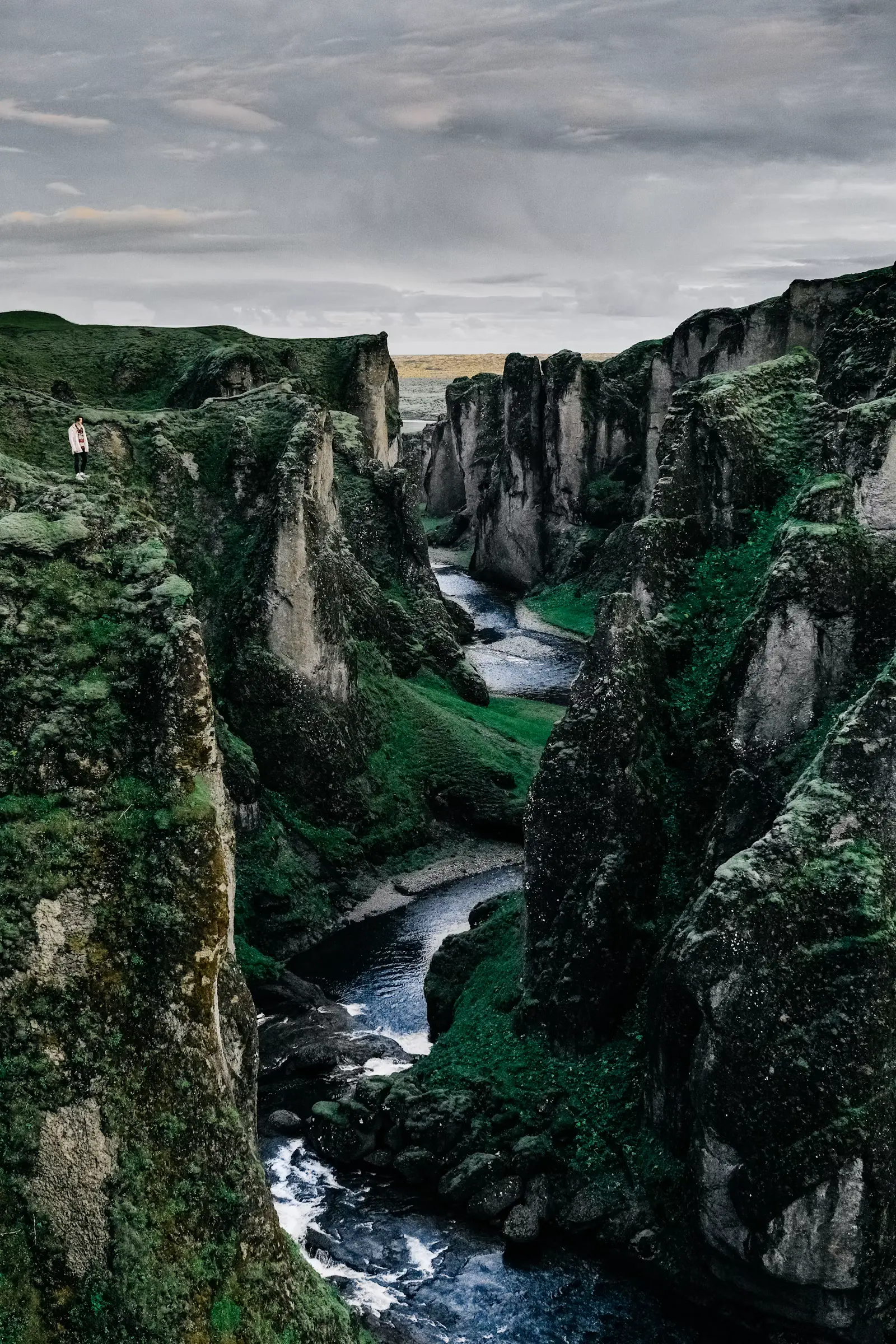
A landscape still being made
Iceland sits on the meeting point of two tectonic plates, and the island is still visibly forming: steaming vents, young lava fields, geothermal rivers and glaciers carving new valleys.
The reward for travellers is variety at close range. In a single day you can walk behind a waterfall, stand on a black-sand beach and bathe in a geothermal lagoon under an open sky.
The Golden Circle
The classic first-day route links Thingvellir National Park, where the tectonic plates pull apart, the erupting hot springs at Geysir and the two-tier Gullfoss waterfall.
It runs as an easy loop from Reykjavik, and done privately, with early starts and a guide who knows the quiet hours, it feels wild rather than busy.
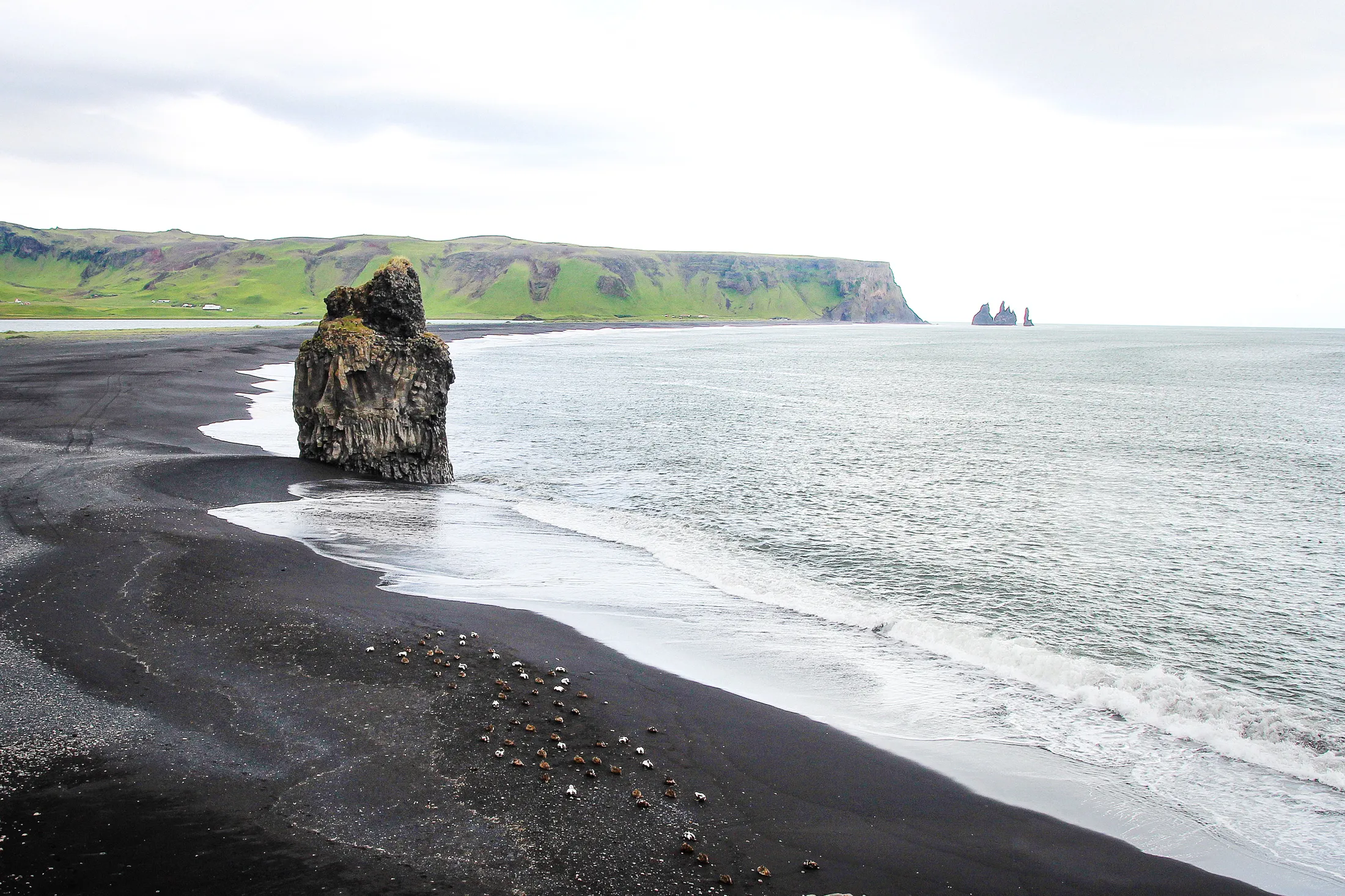
The south coast: waterfalls and black sand
Iceland's south coast strings together its most photographed sights: the waterfalls Seljalandsfoss and Skogafoss, the black-sand beach at Vik and the basalt sea stacks of Reynisdrangar.
Beyond the icons lie glacier hikes on Solheimajokull and ice caves in winter, all reachable from a handful of exceptional country hotels along the route.
Jokulsarlon: the glacier lagoon
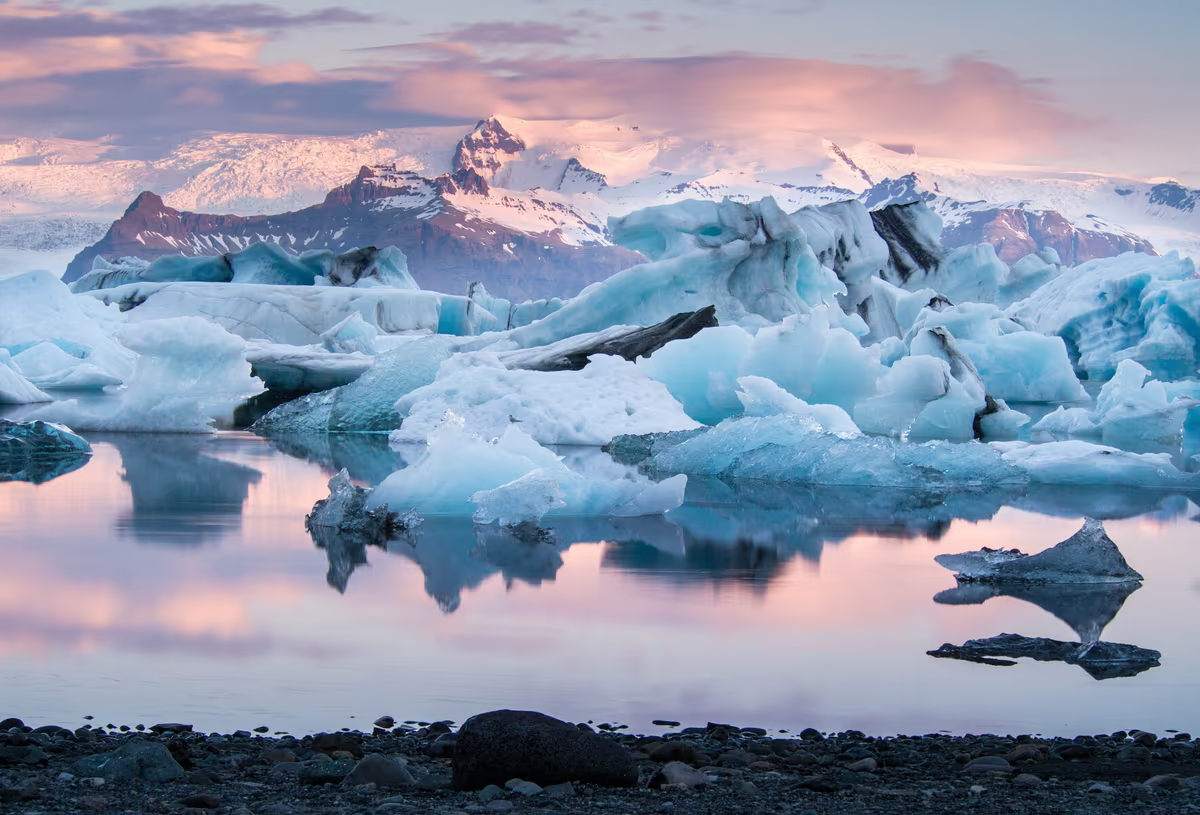
At the foot of Europe's largest ice cap, icebergs calve from the glacier and drift through a still lagoon out to sea, washing up on the adjacent Diamond Beach like shards of glass.
It is the most otherworldly sight in the country, best experienced on a small-boat or zodiac cruise among the ice, and it anchors the eastern end of a south-coast itinerary.
The Blue Lagoon and Reykjavik
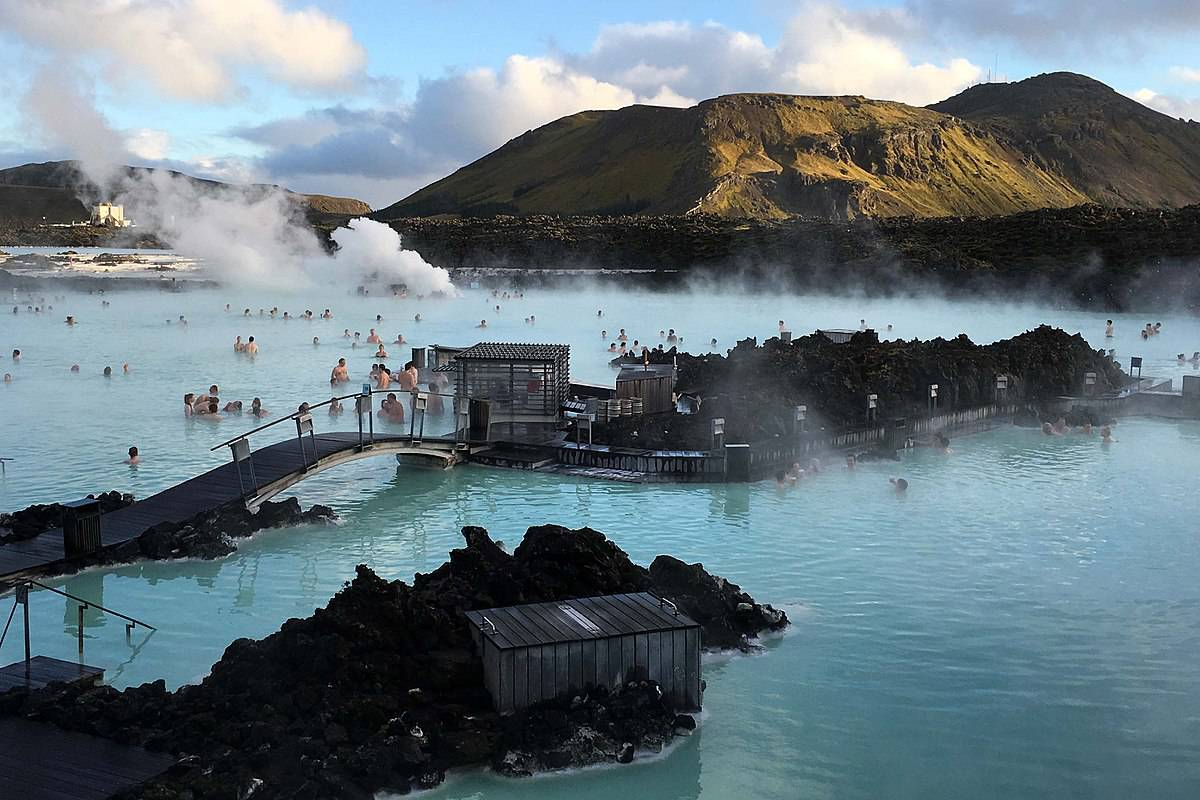
Iceland's geothermal bathing culture peaks at the Blue Lagoon, where milky, mineral-rich water steams against a black lava field. Its private Retreat spa is one of the finest in Europe.
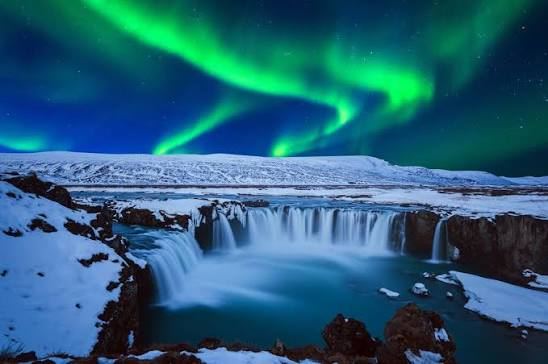
Reykjavik itself is compact and characterful, with a strong food scene and easy access to whale watching, and in winter the Northern Lights are often visible within a short drive of the city.
Iceland travel FAQs
Waterfalls, glaciers, volcanoes, geysers, black-sand beaches, the Blue Lagoon and the Northern Lights. It is often called the land of fire and ice for its mix of volcanic and glacial landscapes.
June to August brings long days, green landscapes and full road access. September to March is the Northern Lights season, with ice caves and winter scenery. Shoulder months balance light and aurora chances.
Usually 7 to 10 days: 2 nights around Reykjavik and the Golden Circle, 3 to 4 along the south coast to Jokulsarlon, and time for the Blue Lagoon. A full Ring Road circuit needs 10 to 14 days.
Yes. Intimate design hotels and lodges, private super-jeep touring, helicopter access to glaciers and volcanoes, and the Blue Lagoon Retreat make it a superb high-end destination.
Yes. Indian passport holders need a Schengen visa; Iceland is in the Schengen Area, so the standard application applies. We guide you through the documents and timing.
Fly to Keflavik near Reykjavik with one stop, usually via London, Paris, Frankfurt, Amsterdam or Helsinki, around 13 to 16 hours in total depending on the connection.
Let's design your Iceland itinerary
Tailored to your dates, your pace and how you like to travel.