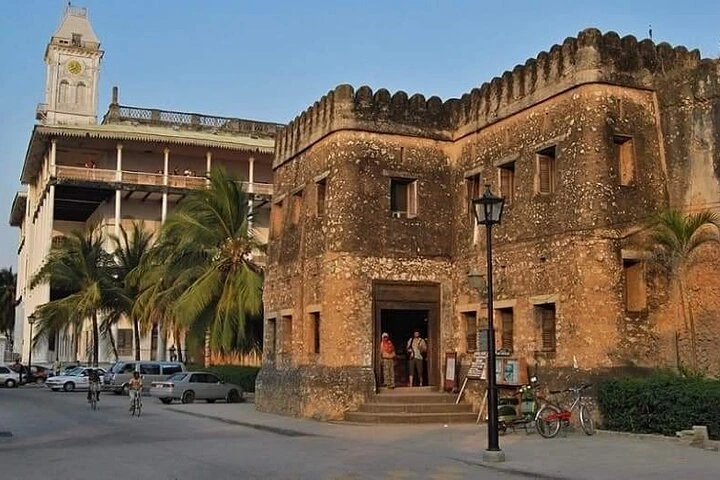
Stone Town is one of the most remarkably preserved trading cities in the world. Built
largely from coral stone and mangrove timber over five centuries of Omani Arab, Persian,
Indian, and Swahili influence, its old city is a dense, labyrinthine world of narrow
lanes, ornately carved wooden doors, rooftop terraces, mosques, Hindu temples, and
grand merchant houses whose architecture tells the story of the Indian Ocean trade
network more vividly than any museum could.
Designated a UNESCO World Heritage Site in 2000, Stone Town has retained its historic
character almost entirely intact — a living, breathing city where the call to prayer
echoes across coral-stone rooftops, where fishermen bring their catch to the same
waterfront that once received slave-trading dhows from Arabia, and where the famous
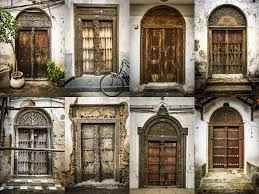
carved doors — more than 500 distinct examples remain — announce the wealth and origins
of the families that commissioned them.
A guided heritage walk takes you through the most significant layers of the city:
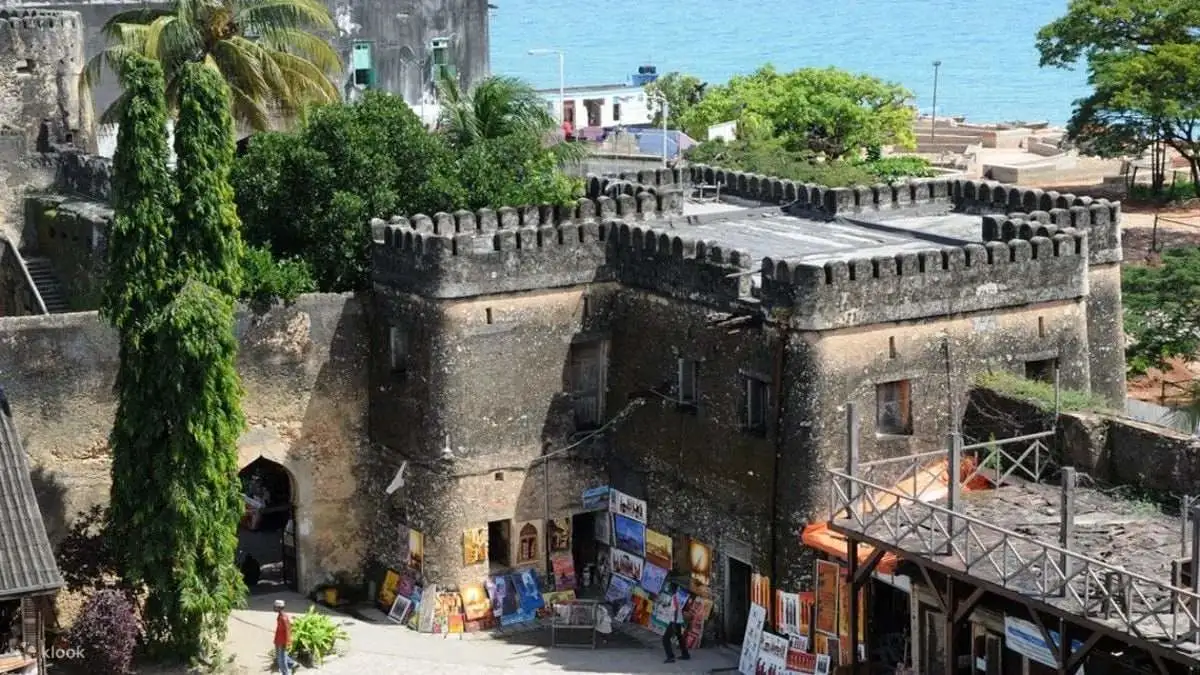
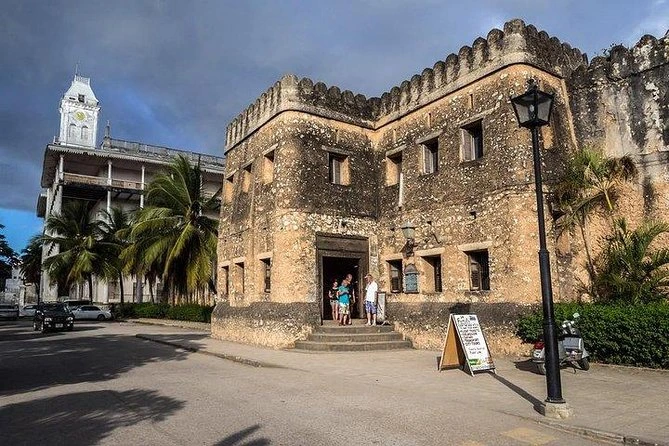
the House of Wonders, the Old Fort, the former slave market and Anglican Cathedral,
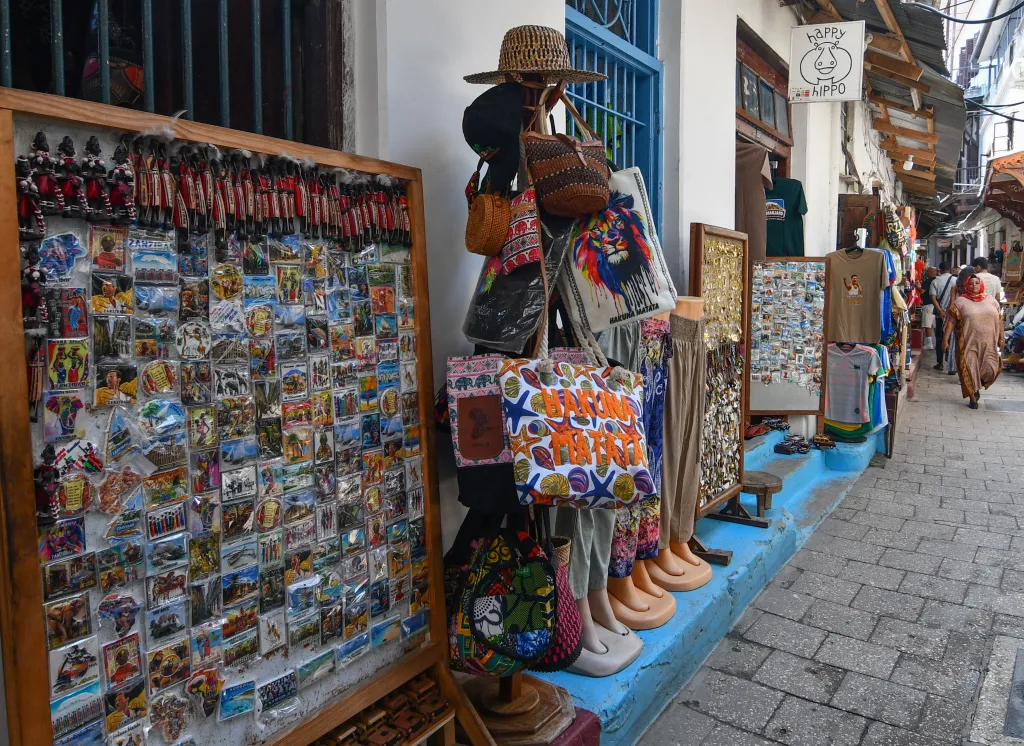
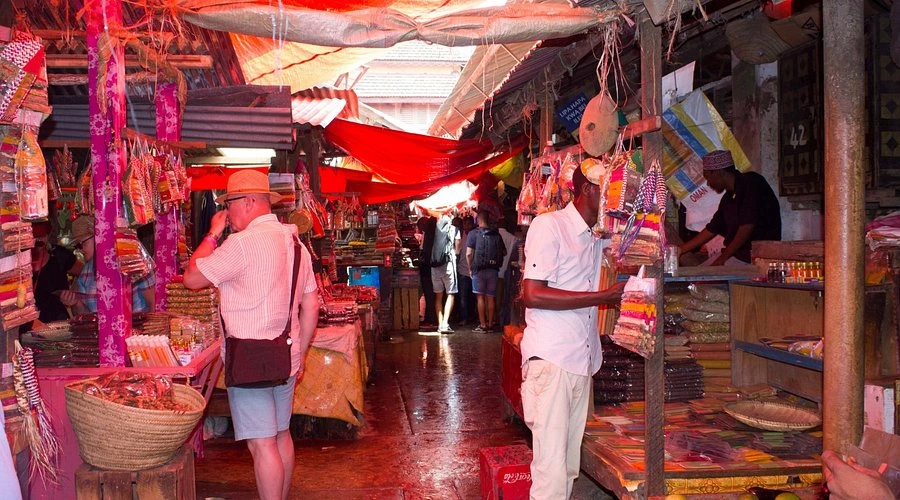
the Sultan's Palace Museum, the spice and curio markets of Darajani Bazaar, and the
intricate residential alleyways of the old Arab and Indian quarters — each turn
revealing another century of the island's extraordinary multicultural history.
Stone Town is not simply a stop on a Zanzibar itinerary — it is the cultural and
historical heart of the entire East African coast, and one of the most atmospheric
walking destinations anywhere in Africa.
Navigating Stone Town's history and its most significant landmarks requires an expert
local guide. Our on-ground partners arrange private guided heritage walks tailored to
your interests and pace — consult a
travel agency for Tanzania safari
.
This experience is curated by our
international travel agency in Gurgaon
, with on-ground partners in Zanzibar and mainland Tanzania.