

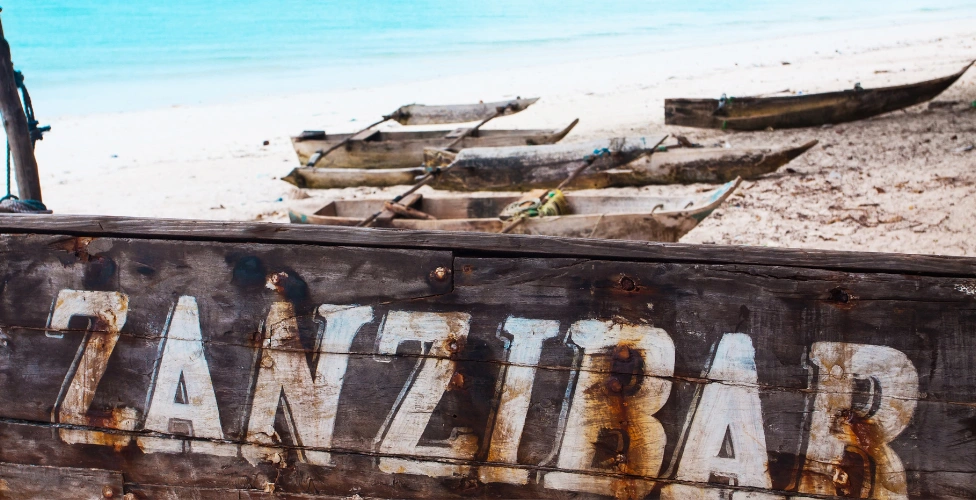
Most people arrive in Zanzibar expecting a beach holiday. What they find is something far richer — an island where every lane of the old city tells a story, every spice farm connects you to centuries of global trade, and every early morning on the water produces an encounter with wildlife or landscape that no resort pool can replicate. Zanzibar is one of the Indian Ocean's most multidimensional destinations, and knowing what to do beyond the sunlounger is what separates a genuinely memorable trip from a forgettable one.
This guide covers the best things to do in Zanzibar — from the iconic to the genuinely off the beaten path — with practical detail for Indian travellers on how to plan, book, and make the most of each experience. Whether you are arriving after a Tanzania safari circuit or visiting Zanzibar as a standalone destination, these are the experiences that make the island extraordinary.
Planning to combine Zanzibar with a Tanzania mainland safari? Read our complete Zanzibar & Tanzania Safari Guide for full itinerary options, or explore our Tanzania and Zanzibar packages from India to start building your trip.
1. Sunset Dhow Cruise
If there is one experience that defines Zanzibar for most visitors, it is the sunset dhow cruise — and the reputation is entirely earned. Traditional wooden dhow sailing vessels, the same design that has plied the Indian Ocean trade routes for over a thousand years, take guests out onto the open water as the day's heat dissipates and the sky begins its transformation from blue to amber to deep rose.
The experience is deceptively simple: you board a dhow from the Zanzibar Stone Town harbour or from a beach on the west coast, sail for two to three hours as the sun descends toward the horizon, and watch the sky change colour above an ocean that turns from turquoise to liquid gold. Most dhow cruises include grilled fresh seafood (lobster, octopus, catch of the day), local cocktails or fruit drinks, and a crew who know exactly when to stop sailing and let the silence and the light do the work.
For Indian travellers, the dhow itself carries historical weight beyond the scenic. The wooden dhow was the vessel that carried Indian merchant traders across the monsoon winds to Zanzibar, Mombasa, and the entire East African coast for centuries — the same design, the same lateen sail, the same relationship between wind and wood that connected India and East Africa long before any colonial power arrived. Sailing on a dhow at sunset off Zanzibar is not just romantic; it is, in a quiet way, a return to a very old connection.
Practical tip: Book through your hotel or a reputable operator rather than accepting unsolicited beach offers. Specify whether you want a private cruise (the most romantic option, particularly for honeymooners) or a shared group departure. The best sunset dhow cruises depart approximately 90 minutes before sunset — confirm the exact departure time with your operator based on the day's sunset schedule.
2. Stone Town: A Full Day in Zanzibar's Historic Capital
Stone Town — officially listed as a UNESCO World Heritage Site since 2000 — is one of the most remarkable historic cities in the Indian Ocean world. Unlike the colonial heritage cities of Goa or Fort Kochi, Stone Town is not a museum district or a curated tourist precinct; it is a living, densely inhabited city of approximately 16,000 people, where the history is layered into every wall, every door, every lane, and every face you encounter.
The architecture alone repays hours of slow exploration. The Omani Arab merchant houses — built from coral stone and lime, with elaborately carved wooden doors that are among the finest examples of Indian Ocean decorative craftsmanship — tell the story of the Omani Sultanate that ruled Zanzibar for two centuries and made it the wealthiest trading port in East Africa. The Gujarati influenced carvings on many of the older doors — the fish motifs, the lotus patterns, the geometric borders that echo the woodwork of Ahmedabad and Surat — speak to the Indian merchant community that financed much of the island's commercial economy. The mosques, the Hindu temples, the Anglican Cathedral built on the site of the former slave market, and the Portuguese fort all layer their own histories onto the same streets.
Key Stone Town highlights no visit should miss:
- The Old Slave Market and Anglican Cathedral: Built in 1873 on the exact site of Zanzibar's main slave market — one of the largest in the Indian Ocean world, through which an estimated 50,000 people per year passed at its peak — the cathedral is both historically essential and architecturally extraordinary. The altar is positioned at the point where the whipping post once stood. Visiting with a good guide who contextualises the history honestly is the most important thing you can do in Stone Town.
- The House of Wonders (Beit al Ajaib): The largest and most ornate building in Stone Town — a four storey palace built in 1883 by Sultan Barghash that was the first building in East Africa to have electricity and an elevator. Now a museum of Swahili and Indian Ocean civilisation, it is currently undergoing restoration but remains one of the city's most architecturally significant structures.
- Forodhani Gardens waterfront: The seafront park that faces the dhow harbour — perfect for watching the traditional wooden boats at anchor, the fishing activity, and the city's social life play out against the Indian Ocean backdrop.
- The Old Fort (Ngome Kongwe): The oldest surviving structure in Stone Town, built by Omani Arabs in the early 18th century. The courtyard hosts cultural events and the fort provides excellent elevated views over the harbour.
- Freddie Mercury's birthplace: The house on Kenyatta Road where Farrokh Bulsara — who later became Freddie Mercury, lead singer of Queen — was born in 1946 to Parsi Indian parents. A plaque marks the building. Mercury's Parsi heritage and the Indian Ocean Indian diaspora connection to Zanzibar gives this location particular resonance for Indian visitors.
- The labyrinthine lanes: Get deliberately lost. The best Stone Town experience is unscripted — turning into an unmarked lane and finding a spice stall, a tailor's workshop, a courtyard mosque, or a century old shop selling brass Omani goods. Allow two to three hours for free exploration in addition to any guided itinerary.
Practical tip: Do the guided cultural walk in the morning before the heat builds and the lanes get crowded. End the morning at a rooftop restaurant overlooking the harbour for lunch. Return in the evening for the Forodhani night market (see below). Stone Town rewards two visits — morning and evening — more than a single extended afternoon session.
3. Snorkelling and Diving at Mnemba Atoll
Mnemba Atoll — the coral reef surrounding tiny Mnemba Island off the northeast coast of Zanzibar — is consistently ranked among the finest snorkelling and diving sites in the entire Indian Ocean. The water is warm (typically 26–29°C year round), clear (visibility frequently exceeding 20 metres in the dry season), and the reef is genuinely pristine — a rarity in a world where coral degradation has diminished most comparable sites to shadows of their former selves.
What makes Mnemba special is the marine biodiversity. The reef supports an extraordinary range of species: hawksbill turtles (regularly encountered on the shallower reef sections), whitetip and blacktip reef sharks, green moray eels, giant grouper, Napoleon wrasse, lionfish, scorpionfish, and hundreds of species of smaller reef fish — parrotfish, angelfish, butterflyfish, surgeonfish — in numbers and colour density that make underwater photography effortless. Spinner dolphins are frequently encountered in the waters around the atoll.
The island itself is private — owned by Wilderness Safaris, who operate &Beyond Mnemba Island Lodge on the beach — and access to the island requires being a guest of the lodge. However, the reef is open water and snorkelling and dive trips to Mnemba are offered by operators across Zanzibar, departing by boat from Matemwe beach (the closest departure point, approximately 15 minutes by boat) or from further along the east coast.
For guests with PADI or NAUI open water dive certification, Mnemba offers several recognised dive sites of varying depth and character — from the shallow Aquarium site (perfect for less experienced divers) to the deeper Kinasi Pass, where strong currents bring pelagic species including barracuda, tuna, and occasionally whale sharks past the reef edge. Dive centres operating on the east coast of Zanzibar (particularly in Matemwe and Nungwi) can arrange guided dives at Mnemba with equipment rental included.
Practical tip: For snorkelling, the morning departure is superior to the afternoon — calmer sea conditions, better light for underwater visibility, and the turtles tend to be most active in the shallower reef sections in the morning hours. Staying at a Matemwe east coast hotel minimises boat transfer time significantly.
4. The Spice Farm Tour
Zanzibar's identity as the Spice Island is not merely historical branding — the island's interior is still actively cultivating cloves (Zanzibar produces a significant proportion of the world's clove supply), vanilla, cinnamon, black pepper, cardamom, nutmeg, lemongrass, turmeric, ginger, and dozens of other spices and tropical plants in farms that range from small family holdings to larger plantation operations dating back to the Omani era.
A guided spice farm tour — typically a half day excursion from Stone Town or the west coast — takes you through working spice gardens where a local guide identifies plants that most visitors cannot distinguish by sight, explains the history and economics of each crop, allows you to taste and smell the raw spices in their living form, and contextualises the extraordinary role the spice trade played in making this small island one of the most strategically and commercially significant places on earth for three centuries. At its peak in the 19th century, Zanzibar supplied approximately 75% of the world's cloves — a monopoly that made the Sultan of Zanzibar one of the wealthiest rulers in the Indian Ocean world.
For Indian travellers, the spice farm tour carries a depth of personal resonance that it does not quite have for visitors from other backgrounds. Encountering cardamom pods, black pepper vines, cinnamon bark, and turmeric roots growing wild from volcanic red soil — the same spices that define Indian cooking, that have been ground in Indian kitchens for generations — in their raw, living form in the place that once supplied the world with them is a genuinely moving experience. The connection between the spice trade, the Indian merchant communities that financed it, and the Indian culinary traditions that consumed its products is immediate and visceral.
Most spice tours end with the opportunity to purchase fresh and dried spices directly from the farm — a far superior option to the packaged tourist spices sold in Stone Town's gift shops, and significantly cheaper. The better tour operators also offer a cooking class component, where the spices encountered on the farm walk are used to prepare a traditional Zanzibari meal that guests share at the end.
Practical tip: Book a spice tour that combines with a traditional Zanzibari lunch at the farm or in a nearby village — it adds genuine cultural depth to what can otherwise feel like a rushed walk and smell. The best spice tours take 3–4 hours; be wary of 90-minute options that skip most of the context.
5. Swimming with Wild Dolphins at Kizimkazi
The south coast village of Kizimkazi is the departure point for one of Zanzibar's most joyful wildlife experiences — early morning excursions to find and snorkel alongside wild pods of spinner and bottlenose dolphins that inhabit the warm waters off the island's southern tip. These are not captive or fed animals; they are genuinely wild dolphins that happen to favour the waters around Kizimkazi as part of their regular range.
When conditions are right — and they usually are, particularly between June and October — the boats locate a pod of spinner dolphins resting or feeding in the morning calm. The guide slips into the water first to assess the dolphins' mood (the key ethical consideration — the animals should be comfortable before anyone enters the water), and guests follow. Swimming at the surface with a pod of wild spinner dolphins circling below and around you, clicking and whistling in their social communication, is simultaneously thrilling and deeply peaceful — one of those wildlife encounters that people reference for the rest of their lives.
Spinner dolphins are slender, acrobatic animals named for their habit of launching themselves out of the water and spinning on their longitudinal axis — a behaviour observed most often in the early morning and which, when it happens a few metres from your snorkel mask, produces a reaction that no photograph adequately captures. Bottlenose dolphins, larger and more commonly familiar from aquariums, are also regularly encountered and tend to be even more relaxed around swimmers.
Ethical note: Choose an operator who follows responsible dolphin interaction guidelines — no engines near the pod, no chasing animals, no touching, limited time in the water, and departure if the dolphins show signs of stress. The Wildlife Conservation Society's Zanzibar programme has published guidelines for ethical dolphin tourism in Kizimkazi — a good operator will be familiar with them. Avoid operators who guarantee sightings or who incentivise guides to pursue dolphins regardless of animal behaviour.
6. Forodhani Night Market
Every evening as the sun drops behind Zanzibar's western horizon, the waterfront Forodhani Gardens in Stone Town transform from a quiet daytime park into the island's most vibrant and aromatic public space. The Forodhani Night Market — one of East Africa's great outdoor food markets — fills the gardens with dozens of vendors, charcoal grills, gas lanterns, and a crowd that mixes local families, office workers, fishermen, and visitors from every corner of the world in a completely unsegregated, entirely democratic evening gathering.
The food at Forodhani is the point. Freshly grilled lobster and octopus (ordered by weight, grilled on the spot, eaten immediately) at prices that would be extraordinary in any comparable setting. Zanzibar pizza — a thin dough crepe cooked on a flat iron and stuffed with combinations of egg, cheese, meat, vegetables, or Nutella for the sweet version — a completely Zanzibar specific street food with no exact equivalent anywhere else. Sugar cane juice pressed to order, flavoured with ginger and lime. Urojo — the "Zanzibar mix" soup, a tangy tamarind based broth layered with fried cassava, bhajia, boiled eggs, meat, and coconut chutney that is this island's most distinctly Zanzibari dish. Coconut bread. Samosas. Mishkaki (grilled meat skewers). And, always, the sweet, warm scent of cloves, cardamom, and cinnamon from the spice vendors working the edges of the market.
For Indian travellers, Forodhani's food is immediately legible — the samosas, the bhajia, the spice profiles, the sugar cane juice, the layered sweetness and heat of the Urojo are all recognisable as expressions of the same Indian Ocean culinary exchange that shaped Indian coastal food. The market is the place where Zanzibar's Arab, Indian, Swahili, and African culinary traditions are most visibly fused, and eating your way through it with that context in mind is the most flavourful cultural history lesson available in the city.
Practical tip: Arrive at the market as it opens (just after sunset) for the best selection and freshest produce. Prices are low and fixed — bargaining is not expected. Bring cash (Tanzanian Shilling or USD both work). The market runs until approximately 23:00 on most evenings. Combine with a Stone Town evening walk beforehand for the ideal Stone Town night experience.
7. Private Sandbank Picnic
At low tide, temporary islands of white sand emerge from the turquoise shallows off several sections of the Zanzibar coastline — sandbanks that exist for a few hours at each low tide cycle before the returning sea reclaims them. The private sandbank picnic — where an operator takes you by boat to one of these temporary islands, sets up a table and chairs directly on the sand, and serves a full picnic lunch with cold drinks while you are surrounded by knee deep warm ocean in every direction — is one of those experiences that sounds almost too simple to justify the superlatives, until you are actually there.
Being on a sandbank in the Indian Ocean, with no land visible in any direction except the distant outline of Zanzibar behind you, is a profoundly disorientating and thoroughly peaceful experience. The water is body temperature warm. The sand beneath your feet is powder fine and bright white. The sky is enormous. The only sounds are the gentle lap of water against the sandbank's edge and whatever conversation you choose to have. It is as close to being on a private island as most trips get without the private island price tag.
Sandbank picnics are typically offered as half day excursions — boat transfer to the sandbank, two to three hours on the bank, boat return. Some operators combine the sandbank with snorkelling on a nearby reef section en route, which adds excellent value. The experience is most commonly available off the north and east coasts; confirm availability and sandbank timing (which varies with tidal cycles) with your hotel or operator at least 24–48 hours in advance.
Practical tip: This is the premium romantic experience on Zanzibar and works best as a private booking for two rather than a shared group excursion. If you are celebrating a honeymoon or anniversary, mention it at booking — operators can often add champagne, flowers, and additional food to the setup at modest additional cost.
8. Chumbe Island Coral Park
Twenty kilometres south of Stone Town, the small island of Chumbe represents one of the Indian Ocean's most serious and successful marine conservation projects — and one of the most extraordinary places to spend a day or night on the Zanzibar archipelago. Chumbe Island Coral Park is a fully protected private marine reserve, established in 1994 through a pioneering public private partnership, that has allowed the surrounding reef to recover to a state of health rarely seen in the Indian Ocean today.
The coral reef off Chumbe's western shore — accessible only to the island's guests and day visitors, in strictly managed groups — is by many measures the most pristine and species rich reef available to snorkellers anywhere around Zanzibar. Over 200 species of fish and 90% of East Africa's coral species have been recorded on the reef. Hawksbill turtles are permanent residents. The clarity and biodiversity of the water is extraordinary by any regional standard.
Beyond the reef, Chumbe Island's interior forest reserve supports a notable population of coconut crabs (the largest terrestrial arthropod in the world, capable of cracking open a coconut with its claws), rare land birds, and a significant population of olive ridley sea turtles that nest on the beaches. The island also has a small museum charting the history of its lighthouse — operational from 1904 and still functioning — and its role in the maritime history of the Zanzibar Channel.
Chumbe Island Coral Lodge, the eco resort operating on the island, offers overnight stays in seven architecturally thoughtful "eco bungalows" that are entirely solar powered and rainwater fed — no generators, no mains electricity, no water supply from the mainland. The lodge has won multiple international awards for responsible tourism and is one of the most genuinely sustainable luxury properties in Africa. Day trips from Stone Town are also available, with a maximum daily visitor limit that ensures the island never feels crowded.
Practical tip: Day trips to Chumbe must be booked in advance through the Chumbe Island Coral Park website. Numbers are strictly limited. The day trip includes boat transfer, guided snorkelling on the reef, guided forest walk, and lunch. Confirm swimming ability at booking — the reef snorkelling involves open water swimming and a degree of physical comfort in the water is assumed.
9. Prison Island (Changuu Island)
A 25-minute boat ride from Stone Town brings you to Changuu Island — known almost universally as Prison Island for its intended, though never realised, use as a detention facility for troublesome slaves in the late 19th century. The island's small size (a leisurely 20-minute walk end to end), its extraordinary giant tortoise colony, its reef, and its layer of curious history make it one of the most rewarding half day excursions from Stone Town.
The giant tortoises — Aldabra giant tortoises, the same species that inhabit the Aldabra Atoll in the Seychelles — were gifted to Zanzibar from the Seychelles in 1919 and have thrived on the island ever since. The colony now numbers around 100 individuals, with several animals estimated to be well over a century old — meaning they were alive during the height of the Omani Sultanate. Walking among these ancient, unhurried animals — which are completely unafraid of humans and will accept hand feeding of leaves — is one of the gentlest and most unexpectedly moving wildlife encounters in the Zanzibar archipelago.
The colonial era prison building — a atmospheric ruin of arched coral stone corridors that was completed but never actually used to house prisoners — has a haunting quality that rewards slow exploration. The surrounding reef is accessible for snorkelling and is reliably good for reef fish and occasional turtle encounters. The crossing from Stone Town harbour is part of the experience — a 25-minute boat ride through the channel with the Stone Town skyline receding behind you.
Practical tip: Prison Island works well as a morning excursion combined with an afternoon Stone Town walk and the Forodhani night market — a full and varied Zanzibar day that covers wildlife, history, architecture, and food without requiring any beach time at all.
10. Hot Air Balloon Safari Over the Serengeti (Pre Zanzibar)
This one technically happens before you reach Zanzibar — but no list of extraordinary experiences available to visitors to this part of East Africa would be complete without it. If your Zanzibar trip is preceded by a Tanzania safari (and for most Indian travellers it is, or should be), a hot air balloon safari over the Serengeti at dawn is one of the most staggeringly beautiful things available in this part of the world.
Departing before sunrise from a camp in the central or western Serengeti, the balloon rises above the plains as the sun breaks the horizon, illuminating the grass in gold and casting long shadows across the landscape below. From an altitude of 300–1,000 metres, the Serengeti reveals itself in a way that no ground level game drive can replicate: the vast scale of the plains, the winding thread of a river through acacia woodland, the moving dark mass of a wildebeest herd seen from above, and the occasional extraordinary encounter of a balloon shadow passing over a pride of lions who look up with complete indifference.
The balloon lands in the bush after approximately an hour of flight, where the crew sets up a full champagne bush breakfast on folding tables in the middle of the wilderness — one of those travel moments that achieves the genuinely improbable. Most balloon safari operators in the Serengeti include the flight, the breakfast, and a commemorative certificate. Read our Best Safari Tours in Tanzania guide to understand how to incorporate the balloon experience into your broader itinerary.
11. Kitesurfing and Water Sports at Paje Beach
Paje on the east coast is the undisputed centre of Zanzibar's water sports scene, and its growing international reputation among kitesurfers is entirely deserved. The combination of consistent south easterly trade winds (June–October), a vast shallow lagoon created by the reef and the tidal flats, and warm flat water makes Paje one of the best beginner and intermediate kitesurfing destinations in the Indian Ocean.
Several established kitesurfing schools operate on Paje beach, offering IKO certified beginner courses (typically 8–12 hours of instruction over three to four days, taking a complete beginner from sand training to independently riding upwind), gear rental for experienced riders, and guided excursions for advanced kiters who want to explore the channels between Paje and neighbouring Bwejuu. The shallow lagoon at low tide — waist deep warm water extending for hundreds of metres from the shore — means falls are harmless and water re entry is simple, making it an unusually forgiving learning environment.
For non kitesurfers, Paje also offers stand up paddleboarding, traditional outrigger sailing (on local ngalawa canoes), windsurfing, and kayaking on the lagoon. The beach itself — wide, white, and backed by coconut palms — is excellent for those who simply want to watch the kiters from a sunlounger with something cold to drink.
12. Cycling the Island Interior
Zanzibar is small enough — approximately 90 kilometres north to south — and flat enough across much of its interior to make cycling a genuinely practical and deeply rewarding way to explore the island beyond the beach and town. Bicycle hire is available from numerous operators and hotels; guided cycling day trips into the island's rural interior, spice plantation districts, and coastal fishing villages provide a completely different perspective on Zanzibar from the beach or dhow.
A typical cycling day trip from Stone Town or the east coast takes you through the island's red soil interior — past children walking to school in pressed white uniforms, fishermen repairing nets under palm shade, women carrying baskets of cloves from farm to drying yard, and the occasional cow or goat blocking a laterite track — and produces the quiet, humanising encounters with everyday Zanzibari life that resort and beach time cannot provide. The island's interior villages are genuinely welcoming to cyclists who travel respectfully and make the effort to greet people in Swahili (even a simple "Habari?" — how are you? — is met with warm appreciation).
The cycling experience also provides a natural connection to the spice farm experience — most cycling routes pass through or alongside working spice plantations, and a guide who knows the area can identify the plants, explain the harvest cycle, and provide the agricultural context that turns a pleasant ride into an informative half day.
13. Tumbatu Island: Zanzibar's Most Authentic Experience
Off the northwest coast of Zanzibar, separated from the main island by a narrow channel, lies Tumbatu — a small island that is home to one of the oldest and most culturally distinct communities in the Zanzibar archipelago. The Watumbatu people have inhabited the island for over a thousand years and have maintained a degree of cultural separateness from the rest of Zanzibar throughout that time — a separateness that has, paradoxically, made the island an extraordinary place to visit for those who are genuinely interested in Zanzibar's pre Omani, pre Arab, pre colonial history.
Visits to Tumbatu require permission from the village elders and are not accessible through standard tourist channels — arrange through a specialist operator who has established relationships with the community and who contributes directly to the island's economy through the visit. What you encounter on Tumbatu has no parallel anywhere else in the archipelago: fishing techniques that have not changed in centuries, baobab trees of extraordinary age and girth that hold deep communal significance, a way of life that moves entirely at its own pace and on its own terms, and people whose hospitality is the more genuine for being entirely unperformed.
There are no restaurants, no hotels, no tourist facilities of any kind on Tumbatu. This is not a limitation; it is precisely the point. Tumbatu is the experience for travellers who have done the beaches, done Stone Town, done the spice tour, and want something that cannot be packaged or replicated — a genuine encounter with a community and a way of life that exists entirely on its own terms.
14. Combining Zanzibar with a Tanzania Safari
Every item on this list delivers a memorable experience in isolation. But the context that makes Zanzibar most extraordinary — for most Indian travellers who make the journey — is the contrast with what precedes it. A Tanzania safari circuit through the Serengeti, Ngorongoro Crater, and Tarangire is intense, visually overwhelming, emotionally demanding, and utterly unlike anything else travel can deliver. The Ngorongoro Crater's crater floor game drive, the Serengeti's river crossings during the migration, the predator encounters in the early morning light — these experiences fill the sensory and emotional bandwidth completely.
Arriving in Zanzibar after that — stepping off a charter aircraft into warm salt air, hearing the Indian Ocean rather than the bush, changing from safari clothing into beach clothes, and not having anywhere to be — creates a transition of extraordinary relief and pleasure. The beach is better after the bush. The dhow cruise is more resonant after a week in a 4x4. The Stone Town evening is richer for the Ngorongoro Crater sunrise that preceded it.
Read our complete Zanzibar & Tanzania Safari Guide for full itinerary structures, timing advice, and everything you need to plan the safari and beach combination. Our Best Time to Visit Tanzania Safari guide covers the seasonal planning in detail, and our Tanzania Cost Guide for Indian Travellers provides budget guidance for the full trip.
Ready to Plan Your Zanzibar Trip?
Zanzibar rewards planning. The best experiences — the sandbank picnic timed to the right low tide, the dolphin swim with an ethical operator who actually finds dolphins, the Stone Town guided walk with a guide who knows the Indian merchant history as well as the Omani architecture, the Mnemba snorkel on a clear water morning — are not the experiences that happen by accident. They are the ones that are organised with care and booked in advance with operators who know what they are doing.
Our specialists design complete Zanzibar itineraries and Tanzania safari and Zanzibar combinations for Indian travellers — from the visa application to the last sunset dhow cruise. Explore our Tanzania and Zanzibar packages from India or contact our team to start designing your itinerary.
Things to Do in Zanzibar – FAQs
It depends on what you value most, but the sunset dhow cruise is the experience most consistently cited by visitors as the defining Zanzibar moment — the combination of the ancient wooden vessel, the Indian Ocean at golden hour, fresh seafood, and the transition from day to evening produces something genuinely cinematic. For cultural depth, a full day in Stone Town with a knowledgeable guide is unmatched. For wildlife, the Mnemba Atoll snorkel and the dolphin swim at Kizimkazi both deliver. For pure romance, the private sandbank picnic. Most visitors try to do all of them — and there is enough time in even a four night stay to experience at least three or four well.
A minimum of three nights gives you enough time for a Stone Town day (including Forodhani evening market), a water activity day (Mnemba snorkel or dolphin swim), and a spice tour and dhow cruise. Four to five nights is the sweet spot — enough to add a sandbank picnic, a Chumbe Island day trip, and genuine beach relaxation time without feeling rushed. If Zanzibar is your only destination (no safari), seven nights allows you to explore different coasts, experience Prison Island, and add the Tumbatu cultural visit.
Forodhani is very safe — it is a family oriented public space that fills with local families, office workers, and visitors every evening. The food is cooked and served fresh on the spot. Vegetarian options are available, though the market's highlights (grilled lobster, octopus, fish) are seafood focused. Vegetarians can eat well on Zanzibar pizza (specify vegetable filling), coconut bread, cassava chips, bhajia (vegetable fritters), sugar cane juice, and various grain and vegetable preparations. Jain visitors should be cautious of shared cooking surfaces and ingredient cross contamination; informing the vendor clearly is essential.
Nungwi and Kendwa on the north coast are the most reliably swimmable beaches — the tidal range is minimal, meaning the water is usable for swimming throughout the day at all tide states. The east coast beaches (Matemwe, Paje, Bwejuu) are stunningly beautiful but recede significantly at low tide, making swimming impossible for several hours twice a day — check the tide schedule before planning water activities. The south coast (Kizimkazi, Jambiani) has good swimming at high tide and an excellent atmosphere but is less developed.
Absolutely — snorkelling requires no certification and is one of the most accessible and rewarding activities in Zanzibar. Mnemba Atoll's shallower reef sections are perfect for snorkellers with basic swimming ability and no prior experience. Equipment (mask, fins, snorkel) is provided by all reputable boat tour operators. The water is warm year round, the reef is clearly visible from the surface, and the marine life — turtles, reef fish, occasional reef sharks — is extraordinary. For non swimmers or nervous swimmers, the operator can provide a life jacket; confirm this at booking.
It can be, but the ethical quality of the experience depends entirely on the operator. The best operators follow established dolphin interaction guidelines — no engine noise near the pod, no pursuing stressed animals, no touching, limited in water time, departure if animals show avoidance behaviour. The worst operators chase dolphins with multiple boats and allow unsupervised harassment of animals. Ask your operator directly how they manage dolphin interactions and what they do if the dolphins are resting or appear stressed. Your hotel or our specialists can recommend reputable operators whose approach prioritises animal welfare. The dolphins at Kizimkazi are wild, not fed or conditioned — which makes responsible operator choice essential.
Key points for Indian visitors: Zanzibar is part of Tanzania so your Tanzania e Visa covers both — no separate document required. The local currency is the Tanzanian Shilling but USD is accepted everywhere; carry a mix of both. Stone Town requires modest dress — cover shoulders and knees when outside beach resort areas, particularly near mosques and in the old city. Vegetarian food is widely available but Jain requirements need advance communication. Ramadan significantly affects Stone Town's atmosphere and some restaurant hours — research whether your visit coincides. Malaria precautions (repellent and prophylaxis) are necessary. English is widely spoken in tourist areas. Kiswahili greetings — "Jambo" (hello), "Asante" (thank you), "Karibu" (welcome) — are warmly received.
Yes — Zanzibar is an outstanding standalone destination with more than enough depth and variety for a week to ten day standalone trip. The beaches, Stone Town, the marine activities, the spice tour, the cultural experiences, and the extraordinary Forodhani food scene all stand independently of the safari context. That said, most visitors who have done the safari and beach combination describe the transition from the Serengeti or Ngorongoro to the Indian Ocean as one of the most powerful contrasts in travel — the beach is simply better when you arrive carrying the memory of the bush. For first time visitors to East Africa with enough time, the combination is always our recommendation.
June to October and December to February are the best windows — dry, sunny, warm sea temperatures, and calm conditions ideal for snorkelling, diving, and dhow cruises. June to October aligns with the Tanzania safari dry season, making it the natural window for the combination trip. The long rains (March to May) bring frequent heavy showers that disrupt outdoor activities and sea conditions. November's short rains are briefer and less disruptive — many visitors travel in November without significant issues. December is excellent and very popular for the Christmas–New Year period; book well in advance for this window.
Two options: charter or scheduled flight (25–45 minutes from Dar es Salaam or approximately 60–90 minutes from the Serengeti or Arusha; recommended for safari combinations as it is fast and provides extraordinary aerial views), or high speed ferry from Dar es Salaam port (approximately 2 hours; cheaper but weather dependent and less comfortable). For safari itineraries ending at the Serengeti, the charter flight directly to Zanzibar is standard and usually arranged by your operator as part of the itinerary. For travellers arriving independently in Dar es Salaam, the ferry is a reasonable and inexpensive option if sea conditions are calm.