
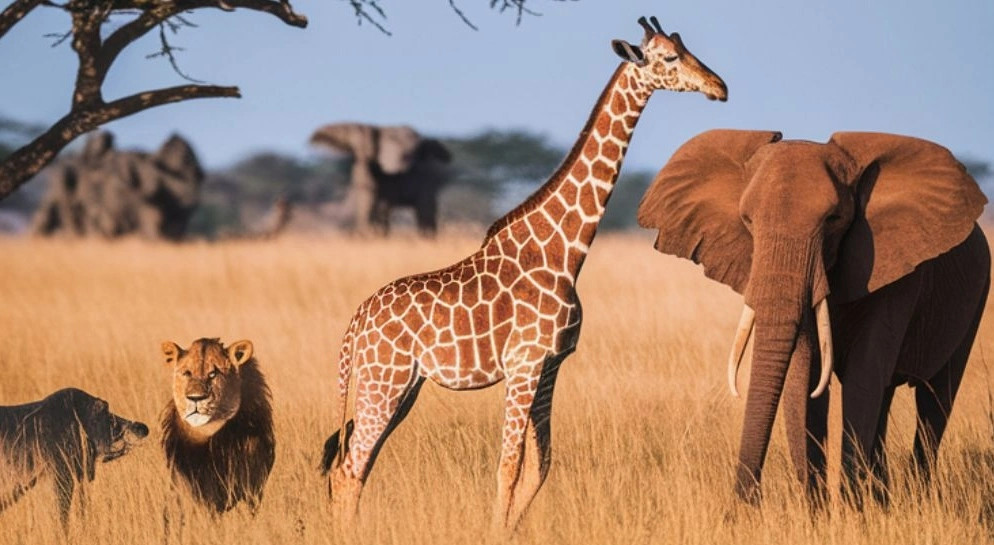
Best Time to Visit Tanzania for Safari (2026): A Complete Month-by-Month Guide
Tanzania offers remarkable wildlife experiences throughout the year, but understanding the seasons makes the difference between a good safari and an unforgettable one. This complete guide breaks down the best time to visit Tanzania for safari month by month, covering dry season conditions, the Great Migration calendar, green season advantages, and how to align your trip with your specific wildlife goals. Whether you are targeting the Serengeti, Ngorongoro, Tarangire, or combining your safari with a Zanzibar beach extension, timing is everything. To explore destination-specific information first, visit the Tanzania destination.
Planning a premium Tanzania safari from India is easier when you work with an experienced travel agency for Africa that understands seasonal logistics and lodge availability. Before locking in dates, reviewing a detailed Tanzania cost guide for Indian travelers will help you budget accurately across different seasons.
Tanzania Safari Seasons at a Glance
Tanzania broadly has two main seasons that shape safari conditions:
- Dry Season (June – October): Peak safari season with excellent wildlife visibility, sparse vegetation, and reliable weather
- Green Season (November – May): Lower visitor numbers, lush landscapes, and strong value, with distinct highlights across different months
Neither season is universally better — your ideal travel window depends on which wildlife experience matters most to you, which parks you plan to visit, and how you want to balance cost against crowd levels.
The Great Migration: Tanzania's Most Sought-After Safari Event
The Great Migration is often the primary reason travellers choose Tanzania. It involves over 1.5 million wildebeest, hundreds of thousands of zebra, and large numbers of gazelle moving in a continuous circuit through the Serengeti ecosystem and into Kenya's Masai Mara, driven by rainfall and grass availability.
Understanding where the migration is at different points in the year allows you to position your trip for the most dramatic sightings, including the famous river crossings.
Great Migration Calendar Overview
- January – February: Southern Serengeti and Ndutu area — calving season with predator activity
- March – May: Herds moving northward through central Serengeti
- June – July: Western Serengeti — river crossing season begins at the Grumeti River
- August – October: Northern Serengeti — peak Mara River crossings, Tanzania's most dramatic event
- November – December: Herds begin moving south again toward the Ndutu plains
For official Tanzania tourism and wildlife planning information, the Tanzania Tourist Board is a useful reference point.
Month-by-Month Guide: Best Time to Visit Tanzania for Safari
January & February — Calving Season in the Southern Serengeti
These two months are among the most underrated in the Tanzania safari calendar. The herds are concentrated in the short grass plains of the southern Serengeti and Ndutu, where the annual calving season takes place.
- Wildlife highlight: Thousands of wildebeest calves born within weeks of each other, drawing large numbers of predators including lion, cheetah, leopard, and hyena
- Weather: Short rains may continue into January but generally light; February is largely dry in the south
- Crowd level: Moderate — excellent conditions with fewer visitors than peak season
- Best parks: Southern Serengeti, Ndutu, Ngorongoro Crater
- Who it suits: Travellers who want dramatic predator-prey action without peak-season pricing or crowds
Travellers flying from the west coast can explore Tanzania tour packages from Mumbai that are timed specifically around this calving season window.
March & April — Long Rains Begin, Herds Move North
March marks the beginning of Tanzania's long rain season, which extends through May. The landscape transforms into vivid green, and the wildebeest begin moving northward through the central Serengeti.
- Wildlife highlight: Migration movement through central Serengeti; excellent birdlife as migratory species arrive
- Weather: Increased rainfall, particularly in April — some roads and camps can be affected
- Crowd level: Low — many camps reduce rates significantly
- Best parks: Central Serengeti, Tarangire (good even in rains), Ngorongoro
- Who it suits: Budget-conscious travellers, photographers interested in dramatic skies and lush landscapes, birding enthusiasts
For birding-focused itineraries, Tanzania tour packages from Kolkata include green season options that align well with this period.
May — Late Rains, Strong Value, Fewer Visitors
May continues the green season but with some advantages. The rains begin to ease toward the end of the month, and lodges remain at lower occupancy.
- Wildlife highlight: Herds still moving north; predators well dispersed across the ecosystem
- Weather: Rain easing by late May; mornings and evenings comfortable
- Crowd level: Very low
- Best parks: Serengeti, Ngorongoro, Tarangire
- Who it suits: Independent travellers seeking exclusivity at a lower price point
June & July — Dry Season Begins, Western Serengeti Crossings
June marks the start of Tanzania's peak safari season and is considered one of the best months to visit. The rains have largely ended, vegetation has thinned, and wildlife concentrates around water sources — making sightings significantly easier.
- Wildlife highlight: Wildebeest crossing the Grumeti River in western Serengeti; strong predator activity; excellent general game throughout parks
- Weather: Dry, clear skies, cool mornings and evenings — ideal safari conditions
- Crowd level: Rising — high season begins
- Best parks: Western Serengeti (Grumeti), Northern Serengeti, Ngorongoro, Tarangire
- Who it suits: Most travellers — excellent all-round conditions for first-time and repeat visitors alike
June and July are also ideal for those combining safari with Zanzibar. Tanzania tour packages from Bangalore frequently feature this dry season window with integrated beach extensions.
August, September & October — Peak Season and Mara River Crossings
This is Tanzania's most celebrated safari window. The wildebeest herds reach the northern Serengeti and begin the dramatic Mara River crossings — widely considered one of the greatest wildlife spectacles on earth.
- Wildlife highlight: Mara River crossings in the northern Serengeti; massive predator concentrations; excellent big cat sightings throughout the ecosystem
- Weather: Reliably dry, warm days, clear skies — optimal photography conditions
- Crowd level: Peak — highest demand and prices of the year
- Best parks: Northern Serengeti (essential for crossings), Ngorongoro Crater, Tarangire (elephant herds are outstanding in October)
- Who it suits: Travellers who have one chance to experience the Migration and want the most dramatic possible encounter; advance booking essential — often 12 months ahead
Park access rules and conservation area entry requirements are governed by the Tanzania National Parks Authority (TANAPA). Travellers from northern India can find peak-season departures through Tanzania tour packages from Delhi, while those based in the south will find convenient options via Tanzania tour packages from Hyderabad.
November — Short Rains, Herds Move South, Value Returns
November brings Tanzania's short rain season, sometimes called the "little rains." Conditions are variable but rarely disruptive for a full day of safari. The wildebeest begin their return south toward the Ndutu plains.
- Wildlife highlight: Herds moving south through central and western Serengeti; green season birdlife begins returning
- Weather: Light, often afternoon showers — mornings usually clear
- Crowd level: Drops sharply after peak season — good availability
- Best parks: Central Serengeti, Ngorongoro, Tarangire
- Who it suits: Travellers seeking good value after peak season with minimal compromise on experience
December — Festive Season, Southern Serengeti Builds
December brings two distinct dynamics. The festive period sees a temporary spike in demand at premium lodges, while the southern Serengeti begins coming alive again as herds move toward the calving grounds.
- Wildlife highlight: Herds arriving in southern Serengeti; Ndutu area begins to activate
- Weather: Short rains continue but usually manageable; December can be surprisingly dry in some years
- Crowd level: High at Christmas and New Year — book well ahead for this period
- Best parks: Southern Serengeti, Ndutu, Ngorongoro Crater
- Who it suits: Families and couples travelling over the festive period who want a Tanzania safari combined with Zanzibar
Best Time for Each Tanzania Safari Destination
Serengeti National Park
- Overall best months: June – October for peak conditions and Migration crossings
- Best for calving season: January – February (southern Serengeti / Ndutu)
- Best for value: March – May and November
Ngorongoro Crater
- Best months: June – October (dry conditions and clear visibility into the crater)
- Year-round interest: Ngorongoro's closed ecosystem means resident wildlife is present throughout the year, making it one of Tanzania's most reliable destinations regardless of season
Tarangire National Park
- Best months: July – October, when the Tarangire River becomes the dry-season lifeline and elephant herds gather in extraordinary numbers
- Green season appeal: Tarangire has very strong birding and fewer crowds during the rains
Lake Manyara National Park
- Best months: June – October for general wildlife; November – April for flamingo viewing at the lake
Zanzibar (Beach Extension)
- Best months: June – October and December – February
- Avoid: April and May during the heaviest long rain period
- Note: Zanzibar's climate is slightly different from mainland Tanzania, so always check beach conditions separately from safari timing
Dry Season vs. Green Season: Which is Right for You?
Choose Dry Season (June – October) if:
- You are visiting Tanzania for the first time
- The Great Migration and Mara River crossings are your primary goal
- You want maximum wildlife visibility and reliable daily game drives
- You are combining safari with Zanzibar beach time
- Photography conditions matter — clear light and predictable weather
Choose Green Season (November – May) if:
- You are a repeat Tanzania visitor looking for a different experience
- Calving season predator action (January – February) is appealing
- You prefer fewer crowds and more exclusive lodge conditions
- Birding is a priority — migratory species are at their peak
- Budget is a key factor and you are flexible on parks visited
How Timing Affects Your Tanzania Trip from India
For Indian travellers, school holidays and public holidays often drive travel decisions. Here is how Tanzania safari timing aligns with common Indian travel windows:
- Summer holidays (May – June): Late May and June are an excellent window — dry season begins, Migration is moving north, and conditions are strong across the northern circuit
- Diwali / October holidays: October is peak season and one of the best months for the northern Serengeti and Tarangire elephant gatherings
- Christmas / New Year: December and early January are popular and work well — book early, especially for Zanzibar extensions
- Holi / March: March can work well for value-focused itineraries, though long rains begin — central Serengeti and Ngorongoro are reasonable choices
For Indian travellers planning logistics including flights, visas, and transfers, the complete guide on how to reach Tanzania from India covers every step of the journey. Alongside logistics, reading through Tanzania travel tips for Indian travelers will help you prepare for health requirements, currency, connectivity, and cultural expectations before you depart.
Practical Tips for Choosing Your Tanzania Safari Timing
- Book peak season (July – October) at least 9–12 months in advance — the best Serengeti camps fill extremely early
- If your priority is the Mara River crossings, target August and September specifically for the northern Serengeti
- For calving season, target late January and February — it is one of Tanzania's most underbooked highlights
- Check Zanzibar weather windows separately from the mainland before building a combined itinerary
- Light aircraft safaris often have strict soft baggage rules — pack accordingly regardless of season
- Allow at least 7 nights for a meaningful Tanzania safari — 10 or more nights if combining with Zanzibar
Final Thoughts: When is the Best Time to Visit Tanzania for Safari?
There is no single "best" month — the right time depends on your wildlife priorities, budget, and how much time you have. The dry season from June to October offers the most reliable conditions and is the right choice for most first-time visitors and anyone chasing the Great Migration river crossings. The green season from November through May offers distinct highlights including calving season, birding, and lower costs — and is often the preferred choice for experienced safari travellers.
What matters most is matching your travel window to the specific experience you want, and then planning your park selection and lodge choices around that goal.