
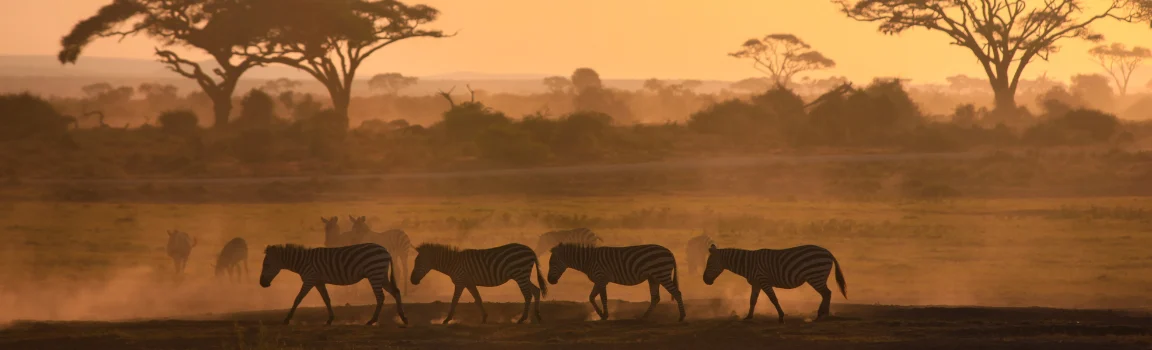
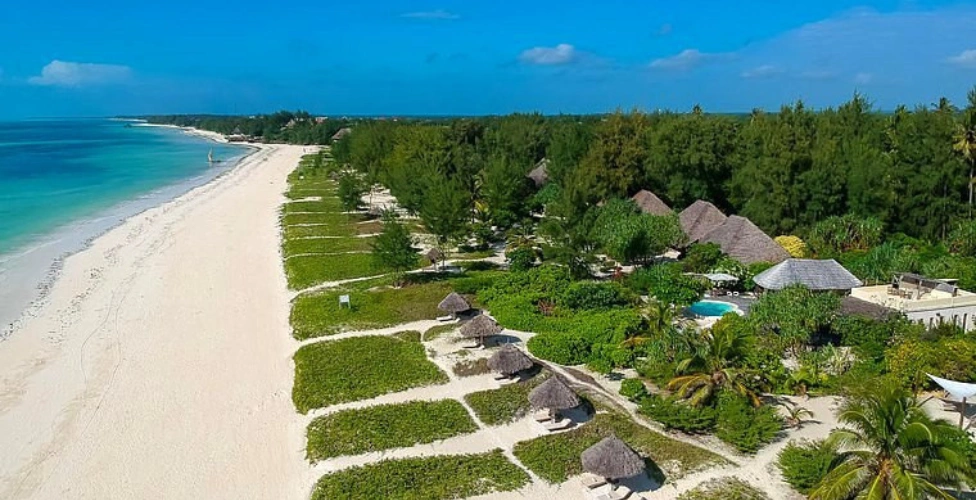
There is a journey available in East Africa that no other destination on earth can replicate — one that takes you from the vast golden grasslands of the Serengeti, where a million wildebeest thunder across the plains in one of nature's most spectacular events, to the rim of an ancient volcanic crater sheltering the world's densest concentration of wildlife, and finally to the warm turquoise waters of the Indian Ocean, where white sand beaches and centuries of spice trade history create an island unlike any other. This is the Tanzania safari and Zanzibar combination. And it is, by any honest measure, one of the world's truly great travel itineraries.
For Indian travellers specifically, this combination carries resonance beyond the purely visual. The Indian Ocean trade routes that built Zanzibar into a centre of global commerce connected this island to India for centuries. The spice trade that defined Zanzibar's identity — cloves, cardamom, cinnamon, black pepper — runs directly through the fabric of Indian cuisine and culture. And Tanzania's extraordinary wildlife, among the most diverse and abundant on the planet, offers an experience that no amount of nature documentaries can prepare you for. This guide covers everything you need to plan the complete Tanzania safari and Zanzibar trip — from the first Serengeti sunrise to the last Zanzibar sunset.
Why Tanzania is Africa's Greatest Safari Destination
Tanzania contains more UNESCO World Heritage Sites than any other country in sub Saharan Africa, more protected land (over 38% of its total area) than almost any nation on earth, and the single greatest concentration of wildlife spectacle available anywhere in the world. The northern safari circuit alone — Serengeti, Ngorongoro, Tarangire, and Lake Manyara — delivers a breadth and depth of wildlife experience that Kenya's Masai Mara, South Africa's Kruger, and Botswana's Okavango cannot individually match.
The Great Wildebeest Migration — the largest terrestrial animal movement on the planet, involving approximately 1.5 million wildebeest, 300,000 zebra, and 500,000 Thomson's gazelle moving in a continuous clockwise circuit between the Serengeti and Kenya's Masai Mara — begins and ends in Tanzania. The calving season (January–February) happens on the southern Serengeti plains. The dramatic Grumeti and Mara River crossings (July–October) happen in the western and northern Serengeti. The Ngorongoro Crater — entirely separate from the migration — is the most reliable Big Five location on the continent, with all five species resident year round. And Tarangire, often overlooked, contains one of the largest elephant populations in East Africa and an extraordinary baobab landscape that looks like no other park in Africa.
If you are weighing Tanzania against Kenya for your African safari, our detailed comparison — Masai Mara or Tanzania: Which Is Better? — breaks down the differences honestly so you can make the right choice for your specific travel goals.
The Northern Tanzania Safari Circuit: Park by Park
The northern circuit is what most travellers mean when they say "Tanzania safari." It encompasses four primary parks and conservation areas within a manageable geographic radius of Arusha, Tanzania's northern safari gateway city, and can be covered in 7–10 days without feeling rushed. Here is what each park delivers and why it earns its place in the itinerary.
Tarangire National Park
Tarangire is the underrated gem of the northern circuit — a park that many itineraries skip in favour of the more famous names but that rewards those who include it with an experience that is entirely different in character to the Serengeti or Ngorongoro. The park's defining feature is the Tarangire River, which becomes the only permanent water source in the surrounding region during the dry season (June–October), drawing extraordinary concentrations of wildlife to its banks. At the peak of the dry season, Tarangire can host the largest elephant concentrations in East Africa — hundreds of individuals moving through the baobab dotted landscape in family groups that number in the dozens.
Tarangire's baobab trees are iconic. These ancient giants — some estimated to be over 1,000 years old — dominate the landscape, their vast silvery trunks and minimal canopy creating a surreal backdrop for game drives that is instantly recognisable and unlike anywhere else in Africa. The park also has outstanding birdlife (over 550 recorded species) and good populations of lion, leopard, cheetah, African wild dog (one of Africa's most endangered predators), and massive buffalo herds.
Two nights in Tarangire at the start of a northern circuit itinerary provides an introduction to Tanzania wildlife that is immediate and impactful — without the crowds that can accumulate at more famous locations during peak season.
Lake Manyara National Park
Lake Manyara is a compact park with a disproportionately varied experience — compressing a remarkable range of habitats and wildlife into its relatively small area (330 sq km). The park runs along the base of the Great Rift Valley escarpment, with a groundwater forest giving way to open floodplain and the shallow alkaline Lake Manyara itself. The lake supports one of Africa's largest flamingo populations — at times the entire western shore turns pink with birds — along with pelicans, hippos, and an abundance of wading and waterbirds.
Manyara is also one of the best parks in Africa for tree climbing lions — a behaviour not fully understood but consistently observed in the Manyara lion population, which regularly sprawls in fig and acacia trees several metres above ground. The groundwater forest section harbours large troops of olive baboon and vervet monkey, as well as forest elephants that are noticeably calmer around vehicles than their counterparts in more open terrain. One night at Lake Manyara — often positioned as a transit stop between Tarangire and Ngorongoro — adds genuine value to the circuit rather than being a logistical compromise.
Ngorongoro Conservation Area
The Ngorongoro Crater is the crown jewel of the northern circuit and one of the most extraordinary natural environments on earth. The world's largest intact volcanic caldera — 19 kilometres wide, 610 metres deep, covering 264 square kilometres — shelters approximately 25,000 large mammals within its walls, including all of Africa's Big Five and one of the continent's last viable wild black rhino populations.
The crater's enclosed geography means its wildlife is year round resident — there is no low season for wildlife viewing at Ngorongoro. Every descent into the caldera floor produces outstanding encounters. The predator density is unmatched anywhere in Africa outside of a peak migration event: multiple lion prides, leopard, cheetah, and one of the world's densest spotted hyena populations all share the crater floor. Lake Magadi — the shallow soda lake on the crater's western floor — hosts significant flamingo populations. The Lerai Forest in the southwest shelters the crater's black rhino and large tusked elephant bulls.
For a complete understanding of when to visit and what to expect from the crater, read our dedicated guides: Best Time to Visit Ngorongoro Tanzania and Ngorongoro Tanzania Safari Guide: What to Expect. For guests specifically focused on achieving a Big Five sighting, our Ngorongoro Big Five Guide covers the strategy, timing, and locations for each species in detail.
Serengeti National Park
The Serengeti is Africa's most famous national park and, arguably, the world's most famous wildlife destination. Covering 14,763 square kilometres of savannah, woodland, kopje (rock outcrop), river, and swamp, the Serengeti is vast enough that no two visits feel the same — the experience shifts dramatically depending on which region you are in, what time of year it is, and where the Great Migration is located.
The park's permanent resident wildlife is exceptional independent of the migration: lion, leopard, cheetah, African wild dog, bat eared fox, serval, caracal, elephant, buffalo, giraffe, zebra, wildebeest (1.5 million resident or passing through), impala, topi, kongoni, Thomson's gazelle, Grant's gazelle, eland, and hundreds of bird species. The Seronera region in the central Serengeti offers the most consistently reliable predator viewing year round — this is the area where the lion prides are most habituated to vehicles and where leopard sightings in the sausage tree riverine forest are most predictable.
For strategic planning around the Serengeti's seasonal wildlife patterns — when to be in which region for the migration, calving, river crossings, and predator activity — our comprehensive Best Time to Visit the Serengeti guide covers every month in detail. For everything the park has to offer beyond the migration, read our Serengeti Attractions Guide.
The Great Wildebeest Migration: Africa's Greatest Wildlife Event
The Great Migration is the single most celebrated wildlife spectacle on earth and the primary reason many travellers choose Tanzania and the Serengeti as their African safari destination. Understanding what it is, when it happens, and where to be during which months is essential for planning a trip built around this extraordinary event.
The migration is not a single event but a continuous, year round cycle of movement driven by rainfall and grass growth. Approximately 1.5 million wildebeest, 300,000 zebra, and 500,000 Thomson's gazelle follow an ancient clockwise circuit from the southern Serengeti plains (where the bulk of the herds spend the wet season and where calving occurs in January and February) northward through the central and western Serengeti, across the Grumeti River (typically June), north to the Mara River (typically July to October), crossing into Kenya's Masai Mara, and eventually returning south as the short rains bring fresh grass growth in November and December.
The river crossings — when hundreds or thousands of wildebeest hurl themselves into crocodile infested rivers in a frenzied, chaotic attempt to reach the grazing on the opposite bank — are the images most associated with the Serengeti in global consciousness. They are among the most electrifying wildlife events it is possible to witness in person: the noise, the dust, the panic, the predation, and the extraordinary resolution as the surviving animals scramble up the far bank and immediately begin grazing, the existential drama of minutes before apparently forgotten. These crossings happen most reliably at the Mara River in the northern Serengeti from July to October.
When to See the Migration: Month by Month
- January–February: Calving season on the short grass southern plains. Up to 8,000 wildebeest calves born daily. Predator activity is extraordinary — this is one of the best periods for cheetah and lion sightings in the southern Serengeti.
- March–May: Herds begin moving north and west. Long rains make some areas challenging. Fewer tourists; lower rates. Good wildlife viewing continues despite the rains.
- June: Herds in the western Serengeti. Grumeti River crossings begin. Excellent predator activity around the Grumeti.
- July–October: Peak season. Herds in the northern Serengeti and crossing the Mara River. River crossings at their most dramatic and most frequent. This is the most popular — and most expensive — time to visit.
- November–December: Herds moving south. Short rains bring fresh grass. A good transitional period with fewer crowds and lower rates than the July–October peak.
For a detailed, month by month breakdown of Serengeti climate, migration locations, and what each season means for the overall safari experience, read our dedicated Serengeti Climate Guide.
Tanzania's Big Five: What You Will See and Where
The Big Five — lion, leopard, elephant, Cape buffalo, and black rhinoceros — were originally named by big game hunters as the five most dangerous animals to hunt on foot in Africa. The term has since been repurposed entirely by the safari industry to represent the five most sought after wildlife sightings, and Tanzania is one of the very few destinations where all five can be reliably seen on a single trip.
- Lion: Seen throughout the Serengeti (particularly Seronera), Ngorongoro Crater, Tarangire, and Lake Manyara. Tanzania has one of the world's largest remaining lion populations.
- Leopard: The most elusive of the Big Five. Best seen in the Serengeti's Seronera river system (where animals are habituated to vehicles) and in Tarangire's riverine woodland.
- Elephant: Seen in all four parks, with extraordinary concentrations in Tarangire (dry season) and very large tusked bulls in the Ngorongoro Crater floor.
- Cape Buffalo: Large herds throughout the Serengeti and Tarangire. Also present on the Ngorongoro Crater floor. One of Africa's most abundant large herbivores in Tanzania.
- Black Rhinoceros: One of Africa's rarest mammals. Tanzania's most reliable location for black rhino is the Ngorongoro Crater, where approximately 20–30 individuals represent one of the last viable wild populations anywhere on the continent.
For a deeper understanding of the Big Five — their behaviour, habitat, conservation status, and the best strategies for finding each species — our Ngorongoro Big Five Guide provides expert species by species analysis.
Zanzibar: Where the Safari Ends and the Indian Ocean Begins
Zanzibar is not a postscript to a Tanzania safari. It is an equal and extraordinary part of the journey — a destination of such depth and beauty that it transforms what might otherwise be a linear wildlife trip into something with a complete narrative arc: the intensity and drama of the bush, followed by the total serenity of the Indian Ocean.
The island — officially the Zanzibar Archipelago, part of the United Republic of Tanzania — sits approximately 35 kilometres off the Tanzanian coast in the warm Indian Ocean. It is accessible from Dar es Salaam by a 25-minute flight (or a two hour ferry) and from Arusha or the Serengeti by charter flight (approximately one hour). Most itineraries flying in from mainland Tanzania land at Zanzibar's Abeid Amani Karume International Airport (ZNZ) in Stone Town.
Stone Town: Zanzibar's UNESCO Listed Historic Capital
Stone Town — the historic core of Zanzibar City — is unlike anywhere else in the Indian Ocean. A UNESCO World Heritage Site since 2000, it is a living, densely inhabited historic city whose narrow labyrinthine lanes, ornate carved wooden doors, crumbling coral stone merchant houses, mosques, Hindu temples, and the notorious former slave market (now an Anglican cathedral) layer the stories of every civilisation that shaped this island: Omani Arab, Indian Gujarati, Swahili, Portuguese, and British colonial.
For Indian travellers, Stone Town has a particular resonance. The area historically occupied by Indian merchant families — Gujarati traders who arrived with the monsoon winds and stayed — is visible in the carved door architecture that shows clear Gujarati design influence, the Hindu temples still active within the old city, and the role of Indian merchants as the financiers and trading intermediaries of the entire Zanzibar spice economy for over two centuries. Walking Stone Town's lanes with this history in mind transforms it from a picturesque historic district into a deeply personal connection to a shared commercial and cultural heritage.
The waterfront Forodhani Gardens night market — open every evening — is an essential Stone Town experience: a sprawling outdoor food market where vendors grill fresh lobster, octopus, and fish over charcoal, while others serve Zanzibar pizza (a thin dough savoury crepe stuffed with meat, cheese, or vegetables), sugar cane juice, and the island's renowned coconut milk curries. For Indian vegetarians, the market offers multiple options naturally aligned with familiar flavour profiles.
Key Stone Town highlights beyond Forodhani: the rooftop bars overlooking the dhow harbour at sunset, the Palace Museum (the former Sultan's palace), the Old Fort (Ngome Kongwe), Mercury's restaurant (named for Zanzibar born Freddie Mercury of Queen), and the Anglican Cathedral built on the site of the island's former slave market.
Zanzibar's Beaches: Which Coast Is Right for You?
Zanzibar's coastline varies dramatically between the north, east, and south — each area has a distinct character, tidal pattern, and atmosphere. Choosing the right beach for your portion of the trip significantly affects the overall experience.
North Coast (Nungwi & Kendwa)
Nungwi and Kendwa at the island's northern tip are the liveliest and most reliably swimmable beaches — the tidal range here is smaller than the east coast, meaning the beach is usable for swimming throughout the day without the extreme low tide recession that characterises some east coast beaches. Nungwi's sunset is one of Zanzibar's most celebrated — the sun drops directly into the Indian Ocean rather than behind land, producing spectacular colour. Both Nungwi and Kendwa have a wide range of accommodation from budget guesthouses to upmarket boutique hotels, and a lively beach bar scene for those who want energy alongside their relaxation.
East Coast (Matemwe, Paje & Bwejuu)
The east coast is Zanzibar's most iconically beautiful — wide white sand beaches backed by coconut palms, with shallow turquoise water that turns a luminous aquamarine at low tide. Matemwe, in the northeast, is the most exclusive and boutique of the east coast areas, with direct boat access to the Mnemba Atoll coral reef — one of the finest snorkelling and diving sites in the Indian Ocean. Paje and Bwejuu further south are the island's kite surfing heartland, with consistent wind conditions and a growing range of accommodation. East coast beaches can recede significantly at low tide — always check the tidal schedule before booking activities.
South Coast (Kizimkazi & Jambiani)
The south coast is the least developed and most peaceful area of Zanzibar — ideal for couples and travellers who want genuine seclusion and the best dolphin swimming experience on the island. Kizimkazi, a traditional fishing village, is the departure point for early morning excursions to find the pods of wild spinner and bottlenose dolphins that inhabit the southern waters. Jambiani, a few kilometres north, has some of the island's most beautiful beach stretches and a genuinely local atmosphere that feels further from the tourist circuit than either the north or east coast.
Top Zanzibar Experiences for Couples and Families
Zanzibar's activity programme extends well beyond lying on the beach — though lying on its beaches is excellent. The island's most memorable experiences for visitors arriving after a Tanzania safari:
- Sunset dhow cruise: Traditional wooden sailing dhows take guests out onto the Indian Ocean at sunset — with fresh seafood, local cocktails, and the extraordinary sight of the sun dropping into the open ocean. The most romantic experience Zanzibar offers.
- Spice farm tour: The island's interior spice farms — cultivating cloves, vanilla, cinnamon, cardamom, nutmeg, pepper, and lemongrass — provide a hands on encounter with the agricultural heritage that made Zanzibar one of the most strategically significant islands in the world for centuries. For Indian travellers, encountering these spices growing in the earth rather than ground in a kitchen is a genuinely moving experience.
- Mnemba Atoll snorkelling and diving: The coral reef surrounding Mnemba Island, a small privately held island off the northeast coast, is one of the Indian Ocean's finest marine environments — hawksbill turtles, reef sharks, moray eels, and hundreds of tropical fish species in warm, clear water.
- Swimming with wild dolphins: Early morning boat trips from Kizimkazi to find and snorkel alongside wild spinner dolphin pods — one of the most joyful wildlife experiences available anywhere in the Indian Ocean.
- Sandbank picnic: Operators take guests by boat to temporary sandbanks that emerge at low tide — white sand islands surrounded by knee deep turquoise water — and set up a private lunch table. A profoundly peaceful and visually extraordinary experience.
- Stone Town evening food walk: A guided evening walk through Stone Town ending at Forodhani Gardens — the best way to engage with the island's layered cultural history and its extraordinary street food culture simultaneously.
- Prison Island: A small island 25 minutes by boat from Stone Town, home to a colony of enormous Aldabra giant tortoises (some over 100 years old), a historic slave quarantine facility, and excellent snorkelling on the surrounding reef. A half day excursion that works well combined with a Stone Town morning.
Designing Your Tanzania Safari & Zanzibar Itinerary
How you structure the combination — how many nights in each park, whether to drive or fly between locations, and how long to spend on Zanzibar — depends on your total available days, budget, primary wildlife interests, and how you want to pace the trip. Below are the most effective itinerary structures for different travel styles and time windows.
The Classic 12-Day Tanzania & Zanzibar Itinerary
The gold standard combination for most first time visitors — enough time to experience the northern circuit properly without rushing, with a satisfying Zanzibar beach extension.
- Day 1: Arrive Kilimanjaro International Airport. Transfer to Arusha. Overnight in Arusha.
- Days 2–3: Tarangire National Park (2 nights). Elephant concentrations, baobab landscape, bird life.
- Day 4: Lake Manyara National Park. Game drive en route. Overnight at Manyara.
- Days 5–6: Ngorongoro Crater (2 nights). Two crater floor descents, rim sundowners, optional Maasai cultural visit.
- Days 7–9: Serengeti National Park (3 nights). Central Serengeti (Seronera) for predators; northern Serengeti for migration river crossings if July–October.
- Day 10: Fly Serengeti to Zanzibar. Arrive afternoon; transfer to beach hotel.
- Days 10–12: Zanzibar (3 nights). Beach, Stone Town, spice tour, dhow cruise.
- Day 13: Depart Zanzibar.
The Honeymoon 10-Day Combination
Optimised for couples — fewer parks, more depth at each stop, with extra Zanzibar time and honeymoon specific experiences built in.
- Days 1–3: Ngorongoro Crater (2 nights) — sunrise crater descent, rim photography, sundowners on the caldera edge, Maasai village visit.
- Days 3–6: Serengeti (3 nights) — focus on migration timing and predator activity, private camp sundowners, optional hot air balloon safari.
- Days 6–10: Zanzibar (4 nights) — Stone Town day, spice tour, private beach dinner, sunset dhow cruise, dolphin swimming or snorkelling at Mnemba.
- Day 10: Depart Zanzibar.
The Short Safari & Beach (7 Days)
For travellers with limited time who want a genuine taste of both experiences without spreading the itinerary too thin.
- Days 1–2: Ngorongoro Crater (2 nights) — one crater descent, rim experience.
- Days 2–4: Central Serengeti (2 nights) — game drives, predator focus.
- Days 4–7: Zanzibar (3 nights) — beach, Stone Town half day, dhow cruise.
- Day 7: Depart Zanzibar.
The Extended 15-Day Deep Immersion
For travellers who want to experience the northern circuit fully, including Tarangire and both the central and northern Serengeti, with a genuinely relaxed Zanzibar extension.
- Days 1–3: Tarangire (2 nights)
- Day 4: Lake Manyara (1 night)
- Days 5–7: Ngorongoro (2 nights)
- Days 8–11: Serengeti — Central & Northern (4 nights)
- Days 12–15: Zanzibar (4 nights)
- Day 15: Depart
Driving vs. Flying Between Parks
One of the most significant logistical decisions in planning a Tanzania safari is whether to drive between parks in a 4x4 safari vehicle or connect by charter aircraft. Both have genuine advantages and the right choice depends on itinerary, budget, and travel style.
Driving
The traditional and more immersive approach. Driving between parks in a 4x4 with a guide means the journey itself becomes part of the experience — passing through Maasai villages, watching the landscape transform from Rift Valley escarpment to open savannah, and making opportunistic wildlife stops en route. The Arusha–Tarangire–Manyara–Ngorongoro road is well maintained and scenic throughout. The Ngorongoro–Serengeti road, which crosses the Ngorongoro Conservation Area, is one of the most spectacular game viewing drives in Africa in its own right, passing through the NCA before descending onto the Serengeti plains. Driving is significantly less expensive than flying and often makes practical sense for the first portion of the circuit.
Flying
Charter flights between airstrips are fast (30–60 minutes between most points on the circuit), provide extraordinary aerial views of the landscape and wildlife below, and eliminate driving time between distant locations — particularly useful for the Serengeti–Zanzibar leg, where driving and then catching a commercial flight from Dar es Salaam would consume an entire day. Most operators recommend flying for the Serengeti–Zanzibar connection at a minimum. Flying is the standard approach for luxury itineraries throughout.
Accommodation: Choosing the Right Safari Camps and Beach Hotels
The quality and character of your accommodation determines much of the Tanzania safari experience. Tanzania's northern circuit has some of Africa's finest safari lodges — ranging from intimate tented camps pitched in the middle of the Serengeti plains (where lions and hyenas pass through camp at night) to the extraordinary architectural drama of the Ngorongoro Crater Lodge on its crater rim perch.
Serengeti Accommodation
The Serengeti's accommodation landscape divides into fixed lodges (permanent structures with year round operation) and mobile or semi permanent tented camps (which move seasonally to follow the migration). For the most intimate bush experience — waking to the sounds of the African plain with no lodge building between you and the wilderness — a good tented camp in the Serengeti is incomparable. At the top end, properties like Singita Mara River Tented Camp (northern Serengeti, close to the Mara River crossings) and Four Seasons Safari Lodge Serengeti (central Serengeti) offer remarkable comfort in exceptional locations.
For guidance on the best safari tours in Tanzania and how to evaluate different operators and accommodation styles, our dedicated guide covers the landscape in detail.
Ngorongoro Accommodation
The most dramatic Ngorongoro accommodation is on the crater rim — particularly &Beyond's Ngorongoro Crater Lodge, which offers butler served suites with direct caldera views and fireplaces that burn against the high altitude chill. Several other good quality lodges also operate on the rim, including Serena Lodge and Lemala Ngorongoro, offering different price points while maintaining crater view access. Accommodation inside the crater floor itself is not permitted for overnight guests — all lodges are on the rim or just outside the caldera.
Zanzibar Accommodation
Zanzibar's accommodation ranges from budget guesthouses in Stone Town to ultra luxury boutique beach resorts. For honeymooners and couples, the most intimate and romantically appropriate properties are the small boutique beach hotels (10–25 rooms) on the east or north coast — properties with private beach sections, in room or on beach dining options, and the kind of attentive personal service that transforms a good beach holiday into a genuinely memorable experience. Stone Town's historic hotels — including the Park Hyatt Zanzibar, positioned in a converted Omani merchant house on the seafront — offer the alternative of basing yourself in the old city and day tripping to beaches.
Planning for Indian Travellers: Practical Essentials
Visa Requirements
Indian passport holders require a Tanzania e Visa for entry. A single entry tourist visa covers both mainland Tanzania (for the safari circuit) and Zanzibar — no separate visa is required when moving between them. Apply online at the official Tanzania Immigration portal at least 3–4 weeks before travel. If your itinerary includes Kenya (Masai Mara), a separate Kenya ETA (Electronic Travel Authorisation) is required.
For a complete overview of entry requirements, airport connections, and how to navigate the logistics of getting to Tanzania from India, our guide on How to Reach Tanzania from India covers every routing option in detail.
Best Time to Visit
Tanzania has no single "best time" — the right window depends on what you prioritise. June–October is the dry season classic: excellent wildlife viewing across all parks, the Mara River crossing season in the Serengeti, and ideal Zanzibar beach conditions. January–February is outstanding for the calving season on the southern Serengeti and excellent crater conditions, with generally lower rates than the July–October peak. For a complete breakdown of each month across the full northern circuit, our Best Time to Visit Tanzania Safari guide provides month by month detail including weather, migration location, crowd levels, and price considerations.
Dietary Requirements
Vegetarian meals are widely available across Tanzania's safari lodges and Zanzibar's hotels and restaurants — most good quality lodges prepare dedicated vegetarian menus to the same standard as their standard menu. Jain dietary requirements (no root vegetables, no onion, no garlic) should be communicated at booking and confirmed with each property 48–72 hours before arrival. Tanzanian and Swahili cuisine has clear parallels with Indian coastal cooking — coconut curries, spice heavy meat dishes, pilau rice — making the food landscape naturally comfortable for Indian palates. Stone Town in particular offers excellent variety, including Indian influenced biryani, pilau, and numerous seafood preparations that will feel instantly familiar.
Health, Vaccinations & Malaria
Malaria is present throughout Tanzania's safari circuit (though at reduced intensity at Ngorongoro's high altitude). Consult a travel medicine specialist at least 6–8 weeks before departure for appropriate prophylaxis advice. Yellow fever vaccination is recommended. Ensure hepatitis A, typhoid, and tetanus vaccinations are current. Carry a high quality DEET based insect repellent and use it at dusk and dawn. Most safari lodges and Zanzibar hotels provide mosquito nets in all rooms — use them.
Budget Planning
Tanzania safari costs vary enormously depending on accommodation category, season, and whether you drive or fly between locations. As a general framework: budget safaris (shared camps, road transfer) typically run from USD 300–500 per person per day; mid range from USD 500–900; and luxury from USD 900–3,000+ per person per day fully inclusive. Zanzibar adds USD 150–800+ per person per night depending on the property category. For a detailed breakdown of what each budget level delivers — and how to maximise value at every price point — read our Tanzania Cost Guide for Indian Travellers.
Travel Tips for Indian Travellers in Tanzania
Tanzania is a warm, hospitable, and genuinely safe destination for Indian tourists — but several practical adjustments make the trip smoother. Currency (Tanzanian Shilling and USD both useful), tipping culture (expected and important for the lodge and guide economy), communication (English is widely spoken in tourist areas; Swahili is the national language — even a few words go a long way), clothing (modest dress is appreciated in Stone Town and Maasai areas; safari khaki and neutral colours for game drives), and altitude awareness (Ngorongoro sits above 2,200m — rest and hydrate on arrival) are all covered in our comprehensive Tanzania Travel Tips for Indian Travellers.
The Maasai: Tanzania's Most Iconic People
No Tanzania safari experience is complete without engaging with the Maasai — one of Africa's most immediately recognisable and culturally distinct peoples. Semi nomadic pastoralists who have inhabited the East African savannah for centuries, the Maasai coexist alongside the wildlife in the Ngorongoro Conservation Area (one of the only protected areas in Africa where this coexistence is formally recognised), and their villages and cattle paths are an integral part of the landscape through which the safari circuit moves.
The Maasai's relationship with the land, their cattle, and the wildlife that shares their territory is complex, historically contested, and evolving — a subject far more nuanced than the surface encounter of a village visit might suggest. Understanding the Maasai's social structure, the role of age sets (from junior warrior to elder), the significance of cattle in their economy and identity, and their spiritual relationship with the land enriches every interaction with individual Maasai guides, village members, and cultural facilitators encountered on the circuit.
Ready to Plan Your Tanzania Safari & Zanzibar Trip?
The Tanzania safari and Zanzibar combination is the kind of trip that appears on bucket lists for years before it is finally planned, and that exceeds expectations when it finally happens. From the first game drive on the Serengeti plains to the last sunset dhow cruise off the Zanzibar coast, every element of this itinerary delivers at the highest level — which is why it has remained the gold standard East African trip for discerning travellers across every generation of African tourism.
Our specialists have been designing Tanzania safari and Zanzibar itineraries for Indian travellers for years — navigating the logistics of visa applications, optimal seasonal timing, the right accommodation at each tier, dietary requirements, and the experiential sequencing that makes the transition from bush to beach feel like a single coherent journey rather than two trips awkwardly joined. We handle every detail so that from the moment you land at Kilimanjaro to the moment you board your return flight from Zanzibar, the only decision you need to make is what time you want your morning game drive to depart.
Explore our Tanzania safari and Zanzibar packages from India or contact our specialists to begin designing your itinerary.
Zanzibar & Tanzania Safari – FAQs
The minimum realistic itinerary is 7 days — 4 days on safari (covering Ngorongoro and the central Serengeti) and 3 days in Zanzibar. The sweet spot for most travellers is 10–12 days: this allows 6–7 days on the northern circuit (Tarangire, Ngorongoro, Serengeti) and 4–5 days in Zanzibar — enough time for a complete safari experience and a genuinely relaxed beach extension. For honeymooners, 12–14 days allows the most balanced and unhurried experience of both destinations.
June to October is the most popular and consistently excellent window — dry season conditions across the safari circuit, the Mara River crossing season in the northern Serengeti (July–October), and ideal Zanzibar beach weather. January to February is also outstanding — the Serengeti calving season, excellent Ngorongoro conditions, and good Zanzibar conditions. June and early July offer the best balance of excellent conditions and slightly lower demand before the peak August–September rush. Avoid March to May (Tanzania long rains) for the safari portion; November to December is a reasonable shoulder season option.
No. Zanzibar is part of the United Republic of Tanzania, so a single Tanzania e Visa covers both the mainland safari circuit and Zanzibar. Indian passport holders apply online at the official Tanzania Immigration portal (visa.immigration.go.tz) at least 3–4 weeks before travel. If your itinerary extends into Kenya for the Masai Mara, a separate Kenya ETA is required for that portion.
It depends on the itinerary segment and your budget. Driving between Arusha, Tarangire, Manyara, and Ngorongoro is practical and scenic — the roads are good and the journey itself provides wildlife and landscape context. Flying is strongly recommended for the Serengeti–Zanzibar connection, where the alternative (driving to Arusha or Dar es Salaam for a commercial flight) consumes most of a travel day. For luxury itineraries, flying throughout the circuit (Arusha to Tarangire, Tarangire to Manyara airstrip, then to the Serengeti) saves time and provides extraordinary aerial views.
Yes — the migration is a year round continuous event, not a single annual spectacle. In January and February, the wildebeest herds are on the southern Serengeti short grass plains for calving season — up to 8,000 calves born daily, attracting extraordinary predator activity. This is one of the most remarkable wildlife spectacles in Africa, and one that many experienced safari travellers prefer to the river crossings for its sheer biological drama. The river crossings themselves (the most photographed element of the migration) happen from July to October in the northern Serengeti.
Yes. Vegetarian menus are available at virtually all quality safari lodges and Zanzibar hotels — most prepare dedicated vegetarian options to the same standard as the standard menu. Jain requirements (no root vegetables, no onion, no garlic) should be communicated clearly at booking for each property and confirmed 48–72 hours before arrival. Zanzibar's Swahili cuisine — coconut curries, spice rich rice dishes, fresh seafood preparations — has strong natural parallels with Indian coastal food and is particularly well suited to Indian dietary preferences and palates.
Costs vary significantly by accommodation tier and season. As a general guide: a mid range 10-day Tanzania safari and Zanzibar combination for two people from India (flights, visas, safari accommodation, Zanzibar beach hotel, all game drives, and most activities) typically starts from approximately USD 5,000–7,000 per person. Luxury and ultra luxury combinations range from USD 8,000 to USD 20,000+ per person depending on the lodges selected. For a detailed breakdown of what each budget tier delivers in terms of lodge quality, camp access, and overall experience, see our Tanzania Cost Guide for Indian Travellers.
Tanzania is one of East Africa's most politically stable and tourist welcoming destinations, with a well developed tourism infrastructure and a long history of safe visits from Indian travellers. Standard travel precautions apply: keep valuables secure in Stone Town, follow your guide's instructions in all wildlife areas, use repellent and malaria prophylaxis, and stay hydrated at altitude. The safari camps and Zanzibar beach hotels operate to high international safety standards. Our comprehensive Tanzania Travel Tips for Indian Travellers guide covers all safety considerations in detail.
Both are exceptional, but Tanzania offers more wildlife variety and protected land area on a single trip — the northern circuit covers Tarangire, Lake Manyara, Ngorongoro, and the Serengeti, all with distinct character and wildlife. Kenya's primary draw is the Masai Mara and its portion of the Great Migration from August to October. For a first time visitor who wants depth, variety, and the iconic African safari experience in its most complete form, Tanzania is generally the stronger choice — with the Zanzibar beach extension providing a perfect conclusion that Kenya cannot match. Our detailed comparison guide — Masai Mara or Tanzania: Which Is Better — breaks down the decision fully.
The most practical connection is by charter aircraft from a Serengeti airstrip (Seronera, Kogatende, or Grumeti depending on your camp location) directly to Zanzibar's Abeid Amani Karume International Airport (ZNZ). Flight time is approximately 45–75 minutes depending on routing. Your operator arranges this as part of the itinerary — it is the standard connection for safari and beach combinations and is highly recommended over the alternative of driving to Arusha or Dar es Salaam for a commercial flight connection.