
Masai religion is deeply rooted in the natural world. Unlike many African societies with multiple deities, the Masai traditionally believe in a single supreme creator known as Engai (also spelled Enkai). Their spirituality shapes everything, from cattle ownership to land protection and burial customs. Travelers considering a Masai Mara tour from Nagpur often find that understanding these spiritual beliefs adds deeper meaning to the landscapes and traditions they encounter.
If you’re new to Masai culture, begin with The Masai Tribe: Culture, History, Traditions & Modern Life in Kenya and Tanzania.
Who Is Engai?
Engai is the supreme deity in Masai belief. Engai is understood to have two aspects:
- A benevolent (black) aspect associated with rain and fertility
- A destructive (red) aspect associated with drought and hardship
This dual nature reflects the unpredictability of life in the savannah. The Masai believe Engai entrusted them with cattle, making livestock not just economic assets but divine inheritance.
To understand the central role of cattle in daily life, read What Do the Masai Eat? Traditional Diet of Milk, Blood & Meat.
The Role of the Laibon (Spiritual Leader)
The laibon is the spiritual authority within Masai society. The laibon serves as a prophet, healer, ritual leader, and advisor during war or crisis. Before major community decisions, elders may consult the laibon for spiritual guidance.
To understand elder authority, read Masai Social Structure: Age Sets, Warriors & Elders Explained.
Sacred Land in Masai Belief
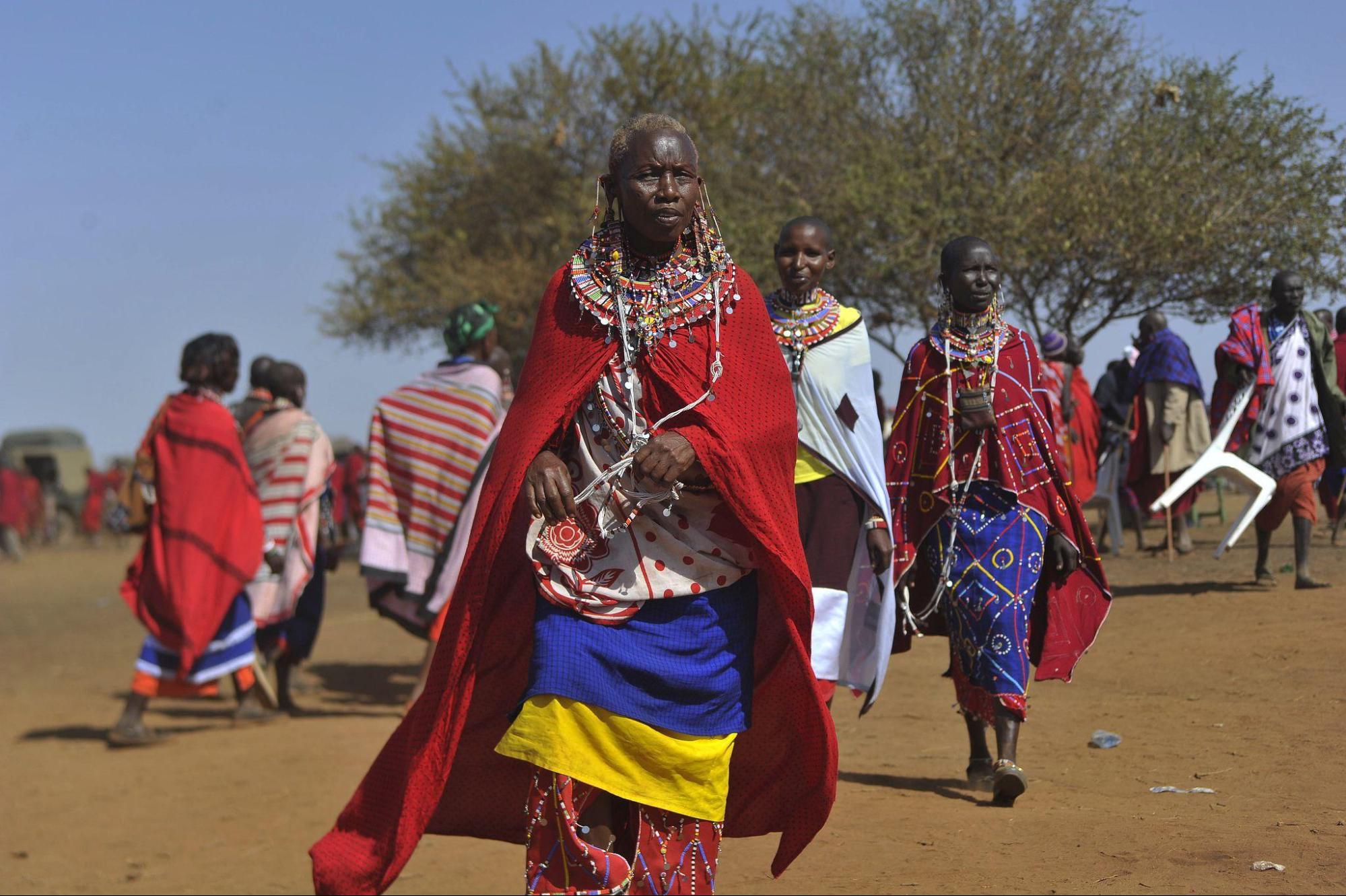
Land is not simply territory for the Masai, it is sacred. One of the most spiritually significant sites is Ol Doinyo Lengai, meaning “Mountain of God.” This active volcano in northern Tanzania is believed to be the dwelling place of Engai.
Because land is sacred:
- The Masai traditionally avoided farming
- They believed digging the soil could harm it
- Burial practices were shaped by respect for the earth
Traditional Burial Customs
Historically, the Masai did not bury most of their dead. Instead, bodies were left in the open and scavengers returned them to nature. Only important leaders were buried. The reasoning was spiritual, burying the dead was believed to disturb sacred soil. Modern religious influences have changed this practice.
Influence of Christianity & Islam
Today, many Masai identify as Christian, Muslim, or followers of blended traditions. Despite this, belief in Engai and reverence for cattle and land often remain culturally significant. This blending of tradition and modern religion reflects broader adaptation.
To understand how Masai culture is evolving, read Modern Challenges Facing the Masai Today.
Spirituality & Ceremonies
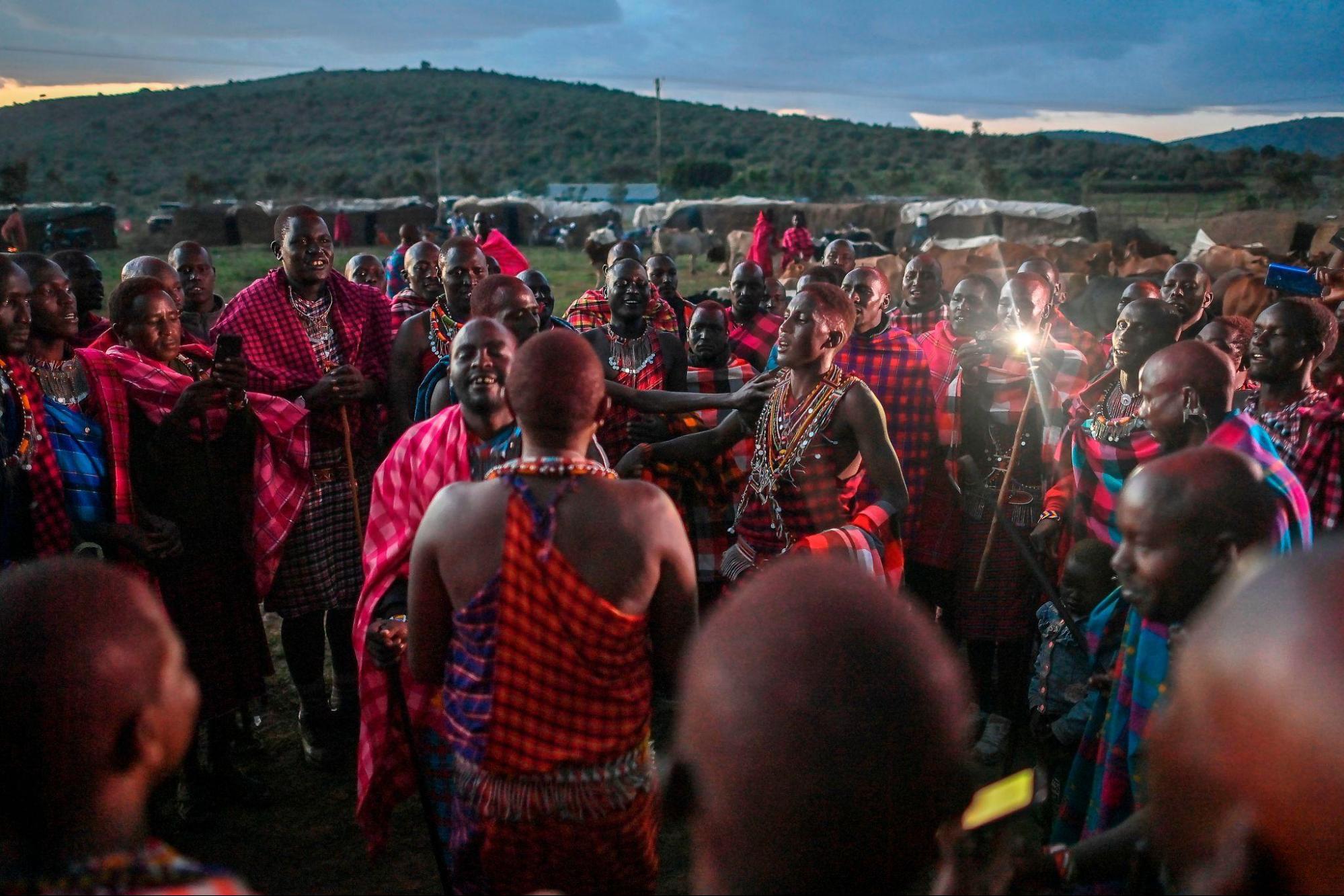
Religious belief is integrated into ceremonies such as warrior initiation, marriage rituals, Eunoto (warrior-to-elder transition), and rain prayers. The Adumu (jumping dance) often forms part of ceremonial gatherings.
Learn more in The Masai Jumping Dance (Adumu): Meaning & Ceremony Explained.
Marriage ceremonies also include spiritual blessings. Explore those customs in Masai Marriage Customs: Bride Price, Polygamy & Family Structure.
Religion & Conservation Today
Because land and cattle are sacred, Masai spirituality influences their relationship with wildlife. While colonial displacement created tension, many Masai communities now operate conservancies near the Masai Mara National Reserve and Serengeti National Park. Their conservation role aligns with traditional land respect.
Learn more in Masai and Wildlife Conservation: From Displacement to Conservancies.
Why Masai Spirituality Matters
Masai religion is not abstract theology, it is practical spirituality embedded in cattle ownership, land use, community hierarchy, and ceremonial structure. Understanding Engai and sacred land transforms a safari landscape from scenery into spiritual territory.
Return to the full cultural guide here: The Masai Tribe: Culture, History, Traditions & Modern Life.
Masai Religion and Beliefs – FAQs (2026)
Engai (Enkai) is the single supreme creator in Masai belief. Engai is often described as having a benevolent aspect linked to rain and fertility and a destructive aspect linked to drought and hardship.
The laibon is a spiritual authority in Masai society who may serve as healer, prophet, ritual leader, and advisor during community crises.
Ol Doinyo Lengai, the “Mountain of God,” is considered sacred and is believed to be closely associated with Engai in Masai spirituality.
Historically, most Masai were not buried and bodies were left in the open, with burial typically reserved for important leaders. Modern influences have changed many practices.
Many Masai identify as Christian or Muslim today, and some follow blended traditions. Cultural reverence for cattle and land often remains significant even with religious change.
Because land and livestock are sacred in Masai belief, spirituality often reinforces respect for landscapes. Many Masai communities now participate in conservancies that protect wildlife while supporting livelihoods.