
The Masai social structure is one of the most organised and enduring systems in East Africa. At the heart of Masai society lies the age-set system, a structured progression that guides boys into warriors, then elders, and eventually community decision-makers. Travelers booking a Masai Mara tour from Pune often gain deeper appreciation for these cultural layers when visiting the region.
Understanding this system is essential to understanding the Masai as a people. Visitors planning a Masai Mara tour from Ahmedabad frequently combine wildlife safaris with cultural insights to better understand how this age-set hierarchy shapes daily life.
If you’re new to Masai culture, start with the full master overview: The Masai Tribe: Culture, History, Traditions & Modern Life in Kenya and Tanzania.
What Is the Masai Age-Set System?
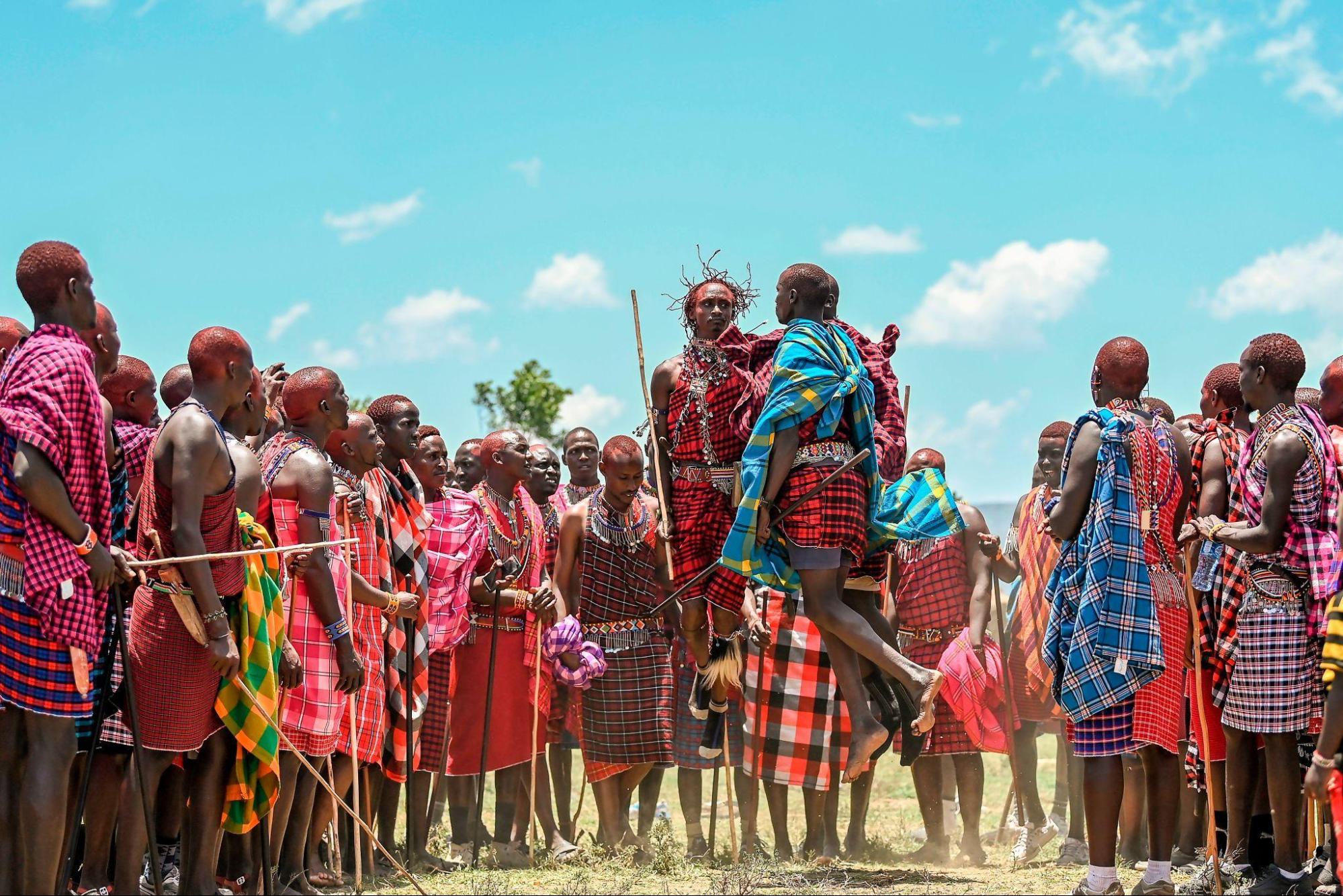
The age-set system (known as olporror) groups Masai males into lifelong cohorts. Boys who undergo initiation around the same time move through life stages together.
These groups share:
- Social responsibilities
- Military duties
- Ritual obligations
- Leadership progression
This structure ensures generational continuity and prevents power instability.
To understand how this system shaped Masai expansion, read The History of the Masai: Migration, Emutai & Colonial Land Loss.
The Four Main Stages of Masai Male Life
1. Moran (Junior Warriors)
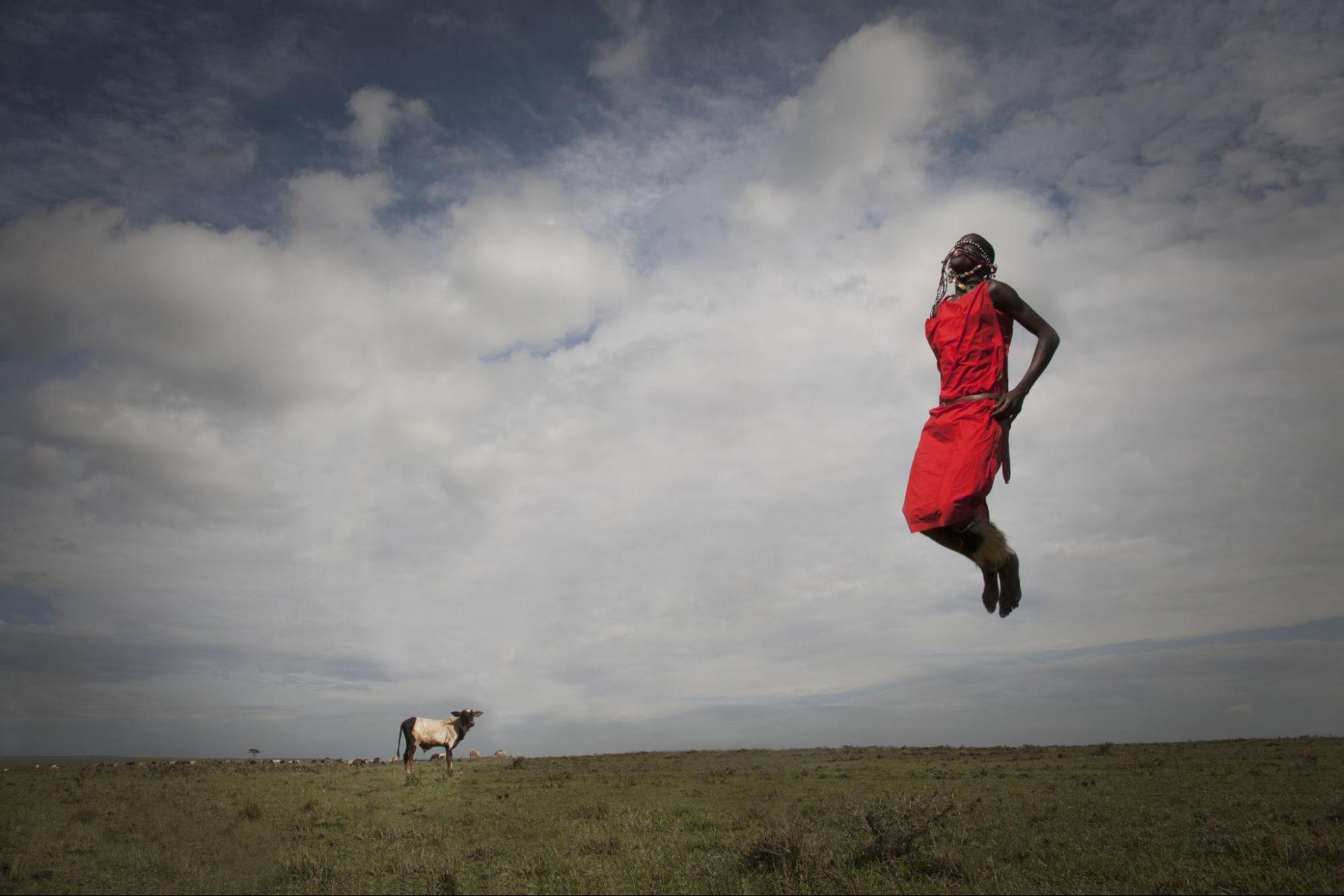
The moran stage is the most iconic. After circumcision, a major rite of passage, young men become warriors. Traditionally, this stage involved:
- Defending cattle
- Protecting territory
- Participating in raids
- Demonstrating bravery
Lion hunting once symbolised courage, but this practice has been banned due to conservation laws.
To understand their role fully, read The Masai Warrior: From Lion Hunts to Modern Conservation.
2. Senior Warriors
As morans mature, they transition into senior warriors. Responsibilities shift from physical defense toward mentorship and preparing for elderhood.
3. Junior Elders
At this stage, men marry, establish households, take on community leadership, and participate in dispute resolution. Marriage and cattle ownership become central.
To explore this family transition, read Masai Marriage Customs: Bride Price, Polygamy & Family Structure.
4. Senior Elders
Senior elders are the ultimate authority within Masai society. They resolve conflicts, approve ceremonies, control land decisions, and guide spiritual direction. Power shifts gradually upward through the age-set ladder, ensuring generational balance.
The Role of Women in Masai Society
While Masai society is patriarchal, women hold essential structural roles. Women are responsible for building manyattas (houses), fetching water and firewood, raising children, and creating beadwork. Their craftsmanship preserves culture and now contributes economically through tourism.
Explore this daily life further in Inside a Masai Village: Manyatta, Enkang & Daily Life, and for cultural symbolism see Masai Traditional Dress & Beadwork: Meaning Behind the Colors.
Decision-Making & Community Governance
Masai governance is communal and elder-led.
Key features:
- Consensus decision-making
- Ritual approval before major actions
- Spiritual consultation via the laibon
The laibon acts as spiritual advisor, prophet, and healer. Learn more about spiritual leadership in Masai Religion & Beliefs: Engai, Laibon & Sacred Land.
Travellers who want to combine wildlife viewing with cultural understanding can consider a Masai Mara group tour from India. A well-planned group safari can include guided reserve visits, local experiences, and context that helps visitors better understand Masai traditions alongside the wildlife journey.
Social Structure & Cattle Ownership
Cattle determine wealth, marriage eligibility, social status, and ritual capacity. Without livestock, a man’s standing declines significantly.
To understand this economic and spiritual relationship, read What Do the Masai Eat? Traditional Diet & Cattle Culture.
How Social Structure Supports Survival
The Masai social system allowed them to expand territory during migration, survive the Emutai crisis, adapt during colonial land loss, and maintain identity under modern pressure. It is this structured continuity that explains their resilience.
For modern-day impact, read Modern Challenges Facing the Masai Today.
Why the Age-Set System Still Matters Today
Even as education and tourism influence Masai youth, the age-set framework still shapes identity and leadership. Young Masai today may attend university, work in conservancies, or operate safari lodges, yet they still recognise generational authority and communal responsibility.
To understand how Masai now balance tradition with wildlife protection, read Masai and Wildlife Conservation: From Displacement to Conservancies.
Final Thoughts
The Masai social structure is not random or symbolic, it is a carefully layered hierarchy that has guided survival for centuries. Understanding age sets, warriorhood, and elder authority gives deeper insight into Masai resilience. Return to the master guide here: The Masai Tribe: Culture, History, Traditions & Modern Life.
Masai Social Structure – FAQs (2026)
The age-set system (olporror) groups Masai males into lifelong cohorts who move through life stages together, sharing responsibilities, rituals, and leadership progression.
Moran refers to junior warriors. After initiation, morans traditionally focus on community security, protecting cattle, and developing discipline and endurance.
Junior elders typically marry, establish households, and begin community leadership roles. Senior elders hold the highest authority, guiding land decisions, approving ceremonies, and resolving disputes.
Masai governance is communal and elder-led, often using consensus decision-making, ritual approval, and spiritual consultation through the laibon when required.
Women hold essential roles in daily life and cultural continuity, including building manyattas, raising children, managing household work, and creating beadwork that preserves tradition and supports livelihoods.
Cattle influence wealth, marriage eligibility, social standing, and ritual participation. In Masai society, livestock is closely tied to both economic stability and spiritual identity.
Yes. Even with modern education and tourism-based careers, the age-set framework still shapes identity, authority, and communal responsibility across generations.