
The Masai are often seen as timeless, standing proudly in red shukas against the savannah backdrop. But modern Masai life is far from frozen in history. Today, Masai communities face land pressure, climate stress, education shifts, and the complex realities of conservation and tourism. Travelers booking a Masai Mara tour from Kochi increasingly seek responsible safari experiences that understand and respect these ongoing transitions.
To understand their cultural foundation first, read The Masai Tribe: Culture, History, Traditions & Modern Life in Kenya and Tanzania.
Land Rights & Shrinking Grazing Territory
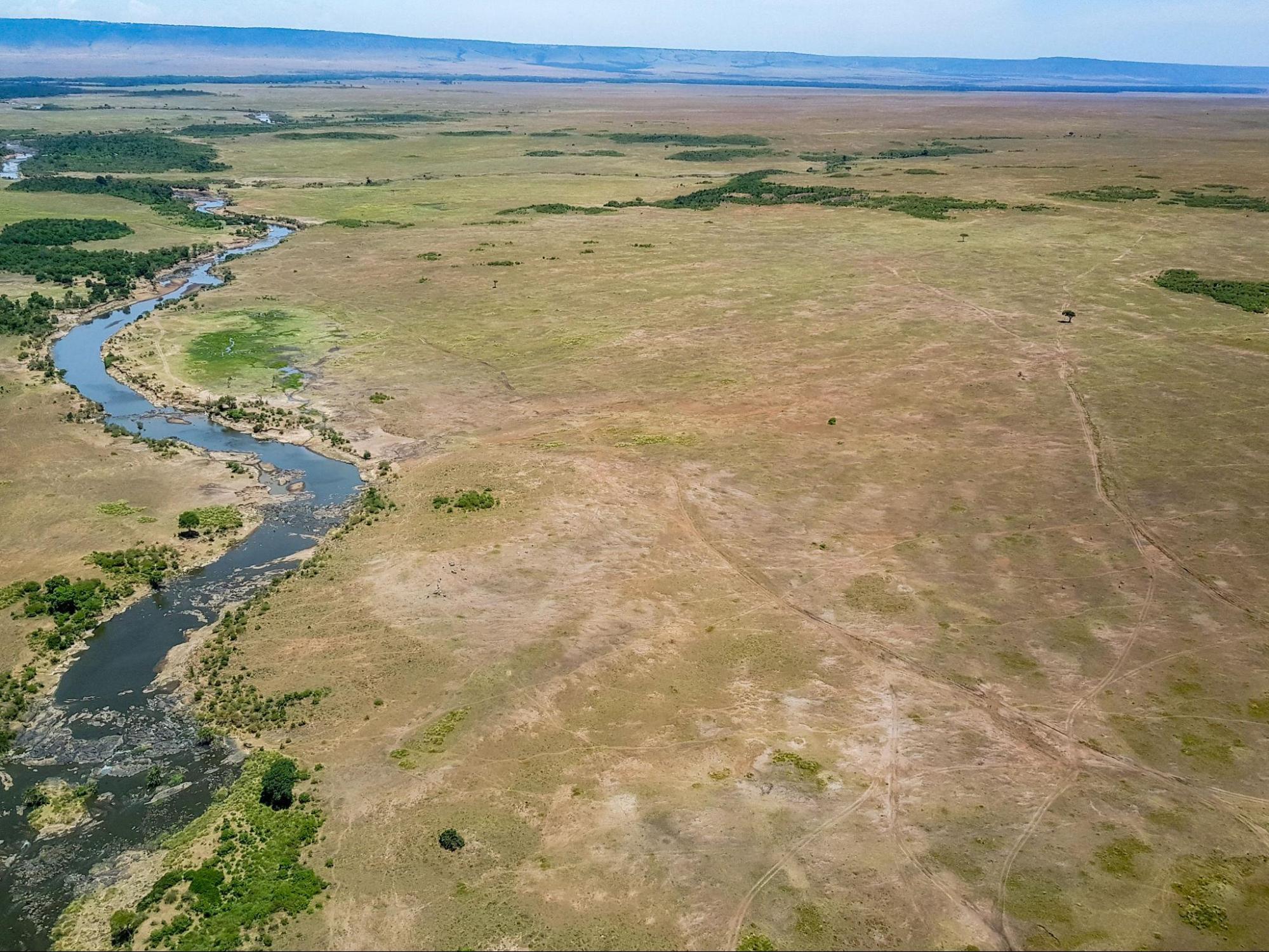
Land remains the most pressing issue for many Masai communities. Since colonial times, Masai territory has been reduced by:
- National park creation
- Private land subdivision
- Urban expansion
- Agricultural development
Protected areas such as the Masai Mara National Reserve and Serengeti National Park were carved from traditional grazing lands.
For full historical background, read The History of the Masai: Migration, Emutai & Colonial Land Loss.
Climate Change & Livestock Vulnerability
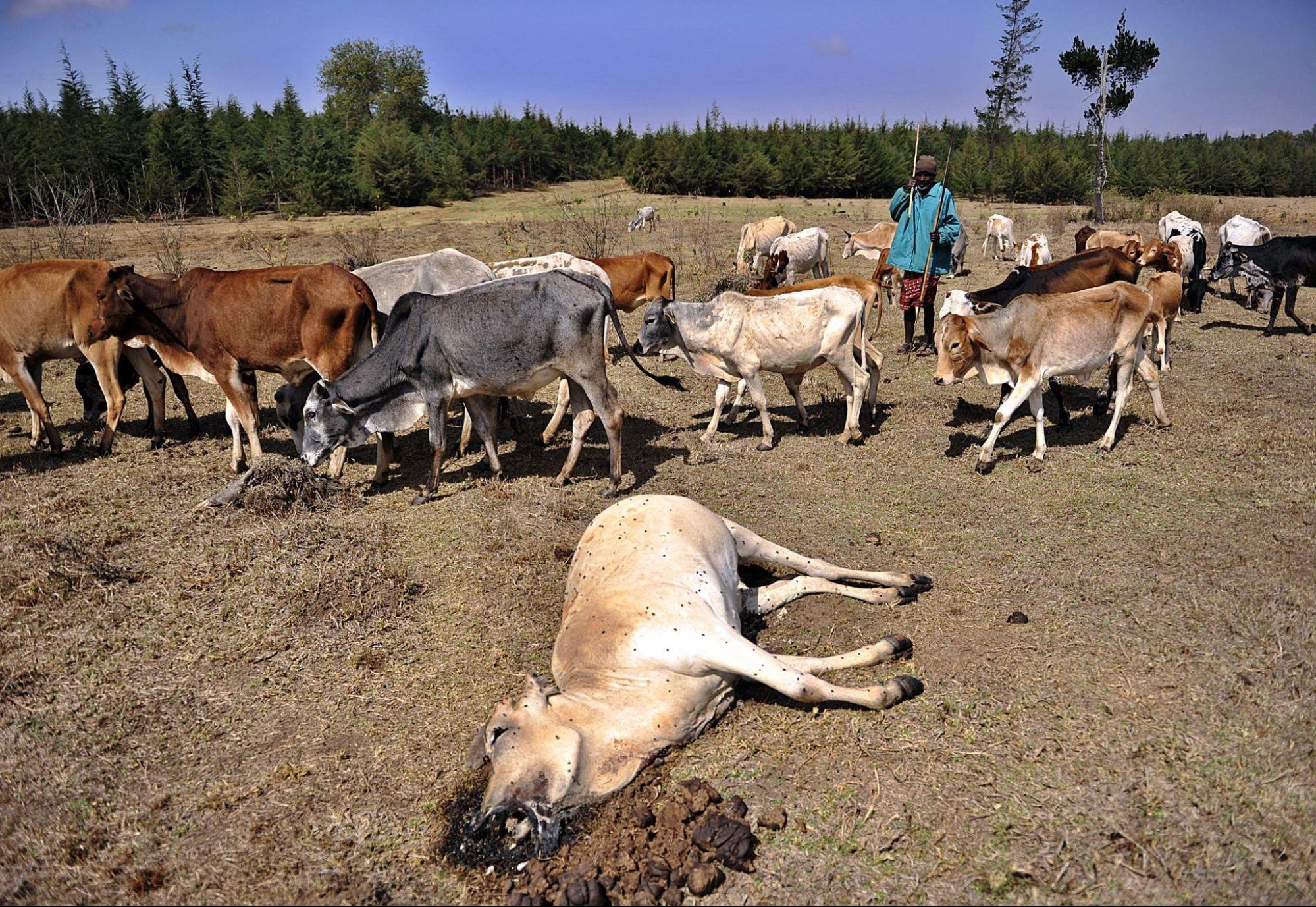
The Masai economy is cattle-based. Drought cycles are becoming more severe and unpredictable, leading to livestock loss, reduced milk production, food insecurity, and economic instability. When cattle suffer, the entire social structure feels the impact.
To understand the centrality of cattle, read What Do the Masai Eat? Traditional Diet of Milk, Blood & Meat.
Balancing Education & Tradition
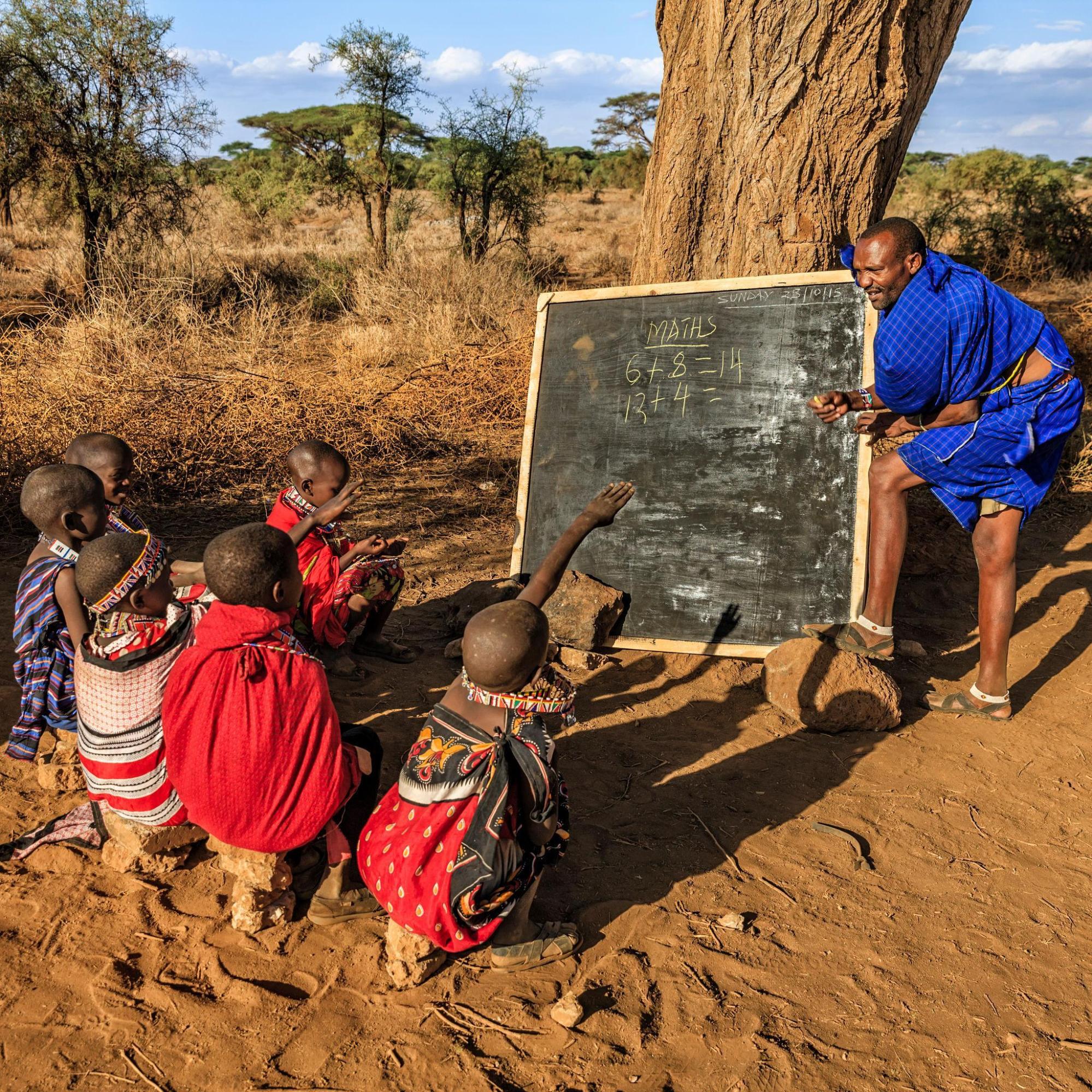
Increasingly, young Masai are pursuing formal education. Education brings new career paths, urban migration, exposure to global culture, and changing social expectations. However, it can also create tension with the age-set system, traditional warrior stages, and early marriage customs.
To understand the age-set structure, read Masai Social Structure: Age Sets, Warriors & Elders Explained. For marriage customs, see Masai Marriage Customs: Bride Price & Family Structure.
Tourism: Opportunity & Risk
Tourism provides income through conservancies, cultural visits, safari guiding, and handcrafted beadwork. But it also introduces cultural commodification, unequal revenue distribution, and overexposure of rituals.
To understand ethical engagement, read How to Visit a Masai Village Respectfully. For conservation partnerships, see Masai and Wildlife Conservation: From Displacement to Conservancies.
Cultural Preservation vs Modern Influence
Modern pressures include Christianity and Islam, mobile technology, government regulation, and formal land titles. While many Masai maintain belief in Engai and sacred land, traditional practices are evolving.
To explore spiritual foundations, read Masai Religion & Beliefs: Engai, Laibon & Sacred Land.
Gender Roles & Change
Women’s roles are gradually shifting. Traditionally, women built homes, raised children, and produced beadwork. Today, some women are entrepreneurs, educators, and activists.
Explore beadwork symbolism in Masai Traditional Dress & Beadwork: Meaning Behind the Colors.
Warrior Identity in a Changing World
The moran stage remains culturally significant, but modern realities have changed its function. Instead of lion hunts and territorial raids, today’s morans often become wildlife rangers, tourism guides, and conservation ambassadors.
Learn more in The Masai Warrior (Moran): Lion Hunts & Modern Role.
Settlement Patterns & Village Life
As grazing lands shrink, some Masai are transitioning from semi-nomadic movement to more permanent settlement. This impacts enkang structure, livestock movement, and community autonomy.
Learn about traditional village life in Inside a Masai Village: Manyatta & Daily Life.
Resilience Through Adaptation
Despite modern pressures, Masai communities continue to adapt while preserving Maa language, age-set hierarchy, spiritual land connection, and cultural ceremonies. Their story is not one of disappearance, but transformation.
Return to the full cultural guide here: The Masai Tribe: Culture, History, Traditions & Modern Life.
Modern Challenges Facing the Masai – FAQs (2026)
For many communities, land rights and shrinking grazing territory remain the most pressing issue because it impacts livestock, mobility, and long-term cultural stability.
More severe and unpredictable drought cycles can reduce pasture and water availability, leading to livestock loss, lower milk production, and food insecurity.
In many areas, the age-set framework still shapes identity and leadership, even when young Masai pursue education and modern careers.
Tourism can provide income through conservancies, guiding, and craft sales, but it can also create pressure through unequal revenue distribution and cultural overexposure if not managed responsibly.
Instead of roles centered on territorial defense, many morans now work as rangers, conservancy guards, and cultural ambassadors, reflecting a shift toward conservation and tourism-based livelihoods.
Masai traditions are evolving rather than disappearing. Many communities maintain Maa language, ceremonies, and social hierarchy while adapting to land, climate, education, and economic change.