
The Masai diet is one of the most discussed aspects of their culture. Traditional Masai food revolves around cattle. Milk, blood, and meat form the nutritional foundation, but the story behind this diet is spiritual, economic, and historical. Travelers planning a Masai Mara tour from Surat are often curious to understand how livestock shapes not only nutrition, but identity and social structure within Masai society.
If you are new to Masai culture, begin with The Masai Tribe: Culture, History, Traditions & Modern Life in Kenya and Tanzania.
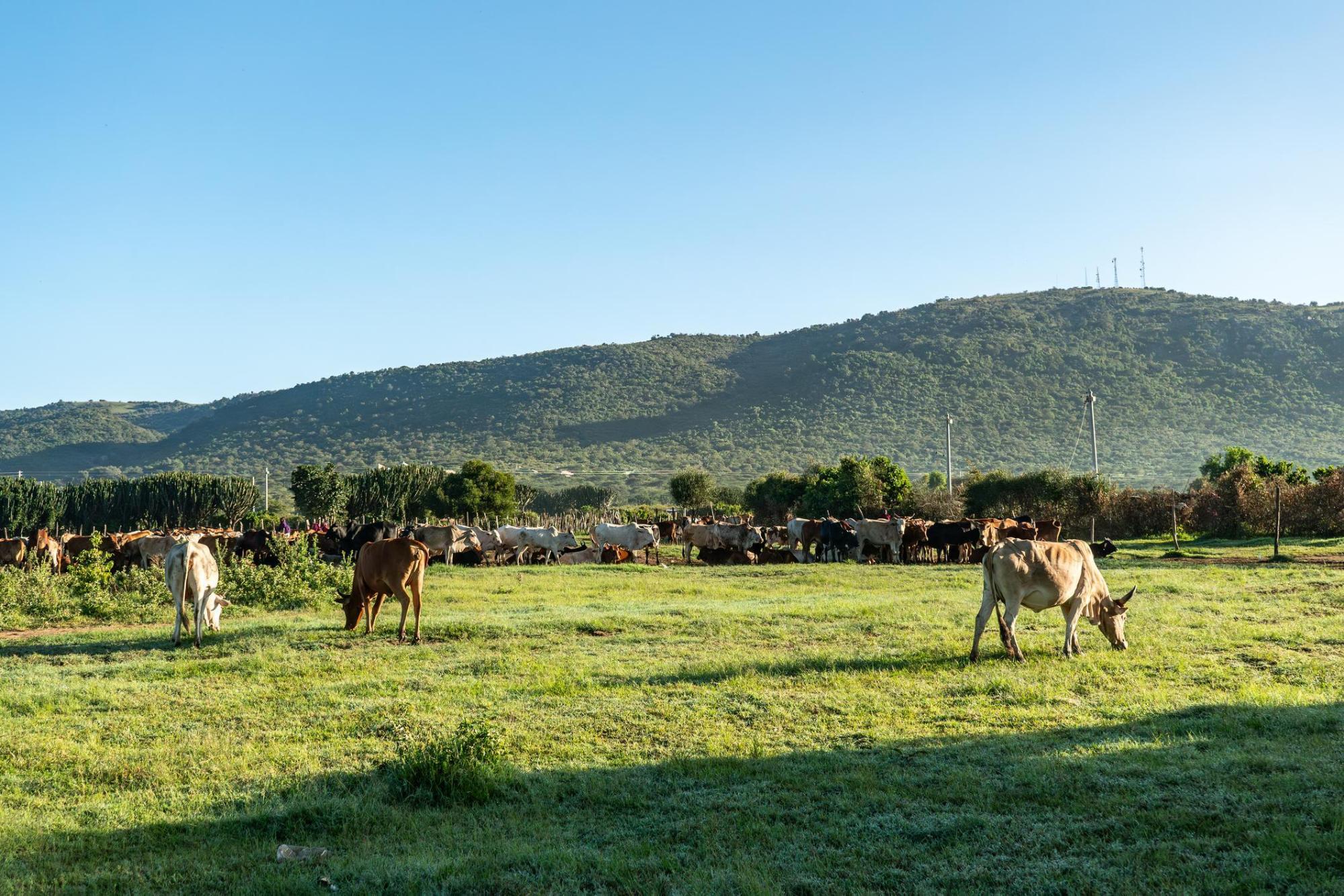
Why Cattle Are Central to Masai Life
To understand Masai food, you must understand cattle.
- Cattle are wealth
- Cattle are food
- Cattle are currency
- Cattle are spiritual inheritance
According to Masai belief, their creator Engai granted them ownership of all cattle on Earth.
Learn more about this spiritual connection in Masai Religion & Beliefs: Engai, Laibon & Sacred Land.
Milk: The Daily Staple
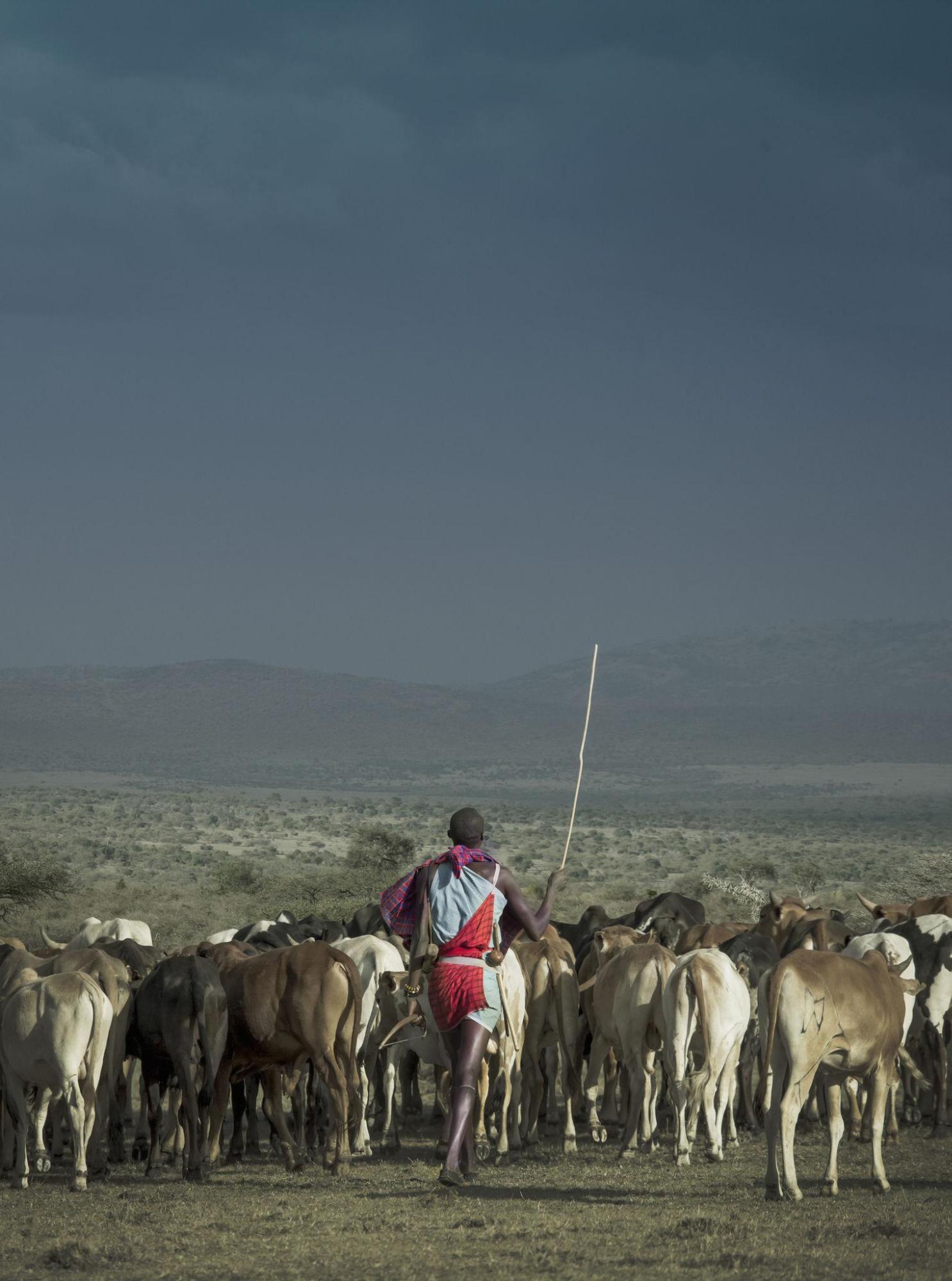
Milk is the primary component of the traditional Masai diet. It is consumed fresh, fermented, mixed with blood, and used as a nutritional base for children and elders. Milk represents purity and sustenance and is symbolically linked to peace and prosperity.
To understand how cattle define social status, read Masai Social Structure: Age Sets, Warriors & Elders Explained.
Do the Masai Really Drink Blood?
Yes, but context matters. Blood is traditionally collected by carefully nicking the jugular vein of a cow without killing the animal. The wound is then sealed.
Blood consumption typically occurs during ceremonies, for warriors, for sick individuals, or for postpartum recovery. It is often mixed with milk and consumed as a nutrient-rich supplement.
It is not daily food, but ceremonial and medicinal.
Meat: Reserved for Special Occasions
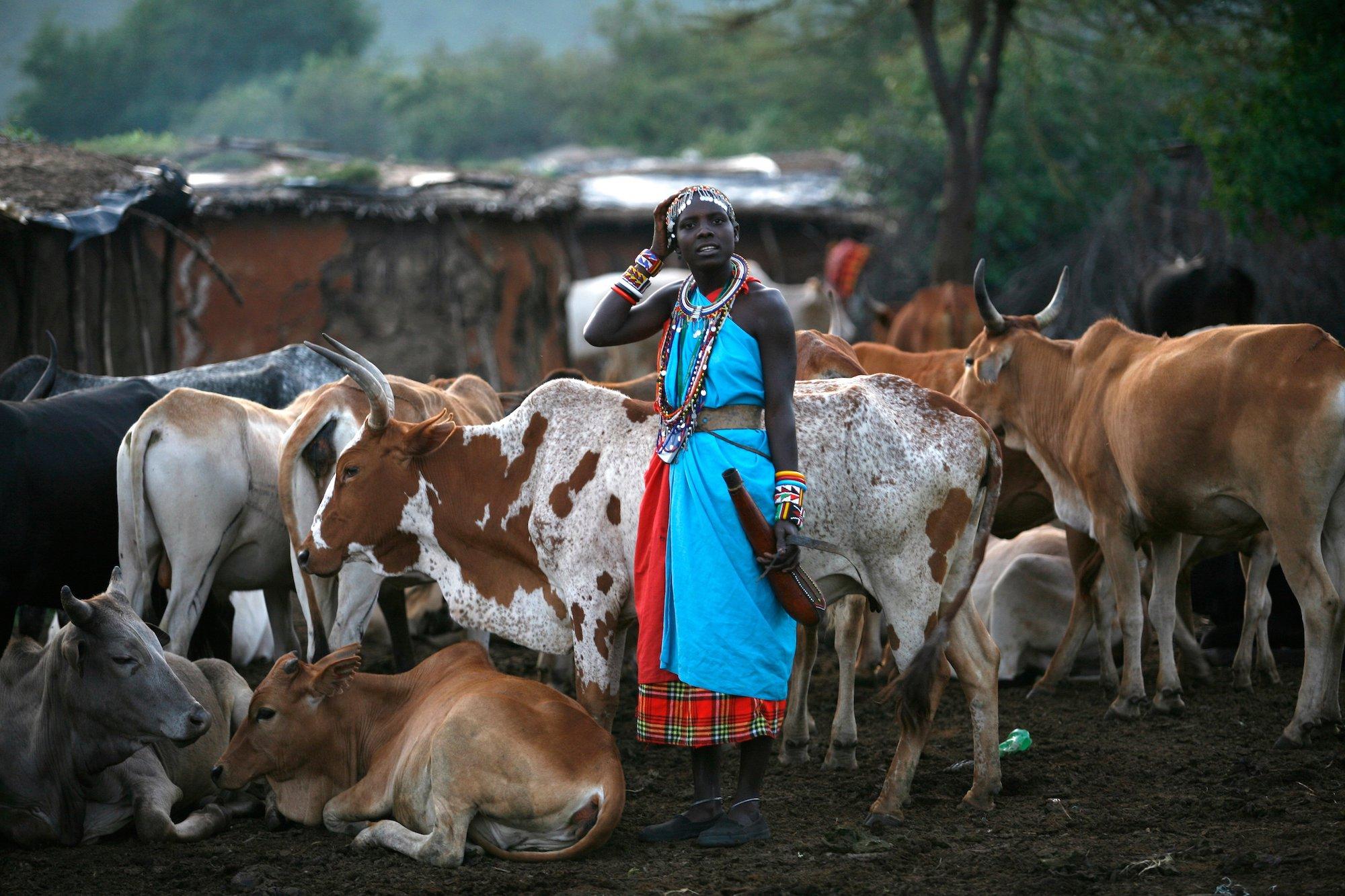
Contrary to common assumptions, meat is not eaten daily. Traditionally, meat is consumed during ceremonies, initiation rites, and community celebrations. Slaughtering cattle is a significant act because livestock represent wealth and survival.
To understand warrior ceremonies connected to meat consumption, read The Masai Warrior (Moran): Lion Hunts, Jumping Dance & Modern Role.
Have the Masai Diets Changed?
Yes, gradually. Due to land fragmentation, reduced grazing access, modern trade, and education exposure, many Masai now include maize (used to make ugali), tea with milk, rice, and vegetables. However, milk and cattle remain culturally central.
To understand how land changes impacted food systems, read The History of the Masai: Migration, Emutai & Colonial Land Loss.
Diet & Village Life
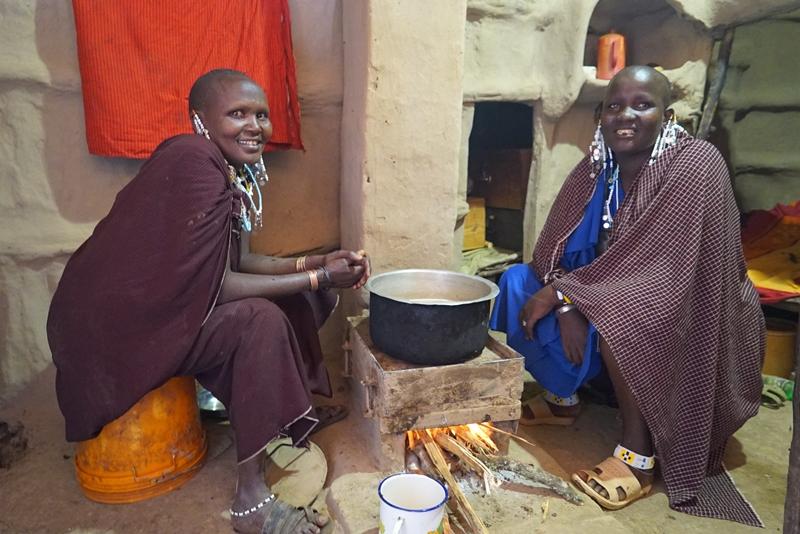
Food preparation happens within the manyatta, or village compound. Women manage food distribution, milk storage, cooking responsibilities, and child nutrition. Community life revolves around shared livestock resources.
Explore Masai domestic structure in Inside a Masai Village: Manyatta, Enkang & Daily Life.
The Nutritional Debate
Anthropologists have long studied the Masai diet due to its heavy reliance on animal products. Despite high animal fat intake, traditional Masai communities historically showed low rates of cardiovascular disease, likely due to high physical activity, lean livestock, natural food systems, and absence of processed foods. Modern shifts, however, are changing health patterns.
To understand modern adaptation challenges, read Modern Challenges Facing the Masai Today.
Cattle as Spiritual & Economic Anchor
Cattle determine marriage eligibility (bride price), social rank, ceremonial authority, and family stability. Explore marriage customs in Masai Marriage Customs: Bride Price, Polygamy & Family Structure, and their conservation role in Masai and Wildlife Conservation: From Displacement to Conservancies.
Why Understanding Masai Diet Matters
The Masai diet is ecological. It evolved alongside semi-nomadic movement, savanna grazing systems, spiritual cattle beliefs, and communal social order. Understanding their food system offers deeper insight into their worldview.
Return to the full cultural guide here: The Masai Tribe: Culture, History, Traditions & Modern Life.
Masai Diet – FAQs (2026)
The traditional Masai diet centers on milk, blood, and meat derived from cattle, which hold economic, spiritual, and social importance.
No. Blood consumption is typically ceremonial or medicinal and often mixed with milk. It is not part of daily meals.
Cattle represent wealth, food security, marriage eligibility, and spiritual inheritance in Masai society.
Traditionally, vegetables were minimal in the diet, but modern Masai communities now include maize, rice, tea, and vegetables due to lifestyle changes.
Historically, high physical activity and natural food systems balanced their high animal-product diet. Modern dietary shifts are influencing new health patterns.
Women manage milk storage, cooking, and food distribution within the manyatta, playing a central role in family nutrition.