
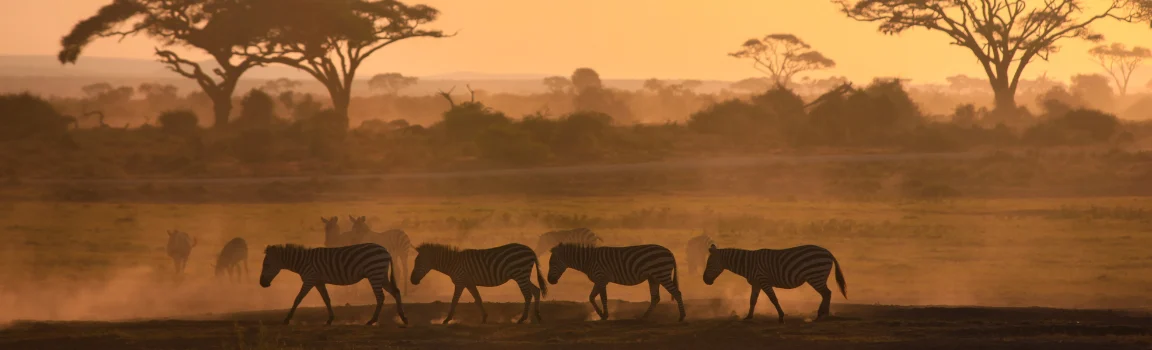
The relationship between the Masai and wildlife is complex, historic, and deeply intertwined. For centuries, Masai communities coexisted with Africa’s iconic animals across the open plains of East Africa. Today, many Masai are not just pastoralists, they are conservation partners. Travelers considering a Masai Mara tour from Bhopal often gain a deeper appreciation for how community-led conservancies are shaping the future of wildlife protection in the region.
To understand this evolution fully, begin with The Masai Tribe: Culture, History, Traditions & Modern Life in Kenya and Tanzania.
Traditional Coexistence With Wildlife
Historically, the Masai:
- Did not rely on hunting wild animals for food
- Focused on cattle-based survival
- Migrated seasonally without intensive land farming
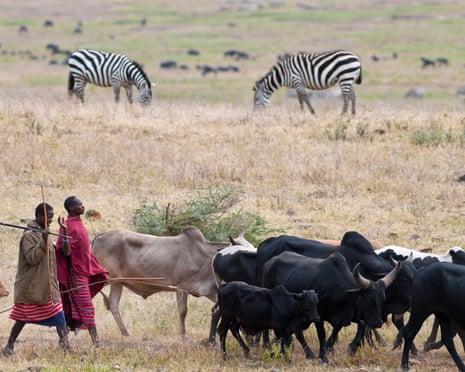
- Shared grazing landscapes with wildlife
Their semi-nomadic lifestyle allowed wildlife to move freely across the ecosystem. This long coexistence shaped their spiritual respect for land.
Learn more about sacred land in Masai Religion & Beliefs: Engai, Laibon & Sacred Land.
Colonial Displacement & National Parks
In the early 20th century, colonial authorities created protected wildlife areas, including the Masai Mara National Reserve and Serengeti National Park. Large areas of Masai grazing land were reclassified as national parks.
Masai communities were:
- Relocated
- Restricted from traditional grazing routes
- Excluded from decision-making
This created tension between conservation policy and indigenous land rights.
For full historical context, read The History of the Masai: Migration, Emutai & Colonial Land Loss.
The Shift Toward Community Conservancies
In recent decades, a new conservation model has emerged: community-run conservancies.
Under this model:
- Masai landowners lease land to safari operators
- Wildlife is protected
- Grazing remains partially allowed
- Communities receive direct income
This conservancy approach balances livelihood, wildlife protection, and cultural continuity. Many conservancies now operate around the Masai Mara ecosystem.
The Role of Masai Warriors in Conservation
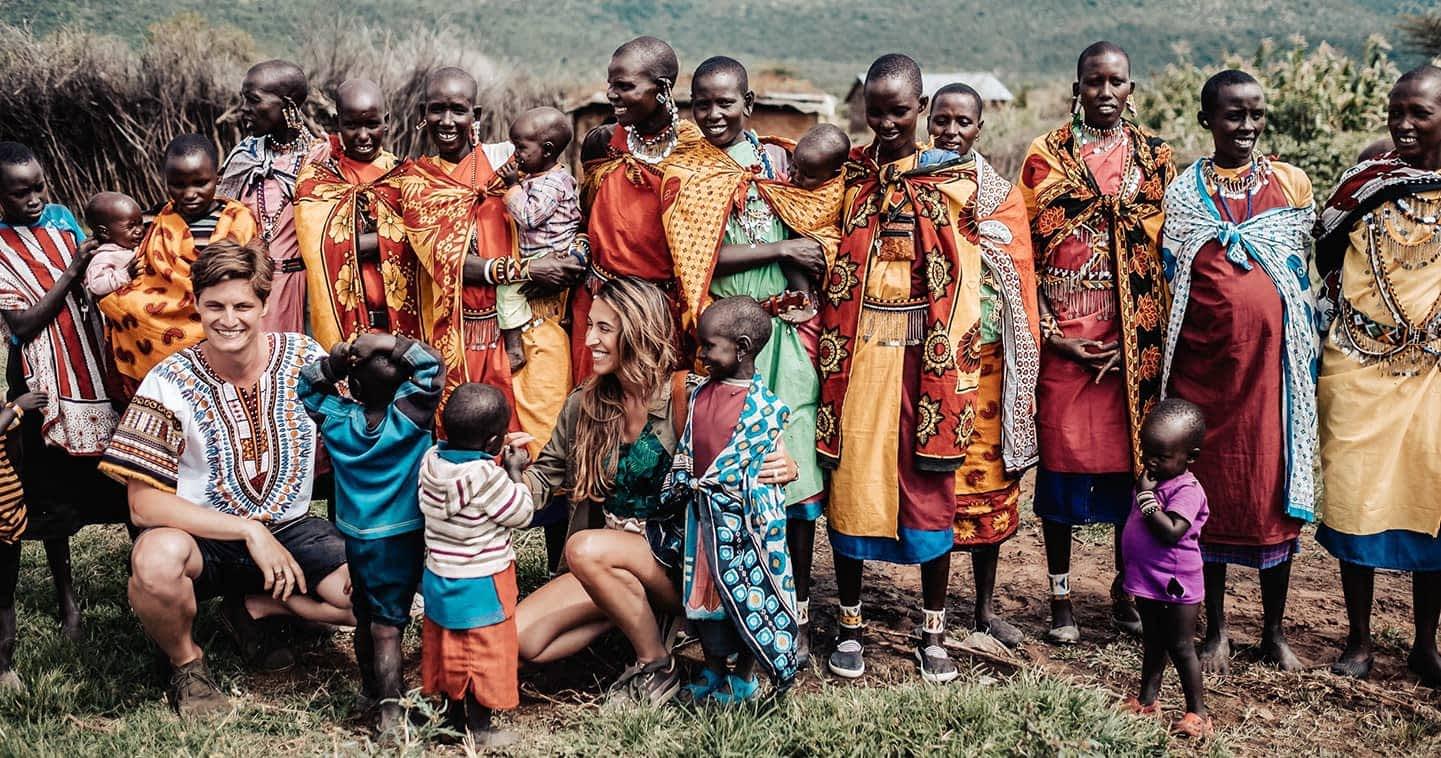
Modern morans increasingly serve as wildlife rangers, anti-poaching patrol members, conservancy guards, and cultural tourism ambassadors. Instead of defending cattle from wildlife through confrontation, they now participate in ecosystem protection.
To understand warrior transformation, read The Masai Warrior (Moran): Lion Hunts & Modern Role.
Tourism & Economic Sustainability
Tourism revenue has become a major income source for many Masai communities. Responsible tourism funds schools, supports healthcare, creates ranger employment, and encourages wildlife preservation.
If planning a cultural visit, read How to Visit a Masai Village Respectfully (Ethical Tourism Guide).
Conservation Challenges Today
Despite progress, Masai communities still face land fragmentation, climate change pressures, livestock-wildlife conflict, and development expansion. Balancing grazing needs with wildlife corridors remains complex.
For deeper analysis, read Modern Challenges Facing the Masai Today.
Conservation & Social Structure
Elders and community leaders often negotiate conservancy agreements. The age-set system supports structured decision-making in land agreements.
To understand this governance structure, read Masai Social Structure: Age Sets, Warriors & Elders Explained.
Why Masai Conservation Matters Globally
The Masai conservancy model is considered a global example of community-based wildlife management. It demonstrates that indigenous communities can protect ecosystems, conservation and livelihood are not opposites, and cultural identity can coexist with tourism.
To understand the broader cultural framework behind this resilience, revisit The Masai Tribe: Culture, History, Traditions & Modern Life.
Masai Wildlife Conservation – FAQs (2026)
Traditionally, the Masai focused on cattle-based survival and did not depend on hunting wild animals for food.
During colonial rule, protected wildlife areas were created, and Masai grazing lands were reclassified, leading to relocation and restricted access.
A community conservancy is land managed by local landowners who lease it for wildlife protection and tourism while retaining partial grazing rights.
Many morans now work as wildlife rangers, conservancy guards, and anti-poaching patrol members, helping protect ecosystems.
Yes. Conservancies generate income through tourism partnerships, which fund schools, healthcare, and local employment.
The model shows that conservation and indigenous livelihoods can coexist, offering a scalable example of community-based ecosystem management.