
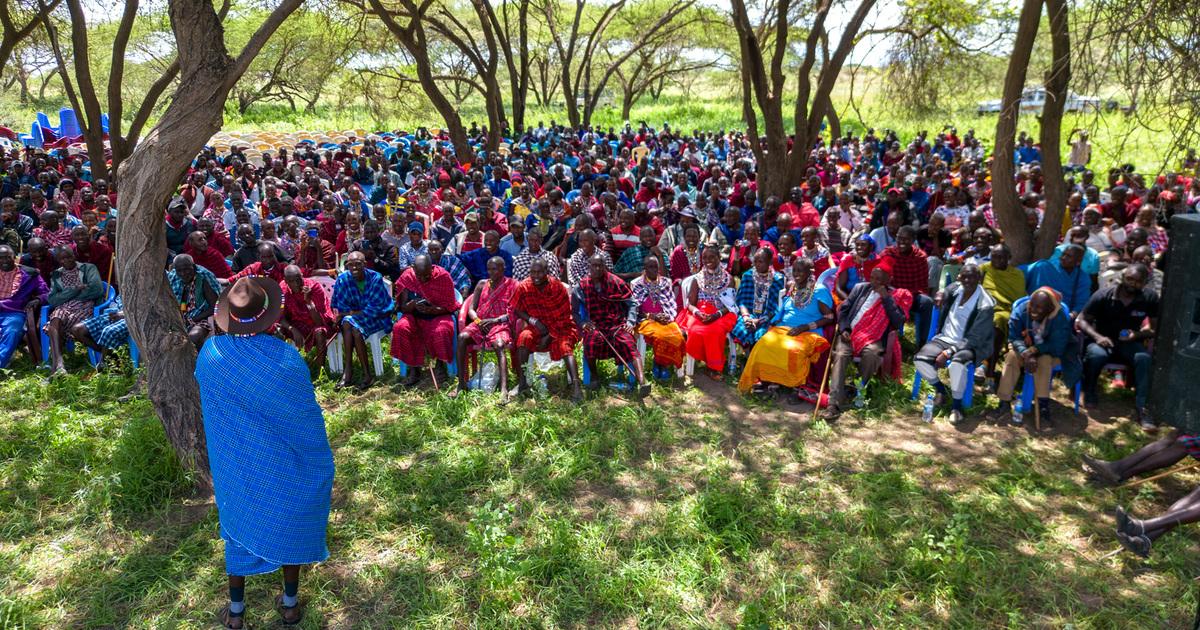
The Masai tribe is one of Africa’s most recognisable and culturally resilient communities. Instantly identified by their red shukas, intricate beadwork, and proud warrior heritage, the Masai people have lived across southern Kenya and northern Tanzania for centuries. Many travelers who book a Masai Mara tour from Bangalore are especially drawn to this rich cultural dimension alongside wildlife experiences.
From the open plains of the Masai Mara National Reserve to the highlands surrounding the Ngorongoro Conservation Area, the Masai remain deeply connected to their land, livestock, and traditions. Visitors planning a Masai Mara tour from Delhi often combine game drives with meaningful cultural encounters to better understand this heritage.
In this complete guide, we explore Masai history, social structure, religion, warrior culture, daily life, conservation efforts, and the modern challenges shaping their future.
Who Are the Masai People?
The Masai are an Eastern Nilotic ethnic group numbering over one million people. They primarily live in Kenya’s Narok and Kajiado counties and across northern Tanzania.
Traditionally semi-nomadic pastoralists, cattle form the backbone of Masai identity. Wealth is measured not by money, but by livestock and children.
For a deeper geographic and identity breakdown, read Who Are the Masai People? Location, Population & Identity.
The History of the Masai: Migration, Expansion & Survival
Masai oral history traces their origins to the Nile Valley near Lake Turkana. Between the 15th and 18th centuries, they migrated south into the Great Rift Valley.
By the 19th century, they dominated vast territories stretching from central Tanzania to Mount Marsabit.
However, the devastating “Emutai” period, marked by disease, drought, and cattle loss, severely reduced their population. Colonial treaties later seized Masai land to create national parks and ranches.
For a full historical timeline, see The History of the Masai: Migration, Emutai & Colonial Land Loss.
Masai Social Structure: Age Sets & Warrior System
Masai society is structured through a unique age-set system. Boys transition together through stages:
- Moran (Junior Warrior)
- Senior Warrior
- Junior Elder
- Senior Elder
Each stage carries responsibility, authority, and community roles.
For a detailed breakdown, read Masai Social Structure: Age Sets, Warriors & Elders Explained.
The Iconic Masai Warrior (Moran)
The image of the Masai moran, tall and spear in hand, symbolizes strength and discipline.
Historically, warriors proved bravery by hunting lions (now banned due to conservation laws). Today, morans focus on livestock protection and community security.
To understand the evolution of the warrior role, see The Masai Warrior: From Lion Hunts to Modern Conservation.
Traditional Dress & Masai Beadwork Meaning
The Masai shuka, usually bright red, represents bravery and the blood of cattle. Their beadwork carries symbolic meaning:
- Red – strength and unity
- Blue – sky and God (Engai)
- Green – land and fertility
- White – milk and purity
Beadwork is traditionally crafted by Masai women and has become both cultural art and economic support.
Explore the symbolism in depth in Masai Traditional Dress & Beadwork: Meaning Behind the Colors.
The Famous Masai Jumping Dance (Adumu)
The Adumu, or “jumping dance,” is performed by morans during ceremonies. Warriors jump vertically without bending knees, demonstrating endurance and strength.
It is now one of the most photographed cultural experiences in East Africa.
For the full explanation, read The Masai Jumping Dance (Adumu) Explained.
What Do the Masai Eat?
The traditional Masai diet revolves around:
- Milk
- Blood
- Meat
Cattle are central to survival and spirituality. Today, grains like maize (used for ugali) are increasingly included.
For a deeper look into diet and livestock culture, see What Do the Masai Eat? Traditional Diet & Cattle Culture.
Inside a Masai Village (Manyatta & Enkang)
A Masai village, called an enkang, is circular and fenced with thorn bushes to protect livestock.
Homes (manyattas) are built by women using mud, ash, sticks, and cow dung.
Explore daily life in Inside a Masai Village: Manyatta, Enkang & Daily Life.
Religion & Beliefs: Who Is Engai?
The Masai believe in one supreme deity, Engai (Enkai), who embodies both benevolent and destructive aspects.
The laibon serves as spiritual leader, prophet, and healer.
Sacred land, especially Ol Doinyo Lengai, remains central to Masai spirituality.
For a complete overview, see Masai Religion & Beliefs: Engai, Laibon & Sacred Land.
Marriage, Bride Price & Family Life
Marriage involves a bride price paid in cattle. Elder men may have multiple wives. Children are seen as wealth and future strength.
Community child-rearing reinforces unity and resilience.
Read the full cultural breakdown in Masai Marriage Customs: Bride Price, Polygamy & Family Structure.
Masai & Wildlife Conservation
Though displaced during colonial park creation, many Masai communities now operate conservancies around the Serengeti National Park and the Masai Mara ecosystem.
They lease land to safari operators, blending conservation with cultural preservation.
Learn more in Masai and Wildlife Conservation: From Displacement to Conservancies.
Modern Challenges Facing the Masai
Today the Masai face:
- Land fragmentation
- Urban expansion
- Climate pressures
- Balancing education with tradition
Despite this, they continue adapting while preserving identity.
For a detailed analysis, read Modern Challenges Facing the Masai Today.
The Masai Language (Maa)
The word “Masai” means “people who speak Maa.” The language preserves deep cultural concepts like:
- Moran (warrior)
- Enkang (homestead)
Learn essential Masai words in Masai Language (Maa): Words, Meaning & Cultural Identity.
Final Thoughts
The Masai are not only a symbol of East Africa’s heritage, but a living culture continuously adapting to modern realities. Understanding their history, traditions, and present-day challenges adds depth to any Kenya or Tanzania journey and helps travellers engage with respect, context, and awareness.
The Masai Tribe – FAQs (2026)
The Masai primarily live across southern Kenya (including Narok and Kajiado counties) and northern Tanzania, within and around key rangelands connected to the greater Serengeti–Mara ecosystem.
Cattle are central to Masai identity, economy, and social structure. Traditionally, wealth and status are measured through livestock and family, and cattle influence diet, ceremonies, and community security.
A moran is a Masai warrior, traditionally trained for endurance, discipline, and protecting livestock and the community. The role has evolved over time, especially with modern conservation laws.
Yes. Adumu is commonly referred to as the Masai jumping dance. It is performed during ceremonies, often by morans, and reflects strength, rhythm, and endurance.
Masai beadwork is rich in symbolism. For example, red is associated with strength and unity, blue with the sky and God (Engai), green with land and fertility, and white with milk and purity.
A Masai village is called an enkang. It is typically circular and protected with thorn fencing. Traditional homes (manyattas) are built using natural materials such as mud, ash, sticks, and cow dung.
Engai (also spelled Enkai) is the Masai supreme deity, viewed as having both benevolent and destructive aspects. Spiritual leadership often involves the laibon, who is seen as a healer and prophet.
Many Masai communities work through conservancies and land-lease models near major wildlife areas, partnering with safari operators to support conservation while preserving cultural livelihoods.
Key challenges include land fragmentation, urban expansion, climate pressures affecting pastoral life, and balancing education and modern careers with traditional identity and community structures.