
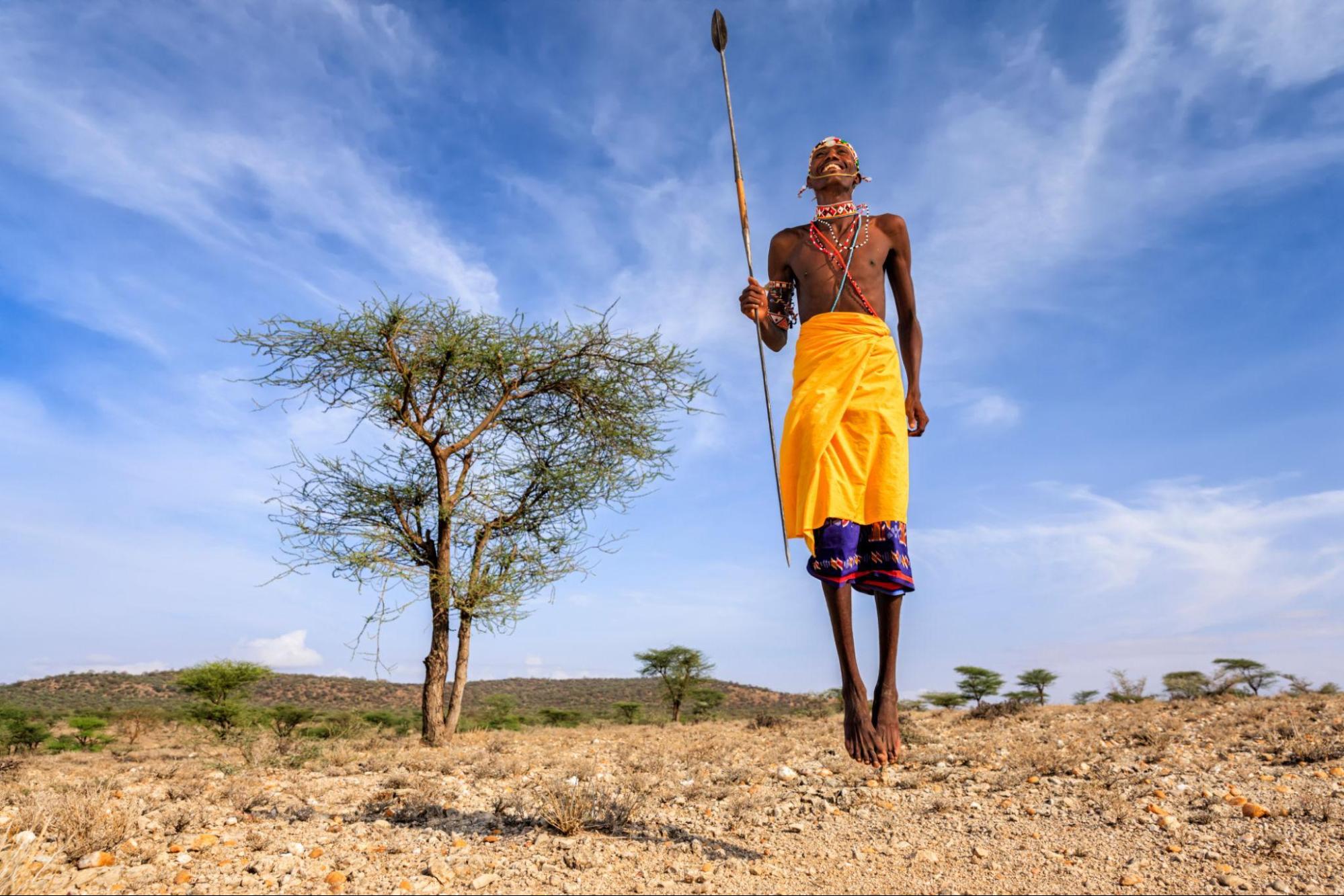
The Masai jumping dance, known as Adumu, is one of the most recognisable cultural performances in East Africa. Often performed by Masai warriors in a circular formation, the dance features high vertical jumps without bending the knees. But Adumu is not a tourist show. It is a ceremonial expression of strength, unity, and warrior identity. Travelers considering a Masai Mara tour from Lucknow are often surprised to learn that this powerful performance is rooted in age-set traditions rather than staged entertainment.
If you’re new to Masai culture, begin with the full overview: The Masai Tribe: Culture, History, Traditions & Modern Life in Kenya and Tanzania.
What Is the Adumu Dance?
Adumu is a traditional Masai dance performed primarily by morans (junior warriors) during ceremonies and communal gatherings.
The dance involves:
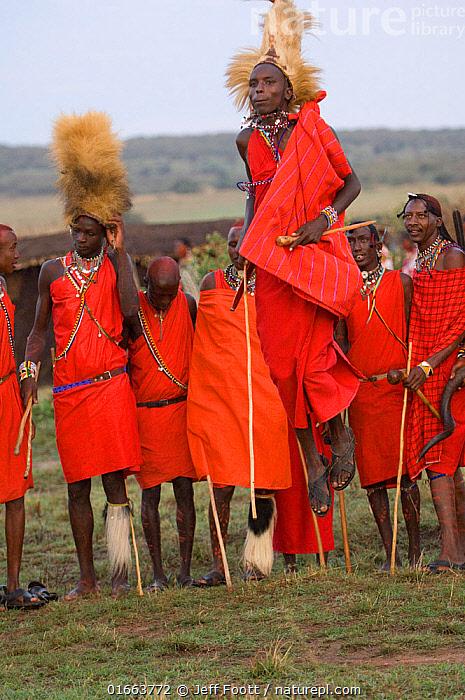
- Warriors standing in a circle
- Rhythmic chanting
- One warrior stepping forward
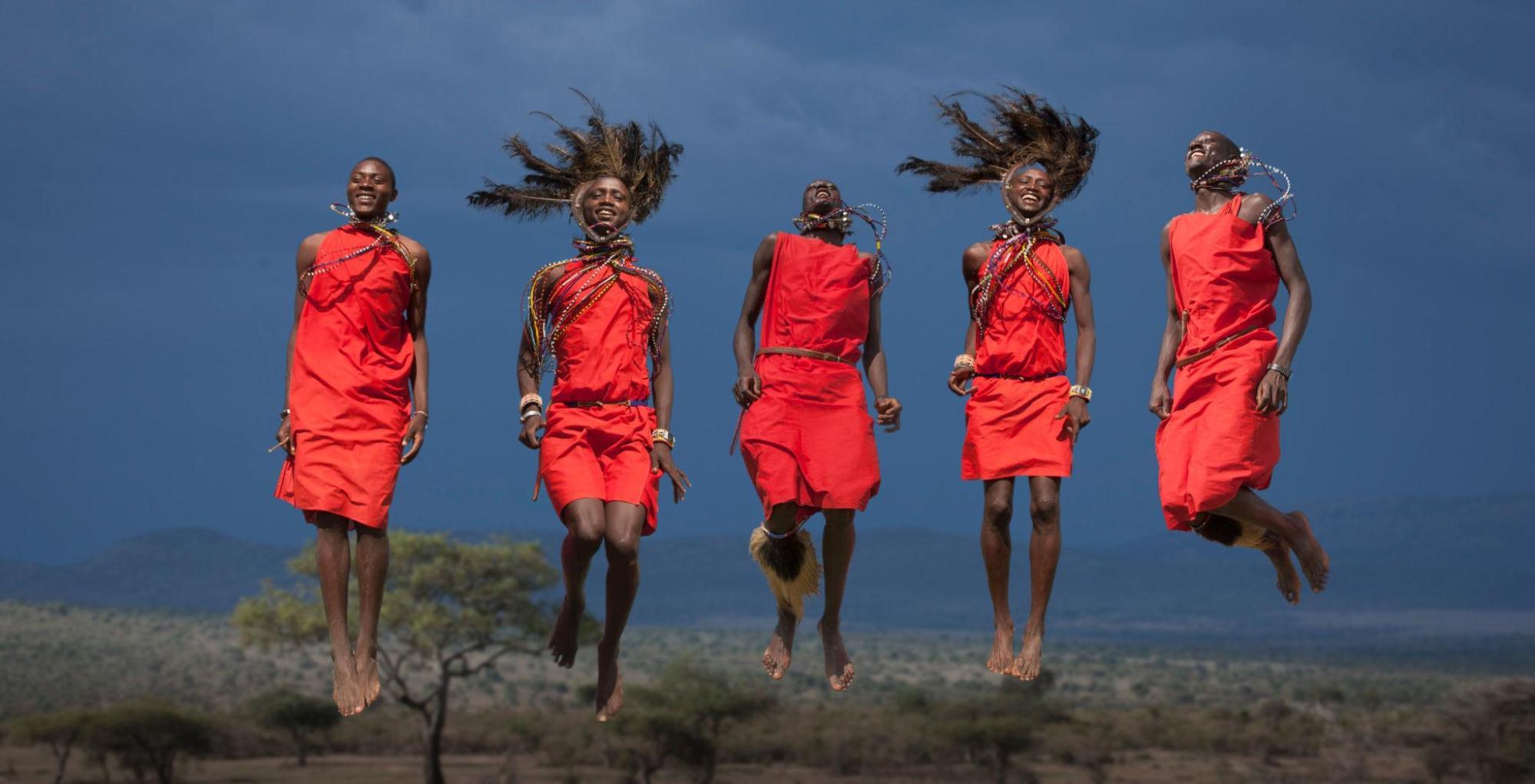
- Vertical jumping without bending knees
- Maintaining a straight, upright posture
The higher the jump, the greater the display of stamina and strength.
To understand who morans are, read The Masai Warrior (Moran): Lion Hunts, Jumping Dance & Modern Role.
When Is the Jumping Dance Performed?
The Adumu is commonly performed during:
- Eunoto ceremonies (transition from warrior to elder)
- Community celebrations
- Marriage gatherings
- Cultural events
- Welcoming important visitors
It is deeply tied to the Masai age-set system. Learn how age sets structure Masai society here: Masai Social Structure: Age Sets, Warriors & Elders Explained.
What Does the Jumping Dance Symbolise?
The Adumu represents physical endurance, discipline, readiness for adulthood, warrior pride, and community unity. Unlike dances in other cultures that involve complex footwork, the Masai jumping dance focuses on vertical elevation, symbolising resilience and inner strength. This strength historically connected to territorial defense during Masai expansion.
For historical context, read The History of the Masai: Migration, Emutai & Colonial Land Loss.
Dress & Appearance During Adumu
During the dance, warriors typically wear:
- Bright red shuka
- Beaded necklaces
- Decorative arm bands
- Traditional shields and spears
The red color represents courage and unity, while beadwork communicates identity and age status.
Explore Masai clothing symbolism in detail: Masai Traditional Dress & Beadwork: Meaning Behind the Colors.
The Role of Chanting & Music
The Adumu is not silent. It includes deep rhythmic throat chanting, call-and-response vocal patterns, and gradual tempo shifts. The chanting builds energy and reinforces unity within the circle.
This vocal rhythm reflects the importance of the Maa language in cultural expression. Learn more about Masai linguistic identity: Masai Language (Maa): Words, Meaning & Cultural Identity.
Is the Jumping Dance Just for Tourists?
While tourists may witness the Adumu during cultural visits near the Masai Mara National Reserve, the dance predates tourism by centuries. Today, it serves dual purposes: preserving cultural heritage and providing economic opportunities. However, authentic performances remain tied to ceremonial contexts.
If you plan to experience this respectfully, read How to Visit a Masai Village Respectfully (Ethical Tourism Guide).
The Adumu in Modern Masai Life
As Masai communities adapt to education and conservation roles, the Adumu continues to symbolize identity. Even in modern conservancies near the Serengeti National Park, the dance remains part of celebrations and community events.
To understand how Masai culture balances tradition and change, read Modern Challenges Facing the Masai Today, and for their evolving role in conservation see Masai and Wildlife Conservation: From Displacement to Conservancies.
Why the Adumu Still Matters
The Masai jumping dance is not merely a performance. It is a rite of passage, a declaration of warrior strength, a symbol of unity, and a cultural bridge between past and present. Understanding Adumu transforms what you see on safari into something far deeper than entertainment.
Return to the full cultural guide here: The Masai Tribe: Culture, History, Traditions & Modern Life.
Masai Jumping Dance (Adumu) – FAQs (2026)
Adumu refers to the Masai jumping dance performed primarily by morans. It is a ceremonial expression of endurance, warrior pride, and community unity.
The straight, vertical jump emphasizes control, stamina, and strength. Height becomes a visual demonstration of endurance rather than a display of footwork.
Adumu is commonly performed during ceremonies such as Eunoto, community celebrations, marriage gatherings, and cultural events, often linked to the age-set system.
Adumu predates tourism by centuries and remains a ceremonial tradition. Tourists may witness it during cultural visits, but authentic performances are rooted in community contexts.
Warriors typically wear red shuka, beadwork, decorative arm bands, and may carry traditional shields and spears. Colors and beadwork communicate identity and status.
Chanting builds rhythm and collective energy through call-and-response patterns and tempo changes. It reinforces unity and highlights the role of Maa language in cultural expression.