
Marriage in Masai society is not just a personal union. It is a social contract that strengthens clans, expands livestock wealth, and reinforces community structure. Cattle, family alliances, and generational continuity all converge in Masai marriage traditions. Travelers planning a Masai Mara tour from Chandigarh often discover that understanding these traditions provides deeper insight into how community bonds shape life across the savannah.
If you’re new to Masai culture, begin with The Masai Tribe: Culture, History, Traditions & Modern Life in Kenya and Tanzania.
The Bride Price: Why Cattle Matter
In Masai culture, marriage begins with a bride price, traditionally paid in cattle.
Cattle represent:
- Wealth
- Spiritual blessing from Engai
- Social responsibility
- Economic security
The groom’s family transfers livestock to the bride’s family, symbolising respect and long-term alliance.
To understand why cattle are culturally central, read What Do the Masai Eat? Traditional Diet of Milk, Blood & Meat, and for spiritual context see Masai Religion & Beliefs: Engai, Laibon & Sacred Land.
Polygamy in Masai Society
Polygamy has traditionally been practiced among Masai men, especially elders.
Reasons include:
- Expanding family workforce
- Increasing livestock management capacity
- Strengthening clan alliances
A man’s wealth is often measured by the number of cattle and the number of children. Children, especially sons, historically ensured livestock protection and generational continuity.
To understand how sons transition into warriorhood, read The Masai Warrior (Moran): Lion Hunts & Modern Role.
Marriage & the Age-Set System
Marriage typically occurs when a man transitions from warrior to junior elder. This shift marks social maturity, household establishment, and leadership responsibility. The age-set system ensures generational order and prevents social instability.
Learn more in Masai Social Structure: Age Sets, Warriors & Elders Explained.
The Masai Wedding Ceremony
Traditional Masai weddings involve blessings from elders, ritual shaving of the bride’s head, cattle exchange, community celebration, and singing and dancing. The Adumu (jumping dance) may be performed during celebrations.
Learn more about the dance in The Masai Jumping Dance (Adumu): Meaning & Ceremony Explained.
The Role of Women in Marriage
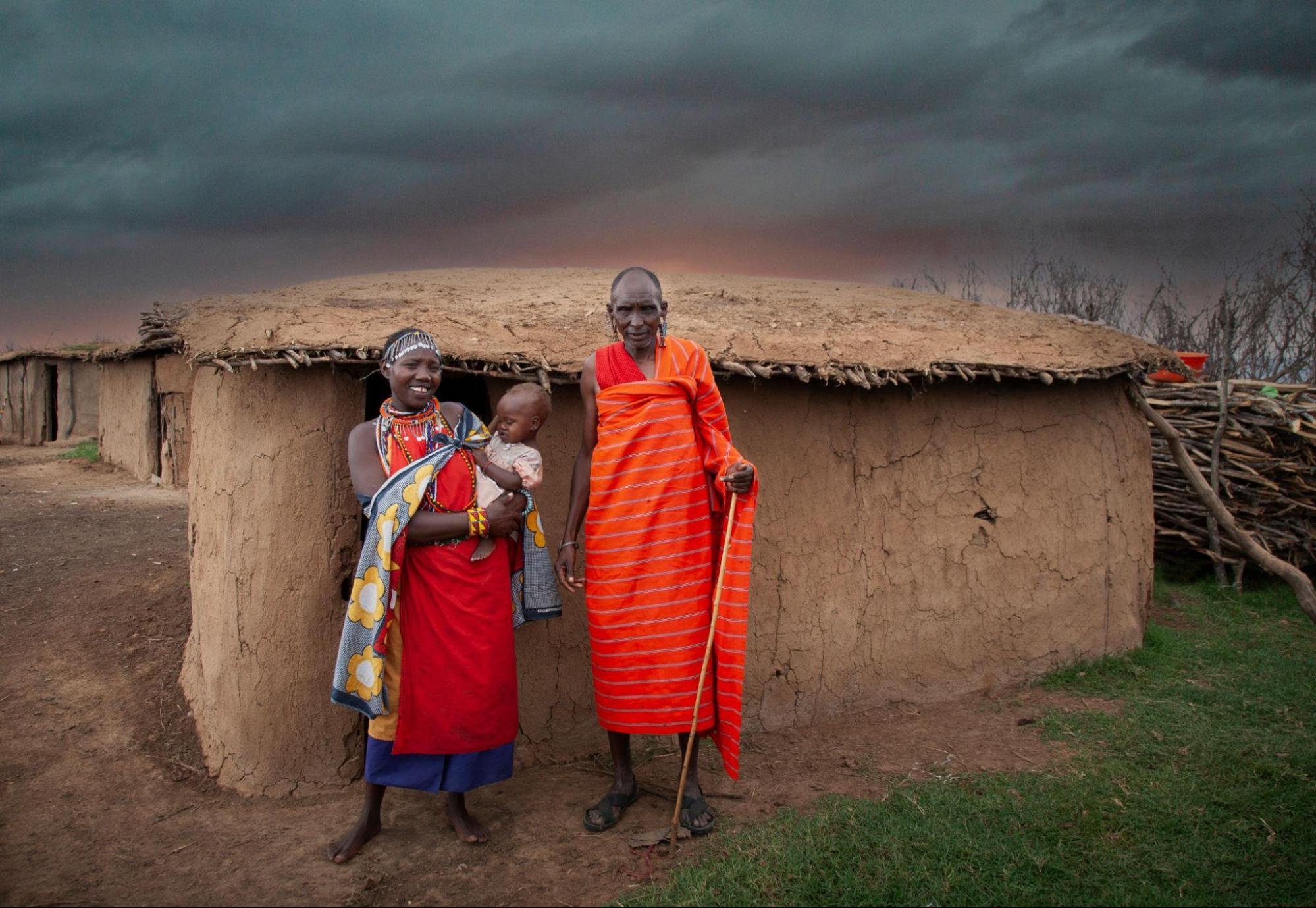
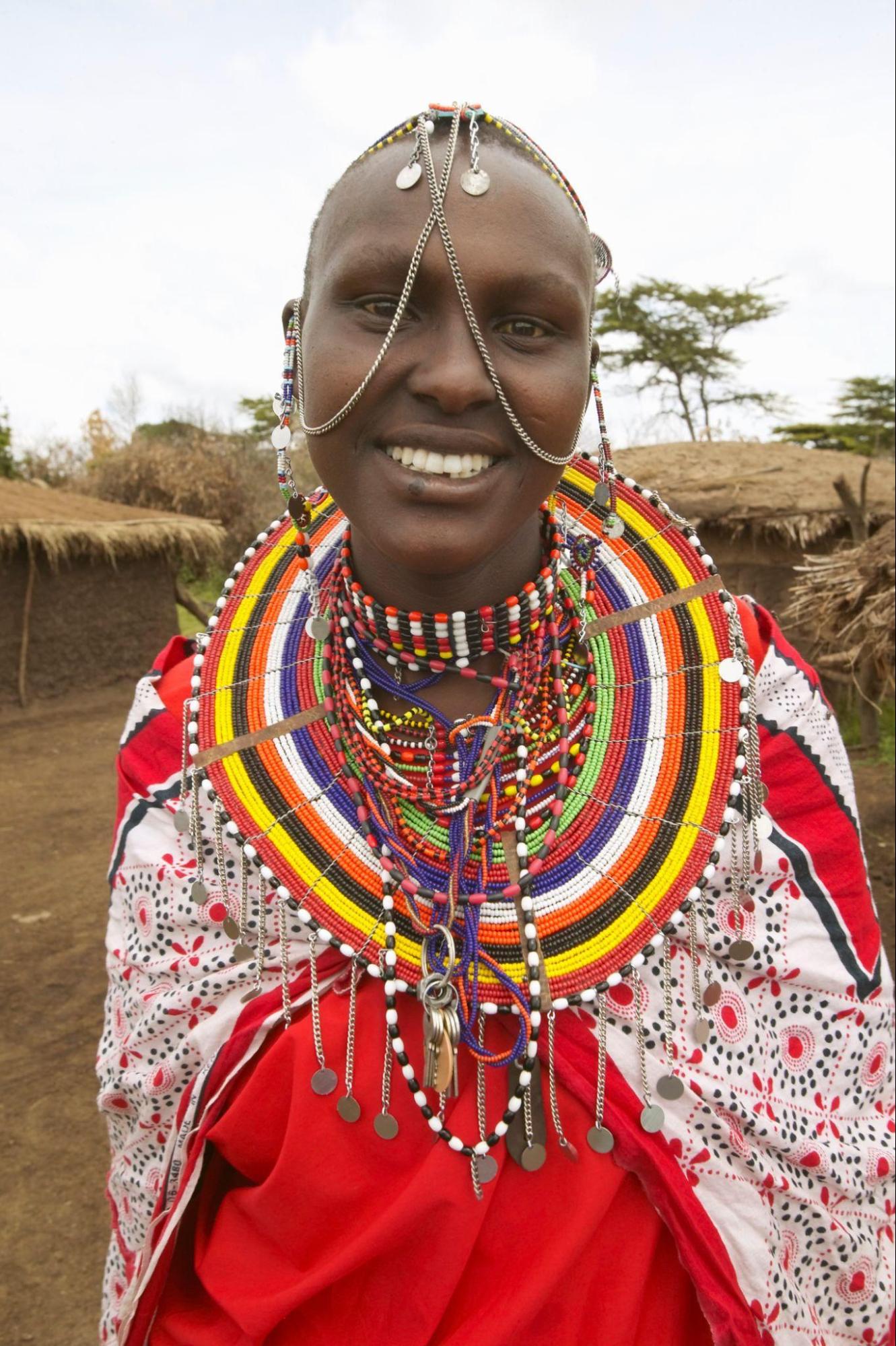
Masai women traditionally build the manyatta (home), raise children, manage domestic responsibilities, and produce beadwork. Beadwork often signifies marital status.
Explore its symbolism in Masai Traditional Dress & Beadwork: Meaning Behind the Colors.
To understand daily domestic life, read Inside a Masai Village: Manyatta, Enkang & Daily Life.
Community & Collective Responsibility
Marriage does not isolate a couple. It strengthens the enkang (village unit). Children are raised collectively, resources are shared, and elders oversee disputes. Marriage strengthens clan networks, livestock alliances, and social stability.
For deeper community structure, revisit Masai Social Structure: Age Sets, Warriors & Elders Explained.
Has Masai Marriage Changed?
Yes, gradually. Education, Christianity, legal reforms, and urban migration influence modern marriage practices. While bride price and extended family structure remain important, younger generations increasingly blend traditional customs with modern frameworks.
To understand cultural adaptation, read Modern Challenges Facing the Masai Today.
Marriage & Land Security
Land fragmentation and conservation boundaries, especially near the Masai Mara National Reserve, have affected grazing land, livestock wealth, and marriage negotiations. This ties marriage customs to broader land history.
For full historical context, read The History of the Masai: Migration, Emutai & Colonial Land Loss, and for conservation shifts see Masai and Wildlife Conservation: From Displacement to Conservancies.
Why Understanding Masai Marriage Matters
Masai marriage customs are central to wealth distribution, social order, cultural continuity, and clan alliances. Understanding bride price and family structure reveals how deeply cattle, spirituality, and hierarchy are intertwined.
Return to the full master guide here: The Masai Tribe: Culture, History, Traditions & Modern Life.
Masai Marriage Customs – FAQs (2026)
The bride price is a traditional transfer of cattle from the groom’s family to the bride’s family. It symbolises respect, alliance, and long-term responsibility.
Cattle represent wealth, food security, and spiritual inheritance. They also signal the groom’s ability to support a household and maintain social responsibility.
Polygamy has traditionally existed, especially among elders. Today, practice varies by community, personal choice, education, religion, and legal frameworks.
Marriage commonly happens when a man transitions from warriorhood to junior elder status, marking readiness for household leadership and long-term responsibility.
Traditional weddings may include elder blessings, ritual shaving of the bride’s head, cattle exchange, and community celebration with singing and dancing.
Education, urban migration, religion, and legal reforms are shaping new approaches. Many families blend traditional bride price and clan ties with modern expectations.