
The history of the Masai is a powerful story of expansion, resilience, survival, and adaptation. Long before modern borders divided Kenya and Tanzania, the Masai were already a dominant force across the Great Rift Valley. Travelers planning a Masai Mara tour from Kolkata often find that understanding this historical background adds powerful context to what they see on safari.
Today, understanding Masai history helps explain their deep connection to land, cattle, and identity. Visitors booking a Masai Mara tour from Chennai frequently explore not just wildlife, but also the cultural roots that shaped the region.
If you're new to Masai culture, begin with our full overview: The Masai Tribe: Culture, History, Traditions & Modern Life in Kenya and Tanzania.
Origins: Where Did the Masai Come From?
Masai oral tradition traces their origins to the Nile Valley region near present-day Lake Turkana in northern Kenya.
Between the 15th and 18th centuries, the Masai began migrating southward through the Great Rift Valley. This expansion was driven by:
- Search for grazing land
- Livestock sustainability
- Territorial growth
By the 19th century, they occupied vast territories stretching from central Tanzania to Mount Marsabit in northern Kenya. Their dominance during this period earned them a reputation as formidable pastoral warriors.
To understand how their warrior system worked during expansion, read Masai Social Structure: Age Sets, Warriors & Elders Explained.
The 19th Century Peak of Masai Power
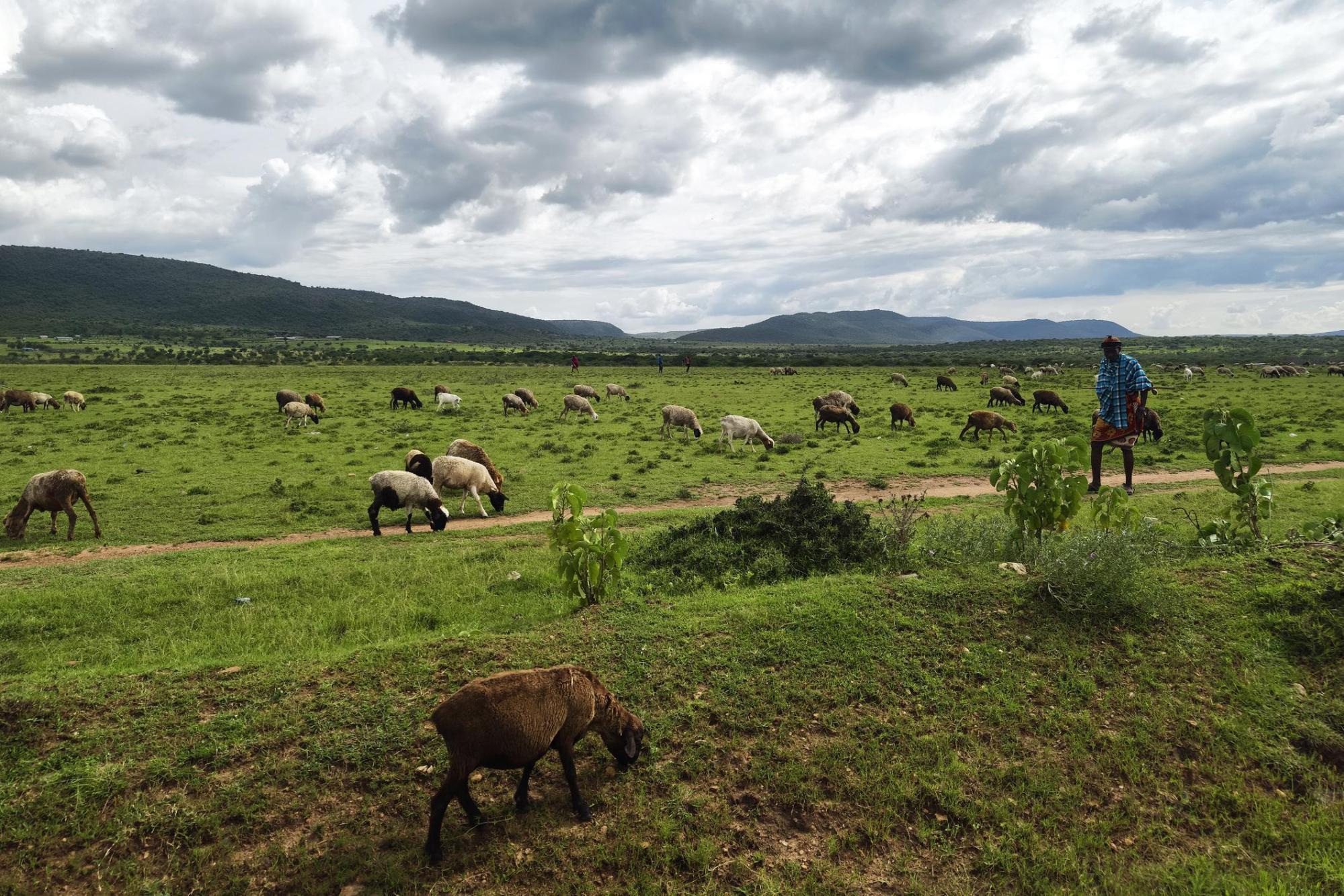
During the early 1800s, the Masai controlled significant trade routes and grazing lands across East Africa. Warrior groups (morans) defended territory, livestock, and community security. Cattle raids between neighboring groups were common during this era, reinforcing their military reputation.
To understand the role of the moran during this time, see The Masai Warrior: From Lion Hunts to Modern Conservation.
This period marked the height of Masai territorial influence. But it would not last.
The Emutai Period: Disease, Drought & Devastation
One of the darkest chapters in Masai history is known as Emutai, occurring in the late 19th century. “Emutai” means “wipe out” in Maa, and the name reflects its impact.
During this time, the Masai suffered:
- Severe drought
- Smallpox epidemics
- Rinderpest (a cattle-killing disease)
- Famine
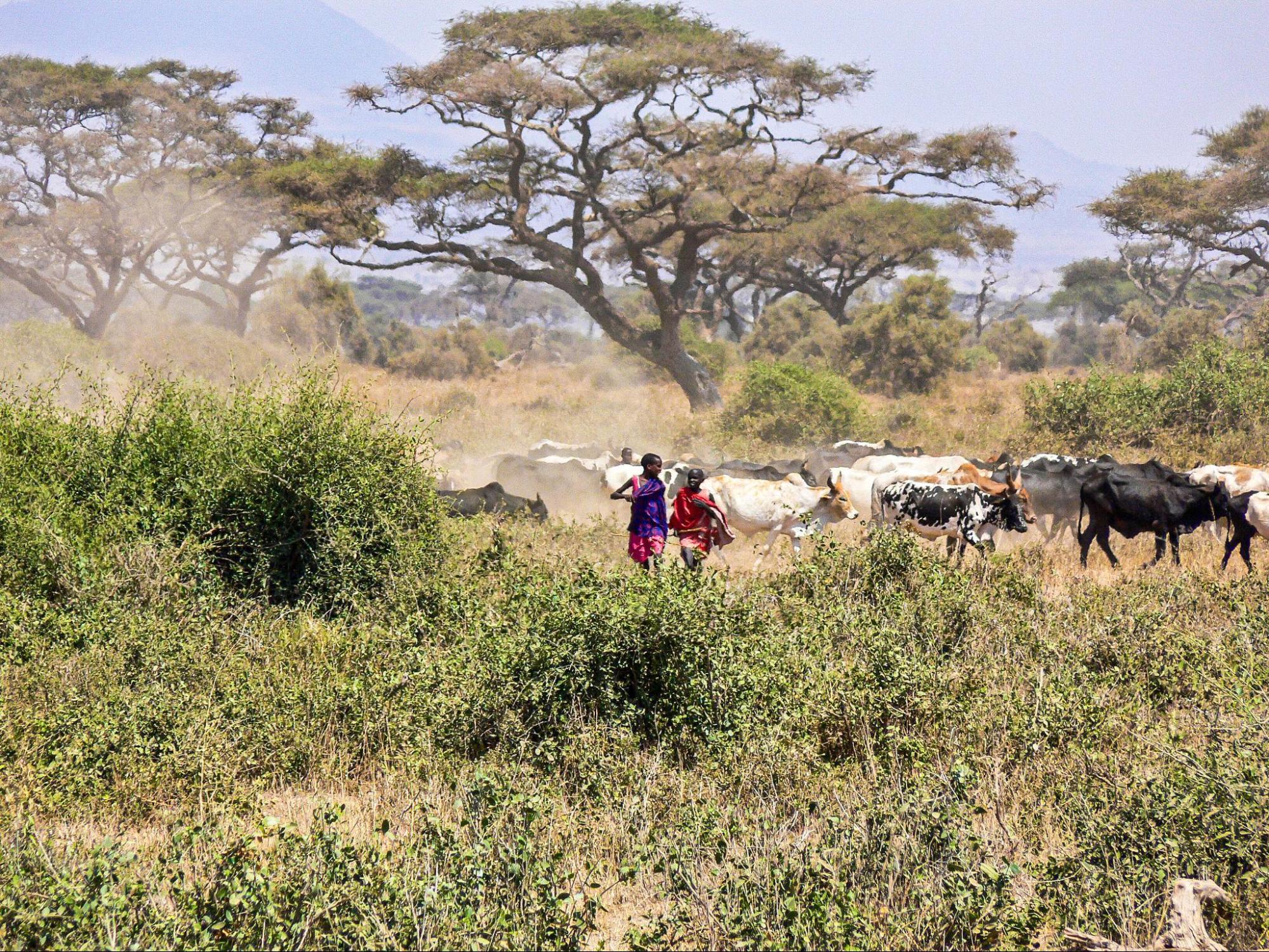
Because cattle were central to survival, the loss of herds devastated both their economy and spiritual identity. Population numbers declined sharply, weakening their dominance. This period reshaped Masai power structures and social stability.
To understand how cattle remain central today, read What Do the Masai Eat? Traditional Diet & Cattle Culture.
Colonial Treaties & Land Seizure
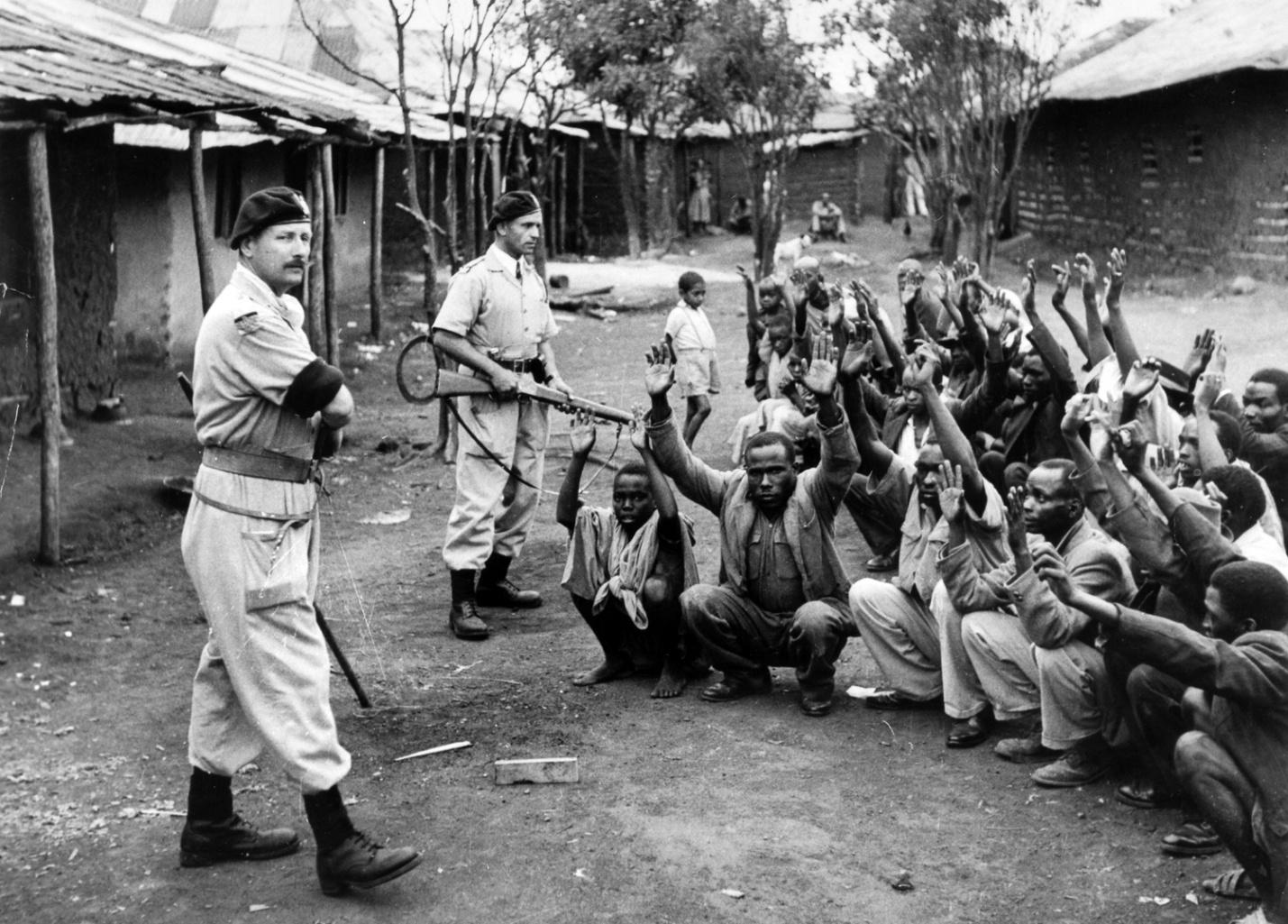
In the early 20th century, British colonial authorities signed treaties that drastically reduced Masai land. Large tracts were taken to establish:
- Ranches
- Settler farms
- Protected wildlife zones
Areas such as the Masai Mara National Reserve and the Serengeti National Park were carved out of traditional grazing lands. Masai communities were displaced into smaller reserves, disrupting their semi-nomadic lifestyle.
This land fragmentation continues to shape Masai challenges today. For deeper analysis, read Modern Challenges Facing the Masai Today.
From Displacement to Conservation Partnerships
Ironically, the same land that was once taken from the Masai has become central to wildlife tourism. Over recent decades, Masai communities have begun creating community-run conservancies. These allow them to:
- Lease land to safari operators
- Protect wildlife
- Generate income
- Retain partial land control
This model is reshaping their relationship with conservation. To explore this transformation, read Masai and Wildlife Conservation: From Displacement to Conservancies.
The Legacy of Masai Resilience
Despite disease, drought, colonial displacement, and modern land pressure, the Masai have maintained their age-set system, their language (Maa), their spiritual beliefs, and their cattle-centered economy. Their ability to adapt while preserving identity is one of the most remarkable elements of their history.
To understand their spiritual worldview during these shifts, read Masai Religion & Beliefs: Engai, Laibon & Sacred Land.
Why Masai History Matters Today
When travelers visit the Masai Mara or Ngorongoro, they often see wildlife, but few understand the deeper human history behind those landscapes. The Masai story is not just about survival. It is about negotiating identity in a rapidly changing world.
If you plan to engage with Masai communities during your safari, make sure you also read How to Visit a Masai Village Respectfully (Ethical Tourism Guide), and return to the main master guide here: The Masai Tribe: Culture, History, Traditions & Modern Life.
Masai History – FAQs
Masai oral tradition traces their origins to the Nile Valley region near present-day Lake Turkana in northern Kenya, before migrating south through the Great Rift Valley over centuries.
Emutai was a late 19th-century period of devastation involving drought, disease outbreaks, rinderpest that killed cattle, and famine. It sharply reduced herds and population and weakened Masai dominance.
Colonial treaties in the early 20th century reduced Masai land significantly, with large tracts taken for ranches, settler farms, and protected wildlife zones, leading to displacement and long-term land fragmentation.
These areas overlap with traditional Masai grazing landscapes. Protected zones and parks were created from lands historically used for pastoral life, contributing to displacement and major shifts in lifestyle.
Many communities participate through conservancies and land-lease partnerships that support wildlife protection, generate income, and allow partial land control while blending tourism with cultural preservation.