
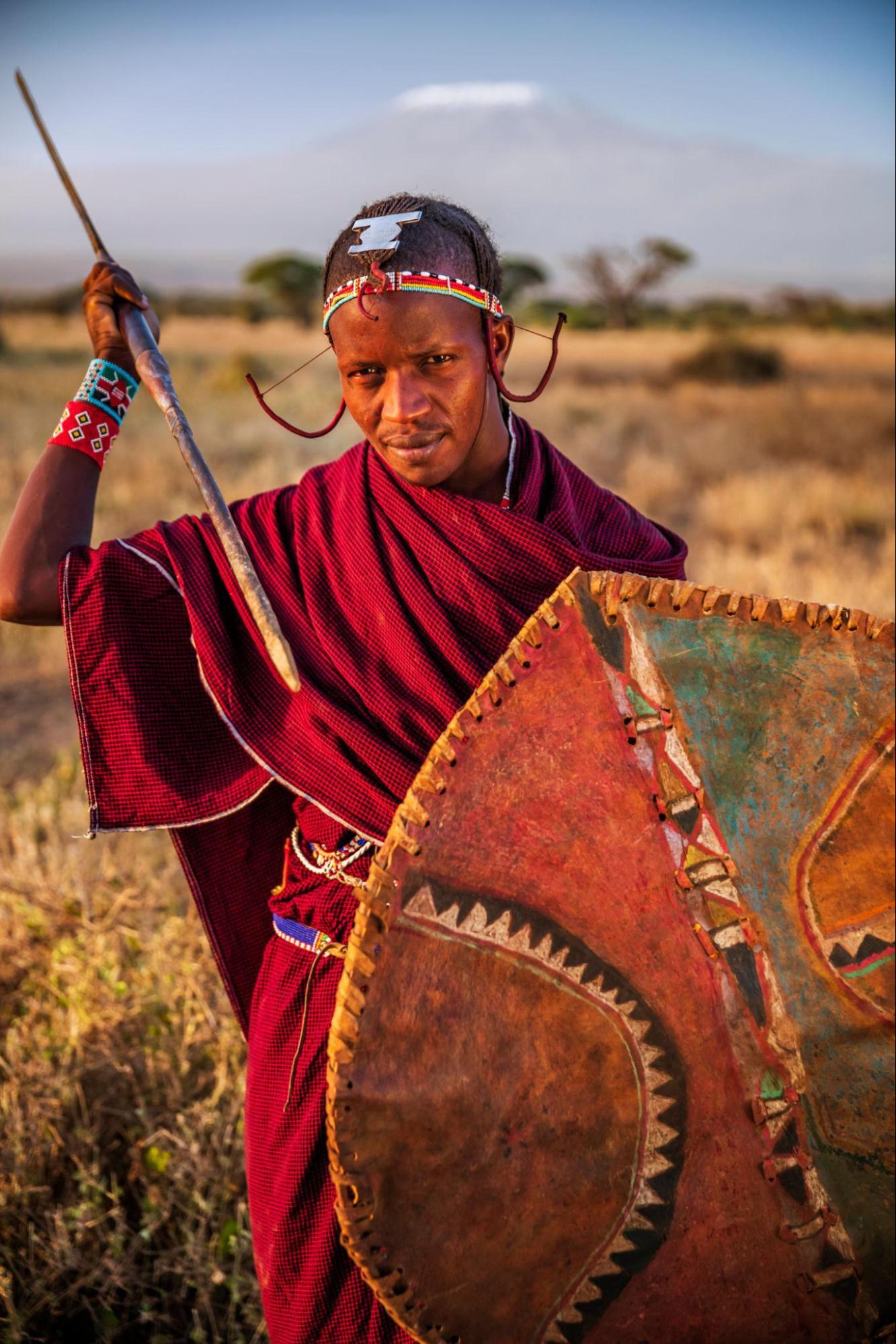
Few images represent East Africa more powerfully than a Masai moran standing tall against the savannah, draped in a red shuka, spear in hand, posture straight and proud. But the Masai warrior is more than a symbol. The moran represents a critical stage in the Masai age-set system, one that has shaped community protection, expansion, and identity for centuries. Travelers planning a Masai Mara tour from Jaipur are often fascinated by the warrior traditions that continue to influence modern conservation efforts.
If you’re new to Masai culture, start here: The Masai Tribe: Culture, History, Traditions & Modern Life in Kenya and Tanzania.
Who Is a Moran?
A moran is a young Masai man who has undergone initiation (circumcision) and entered warriorhood. Within the structured Masai age-set system, morans are responsible for:
- Protecting livestock
- Guarding the community
- Defending territory
- Representing strength and discipline
To understand how this system works, read Masai Social Structure: Age Sets, Warriors & Elders Explained.
The Historical Role of the Masai Warrior
Historically, Masai warriors were central to territorial expansion during the 18th and 19th centuries. During the height of Masai influence:
- Morans defended cattle from rival groups
- Conducted raids to expand livestock wealth
- Protected grazing lands across the Great Rift Valley
This warrior dominance helped the Masai control vast territories stretching from northern Kenya into central Tanzania.
To understand this expansion period, read The History of the Masai: Migration, Emutai & Colonial Land Loss.
The Lion Hunt Tradition: Fact vs Reality
One of the most talked-about aspects of Masai warrior culture is lion hunting. Historically, killing a lion symbolised bravery, physical endurance, and readiness for adulthood.
However, this practice has been banned by the Kenyan and Tanzanian governments due to wildlife conservation laws. The Masai today no longer hunt lions as a rite of passage. Instead, warrior identity focuses on discipline, livestock protection, and leadership development. This shift connects directly to modern conservation efforts.
Learn how Masai communities now protect wildlife instead of hunting it in Masai and Wildlife Conservation: From Displacement to Conservancies.
The Famous Jumping Dance (Adumu)
The Adumu, often called the Masai jumping dance, is performed by morans during ceremonies.
Key features:
- Warriors stand in a circle
- One jumps vertically without bending knees
- Body remains straight
- Height of jump demonstrates strength
The Adumu is not just a performance, it reflects endurance, stamina, and pride. For a deeper cultural explanation, read The Masai Jumping Dance (Adumu): Meaning & Ceremony Explained.
Warrior Dress & Symbolism
Masai warriors traditionally wear red shuka (symbol of bravery and unity), beaded ornaments, wooden clubs (orinka), and spears. Each element has symbolic meaning tied to courage, land, and cattle.
To explore the symbolism behind Masai attire, read Masai Traditional Dress & Beadwork: Meaning Behind the Colors.
The Modern Role of the Masai Warrior
Today, morans no longer raid or hunt lions. Instead, many have become:
- Wildlife rangers
- Conservancy guards
- Safari guides
- Cultural ambassadors
In regions near the Masai Mara National Reserve and Serengeti National Park, Masai warriors now help protect wildlife rather than confront it. This transformation reflects how Masai identity adapts without disappearing.
For broader cultural evolution, see Modern Challenges Facing the Masai Today.
Warriorhood & Community Identity
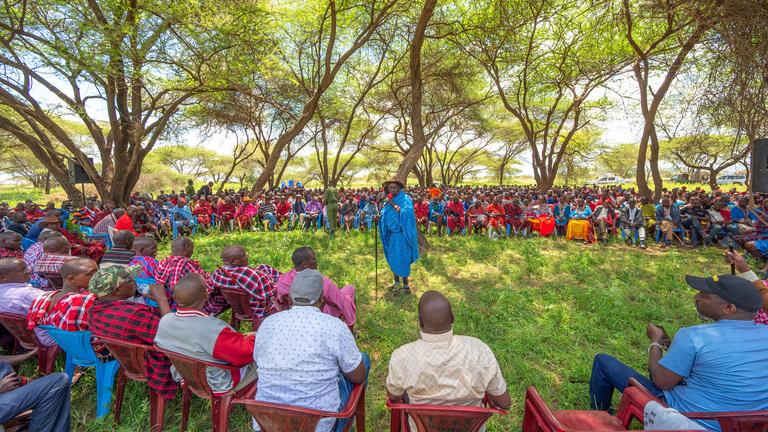
Becoming a moran is not about aggression, it is about discipline and communal responsibility. During warriorhood, young men live together, train collectively, strengthen bonds, and prepare for elderhood. Eventually, they transition into junior elders, marrying and establishing families.
Learn about that transition here: Masai Marriage Customs: Bride Price, Polygamy & Family Structure.
Why the Masai Warrior Still Matters Today
The image of the Masai warrior remains powerful, but today it represents cultural pride, environmental stewardship, and community resilience. Understanding the moran stage reveals the discipline behind the symbolism.
To see how this fits into everyday Masai life, read Inside a Masai Village: Manyatta, Enkang & Daily Life, and return to the full cultural overview here: The Masai Tribe: Culture, History, Traditions & Modern Life.
Masai Warrior (Moran) – FAQs (2026)
A moran is a young Masai man who has undergone initiation and entered warriorhood. Morans traditionally protect livestock, guard the community, and represent discipline within the age-set system.
No. Lion hunting as a rite of passage has been banned under wildlife conservation laws. Modern warrior identity focuses on protection, leadership development, and conservation-linked roles.
Adumu is a ceremonial jumping dance performed by morans. Warriors jump vertically while keeping their bodies straight, demonstrating endurance, stamina, and pride during community ceremonies.
Historically, morans defended cattle, protected grazing lands, and supported territorial security during periods of expansion across the Great Rift Valley.
Many morans now work as wildlife rangers, conservancy guards, safari guides, and cultural ambassadors, particularly near major safari ecosystems such as the Masai Mara and Serengeti.
Within the Masai age-set system, morans eventually transition into junior elders, where marriage and household formation begin, followed later by senior elderhood with greater authority.