
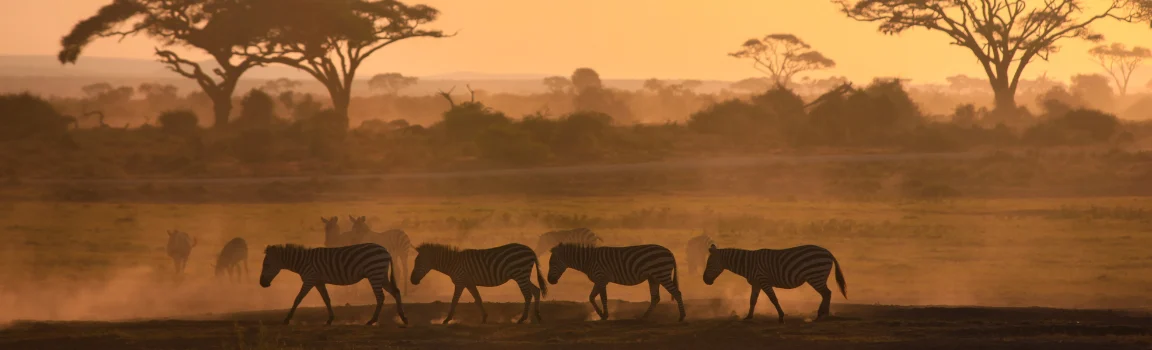
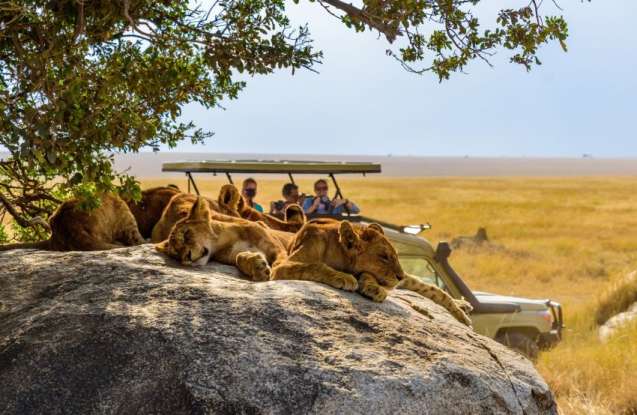
Serengeti is the destination most travellers imagine when they think of an African safari. Endless grasslands, golden light, lion prides, cheetahs on the plains, wildebeest herds, acacia silhouettes and safari vehicles moving quietly across the horizon — the Serengeti is not just another national park. It is one of the great wildlife landscapes of the world.
For Indian travellers planning a Tanzania safari in 2026, our Serengeti safari package is usually the centrepiece of the itinerary. Ngorongoro Crater may deliver the most concentrated single day wildlife experience, and Tarangire may surprise visitors with elephants and baobabs, but Serengeti gives the journey its scale. It is where the safari feels vast, wild and cinematic.
The most important thing to understand is that Serengeti is not one uniform destination. The park and wider Serengeti ecosystem cover a huge area, and the best region to stay in depends heavily on the travel month, migration movement, budget, lodge preference and safari style. A luxury camp in the wrong Serengeti region during the wrong season can produce a weaker experience than a simpler camp in the right place. For a broader Tanzania route, read our Tanzania safari and Zanzibar itinerary.
Why Serengeti Is Tanzania's Most Iconic Safari Destination
Serengeti is Tanzania's most famous safari landscape because it combines scale, wildlife density, predator action and migration movement in a way few places can match. The name itself has become shorthand for classic safari.
The park is especially known for lions, cheetahs, leopards, elephants, giraffes, zebras, wildebeest, hyenas, buffaloes, hippos, gazelles and hundreds of bird species. It is also the Tanzanian side of the Great Migration, where huge numbers of wildebeest, zebra and gazelle move through the ecosystem in search of grazing and water.
Unlike smaller safari areas where wildlife viewing can feel concentrated into a few zones, Serengeti often feels open and endless. The experience is not only about spotting animals — it is about watching behaviour: lions resting near kopjes, cheetahs scanning the plains, elephants crossing dry tracks, vultures circling in the sky, hyenas patrolling at dusk and herds stretching across the horizon. For first time travellers, Serengeti is usually the moment when safari becomes real.
Where Is Serengeti National Park?
Serengeti National Park is in northern Tanzania and forms part of the larger Serengeti Mara ecosystem that extends toward Kenya's Masai Mara. Most Indian travellers reach Serengeti as part of Tanzania's Northern Safari Circuit.
The usual safari flow is:
Kilimanjaro International Airport → Arusha → Tarangire / Lake Manyara → Ngorongoro → Serengeti → Arusha or Zanzibar
Serengeti can be reached by road from Ngorongoro, but the drive can be long depending on which region of the park you are visiting. For luxury travellers, flying into or out of Serengeti using light aircraft is often the better choice, especially when combining the safari with Zanzibar. The main planning decision is not simply "Serengeti or no Serengeti" — it is which part of Serengeti.
Serengeti Safari Regions Explained
1. Central Serengeti
Best for: First time travellers, big cats, year round safari, shorter itineraries
Main areas: Seronera Valley and surrounding plains
Recommended stay: 2 to 4 nights
Central Serengeti is the safest and most practical choice for many first time visitors. It has strong year round wildlife viewing, especially for lions, leopards and cheetahs. The Seronera area has permanent water, which helps support resident wildlife even when migration herds are elsewhere.
For Indian travellers doing a 7 to 10-day Tanzania safari, Central Serengeti often makes the most sense. It is easier to combine with Ngorongoro and Tarangire, has good camp availability, and gives a reliable classic Serengeti experience. The only drawback is popularity — Central Serengeti can be busier than remote regions, especially during peak travel months. Luxury travellers should choose camps with good guiding and access to quieter circuits where possible.
2. Northern Serengeti
Best for: River crossing season, dramatic migration viewing, luxury safari travellers
Main areas: Kogatende, Lamai, Mara River region
Recommended stay: 3 to 4 nights during migration season
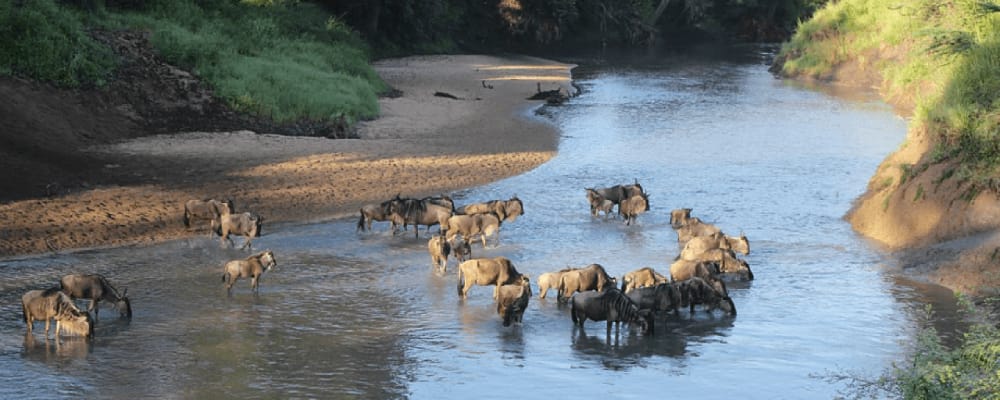
Northern Serengeti is famous for its role in the Great Migration, especially during the months when herds move toward the Mara River. The river crossing season is one of the most sought after safari experiences in East Africa, although crossings are natural events and can never be guaranteed on a particular date.
This region is more remote than Central Serengeti and often feels more exclusive. It works best for travellers who are specifically targeting migration movement and are willing to spend enough time in the area. For Indian travellers planning a luxury migration safari, Northern Serengeti should usually be booked early — the best camps have limited availability during peak months.
3. Southern Serengeti and Ndutu
Best for: Calving season, predator action, January to March travel
Main areas: Southern plains, Ndutu region
Recommended stay: 3 to 4 nights during calving season
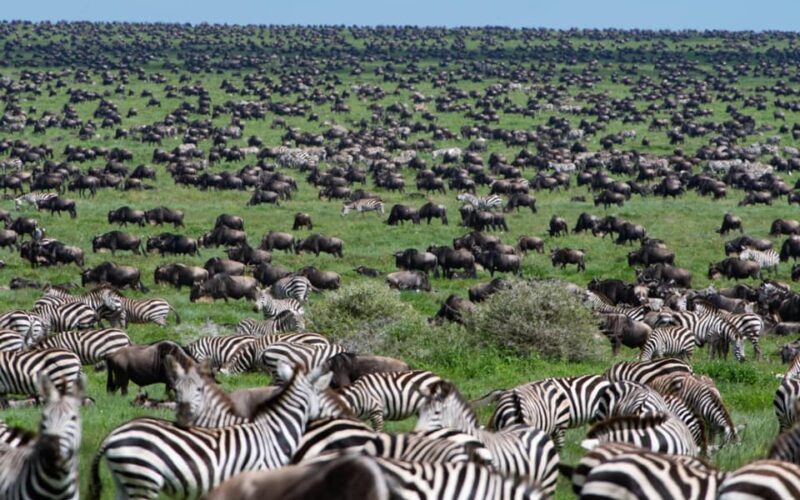
Southern Serengeti and the Ndutu region are especially important from around December to March, when wildebeest herds gather on the short grass plains and calving season takes place. This is one of the most dramatic periods of the Serengeti year because new life attracts predators.
The landscape here is open, making it excellent for photography. Cheetah sightings can be strong in the right season, and predator prey interaction may be more visible. For honeymooners and wildlife photographers travelling from India between January and March, Southern Serengeti or Ndutu can be a better choice than Central or Northern Serengeti.
4. Western Serengeti
Best for: Seasonal migration movement, fewer crowds, Grumeti region
Main areas: Western Corridor, Grumeti River
Recommended stay: 2 to 3 nights when seasonally suitable
Western Serengeti is more seasonal and should be chosen carefully. It can be rewarding when migration movement passes through the western corridor, but it is not the default choice for every trip. The region can feel quieter than Central Serengeti, and some luxury camps offer strong exclusivity.
However, because wildlife patterns change, Western Serengeti works best when selected for the right travel window. For most first time Indian travellers, Central, Northern or Southern Serengeti will usually be more practical.
Best Time to Visit Serengeti in 2026
The Serengeti offers rewarding wildlife viewing year round, but the experience shifts significantly by season. The Great Migration, big cat sightings, and crowd levels all depend heavily on when you visit. Read our detailed guide on the best time to visit Serengeti to plan your 2026 safari around the right window for your interests.
January to March
This is one of the best periods for Southern Serengeti and Ndutu. The calving season usually takes place during this broad window, bringing large herds and predator activity. This period is excellent for photographers, honeymooners and travellers who want green landscapes, young animals and dramatic wildlife behaviour.
April to May
This is the long rainy period and part of the green season. Tanzania Tourism highlights the green season in Serengeti as a period of lush landscapes, dramatic skies, newborn wildlife and photography opportunities. This season can offer lower rates and beautiful scenery, but it is not ideal for travellers who want the most predictable weather. Some camps may close, and road conditions can vary.
June
June is a transition month. The landscape begins drying, wildlife movement changes, and the safari experience becomes more predictable. This can be a good month for travellers who want slightly lower crowds than peak season.
July to October
This is peak dry season safari time and one of the most popular periods for Serengeti. Northern Serengeti becomes especially important for travellers hoping to see Mara River crossing activity. Weather is generally favourable, wildlife viewing is strong, and demand is high. Camps should be booked well in advance.
November
November brings short rains in many years. The landscape begins changing again, and rates may be better than peak season. It can be a good value month for flexible travellers.
December
December is a strong month for travel, especially around the festive period. Herd movement may begin shifting toward the southern plains depending on rainfall. Christmas and New Year are expensive and should be booked early.
Serengeti Wildlife: What Can You See?
Serengeti is home to one of the most diverse and dense wildlife populations on the planet. From the Big Five to cheetahs, wild dogs, hippos and hundreds of bird species, every game drive delivers something unexpected. The landscape itself — open savannah, rocky kopjes and riverine forests — creates natural theatre for predator prey encounters. Explore our Serengeti attractions guide to know exactly what to look for and where.
Lions
Serengeti is one of the best places in Africa to see lions. Pride behaviour is one of the main safari highlights, especially in Central Serengeti and around kopjes. You may see lions resting under shade, moving through grass, interacting with cubs or watching prey. Hunting is never guaranteed, but predator activity is one of the reasons Serengeti is so famous.
Cheetahs
Cheetahs prefer open areas where they can use speed. Serengeti's plains are excellent cheetah habitat. Southern and Central Serengeti can be particularly rewarding depending on the season. Cheetah sightings require patience and distance — a good guide understands how to position the vehicle without disturbing the animal.
Leopards
Leopards are more elusive than lions and cheetahs. They are often seen near riverine woodland or resting in trees. Central Serengeti is one of the better areas for leopard sightings. A leopard sighting is usually a major safari moment because the animal is shy, solitary and beautifully camouflaged.
Wildebeest and Zebra
The wildebeest and zebra herds are central to Serengeti's identity. During migration periods, the scale of the herds can be astonishing. Even outside peak migration windows, resident herds and grazing animals remain part of the landscape.
Elephants
Serengeti has elephants, though Tarangire is usually stronger for large elephant herds. In Serengeti, elephant sightings often feel more dramatic because of the open plains and distant horizons.
Giraffes
Giraffes are commonly seen in several Serengeti areas. Their movement across the plains, especially in warm evening light, is one of the most elegant safari scenes.
Hyenas
Hyenas are highly successful predators and scavengers. They are often misunderstood, but their behaviour is fascinating. Serengeti is a strong place to observe them.
Birds
Serengeti is excellent for birdwatching, with raptors, secretary birds, ostriches, vultures, rollers, storks and many grassland species. Birdlife is especially vibrant in the green season.
The Great Migration in Serengeti
The Great Migration is one of the major reasons travellers choose Serengeti. It involves huge numbers of wildebeest, zebra and gazelle moving through the Serengeti Mara ecosystem in response to rainfall and grazing conditions. Understanding the movement patterns and timing is key to witnessing the most dramatic moments, our Great Migration Serengeti guide covers everything you need to plan around it.
The broad seasonal pattern is:
- January to March: Southern Serengeti and Ndutu calving season
- April to June: Movement through central and western areas
- July to October: Northern Serengeti and Mara River region
- November to December: Movement back toward southern areas, depending on rains
This pattern is useful, but it is not a fixed calendar. Rainfall, grass conditions and natural movement can shift the timing. No ethical safari operator should guarantee a river crossing or exact migration position on a specific day. For migration focused travel, the key is staying in the right Serengeti region for the right month and allowing enough nights.
How Many Days Do You Need in Serengeti?
- 1 Night: Too short for most travellers. Not recommended unless Serengeti is only a quick add on.
- 2 Nights: Acceptable for a compact Tanzania safari, but still limited. You usually get one full safari day.
- 3 Nights: The best minimum for most Indian travellers. It allows multiple game drives and better wildlife chances.
- 4 Nights: Recommended for migration safaris, photographers and luxury travellers who want deeper exploration.
- 5 Nights or More: Best for serious wildlife travellers, repeat safari guests or itineraries combining multiple Serengeti regions.
For a first time Tanzania safari from India, three nights in Serengeti is the best practical minimum.
Serengeti Safari Lodges and Camps
Permanent Safari Lodges
Permanent lodges provide more structure and hotel like comfort. They are useful for families, senior travellers and guests who prefer larger rooms, pools and more predictable facilities.
Luxury Tented Camps
Luxury tented camps offer the best Serengeti atmosphere. They usually include proper beds, ensuite bathrooms, hot showers, good food and attentive service, but with a stronger wilderness feeling.
Mobile Migration Camps
Mobile camps move seasonally to follow wildlife patterns. They are excellent for migration focused travel because location is more important than fixed infrastructure.
Ultra Luxury Camps
These camps offer premium suites, private decks, plunge pools in some cases, high end dining, strong guiding and more personalised service. They are best for honeymooners, luxury travellers and high budget safari guests.
Which Stay Type Is Best?
For most Indian travellers, a luxury tented camp is the best Serengeti format. It gives comfort without losing the feeling of being in the bush. Families with young children or senior travellers may prefer permanent lodges. Honeymooners usually prefer intimate luxury camps. Wildlife photographers should prioritise location and guiding over room size. See our curated list of the best luxury lodges in Serengeti to find the right fit for your travel style.
Serengeti Safari Cost in 2026
Serengeti safari cost depends on season, camp category, number of nights, park fees, vehicle type, internal flights and whether the package includes Zanzibar. As a practical 2026 planning range:
Premium Mid Range Serengeti Safari
Approximate cost: USD 900–1,400 per person per safari day
This may include good lodges, shared or private vehicle arrangements, meals, park fees
and standard guiding.
Luxury Serengeti Safari
Approximate cost: USD 1,400–2,200 per person per safari day
This usually includes better camp locations, private guiding or premium camp vehicles,
full board meals, stronger service and smoother logistics.
Ultra Luxury Serengeti Safari
Approximate cost: USD 2,500+ per person per safari day
This can include top camps, fly in routing, exclusive experiences, premium suites,
private vehicles and personalised hosting. Costs are higher during peak migration periods
and festive season. Internal flights also add cost but save significant time. For Indian
travellers, Serengeti is rarely booked alone — it is usually combined with Ngorongoro,
Tarangire and Zanzibar.
Getting to Serengeti from India
Indian travellers usually fly to Tanzania through one stop international routes via hubs such as Dubai, Doha, Addis Ababa or Nairobi. For Serengeti safaris, the most practical arrival airport is usually Kilimanjaro International Airport, followed by a transfer to Arusha.
From Arusha, travellers can reach Serengeti in two main ways.
By Road
Driving allows travellers to combine Tarangire, Lake Manyara and Ngorongoro before entering Serengeti. It is scenic but can involve long transfer days.
By Light Aircraft
Flying into Serengeti airstrips saves time and is strongly recommended for luxury travellers, short itineraries, honeymooners and safari plus Zanzibar trips. The best route depends on itinerary length. For 7 to 9-day trips, flights can make the journey smoother. For longer trips, a mix of road and air often works well.
Serengeti and Zanzibar Combination
Many Indian travellers combine Serengeti with Zanzibar. This is one of Tanzania's strongest travel formats. The safari usually comes first. After days of game drives, early starts and wildlife movement, Zanzibar provides a natural finish. Travellers can fly from Serengeti or Arusha to Zanzibar and spend three to five nights on the island.
The best Zanzibar coastline depends on travel style:
- Nungwi and Kendwa: Best for easy swimming and families
- Matemwe: Best for snorkelling and Mnemba Atoll access
- Paje and Bwejuu: Best for east coast scenery and boutique resorts
- Stone Town: Best for culture and heritage
- Southwest coast: Best for privacy and sunsets
For honeymooners, Serengeti plus Zanzibar is one of Africa's strongest luxury combinations. Read our Best Luxury Resorts in Zanzibar 2026 guide to choose the right property for your beach stay.
Serengeti for Indian Travellers: Practical Notes
Food and Dietary Requirements
Most premium Serengeti camps can support vegetarian meals if informed in advance. Jain, vegan and no onion/no garlic food should be requested before arrival because safari camps are remote and ingredients are planned ahead. Luxury camps are more capable than basic camps, but even they need clear communication.
Travel with Children
Serengeti can be excellent for families, but long drives and early mornings should be planned carefully. Private vehicles, child friendly guides and lodges with flexible meals help significantly.
Senior Travellers
Senior travellers should consider fly in routing, fewer one night stays and lodges with easier access. Serengeti can be comfortable when the itinerary is designed correctly.
Honeymooners
Honeymooners should choose intimate camps, scenic rooms, private dining and enough time in both Serengeti and Zanzibar. Avoid rushed safari schedules.
Photography
Bring a zoom lens, extra batteries, memory cards, dust protection and binoculars. Morning and late afternoon light is best. Patience is more important than constantly moving between sightings.
What to Pack for Serengeti Safari
Pack neutral coloured clothing, a light jacket, comfortable shoes, sunglasses, sunscreen, hat, insect repellent, camera gear, binoculars, personal medication and travel documents. Use soft sided luggage if your itinerary includes light aircraft flights — avoid large hard suitcases because safari aircraft may have luggage restrictions.
Early mornings can be cool, even in warm months, so layering is more practical than packing heavy clothing. Avoid bright colours, overly white clothes and dark blue or black safari clothing. Neutral shades such as khaki, beige, olive and brown are more practical on game drives.
Common Mistakes to Avoid on a Serengeti Safari
- Staying in the Wrong Region: Serengeti region selection should match the season. This is especially important for migration travel.
- Spending Too Little Time: One night is not enough. Two nights is limited. Three nights is a better minimum.
- Expecting Guaranteed River Crossings: River crossings are natural events. They cannot be guaranteed for a specific date.
- Choosing Lodge Luxury Over Location: A beautiful camp in the wrong area may not deliver the best safari. Location and guiding matter more than room design.
- Not Booking Early for Peak Season: Northern Serengeti camps during migration months and festive season camps can sell out far ahead.
- Ignoring Transfer Time: Serengeti is large. Road transfers can be long. Internal flights may be worth the cost for luxury travellers.
Who Should Choose Serengeti?
Choose Serengeti If:
You want classic African safari landscapes, big cats, migration possibilities, luxury tented camps, open plains and a true wilderness feeling.
Think Carefully If:
You have very limited time, dislike early mornings, want only short drives or expect guaranteed sightings of specific events.
Best Traveller Types:
Honeymooners, families, wildlife photographers, luxury travellers, first time safari guests and anyone planning a complete Tanzania safari.
Why Plan Your Serengeti Safari with Luxury Unlocked?
Luxury Unlocked designs Serengeti safari itineraries for Indian travellers who want the right region, right lodge, right season and right pace. Serengeti is too large and too seasonal to plan casually.
We help choose between Central, Northern, Southern and Western Serengeti based on your travel month, wildlife priorities, group type and budget. We also coordinate Ngorongoro, Tarangire, Zanzibar, internal flights, private vehicles, vegetarian meals, honeymoon experiences and complete travel logistics from India.
Whether you want a first time Serengeti safari, a Great Migration journey, a luxury honeymoon safari or a Serengeti and Zanzibar itinerary, our specialists can design a 2026 Tanzania safari around the way you want to travel. Explore our Tanzania safari packages from India or contact Luxury Unlocked to build your private Serengeti safari.
Serengeti Safari Guide 2026 – FAQs
Yes. Serengeti remains one of Africa's most important safari destinations because of its open plains, big cats, migration movement and classic wildlife viewing. For Indian travellers planning a Tanzania safari, Serengeti is usually the centrepiece of the itinerary — it is where the safari feels vast, wild and cinematic.
Three nights is the best minimum for most Indian travellers. Two nights is possible but limited, giving you only one full safari day. Four nights is better for migration safaris and wildlife photography. Five nights or more is ideal for serious wildlife travellers or itineraries combining multiple Serengeti regions.
January to March is excellent for Southern Serengeti and Ndutu calving season, with strong predator activity and photography opportunities. July to October is best for Northern Serengeti and Mara River crossing possibilities. Central Serengeti offers strong year round wildlife viewing regardless of migration timing.
Central Serengeti is usually best for first time travellers. It has strong year round wildlife viewing, particularly for lions, leopards and cheetahs. The Seronera area has permanent water that supports resident wildlife year round, and it is easier to combine with Ngorongoro and Tarangire on a classic Northern Tanzania safari circuit.
It depends on the month. Southern Serengeti and Ndutu are important from around January to March for calving season. Northern Serengeti is important from around July to October for Mara River crossing activity. Central and Western Serengeti see movement during the transitional months between these periods. Migration timing varies with rainfall and cannot be fixed to exact dates.
No. River crossings are natural events and cannot be guaranteed for a specific date. No ethical safari operator should promise a crossing on a particular day. Staying longer in Northern Serengeti during the correct months improves your chances significantly, but patience is always required.
Yes. Serengeti is excellent for honeymooners, especially when paired with intimate luxury tented camps, private dining, sundowner experiences, a hot air balloon safari and a Zanzibar beach stay after the safari. The right lodge selection matters more for honeymooners than any other traveller type — scenic location, private deck and attentive service make a significant difference.
Yes, if planned properly. Families should use private vehicles, child friendly lodges, flexible pacing and guides who can engage children with wildlife explanation. Ideally, a Serengeti safari should be combined with Zanzibar so children have beach time after the game drive days.
A premium Serengeti safari may cost around USD 900 to 1,400 per person per safari day. Luxury options often range from USD 1,400 to 2,200 per person per day, while ultra luxury safaris with fly in routing and top camps can exceed USD 2,500 per person per day. Costs are higher during peak migration months and the festive season, and should be planned with full itinerary context including Ngorongoro, Tarangire and Zanzibar.
For luxury travellers and short itineraries, flying is often better because it saves time and reduces fatigue. Driving is useful when combining Serengeti with Tarangire, Lake Manyara and Ngorongoro by road on a longer itinerary. For safari plus Zanzibar trips, flying out of Serengeti directly to Zanzibar is strongly recommended.
Yes. Serengeti and Zanzibar is one of Tanzania's best travel combinations. Most travellers do the safari first and then fly to Zanzibar for beaches and relaxation. The charter flight from Serengeti to Zanzibar takes approximately 60 to 90 minutes. Three to five nights in Zanzibar after the safari is the most popular format for Indian travellers.
Premium camps can usually arrange vegetarian meals with advance notice. Jain, vegan and no onion/no garlic requirements should be communicated at the booking stage, not on arrival. Safari camps are remote and plan ingredients in advance, so early communication is essential. Luxury camps are more capable than basic camps, but all require proactive dietary planning.