
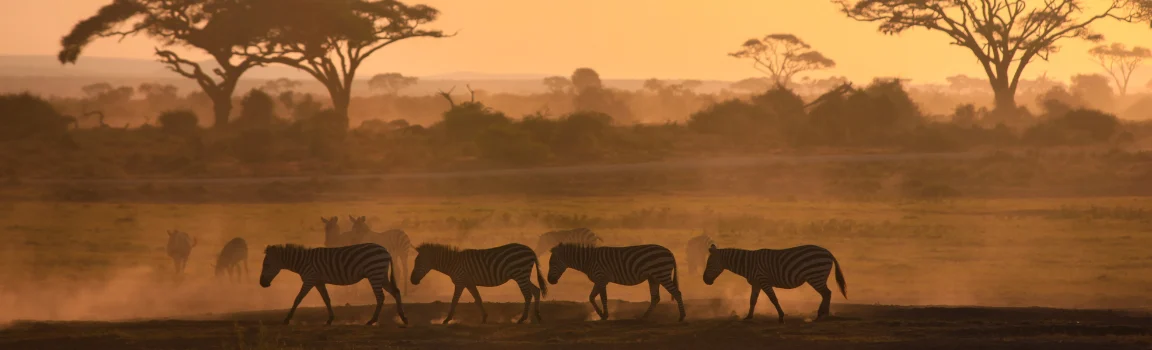
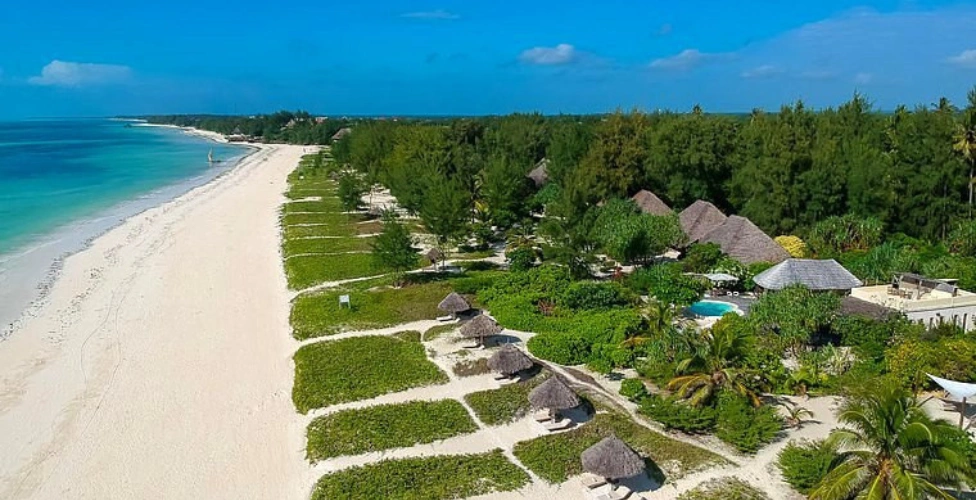
There is a particular quality to a family holiday in Zanzibar that is difficult to describe without having experienced it — the way the island manages to be simultaneously thrilling for children and genuinely restful for adults, the way every day offers something that the whole family remembers for completely different reasons, and the way the Indian Ocean's warm, shallow, turquoise water converts children who have never swum in the sea into passionate advocates for ocean swimming within approximately forty five minutes of arrival.
Zanzibar is one of the finest family beach destinations in the world. Paired with a Tanzania mainland safari — the Serengeti, the Ngorongoro Crater, Tarangire — the combination delivers the single most complete family adventure available to Indian travellers: big game wildlife, living history, cultural depth, extraordinary food, and a beach finish on the Indian Ocean that lands differently for children than any resort pool or domestic hill station ever could.
This guide covers everything — how to structure the family Zanzibar beach safari itinerary, the best activities for children of different ages, which resorts and beaches work best for families, what Indian families specifically need to know, and how to handle the practical details that make the difference between a stressful trip and an effortless one. For the complete Tanzania and Zanzibar overview, read our Zanzibar & Tanzania Safari Guide, or explore our Tanzania and Zanzibar packages from India to start building your family itinerary.
Why Zanzibar Works So Well for Families
Most family beach destinations offer a binary: beach or pool. Zanzibar offers neither in isolation — it layers beach, reef, culture, wildlife, history, food, and water sports into a single island small enough to navigate without exhausting children, and varied enough that no two days feel the same. The Indian Ocean's water temperature around Zanzibar sits between 26°C and 29°C year round — warmer than most hotel pools — which means even very young children swim comfortably without the shock of cold water that curtails ocean time in so many other destinations.
The island's physical character suits families well. Zanzibar is flat across much of its interior and coastline, road distances between attractions are short, and there is no altitude adjustment, no jet lag severity comparable to long haul Southeast Asia, and no climate extreme — the heat is warm rather than brutal, the dry season is sunny without being oppressive, and the ocean breeze that runs along both the east and north coasts makes even the hottest midday hours manageable.
For Indian families specifically, Zanzibar offers something that few other exotic beach destinations provide: a cultural familiarity that reduces the friction of being far from home. The Indian Ocean culinary heritage — the samosas at Forodhani, the spice profiles in every dish, the merchant history connecting Gujarat and the Swahili Coast — gives children and adults alike a sense of orientation in an unfamiliar place. Vegetarian food is readily available. The people are warm and genuinely welcoming. The combination of safety, culture, and natural beauty makes Zanzibar unusually accessible as a first international adventure for families who have not previously travelled to Africa.
And then there is the safari connection. The family Zanzibar beach safari — arriving from the Serengeti or the Ngorongoro Crater — is not merely a beach holiday appended to a game drive. It is a complete sensory and emotional journey: the dust and drama of the African bush, then the salt and serenity of the Indian Ocean. Children who have watched a lioness hunt at dawn in the Serengeti and snorkelled over a coral reef full of turtles at Mnemba Atoll in the same week come home carrying something that no classroom, no screen, and no domestic holiday can give them.
The Best Family Zanzibar Beach Safari Itinerary Structure
The most effective family Zanzibar beach safari combines a Tanzania mainland safari circuit with a Zanzibar beach extension. The optimal sequence is always safari first, beach second — arriving in Zanzibar after the bush creates a transition of extraordinary relief and pleasure that is one of the great travel contrasts in the world. Children who have been absorbing the intensity of the Serengeti for five to seven days arrive at the Indian Ocean in a state of readiness for quiet that makes the beach land completely differently than it would as a cold start destination.
Option 1: The Classic Family Combination (12–14 nights)
- Nights 1–2: Arusha / Tarangire — Arrival, acclimatisation, first game drive. Tarangire is exceptional for families: enormous elephant herds (children's favourite large mammal by a significant margin), gentle landscape, and a relaxed pace that gives first time safari families time to find their rhythm before the intensity of the Serengeti.
- Nights 3–5: Serengeti (Central or Northern depending on season) — The iconic park. Big cats, wildebeest, giraffe, zebra, hippo pools. The Serengeti is where families collect the game drive memories they reference for years. Early morning drives when predators are active, afternoon rest at camp, evening sundowners.
- Nights 6–7: Ngorongoro Crater — The most concentrated wildlife viewing in Africa. The crater floor game drive — where lion, black rhino, leopard, elephant, and vast herds of buffalo exist within a single enclosed ecosystem — is unlike any other game drive experience. For children who have been building their wildlife vocabulary through the previous days, the Ngorongoro crater delivers the definitive chapter.
- Nights 8–14: Zanzibar — Six to seven nights on the island. Stone Town on arrival day, then north or east coast beach resort for the remainder. One structured activity day (dolphin swim or Mnemba snorkel), one spice and Stone Town cultural day, one sandbank or Prison Island day, remainder at the beach.
Option 2: The Shorter Family Circuit (9–10 nights)
- Nights 1–2: Tarangire or Lake Manyara — Excellent for families with younger children who may have shorter game drive stamina; Lake Manyara's compact size and tree climbing lion population are particularly engaging.
- Nights 3–5: Serengeti — Three nights captures the essential Serengeti experience.
- Nights 6–10: Zanzibar — Five nights is enough for the primary family experiences without fatigue.
Option 3: Zanzibar Standalone Family Holiday (7–10 nights)
For families who are not ready for the full safari commitment, or who are travelling with very young children (under three years), Zanzibar works beautifully as a standalone family beach destination. Seven to ten nights allows thorough exploration of Stone Town, both the north and east coasts, multiple water activities, and genuine beach relaxation time without any rushing. The island's compact geography means day trip excursions from a single base are entirely practical.
The Best Family Friendly Areas and Beaches in Zanzibar
Nungwi and Kendwa (North Coast) — Best for Families with Young Children
The north coast — specifically the twin villages of Nungwi and Kendwa — is the most consistently family friendly part of Zanzibar, and for a simple reason: the tidal range is minimal. Unlike the east coast beaches where the water recedes dramatically at low tide and leaves hundreds of metres of wet sand with no swimmable water, Nungwi and Kendwa have swimmable water throughout the tidal cycle, morning to evening, every day. For families with young children who want to swim, build sandcastles at the water's edge, and paddle in the shallows at any time of day without consulting a tide table, the north coast is the correct choice.
The beach at Nungwi is wide, white, and backed by a village that maintains enough local character to be interesting — fishing dhows pulled up above the tide line, women selling fresh coconuts, men repairing nets — without the tourist market density of Stone Town. Kendwa, a twenty minute walk further along the coast, is quieter, the water is perfectly calm (the beach faces slightly more westward, protected from the trade winds), and the sunset from Kendwa's beach is one of the finest in the archipelago.
Matemwe (East Coast) — Best for Families with Older Children and Snorkellers
Matemwe on the north east coast is the closest departure point for Mnemba Atoll — the finest snorkelling site in the Zanzibar archipelago — and for families with children aged eight and above who are competent swimmers, the combination of the Matemwe beach and a morning Mnemba snorkel trip is genuinely extraordinary. The beach itself is spectacularly beautiful: white sand, coconut palms, the Indian Ocean in shades of blue and turquoise extending to the reef line a kilometre offshore. The tidal recession is significant (the east coast empties considerably at low tide), so swimming is best planned around the high tide window, but the visual drama of the low tide beach — with its tidal pools full of starfish, small fish, and sea urchins — is in itself a wonderland for children with any curiosity about marine life.
Paje (East Coast) — Best for Families with Teenagers
Paje is Zanzibar's kitesurfing capital, and for families with teenagers who have any interest in water sports, it is the natural base. The consistent trade winds, vast shallow tidal lagoon, and number of IKO certified kitesurfing schools make Paje the best place in the Indian Ocean to learn kitesurfing as a beginner. Teenagers who spend three to four days in a beginner kitesurfing course at Paje leave with a skill, a certificate, and a level of enthusiasm for the ocean that no passive beach experience could produce. Stand up paddleboarding, windsurfing, and traditional outrigger ngalawa sailing are also available for non kiters.
The Best Family Activities in Zanzibar
1. Snorkelling at Mnemba Atoll
Mnemba Atoll, the pristine coral reef surrounding tiny Mnemba Island off the north east coast, is the family activity that produces the most consistent and universal delight — adults and children, experienced swimmers and novices, all emerge from the water at Mnemba with the same expression of barely contained excitement. The reef supports hawksbill turtles (regularly encountered at the shallower sections), whitetip reef sharks (thrilling rather than frightening — these are small, gentle animals that move away from snorkellers), dozens of species of colourful reef fish, giant clams, moray eels, and the kind of underwater colour density that children who have only seen coral reefs in David Attenborough documentaries find vertiginous with reality.
The water temperature at Mnemba is body temperature warm year round. The reef's shallower sections — where the most interesting wildlife concentrates — are accessible to children as young as five or six who are comfortable in the water and can wear a snorkel mask. For children who are nervous about open water, most operators provide life jackets (confirm at booking), which removes the swimming anxiety and allows even weak swimmers to float comfortably over the reef. A morning departure is strongly recommended — calmer sea conditions, better light, turtles more active in the shallows.
For the full detail on Mnemba and all of Zanzibar's marine activities, read our Best Things to Do in Zanzibar guide.
2. Dolphin Swimming at Kizimkazi
The early morning dolphin encounter at Kizimkazi on Zanzibar's south coast is one of those experiences that produces a disproportionate emotional response in children — the combination of the pre dawn departure, the boat journey in the dark, the sunrise over the water, and then the sudden presence of wild spinner dolphins circling below the surface creates a sequence of impressions that sits differently in a child's memory than any scripted wildlife encounter can.
Spinner dolphins are acrobatic, social animals that launch themselves out of the water and spin on their longitudinal axis — a behaviour observed most often in the early morning hours when they are active and playful rather than resting. When a pod of spinners begins jumping and spinning a few metres from a snorkelling child, the response is involuntary and memorable. The dolphins are wild and unhabituated to human presence in the way that captive or fed animals are, which means encounters are genuine wildlife interactions rather than performances — something children with older parents who value authenticity will appreciate in retrospect even if the in the moment pleasure is simply the joy of proximity to wild animals.
Age guidance: Children should be comfortable swimming in open water and wearing a snorkel mask. Most operators require a minimum age of around five or six; confirm with your specific operator. Children who are uncomfortable with deep open water can watch from the boat, which itself offers good sightings when the pod surfaces nearby.
3. Stone Town Cultural Walking Tour
Stone Town — UNESCO World Heritage listed, the historic capital of Zanzibar, one of the most extraordinary intact historic cities in the Indian Ocean world — is often underestimated as a family activity on the basis that history and architecture do not engage children. In practice, Stone Town with a good guide who calibrates the experience to the age of the children present is one of the most absorbing days a family can have anywhere in East Africa.
The physical character of Stone Town alone is engaging for children: the labyrinthine lanes so narrow that two adults cannot walk side by side, the carved wooden doors with their brass studs and geometric patterns (a game of counting studs and comparing designs keeps younger children occupied for longer than anticipated), the rooftop views over the coral stone roofline and the Indian Ocean, the unexpected courtyards, the spice sellers with their open sacks of cardamom and cloves whose scent penetrates an entire lane. A good guide turns the slave market into a history lesson children can process at their own level. The House of Wonders explains why electricity and lifts in a building in 1883 was as extraordinary then as a spacecraft is now. Freddie Mercury's birthplace — easily the most recognisable cultural reference for teenagers and parents alike — gives the city's Indian Ocean Indian diaspora connection a contemporary face.
Plan the Stone Town visit for a morning, when the lanes are cooler and less crowded. Factor in a break at a rooftop café with cold drinks and harbour views midway through. End the day at the Forodhani Night Market, which is the most reliable child pleaser on the island.
4. Forodhani Night Market
The Forodhani Night Market — the outdoor food market that fills the Stone Town waterfront every evening after sunset — is, without qualification, the best family dinner experience in Zanzibar and one of the finest in East Africa. It is not a tourist facing performance of Zanzibar culture; it is the actual Zanzibari evening social ritual, attended by local families, office workers, fishermen, and visitors in a completely unsegregated space where the social mixing itself is part of the experience.
Children are immediately at home at Forodhani because the food comes in small portions, costs almost nothing, and is cooked visibly in front of them — the charcoal grills, the flat iron for Zanzibar pizza, the press for sugar cane juice, the pot of Urojo soup being assembled from its component parts are all kitchen theatre of a completely engaging kind. Grilled corn, coconut bread, bhajia (vegetable fritters that Indian children recognise immediately), samosas, fresh squeezed sugar cane juice with ginger, and the sweet version of Zanzibar pizza (stuffed with Nutella and banana) cover most children's food preferences without any negotiation.
For Indian families, the Forodhani food landscape is legible in a way that makes it immediately comfortable: the samosas, the bhajia, the spice profiles, the sugar cane juice are all expressions of the same Indian Ocean culinary exchange that shaped Indian coastal food. Children who are initially cautious about unfamiliar food generally warm up within a few minutes of watching other families eat happily and smelling the grills.
5. Prison Island and the Giant Tortoises
Prison Island — Changuu Island — a 25-minute boat ride from Stone Town, is the most reliably engaging family half day excursion in the Zanzibar archipelago, and the giant tortoises are the reason. The colony of Aldabra giant tortoises on the island — some estimated to be well over a century old, completely unafraid of humans, willing to accept hand feeding of leaves — produces a response in children that is hard to achieve with any other animal encounter in Zanzibar. These animals are enormous (the largest weigh over 200 kilograms), ancient, and entirely peaceful; they move at a pace that even the most hyperactive child can keep up with, they make excellent photographic subjects, and the peculiar sensation of a giant tortoise accepting a leaf from a small human hand is genuinely tender.
The boat journey from Stone Town harbour — 25 minutes across the channel, with the Stone Town skyline receding and the island approaching — is itself an adventure that most children enjoy. The colonial era prison building, the brief walk through the island's interior, the surrounding reef (accessible for snorkelling if conditions permit), and the return journey all fit comfortably within a half day without fatigue. Prison Island works perfectly as a morning excursion followed by an afternoon in Stone Town and the Forodhani evening market — a complete, varied day that costs almost nothing and requires no beach.
6. Spice Farm Tour
The spice farm tour — a half day guided walk through one of Zanzibar's working spice plantations in the island's central interior — is the activity that Indian families tend to underestimate before they do it and uniformly describe as a highlight afterwards. The reason is the immediacy of recognition: cardamom pods growing on a plant in red volcanic soil, black pepper climbing a tree, vanilla orchids, cinnamon bark peeled directly from a branch and pressed into a palm — these are not abstract botanic exhibits but the actual living sources of the spices that sit in every Indian kitchen, ground in every Indian household, used in every Indian meal.
A good guide translates this recognition into wonder: explaining the scale of the historical clove trade (Zanzibar supplied 75% of the world's cloves at the height of the Omani era plantation economy), the mechanics of how vanilla is hand pollinated, why nutmeg produces two different spices (the seed and the mace), and how the same spice routes that connected Gujarat to Zanzibar shaped the food that Indian children eat today. For children who learn best through sensory experience and tangible connection rather than abstract historical narrative, the spice farm is exceptional teaching.
Most spice tours end with the opportunity to purchase fresh and dried spices directly from the farm — far superior to the tourist facing spice packages sold in Stone Town shops. Some operators include a traditional Zanzibari lunch cooked using the spices encountered on the walk, which makes an excellent end to the morning.
7. Private Sandbank Picnic
The private sandbank picnic — where a boat takes your family to a temporary island of white sand that emerges from the turquoise Indian Ocean shallows at low tide, sets up a table and chairs in the middle of the ocean, and serves a full picnic lunch with cold drinks while the water laps gently around your feet — is the quintessential Zanzibar family memory maker. There is no way to fully prepare children for the experience of standing on a sandbank with water visible in every direction and no other land in sight; it produces a combination of wonder, slightly vertiginous freedom, and pure sensory delight that is entirely unique.
The water around most sandbanks is ankle to knee deep on adult legs — safe for paddling, catching small fish in shallow pools, building temporary sandcastles, and general splashing for children of any age. The boat journey to and from the sandbank usually passes over the reef, creating opportunities for mask and snorkel viewing over the side for children who want to see what is below. Most operators can customise the picnic food — confirming dietary requirements, including vegetarian and Indian food preferences, at booking is straightforward with any reputable provider.
8. Dhow Sailing
A family dhow sail — on a traditional wooden lateen rigged vessel, the same design that has navigated the Indian Ocean for over a thousand years — is a different experience to the adult sunset dhow cruise. A daytime family dhow sail focuses on the sailing itself: children can help hoist the sail, hold the sheet lines, learn the basic mechanics of wind driven sailing from a crew who have been doing it since childhood. The dhow moves slowly, quietly, and with a gentle motion that is comfortable even for children who are prone to motion sickness on motorised boats.
Many family dhow excursions combine the sailing with a stop at a shallow snorkelling site and a traditional beach picnic, creating a full day water adventure that covers sailing, snorkelling, swimming, and eating in a single unhurried sequence. The departure from Stone Town harbour — where dozens of traditional dhows are always at anchor, with fishermen loading gear and the old city skyline behind them — gives even the departure an atmospheric quality that sets the tone for the day.
The Tanzania Safari Component: What Families Need to Know
The Tanzania mainland safari is the most powerful component of the family Zanzibar beach safari combination — and also the part that requires the most advance planning for families, particularly those with children under ten. Understanding what the safari experience involves for children of different ages, which parks are most appropriate, and what the logistical realities are is essential for arriving with calibrated expectations.
Age Suitability
Most luxury safari camps and lodges in Tanzania accept children aged five and above, with some accepting children from age three. Children under five are generally not permitted on open vehicle game drives due to safety considerations — the vehicles move off road in the presence of wildlife including predators, and very young children cannot reliably follow safety instructions. Confirm the minimum age policy of your chosen properties at the research stage; our specialists can identify the most family friendly camp options across all park areas.
Children between five and ten tend to engage most with large mammals — elephants, giraffes, lions, and hippos typically produce the strongest responses — and have game drive stamina of approximately two to three hours before fidgeting becomes significant. Evening drives are harder than morning drives for this age group; morning game drives of two to three hours followed by a camp activity (pool, nature walk, junior ranger programme) work best. The Ngorongoro Crater's concentrated wildlife within a compact floor area is ideal for this age group — maximum sightings within minimum drive time.
Children ten and above generally have full adult game drive stamina and the intellectual appetite to absorb the ecological and behavioural context that makes safari observations meaningful rather than just visual. Teenagers on safari who engage with the naturalist guides — asking questions, learning animal behaviour, understanding predator prey dynamics — consistently describe it as one of the most intellectually stimulating travel experiences they have had.
Best Parks for Families
Tarangire National Park is widely considered the best first Tanzania park for families — the landscape is varied and photogenic, the elephant population is the largest in Tanzania and congregates predictably around the Tarangire River in the dry season, and the pace is gentler and less intense than the Serengeti. The baobab trees are otherworldly and make extraordinary photographic subjects. Two nights in Tarangire is the standard family itinerary opener.
The Serengeti is non negotiable for any serious family safari — the scale, the diversity, and the predator density of the Serengeti are simply unmatched anywhere in Africa. The central Serengeti (Seronera area) has the most reliable year round predator activity; the northern Serengeti (Kogatende area) offers the dramatic Mara River wildebeest crossings between July and October for families visiting in that window. Three nights is the minimum for the Serengeti; four nights is strongly preferable for families who want to fully absorb the park without rushing.
The Ngorongoro Crater is the definitive Tanzania wildlife experience and the one that most families cite as their single greatest day in Tanzania. The crater floor game drive covers black rhino, lion, leopard, cheetah, elephant, buffalo, and vast herds of plains game within an enclosed volcanic caldera — a concentration of wildlife that has no parallel in East Africa. One to two nights at a crater rim lodge (with views of the caldera) is the standard allocation.
For full detail on planning the safari component, read our Best Safari Tours in Tanzania and our Best Time to Visit Tanzania Safari guide for seasonal planning specific to family travel.
Family Safari Accommodation
Accommodation choice matters more for families than for couples or solo travellers — the practical requirements of children (space, food, sleep, activity options, medical safety) need to be met by the property as well as by the wildlife experience. The best family safari lodges in Tanzania offer interconnecting rooms or family tent configurations (preventing children from being in separate tents from parents), child appropriate menus and flexible mealtimes, junior ranger programmes for children aged eight and above, swimming pools for afternoon downtime, and staff who have genuine experience hosting children rather than merely tolerating them.
Our specialists can match family camp selections to the specific ages and interests of your children — the criteria are different for a family with a seven year old versus one with three teenagers, and the right lodge makes an enormous difference to how children experience the safari.
Choosing the Right Family Resort in Zanzibar
Zanzibar's resort landscape has expanded significantly over the past decade, and the gap between a genuinely family oriented property and a property that technically accepts children but is essentially designed for adult couples is wide. Knowing what to look for — and what to avoid — saves the frustration of arriving at a property that was not designed for the experience you came for.
What to Look For in a Family Zanzibar Resort
- Beach access without tidal restriction: For families with young children, north coast properties (Nungwi, Kendwa) where the beach is swimmable at all states of the tide are preferable to east coast properties where low tide removes the water entirely.
- Interconnecting rooms or family villa configurations: Families with multiple children need rooms that connect or villas with multiple bedrooms — separate standard rooms spread across a large property are logistically difficult with young children at night.
- Genuine children's menus and flexible dining: The best family resorts offer children's menus that are genuinely child friendly (not simply the adult menu with smaller portions), flexible meal timing (early dinner for young children), and Indian food options or the ability to accommodate specific dietary requirements with advance notice.
- A pool with a shallow area: For younger children who are not strong swimmers, a pool with a dedicated shallow section separate from the adult pool is essential — it allows independent play without constant adult supervision in the water.
- Activity and excursion coordination: The best family resorts either employ dedicated excursion coordinators or have established relationships with reputable tour operators who understand family requirements — including life jackets for all water activities, age appropriate pacing, and guides who know how to engage children.
- Medical preparedness: Zanzibar is a malaria area. Confirm that your resort is proactive about mosquito management (nets, repellent provision, room screening), that there is a medical facility within reasonable distance of the property, and that your travel insurance covers paediatric medical evacuation if necessary.
Practical Guide for Indian Families Travelling to Zanzibar
Visas and Entry
Indian passport holders require a Tanzania visa to enter Zanzibar (Zanzibar is part of the United Republic of Tanzania; the same visa covers both the mainland and the island). The Tanzania e Visa is available online at the official Tanzania immigration portal and should be applied for at least two to three weeks in advance of travel. Children travelling on their own passports require individual visas; children travelling on a parent's passport (if so documented) need to confirm the current entry requirements with the Tanzania immigration authority, as policies on this can vary. Our specialists handle all visa documentation for families as part of the package planning process.
Health and Vaccinations
Both Tanzania mainland and Zanzibar are malaria zones. Antimalarial prophylaxis for all family members — including children, where the appropriate paediatric medication and dosage should be confirmed with your family doctor or a travel medicine clinic at least four to six weeks before departure — is strongly recommended. DEET based mosquito repellent (child safe formulations are available) and sleeping under mosquito nets (provided by all reputable safari camps and most Zanzibar hotels) form the essential protection alongside prophylaxis.
Yellow fever vaccination is required for travellers arriving from yellow fever endemic countries — if your family is travelling to East Africa via certain African transit points, confirm the yellow fever requirement for your specific routing. Hepatitis A and typhoid vaccinations are generally recommended for travel to Tanzania. Consult a travel medicine specialist rather than relying on general lists, as individual recommendations depend on the child's existing vaccination history, age, and the specific itinerary.
Food and Dietary Requirements
Indian families — particularly vegetarian households and those with Jain dietary requirements — can travel to Zanzibar with genuine ease, provided requirements are communicated in advance. Vegetarian food is available throughout the island and widely understood. The Indian Ocean culinary heritage means that many traditional dishes are naturally vegetarian, or easily prepared vegetarian on request — coconut rice, lentil preparations, vegetable curries, and the grain and legume dishes of the Swahili culinary tradition are all broadly available.
Jain requirements (no root vegetables, no onion and garlic) require more specific advance communication — inform your hotel and any restaurants you plan to visit clearly and with enough lead time for the kitchen to prepare alternatives. In our experience, Zanzibar's better resort kitchens are responsive and experienced at accommodating Indian dietary requirements; the challenge is typically in the street food environment, where cross contamination is difficult to control.
Children's food preferences are well catered for at resort level — most family properties have or can produce pasta, rice, simple grilled items, and fruit that fussy eaters will accept. The Forodhani Night Market is surprisingly well suited to Indian children — the bhajia, samosas, sugar cane juice, and sweet Zanzibar pizza cover most childhood palates.
Packing for a Family Zanzibar Beach Safari
Key items beyond standard beach holiday kit for a family Zanzibar beach safari:
- Safari clothing: Neutral coloured (khaki, olive, tan — avoid bright colours and white) lightweight long sleeved shirts and trousers for game drives. The open vehicle game drives are dusty; pack one set of safari clothes per person per three safari days, not more.
- Sun protection: High SPF sunscreen (reef safe formulations for marine activities), UV protective swimwear for children, wide brimmed hats. The equatorial sun in both Tanzania and Zanzibar is significantly more intense than anything an Indian family encounters at home or in most international beach destinations.
- Snorkel masks: Own equipment snorkel masks fit children's faces better than rental equipment and allow pre trip familiarisation. A properly fitting mask that does not leak makes the Mnemba snorkel experience significantly better, particularly for first timers.
- Insect repellent: DEET based child safe formulations. Pack more than you think you need.
- First aid: A basic travel medical kit including oral rehydration salts, antihistamines, child appropriate analgesics, and any prescription medications (antimalarials, allergy medications) in quantities sufficient for the trip duration plus buffer.
- Dry bags: For keeping phones, cameras, and documents dry on boat excursions — the marine and water activity component of a Zanzibar trip involves significant water exposure.
Getting to Zanzibar from India
Most Indian families reach Zanzibar by flying into Dar es Salaam (Julius Nyerere International Airport) or Kilimanjaro International Airport (for safari first itineraries beginning in northern Tanzania) from Indian gateway cities. Direct or one stop connections operate from Mumbai, Delhi, Bengaluru, and Chennai via hubs including Dubai, Nairobi, Addis Ababa, and Doha. Flying time from India to Dar es Salaam is approximately 8–10 hours with a transit stop.
The transfer from the Tanzania mainland to Zanzibar is by charter or scheduled flight (25–45 minutes from Dar es Salaam; approximately 60–90 minutes from the Serengeti or Arusha by charter) or by high speed ferry from Dar es Salaam port (approximately two hours; less comfortable but significantly cheaper). For families completing a safari circuit, the charter flight directly from the Serengeti or from Arusha to Zanzibar is the standard and highly recommended option — it is fast, produces extraordinary aerial views of the Tanzanian landscape, and eliminates the need to transit through Dar es Salaam.
For a full breakdown of costs and budget planning for the complete India to Zanzibar family trip, read our Tanzania Cost Guide for Indian Travellers.
Currency and Payments
The Tanzanian Shilling is the local currency but USD is accepted almost universally in Zanzibar's tourist economy — hotels, resorts, tours, and excursions typically price and invoice in USD. Carrying a supply of USD cash alongside a widely accepted international debit or credit card is the practical approach. Small denominations of USD (ones, fives, and tens) are useful for tips, market purchases, and small transactions. ATMs are available in Stone Town and in some tourist areas but cannot be relied upon in all circumstances; arrive with sufficient cash for at least the first two to three days.
14-Night Family Zanzibar Beach Safari Itinerary
The following itinerary is structured for a family of four (two adults, two children aged 8 and 12) — one of the most common family configurations we plan for Indian families. It balances wildlife intensity with beach recovery and keeps activity pace appropriate for children without sacrificing adult experience quality.
Days 1–2: Arrival in Arusha / Tarangire National Park
Fly into Kilimanjaro International Airport. Transfer to your Tarangire camp. Evening arrival orientation and sundowner. Day 2: full day Tarangire game drive. The elephant herds on the river are typically extraordinary in the dry season; the baobab landscape is unlike anything in India or most international destinations. Early to bed — the game drives begin before sunrise.
Days 3–6: Serengeti National Park (Central Seronera)
Charter flight from Tarangire airstrip to Seronera. Four days in the Serengeti — morning and evening game drives with afternoon camp time (pool, junior ranger programme, rest). The Seronera area has the highest year round concentration of lions and cheetahs; leopards are regularly sighted in the riverine trees along the Seronera River. By Day 6, the family's game drive vocabulary is comprehensive and the children are fully invested observers.
Days 7–8: Ngorongoro Crater
Charter or road transfer to Ngorongoro. Crater rim lodge arrival — the first view of the caldera from the lodge verandah or rim road is genuinely one of the great travel moments in Africa. Day 8: crater floor game drive. This is the day that produces the most photographs, the most superlatives, and the most conversations at dinner. Black rhino (endangered; Ngorongoro is one of the few places where reliable sightings are possible), lions on the open short grass plains, flamingos on the soda lake, hippos at the pool, and the sense of being inside a self contained world with no fences and no boundaries. Children who have been building their wildlife knowledge through the previous days reach something close to expert status by the end of the crater floor drive.
Days 9–14: Zanzibar — North Coast Base (Nungwi/Kendwa)
Charter flight from Ngorongoro airstrip to Zanzibar. The transition from the crater's high altitude grassland to the Indian Ocean's salt air takes approximately ninety minutes by air — a geographical and sensory transformation that families consistently describe as one of the most extraordinary single moments of the trip.
Day 9: Arrival and beach. Do nothing structured. Swim. Let the children discover the water. Watch the sunset from the beach. Dinner at the resort.
Day 10: Stone Town cultural walking tour (morning) + Prison Island giant tortoise visit (afternoon) + Forodhani Night Market (evening). A full and varied day covering history, wildlife, and food without requiring any beach time.
Day 11: Mnemba Atoll snorkelling morning trip from Matemwe (day transfer from north coast base). The finest snorkelling in the archipelago — book a morning departure for best conditions. Afternoon return to north coast, beach time.
Day 12: Spice farm tour (morning) + traditional Zanzibari lunch at the farm + afternoon beach. The spice farm is best in the morning before the heat builds.
Day 13: Dolphin swim at Kizimkazi (early morning departure, 5:30am) + sandbank picnic lunch (afternoon, timed to low tide). Two of the island's best experiences in a single day, separated by a rest period.
Day 14: Free beach morning. Afternoon transfer to Zanzibar airport for evening departure flight via Dar es Salaam back to India.
When to Plan Your Family Zanzibar Beach Safari
The best windows for a family Zanzibar beach safari from India are June to October and December to February. These periods align the Tanzania safari dry season (when wildlife is most concentrated around water sources and bush cover is minimal, maximising sightings) with Zanzibar's best beach and marine conditions (clear water, calm seas, reliable sunshine). For Indian families travelling during school holidays, the June–July and December–January windows are the natural fit.
June to October is the more popular window for wildlife — particularly July to October in the northern Serengeti, when the wildebeest migration river crossings are active. December and January have excellent wildlife (the short grass plains of the southern Serengeti fill with wildebeest calving from late January) and the Zanzibar beaches are at their best for the Christmas–New Year period. Book well in advance — six to nine months — for December travel.
The long rains (March to May) should generally be avoided for family travel — heavy rainfall disrupts game drives, many camps partially close, and Zanzibar's marine activity conditions deteriorate. November's short rains are briefer and less disruptive; families travelling in November often experience the trip with minimal weather interference, though some unpredictability should be expected.
For complete seasonal planning detail, read our Best Time to Visit Tanzania Safari guide, which covers each month's conditions across all the major parks and Zanzibar in detail, and our Zanzibar guide for additional property and activity context.
Ready to Plan Your Family Zanzibar Beach Safari?
A family Zanzibar beach safari is not a trip you want to assemble from parts. The logistics — flight connections, charter transfers between parks, camp minimum age policies, visa documentation, malaria prophylaxis timing, resort selection that genuinely works for children, activity operator quality, dietary communication — are all manageable, but only when coordinated by specialists who plan these trips routinely and know which choices make the difference between a good trip and an extraordinary one.
Our specialists design complete family Tanzania safari and Zanzibar itineraries for Indian families — from the first visa application to the last sunset on the north coast beach. Explore our Tanzania and Zanzibar packages from India or contact our team to begin building your family itinerary. Tell us the ages of your children, the travel window, and how much of the trip should be safari versus beach, and we will design the rest.
Family Zanzibar Beach Safari – FAQs
Most luxury safari camps in Tanzania accept children from age five, with some accepting children from age three. Children under five are generally not permitted on open vehicle game drives in the presence of wildlife due to safety considerations. Some camps offer private vehicles with tailored game drive rules that can accommodate younger children. Zanzibar itself has no meaningful age restrictions — the beach, marine activities, and cultural experiences are accessible to children of all ages. For families with children under five, a Zanzibar standalone holiday is the practical choice; the safari component can be added when the children are older.
Nungwi and Kendwa on the north coast are by far the best choice for families with young children, specifically because the tidal range is minimal — the beach is swimmable throughout the day at all tide states. East coast beaches (Matemwe, Paje, Bwejuu) are beautiful but the water recedes dramatically at low tide, leaving the beach without swimmable water for several hours twice a day. For families with toddlers and young children whose beach enjoyment depends on being in the water when they want to be, the north coast is the correct choice. Families with older children who are confident swimmers and who prioritise snorkelling quality over constant water access can consider the east coast for its proximity to Mnemba Atoll.
Yes — Zanzibar is one of the safest family travel destinations in East Africa. The island has a stable, safe tourism environment, and Indian families are treated with particular warmth given the deep historical connections between the Indian Ocean Indian diaspora and the Zanzibar community. Standard travel precautions apply: keep valuables secure in Stone Town's busier lanes, be cautious of unsolicited offers from touts near the harbour, and use reputable operators for all excursions rather than accepting unvetted approaches. The main health consideration is malaria — take prophylaxis seriously, use repellent consistently, and sleep under mosquito nets. With these basic precautions, Zanzibar is a very safe family destination.
Vegetarian families can eat very well in Zanzibar, particularly at resort level where advance communication of dietary requirements is standard practice. The island's culinary tradition has strong vegetarian options — coconut rice, lentil dishes, vegetable curries, various grain preparations, fresh tropical fruit, and the Forodhani market's vegetarian items (bhajia, coconut bread, sugar cane juice, vegetable Zanzibar pizza). Jain families face a more specific challenge: no root vegetables, no onion and garlic requires proactive kitchen communication. Most of Zanzibar's better resort properties are experienced at accommodating this requirement when given advance notice. The street food environment and smaller restaurants are harder to navigate for Jain requirements; confine the strictest Jain meal requirements to resort dining where communication and control are more straightforward.
Five to seven nights is the optimal Zanzibar allocation when combined with a Tanzania mainland safari. Five nights covers Stone Town and Prison Island (one day), a water activity day (Mnemba snorkel or dolphin swim), a spice tour, and two to three genuine beach days. Seven nights adds a sandbank picnic, more flexible pacing, and allows children to actually inhabit the beach rather than rushing between activities. Anything fewer than four nights feels like a beach taster rather than a beach holiday. For a standalone family Zanzibar trip without the safari component, seven to ten nights is the ideal range.
June to October and December to January are the best windows for Indian families, as they align with Indian school holidays and with Tanzania's dry safari season and Zanzibar's optimal beach weather. June–July is excellent for families with school age children. October is slightly quieter and often offers better value than peak months. December–January is beautiful — both the Serengeti (wildebeest calving begins in late January in the southern Serengeti) and Zanzibar are at their best — but this is the most popular and most expensive window; book six to nine months in advance. Avoid March to May (long rains) and approach November with the understanding that some weather unpredictability is possible.
Children travelling on their own passports require individual Tanzania e Visas, regardless of age. The Tanzania e Visa is available online via the official Tanzania immigration portal (immigration.go.tz) and should be applied for at least two to three weeks before travel. Children travelling on a parent's passport (where the passport specifically documents this) should verify current entry requirements directly with the Tanzania High Commission or immigration authority, as policies can change. Our specialists handle all visa documentation for families as part of the package planning process, ensuring the correct documentation for all family members.
Yes, for children who are comfortable in open water and can wear a snorkel mask. Most operators suggest a minimum age of around five to six for in water participation; younger children or non swimmers can participate from the boat, which provides good sightings when the pod surfaces nearby. The key variable is operator quality — choose an operator who follows ethical dolphin interaction guidelines (no pursuing stressed animals, limited in water time, life jackets provided) rather than one who chases dolphins regardless of animal behaviour. A good ethical operator produces a better experience for children anyway — relaxed, curious dolphins who approach of their own accord are far more engaging than stressed animals being pursued by multiple boats. Ask your hotel or our specialists for specific operator recommendations.
For families completing a Tanzania safari circuit, the standard and strongly recommended transfer is by charter flight from the final safari airstrip (Seronera, Kogatende, Ngorongoro) directly to Zanzibar airport. Flight time is approximately 60–90 minutes from the Serengeti or Ngorongoro, and the aerial view of the Tanzanian landscape — the plains, the Rift Valley escarpment, the coast — is itself a wonderful family experience. The charter is arranged by your safari operator as part of the itinerary. Families arriving independently in Dar es Salaam can take a scheduled flight to Zanzibar (25–45 minutes, multiple daily departures) or the high speed ferry from Dar es Salaam port (approximately two hours, weather dependent). The ferry is less comfortable and less recommended for families with young children, particularly in rougher sea conditions.
Malaria prevention for children requires specific medical guidance — the appropriate antimalarial medication and dose for a child depends on age, weight, and existing health conditions and must be confirmed with a travel medicine specialist or paediatrician at least four to six weeks before departure. The commonly prescribed adult antimalarials (doxycycline, mefloquine) have specific paediatric restrictions; Malarone (atovaquone/proguanil) is the most commonly recommended paediatric option but still requires professional confirmation. Beyond prophylaxis: use child safe DEET based mosquito repellent at dusk and evening, dress children in long sleeves and trousers during evening outdoor time, and ensure mosquito nets are properly tucked in at night. All reputable safari camps and Zanzibar hotels provide mosquito nets; confirm this at booking.