
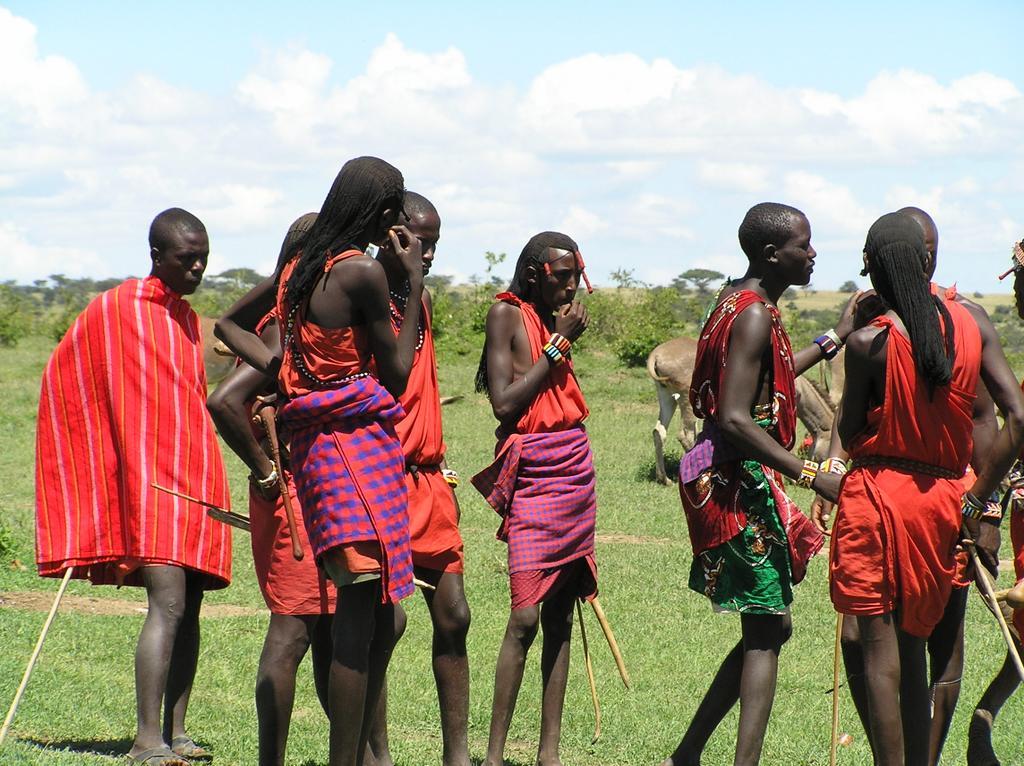
The Masai speak Maa, a Nilotic language that connects communities across southern Kenya and northern Tanzania. More than a communication system, Maa carries cultural identity, oral history, social hierarchy, and spiritual worldview. Travelers planning a Masai Mara tour from Bhubaneswar often find that learning a few Maa greetings adds meaningful connection during cultural interactions.
If you are new to Masai culture, begin with The Masai Tribe: Culture, History, Traditions & Modern Life in Kenya and Tanzania.
What Language Do the Masai Speak?
The Masai speak Maa, a language belonging to the Eastern Nilotic branch of the Nilo-Saharan language family. Maa is spoken across regions near the Masai Mara National Reserve and Serengeti National Park. Although many Masai also speak Swahili and English, Maa remains central to cultural continuity.
Common Masai (Maa) Words & Greetings
Here are some commonly heard Maa words:
- Supa – Hello
- Sopa – Greeting response
- Ashe – Thank you
- Sidai – Good / Beautiful
- Enkang – Village
- Manyatta – House
Learning even one word shows respect during a cultural visit. If planning a visit, read How to Visit a Masai Village Respectfully.
Maa & Social Structure
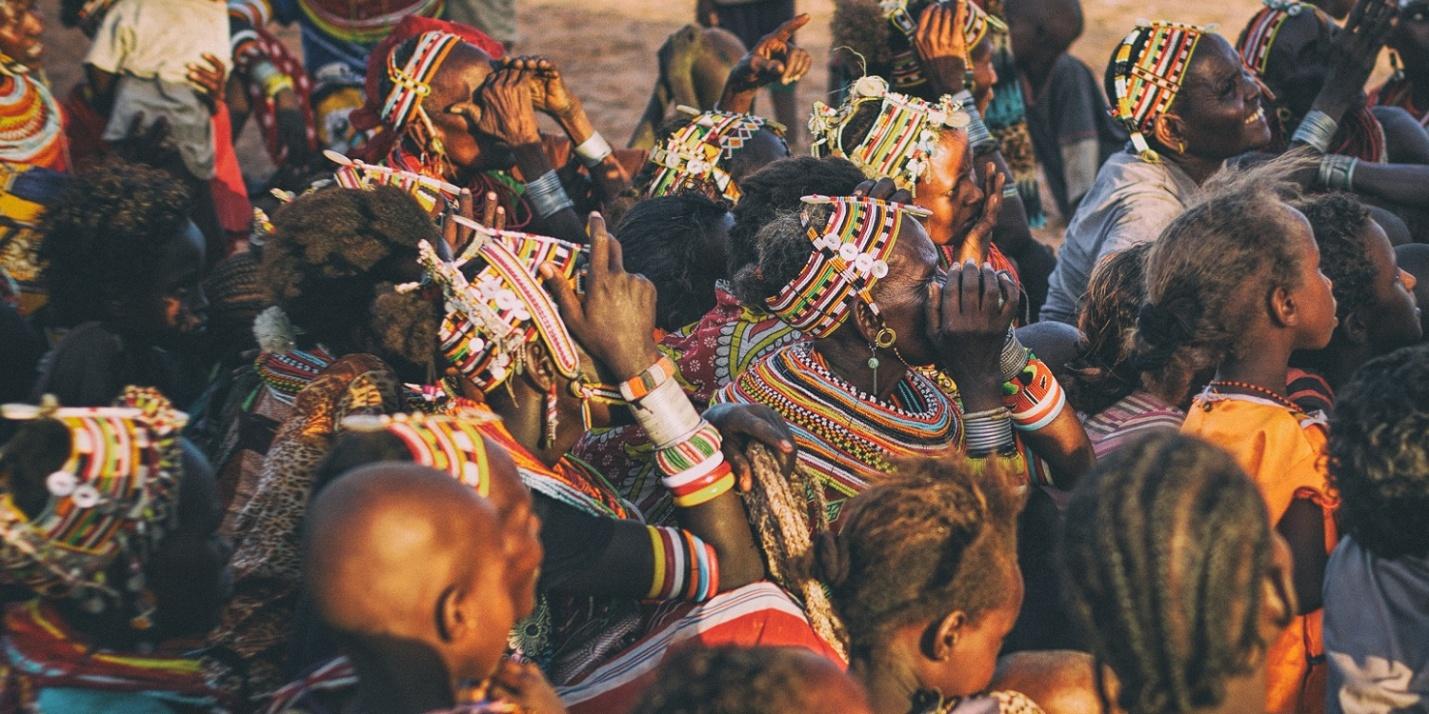
Language reflects hierarchy. Different forms of address are used depending on age, gender, and status. Respect toward elders is deeply embedded in speech patterns.
To understand age-based hierarchy, read Masai Social Structure: Age Sets, Warriors & Elders Explained.
Oral Tradition & Storytelling
Historically, Masai culture relied on oral transmission. Through Maa, elders pass down migration stories, moral lessons, clan history, and spiritual teachings. There is strong oral continuity tied to historical migration.
For historical background, read The History of the Masai: Migration, Emutai & Colonial Land Loss.
Language & Spiritual Belief
Maa is central to prayer and ritual. The name of the Masai deity, Engai, comes directly from Maa vocabulary.
To understand spiritual foundations, read Masai Religion & Beliefs: Engai, Laibon & Sacred Land.
Maa & Cultural Ceremonies
Ceremonies such as:
- Warrior initiation
- Eunoto (elder transition)
- Marriage celebrations
Are conducted in Maa. Songs and chants during Adumu (jumping dance) use traditional Maa lyrics.
Learn more in The Masai Jumping Dance (Adumu): Meaning & Ceremony Explained. For marriage traditions, see Masai Marriage Customs: Bride Price & Family Structure.
Is Maa an Endangered Language?
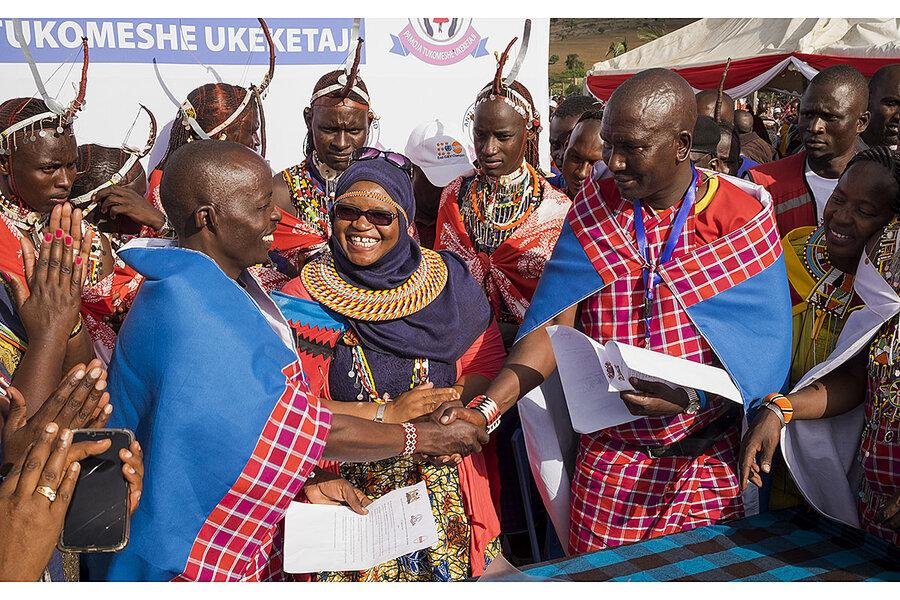
Maa is not extinct, but it faces modern pressures including urban migration, formal schooling in English or Swahili, and media influence. However, Maa remains actively spoken in rural communities. Modern identity blends Maa with multilingual fluency.
To understand cultural evolution, read Modern Challenges Facing the Masai Today.
Why Maa Language Matters
Language preserves worldview. Through Maa, the Masai express their relationship with cattle, their connection to land, their social hierarchy, and their spiritual devotion. Understanding Maa adds depth to every other cultural aspect.
For example: Inside a Masai Village: Manyatta & Daily Life and Masai and Wildlife Conservation.
Final Thought
Learning a few Maa words transforms a tourist into a respectful guest. Language is the doorway to cultural understanding.
Return to the full master guide here: The Masai Tribe: Culture, History, Traditions & Modern Life.
Masai Language (Maa) – FAQs (2026)
The Masai speak Maa, an Eastern Nilotic language spoken across southern Kenya and northern Tanzania.
Yes. Many Masai are multilingual and speak Swahili and sometimes English, especially in urban areas or tourism-related roles, while maintaining Maa for cultural continuity.
Maa remains actively spoken in rural Masai communities, although urban migration and formal schooling in other languages create modern pressures.
Maa preserves oral history, social hierarchy, spiritual beliefs, and ceremonial traditions, making it central to Masai cultural continuity.
Learning basic greetings such as “Supa” and “Ashe” shows respect and can enhance cultural exchange during a village visit.