
Lake Manyara National Park is one of Tanzania's most scenic northern circuit safari stops. It is not as vast as Serengeti, not as wildlife dense as Ngorongoro Crater, and not as elephant famous as Tarangire. But it offers something different: a compact, visually rich landscape where forest, lake, escarpment, hot springs, birdlife and wildlife come together in a relatively small area, including spectacular flamingo gatherings best explored on a flamingo and lake viewing experience.
For Indian travellers planning a Tanzania safari in 2026, Lake Manyara works best as a supporting destination. It is ideal as a gentle first safari stop after Arusha, a scenic break between Tarangire and Ngorongoro, or a shorter wildlife experience for travellers who want variety without adding too much travel pressure.
The park is best known for tree climbing lions, flamingos, baboons, elephants, hippos, groundwater forest and the dramatic wall of the Great Rift Valley escarpment. Flamingo numbers and wildlife visibility vary, and tree climbing lions are famous here but never guaranteed.
Why Visit Lake Manyara National Park in 2026?
Lake Manyara is worth visiting because it adds scenic variety to a Tanzania safari. The park sits beneath the Manyara Escarpment, giving it a dramatic backdrop. Within a short drive, travellers can move from groundwater forest to open woodland, lake views, hippo pools and hot spring areas — making Lake Manyara feel different from the open plains of Serengeti and the dry baobab landscapes of Tarangire. It is greener, more compact and more varied in habitat.
For first time safari travellers from India, Lake Manyara can be a soft introduction to Tanzania's wildlife. The park is not overwhelming in scale, drives are usually manageable, and sightings may include baboons, elephants, giraffes, zebras, hippos, buffaloes and birds. For families, this compactness is useful — children may find long Serengeti drives tiring, but Lake Manyara can be easier to absorb. For photographers, the escarpment, forest and lake create strong landscape frames. For birdwatchers, the park is especially appealing when water and seasonal conditions are favourable. Lake Manyara should not usually be the main safari destination in Tanzania — it is best used as part of a wider northern circuit route.
Where Is Lake Manyara National Park?
Lake Manyara National Park is in northern Tanzania, between Lake Manyara and the Great Rift Valley escarpment. TANAPA describes it as lying on the floor of the Great Rift Valley, with the escarpment wall giving the park a spectacular view. The park is located on the popular northern safari circuit, making it easy to combine with Arusha, Tarangire, Ngorongoro and Serengeti. A common route for Indian travellers is:
India → Kilimanjaro International Airport → Arusha → Lake Manyara → Ngorongoro → Serengeti → Zanzibar
Lake Manyara is often included either as a day visit from the Karatu or Manyara area, or as a short stop while moving toward Ngorongoro. It is also practical for travellers who want a lighter safari day before the more intense wildlife experience of Ngorongoro Crater.
Best Time to Visit Lake Manyara
June to October — Best for General Safari Conditions
June to October is the dry season and the most practical period for many Tanzania safaris. Roads are generally easier, vegetation is less dense and wildlife viewing can be more straightforward. This period is also excellent for combining Lake Manyara with Tarangire, Ngorongoro and Serengeti — for Indian travellers who want a smooth, classic safari itinerary, June to October is one of the safest choices. During the dry season, the park may feel more open and easier to navigate, though lake levels and bird distribution can vary.
November to December — Short Rains and Greener Landscapes
November and December can bring short rains. The park becomes greener, and the scenery can be attractive. This period can work well for travellers who want slightly fewer crowds and do not require the driest conditions. It can also pair well with festive season Tanzania and Zanzibar itineraries, though December travel should be booked early.
January to March — Green Season and Birdlife
January to March can be good for birdlife and green scenery. The park's forested and lake environments can feel especially alive during this time, and it can work well with Southern Serengeti and Ndutu calving season safaris. For travellers interested in photography, this period may offer lush landscapes and softer light, though weather conditions can vary.
April to May — Long Rains
April and May are generally less ideal for first time luxury travellers. This is the long rainy season, and travel conditions can be less predictable. Some travellers may enjoy lower rates and green landscapes, but most Indian families and honeymooners should choose drier months unless they are flexible and comfortable with weather uncertainty.
Wildlife in Lake Manyara National Park
Tree Climbing Lions
Lake Manyara is famous for tree climbing lions. TANAPA specifically notes the park's reputation for this unusual behaviour, which is one of its best known attractions. However, travellers must understand that these lions are not guaranteed — you may visit and not see them. The behaviour is famous, but wildlife remains unpredictable. A good guide improves your chances, but no ethical operator should promise a tree climbing lion sighting. If you do see lions resting in branches, it is a memorable moment because it feels unusual and highly photogenic.
Flamingos and Birdlife
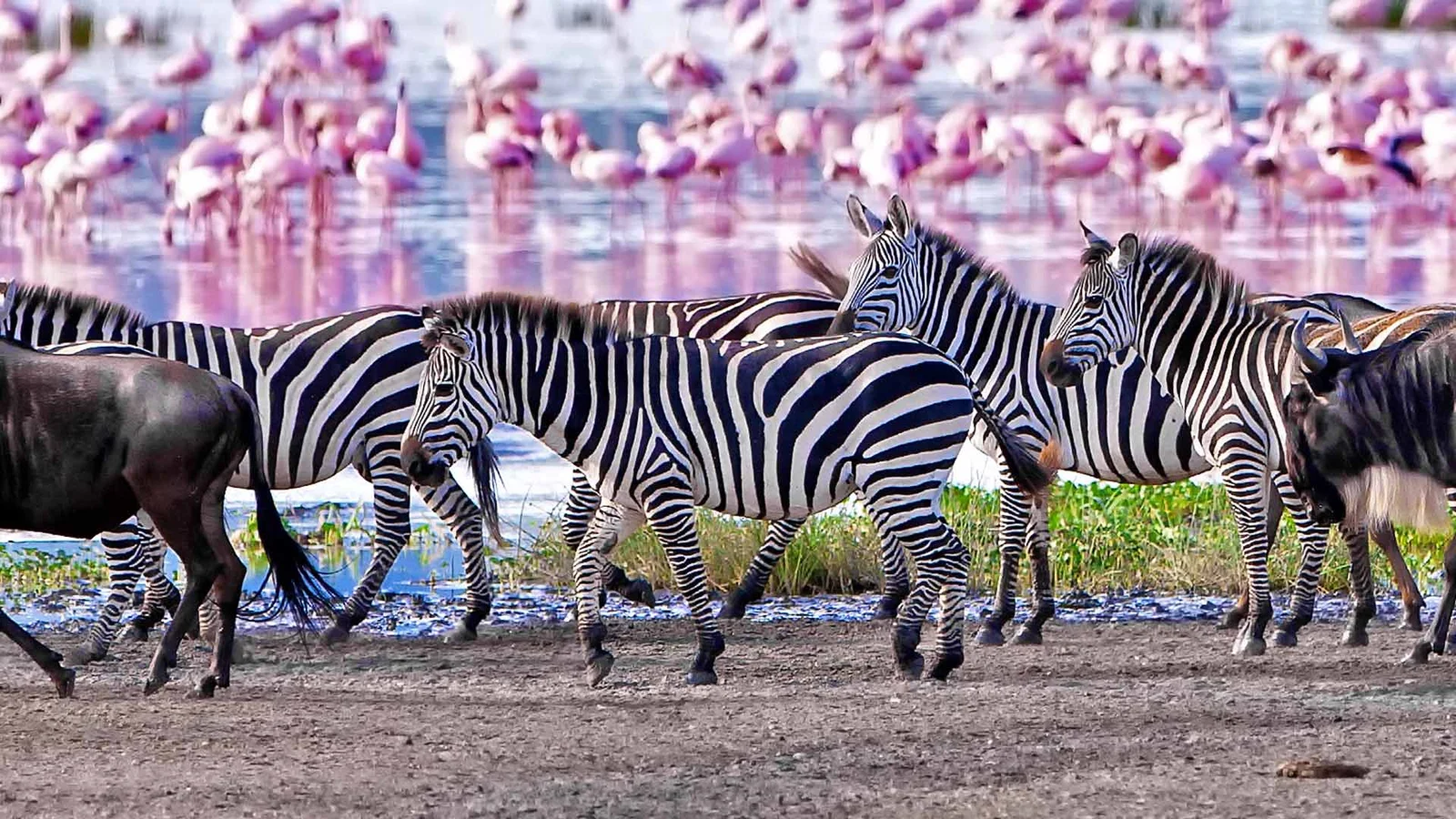
Lake Manyara is strongly associated with flamingos and birdlife. The exact number of flamingos visible depends on water level, algae, season and movement — some visits may produce impressive bird scenes; others may be quieter. The park is still an excellent birding destination, with waterbirds, raptors, forest birds and lake associated species. For birdwatchers, it adds a very different experience compared with Serengeti and Tarangire.
Baboons and Primates
Lake Manyara is well known for its baboons and primates. The groundwater forest supports primate life, and travellers may see large troops close to the road. For families, baboon sightings can be highly engaging, but guides usually remind travellers not to feed wildlife or leave food visible.
Elephants
Elephants can be seen in Lake Manyara, though Tarangire is usually the stronger elephant destination. In Manyara, elephants are often seen in forested or woodland areas, creating a different photographic style from Tarangire's open baobab landscapes.
Hippos
Hippos are often associated with the park's pools and wetland areas. They can be observed from safe distances, often with birds nearby.
Giraffes, Zebras and Buffaloes
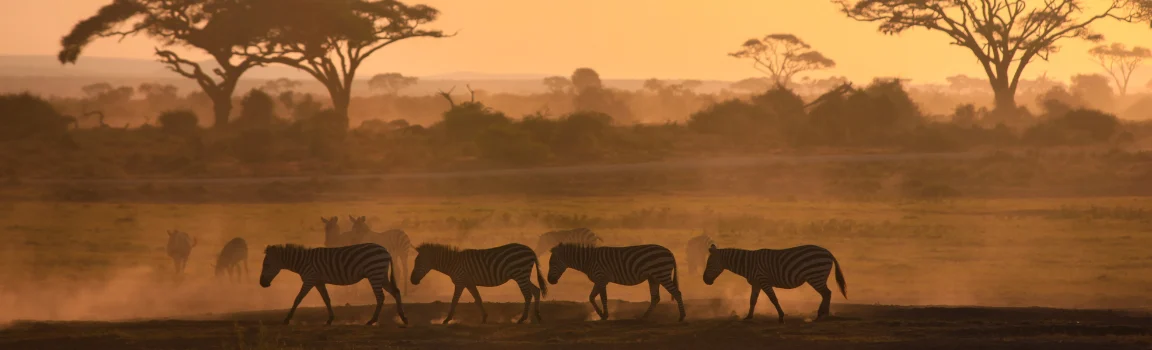
Giraffes, zebras, buffaloes and antelope may be seen depending on area and season. Lake Manyara does not usually deliver the same scale of plains game as Serengeti, but it offers enough wildlife variety to make a short safari worthwhile.
Landscapes and Scenery
Lake Manyara's strongest advantage is scenery. The Rift Valley escarpment rises dramatically behind the park, creating a strong visual identity. Tanzania Tourism describes the park as located beneath the cliffs of the Manyara Escarpment, with varied ecosystems, birdlife and views. The groundwater forest near the park entrance feels lush and shaded. The lake areas open the view outward. The woodland and hot spring zones add more variety.
For travellers who have already seen open plains in Serengeti, Lake Manyara feels different. For travellers beginning their safari here, it gives a gentle introduction before the larger parks. This is why Lake Manyara is best understood as a scenic park with wildlife, not a pure high density wildlife destination.
How Many Days Do You Need in Lake Manyara?
- Half Day: Works if you are using Lake Manyara as a scenic stop between Arusha and Ngorongoro. It gives a basic introduction, but it is limited.
- Full Day: Better. Allows more time to explore the forest, lake areas, hippo pools and scenic viewpoints without rushing.
- One Night: Works well if the park is part of a relaxed northern circuit itinerary. Arrive, rest, enjoy a game drive and continue to Ngorongoro the next day.
- Two Nights: Only needed if you are a birder, photographer or slow traveller. Most first time Tanzania itineraries should not spend two full nights here.
For most Indian travellers, Lake Manyara is best as a half day, full day or one night addition.
Lake Manyara vs Tarangire
Tarangire is usually stronger for wildlife, especially elephants and dry season game concentration. It has a more powerful safari identity because of its large elephant herds, baobab trees and river based dry season viewing. Lake Manyara is stronger for scenery, birdlife, forest, escarpment views and a compact wildlife introduction — easier to experience in a shorter time.
For most Indian travellers, if you must choose only one, Tarangire is usually the better safari choice. But if you have enough days, Lake Manyara adds landscape variety and fits naturally before Ngorongoro.
Lake Manyara vs Ngorongoro Crater
Ngorongoro Crater is much stronger for wildlife density and Big Five possibilities. It is one of the most rewarding single day safari experiences in Tanzania. Lake Manyara is more scenic and softer — it does not compete with Ngorongoro for major wildlife concentration, but instead supports the itinerary by adding forest, lake, birdlife and Rift Valley views. If time is limited, Ngorongoro should take priority. If time allows, Lake Manyara can be added before or after the crater.
Lake Manyara vs Serengeti
Serengeti is the main safari destination — larger, wilder and better for big cats, open plains and migration movement. Lake Manyara is compact, scenic and easier to visit as a short stop. It should not replace Serengeti in a serious Tanzania safari. The best itinerary includes Serengeti as the main wildlife anchor and Lake Manyara as a supporting scenic stop.
Where to Stay for Lake Manyara
Most travellers stay near Lake Manyara, Karatu or the Ngorongoro highlands. If visiting Lake Manyara before Ngorongoro, staying near Karatu is practical — it gives access to both Lake Manyara and the crater route. For families, choose lodges with space, flexible meals and safe common areas. For honeymooners, choose a quieter lodge with views and privacy. For luxury travellers, location and route flow matter more than simply choosing the most expensive room.
Lake Manyara Safari Cost in 2026
Lake Manyara is usually included as part of a broader Tanzania safari package rather than booked alone. As a practical planning range:
Premium Mid Range Lake Manyara Safari
Approximate cost: USD 450–700 per person per safari day
This may include accommodation, park fees, meals, guide and vehicle when part of a
larger itinerary.
Luxury Lake Manyara Safari
Approximate cost: USD 800–1,300 per person per safari day
This includes better lodges, private guiding, smoother logistics and more comfortable
routing.
Ultra Luxury Itinerary Including Lake Manyara
Approximate cost: USD 1,500+ per person per safari day
This applies when Lake Manyara is part of a broader high end Tanzania route with premium
lodges, fly in routing and private arrangements. Lake Manyara is rarely the most expensive
part of a Tanzania safari — Serengeti, Ngorongoro and Zanzibar usually drive more of the
total cost.
How to Reach Lake Manyara from India
Indian travellers usually fly to Tanzania through hubs such as Dubai, Doha, Addis Ababa or Nairobi. Kilimanjaro International Airport is the best arrival point for northern Tanzania safaris. Most itineraries include one night in Arusha, then a road transfer toward Lake Manyara, Tarangire or Ngorongoro. Lake Manyara is reachable by road and fits naturally into the northern circuit. For luxury travellers, flights may be used later in the itinerary for Serengeti or Zanzibar, but Lake Manyara itself is commonly accessed by road.
Food and Indian Dietary Requirements
Most good lodges in the Lake Manyara and Karatu area can arrange vegetarian meals with advance notice. Jain, vegan and no onion/no garlic requirements should be communicated before travel. Because Lake Manyara is not as remote as some Serengeti camps, food logistics can be easier, but advance planning is still necessary. Indian families should share children's meal preferences early. Honeymooners can request private dinners or special arrangements at suitable lodges.
What to Pack for Lake Manyara Safari
Pack neutral safari clothing, comfortable shoes, sunglasses, sunscreen, hat, light jacket, binoculars, camera gear, insect repellent, medication and travel documents. Because Lake Manyara includes forested areas and lake views, binoculars are especially useful for birds and distant wildlife. If you are continuing to Serengeti by internal flight later, use soft sided luggage rather than large hard suitcases. For photography, carry a zoom lens and a wider lens if you enjoy landscape shots — the escarpment and forest scenes are part of the park's appeal.
Common Mistakes to Avoid
- Expecting Guaranteed Tree Climbing Lions: Lake Manyara is famous for tree climbing lions, but sightings are not guaranteed. Wildlife remains unpredictable.
- Treating Lake Manyara as a Serengeti Replacement: It is not a replacement for Serengeti. It is a scenic supporting park.
- Choosing Lake Manyara Over Tarangire for Wildlife: If wildlife density is the priority and time is limited, Tarangire is usually stronger.
- Rushing Through Without a Guide's Context: Lake Manyara's value is in its habitats and scenery — a good guide helps explain what makes it different.
- Spending Too Many Nights on a Short Safari: If your trip is short, do not over allocate time here at the cost of Serengeti or Ngorongoro.
- Not Planning Around Season: Birdlife, lake levels and wildlife visibility change by season. Expectations should be realistic.
Why Plan Lake Manyara Safari with Luxury Unlocked?
Luxury Unlocked helps Indian travellers decide whether Lake Manyara belongs in their Tanzania safari itinerary. We include it only when it improves the route, not as filler. Our specialists match Lake Manyara with Tarangire, Ngorongoro, Serengeti and Zanzibar based on season, travel pace, family needs, budget and wildlife priorities. We also coordinate private vehicles, lodge selection, internal flights, vegetarian meals, honeymoon arrangements and complete travel planning from India.
Whether you want a scenic first safari, a family friendly northern circuit route or a complete Tanzania safari and Zanzibar itinerary, we can design the right 2026 journey around your dates and travel style. Explore our Tanzania safari packages from India or contact Luxury Unlocked to plan your Lake Manyara, Ngorongoro, Serengeti and Zanzibar safari.
Lake Manyara Safari 2026 – FAQs
Yes. Lake Manyara is worth visiting if you want scenic variety, birdlife, forest, lake views and a compact safari experience. It is best as part of a wider Tanzania itinerary — particularly as a scenic stop before Ngorongoro Crater, or as a softer first safari introduction before Serengeti.
Lake Manyara is famous for tree climbing lions, flamingos, birdlife, groundwater forest, baboons, hippos and the dramatic Great Rift Valley escarpment views. It is Tanzania's most visually varied northern circuit park, combining lake, forest, escarpment and woodland within a compact area.
No. Lake Manyara is famous for tree climbing lions, but sightings are not guaranteed. Wildlife remains unpredictable, and no ethical safari operator should promise a sighting on a specific day. A good guide improves your chances by knowing where to look, but patience and realistic expectations are always important.
June to October is best for general safari conditions — roads are easier, vegetation is less dense and wildlife viewing is more straightforward. January to March can be good for green scenery and birdlife. April and May are generally less ideal because of long rains. November and December offer greener landscapes with fewer crowds.
A half day or full day visit is enough for many travellers. One night nearby works well in a relaxed itinerary and gives a more complete experience. Two nights are mainly suited to birders, photographers or slow travellers — most first time Tanzania itineraries should not over allocate time here at the cost of Serengeti or Ngorongoro.
For wildlife, Tarangire is usually stronger — it has better elephant viewing, stronger dry season game concentration and a more powerful safari identity. Lake Manyara is better for scenery, birdlife, forest and compact safari variety. If you must choose only one, Tarangire is usually the better safari choice for Indian travellers.
No. Ngorongoro is significantly stronger for wildlife density and Big Five possibilities — it is one of the most rewarding single day safari experiences in Tanzania. Lake Manyara is a scenic supporting park that adds forest, lake and escarpment variety to the itinerary. If time is limited, Ngorongoro should always take priority.
Yes. Lake Manyara combines naturally with Ngorongoro and Serengeti as part of Tanzania's northern safari circuit. The standard sequence is Lake Manyara as an early stop near Arusha, followed by Ngorongoro and then Serengeti. This adds scenic variety without weakening the major wildlife destinations.
Yes. Lake Manyara is good for families because it is compact, scenic and less overwhelming than larger parks. Baboon sightings, bird variety, lake views and manageable drive lengths make it suitable for children. It works especially well as a first or second safari stop before longer Serengeti drives.
Good lodges in the Lake Manyara and Karatu area can usually arrange vegetarian meals with advance notice. Jain and no onion/no garlic meals should be requested before travel, ideally at the booking stage. Because the area is less remote than Serengeti camps, food logistics can be slightly easier, but advance communication remains essential.
Kilimanjaro International Airport is the best international arrival airport for most Indian travellers visiting Lake Manyara. From Kilimanjaro, travellers transfer to Arusha — usually with one night's rest — then continue by road toward Lake Manyara, which is a manageable drive on the northern safari circuit.
Yes, but usually after completing the full safari route. Most travellers visit Lake Manyara, Ngorongoro and Serengeti first, then fly to Zanzibar for the beach extension. The charter flight from Serengeti or Arusha to Zanzibar takes approximately 60 to 90 minutes, making the transition smooth and efficient.